Jeep cars are known for their off-road capabilities and rugged design. Many people buy Jeeps to explore nature, go on adventures, and enjoy the freedom of driving anywhere.
However, when you're planning a long trip or just driving in the city, comfort is also very important. A comfortable ride makes any journey more enjoyable, whether you're going on a challenging trail or just commuting to work.
Jeep has put a lot of effort into making their vehicles more comfortable over the years. While they still offer the classic Jeep experience, newer models come with advanced features that improve the ride quality, cabin quietness, and overall passenger experience. This means you don’t have to sacrifice comfort for capability.
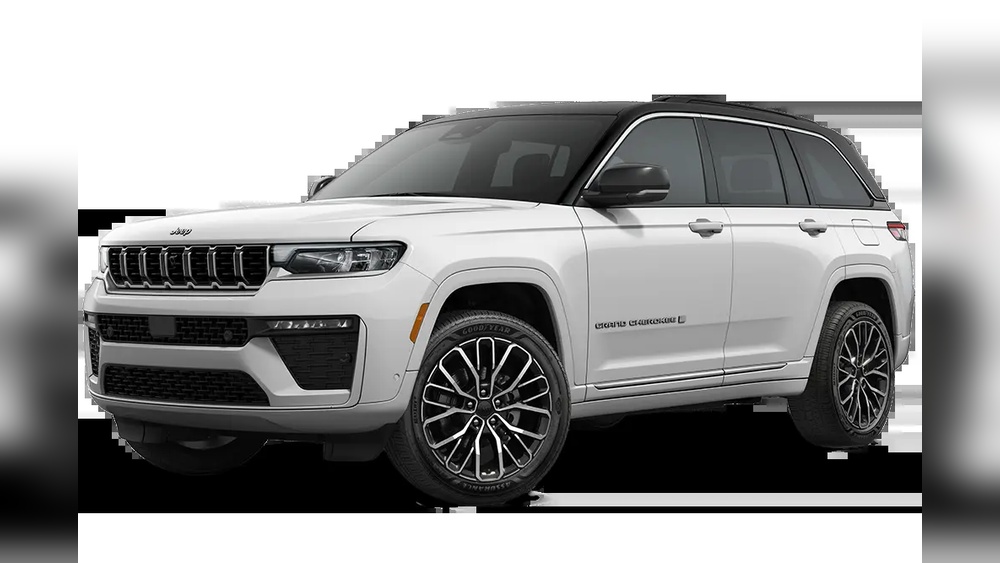
This article will explore the various aspects of Jeep car passenger comfort. We will look at how Jeep designs its interiors, the technology it uses, and what you can expect when you sit in a Jeep. We’ll cover everything from seat design and suspension systems to noise reduction and climate control, helping you understand how Jeep balances its legendary toughness with a smooth and pleasant ride for everyone inside.
Seating And Interior Design For Comfort
The seats in a vehicle are one of the most critical factors for passenger comfort, especially on long drives. Jeep understands this and has evolved its seating design significantly.
Modern Jeeps offer a range of seating options designed to support the body and reduce fatigue.
Seat Materials And Support
Jeep offers various seat materials, from durable cloth to premium leather upholstery. The choice of material can impact comfort. Cloth seats often provide better breathability, which is ideal for warmer climates or during strenuous activities. Leather, on the other hand, offers a more luxurious feel and is easier to clean, a practical consideration for those who take their Jeeps off-road.
Beyond the material, the seat construction itself is key. Many Jeep models feature seats with enhanced bolstering to keep passengers secure during off-road driving or sharp turns. However, this bolstering is typically designed to be supportive rather than overly restrictive, aiming for a balance between holding you in place and allowing for a relaxed posture. Lumbar support is also a common feature, adjustable in many higher trims, which helps reduce lower back strain on longer journeys. Heated and ventilated seat options are available on many models, adding a significant layer of comfort in different weather conditions.
Interior Space And Layout
Passenger comfort is also about having enough space. Jeep vehicles, particularly models like the Grand Cherokee and Wagoneer, offer generous interior space. This means ample legroom and headroom for both front and rear passengers, preventing that cramped feeling that can make even short trips unpleasant. The overall layout of the cabin is designed to be intuitive, with controls easily accessible and storage solutions thoughtfully integrated.
The dashboard design in modern Jeeps is often driver-focused but also considers passenger visibility and access. Large windows and a relatively upright seating position provide a good view of the surroundings, which can reduce motion sickness for some passengers and make the journey feel more open and less claustrophobic. The placement of air vents and charging ports is also considered to ensure all passengers can stay comfortable and connected.
Cargo Space And Versatility
While not directly about passenger seating, the utility of the cargo space contributes to overall comfort by making travel easier. Jeeps often feature flexible cargo solutions. The rear seats can usually be folded down in various configurations, creating a large, flat loading area for gear. This versatility is crucial for adventurers who need to pack camping equipment, sports gear, or other essentials. Easy access to the cargo area, often through a power liftgate on higher trims, further enhances the convenience and comfort of using the vehicle.
Ride Quality And Suspension Systems
The way a vehicle handles bumps, rough roads, and uneven terrain directly impacts passenger comfort. Jeep’s suspension systems are engineered to provide a capable off-road experience while also delivering a surprisingly smooth ride on pavement.
Suspension Technology
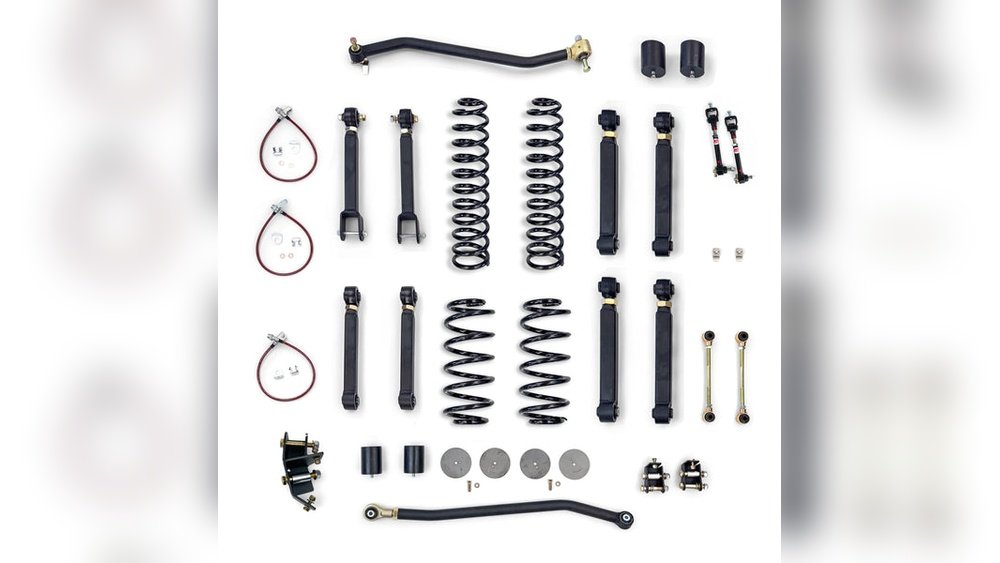
Jeep utilizes different suspension technologies depending on the model and trim level. For models like the Wrangler, the focus is on solid axles (front and rear) which are renowned for their durability and articulation off-road. While solid axles can sometimes transmit more feedback from the road compared to independent suspension, Jeep has refined them over the years to improve on-road manners. They often incorporate advanced shock absorbers and springs designed to absorb impacts effectively.
On models like the Grand Cherokee and Cherokee, you’ll find more sophisticated independent suspension systems. Independent suspension allows each wheel to move more freely, leading to better handling and a smoother ride on paved surfaces. Many Jeeps also offer adaptive damping or air suspension systems on higher trims. These systems can adjust the stiffness of the suspension in real-time based on road conditions and driving mode, optimizing for comfort when cruising or for better control when driving dynamically. For example, the Grand Cherokee’s available Quadra-Lift air suspension can raise or lower the vehicle’s height, improving ground clearance off-road or making it easier to enter and exit the vehicle on the road.
Noise, Vibration, And Harshness (nvh) Reduction
A significant aspect of passenger comfort is minimizing unwanted noise, vibration, and harshness (NVH). Jeep has invested heavily in NVH reduction technologies in its newer models. This includes using sound-deadening materials throughout the cabin, such as extra insulation in the floor, doors, and firewall. The windshield and side glass may also be acoustic glass, which further blocks external noise.
The design of the engine and exhaust systems also plays a role. Efforts are made to isolate the engine’s noise from the cabin, often through advanced engine mounts and acoustic covers. Similarly, the exhaust system is tuned to produce a pleasant sound when acceleration is needed, but to remain quiet during cruising. Even the aerodynamics of the vehicle are considered; smoother body lines and well-sealed windows help reduce wind noise at higher speeds. For the Wrangler, a vehicle with a removable roof and doors, achieving a quiet cabin is a unique challenge. Jeep has introduced quieter soft tops and hardtop options that are better sealed than in previous generations, making highway driving more tolerable.
Tire Choice And Impact
The tires fitted to a Jeep also play a role in ride comfort. While all-terrain tires are often standard or optional for their off-road grip, they can sometimes be noisier and provide a firmer ride on pavement compared to highway tires. Many Jeep owners opt for tire replacements that better suit their typical driving conditions. If most of your driving is on roads, choosing tires with a focus on on-road comfort and reduced road noise can significantly improve the passenger experience. Tire pressure also matters; ensuring tires are inflated to the manufacturer’s recommended pressure is crucial for both safety and comfort.

Climate Control And Interior Ambiance
Maintaining a comfortable temperature and creating a pleasant atmosphere inside the cabin are vital for passenger well-being, especially during long journeys or extreme weather. Jeep offers advanced climate control systems and thoughtful interior lighting to enhance the experience.
Advanced Climate Control Systems
Modern Jeeps are equipped with automatic climate control systems, often with dual-zone or tri-zone capabilities. This allows the driver and front passenger, and sometimes rear passengers, to set their preferred temperatures independently. The system automatically adjusts fan speed, air intake, and recirculation to maintain the set temperature efficiently.
Beyond basic temperature control, features like heated and ventilated seats (mentioned earlier) are significant comfort enhancers. Heated steering wheels are also available on many models, providing quick warmth on cold mornings. For warmer climates, ventilated seats use small fans to circulate air through the seat cushions and backrests, helping to keep passengers cool and dry. Remote start functionality, often controllable via a smartphone app, allows you to start the engine and activate the climate control system before you even get into the vehicle, ensuring it’s already at a comfortable temperature when you arrive.
Air Filtration And Quality
The quality of the air inside the cabin is another aspect of comfort. Many Jeep models come with cabin air filters that trap dust, pollen, and other airborne particles. Higher trim levels or optional packages may offer advanced air filtration systems, sometimes referred to as microbial filters, which can remove even smaller contaminants and odors, contributing to a healthier and more pleasant environment for everyone. This is particularly beneficial for passengers with allergies or respiratory sensitivities.
Interior Lighting And Ambiance
The interior lighting of a vehicle can significantly affect the mood and comfort of passengers. Jeep offers ambient LED lighting in many of its vehicles, particularly in higher trims. This lighting can illuminate the footwells, door handles, and dashboard accents with a soft glow, creating a more premium and inviting atmosphere, especially at night. The intensity and sometimes even the color of this ambient lighting can be adjusted, allowing occupants to personalize the cabin’s feel.
Sunroofs and open-air options, like the Sky One-Touch Power Top on the Wrangler, also contribute to the interior ambiance. While they provide an open-air experience that many Jeep owners cherish, they also allow more natural light into the cabin, making it feel more spacious and connected to the outdoors. When closed, these features are designed to provide good insulation and weather sealing.
Technology And Convenience Features
Modern vehicles are packed with technology that goes beyond infotainment and directly contributes to passenger comfort and convenience. Jeep incorporates several features designed to make the journey smoother and more enjoyable.
Infotainment And Connectivity
While primarily for entertainment, the infotainment system in a Jeep plays a role in comfort by providing easy access to navigation, music, and vehicle settings. Large, responsive touchscreens, Apple CarPlay and Android Auto integration, and intuitive user interfaces make it simple for drivers and passengers to control various functions without distraction. Voice command capabilities further enhance ease of use, allowing for hands-free operation of many features.
Premium audio systems, such as those from Alpine or Harman Kardon, are available on many Jeep models. These systems offer superior sound quality, making music and podcasts more immersive and enjoyable for passengers. Multiple USB ports and charging outlets, including USB-C ports and wireless charging pads, ensure that passengers can keep their devices powered throughout the journey, reducing the stress of a dead battery.
Driver Assistance And Safety Features
Advanced driver assistance systems (ADAS) contribute to comfort by reducing driver fatigue and increasing a sense of security. Features like adaptive cruise control can automatically adjust the vehicle’s speed to maintain a set distance from the car ahead, making highway driving much less demanding. Lane keeping assist can help gently steer the vehicle back into its lane if it begins to drift unintentionally.
Blind-spot monitoring and rear cross-path detection alert drivers to vehicles in their blind spots, reducing the anxiety of changing lanes or reversing. Parking assist systems and 360-degree cameras make maneuvering in tight spaces much easier and less stressful. By handling some of the more repetitive or stressful aspects of driving, these technologies allow passengers to relax more fully.
Convenience Features
Small touches can make a big difference in overall comfort. Keyless entry and push-button start mean you don’t have to fumble for keys. Power-adjustable seats with memory functions allow different drivers to quickly find their ideal position. Auto-dimming rearview mirrors reduce glare from headlights at night. Even the design of the cup holders and storage compartments is considered to be functional and convenient for passengers.
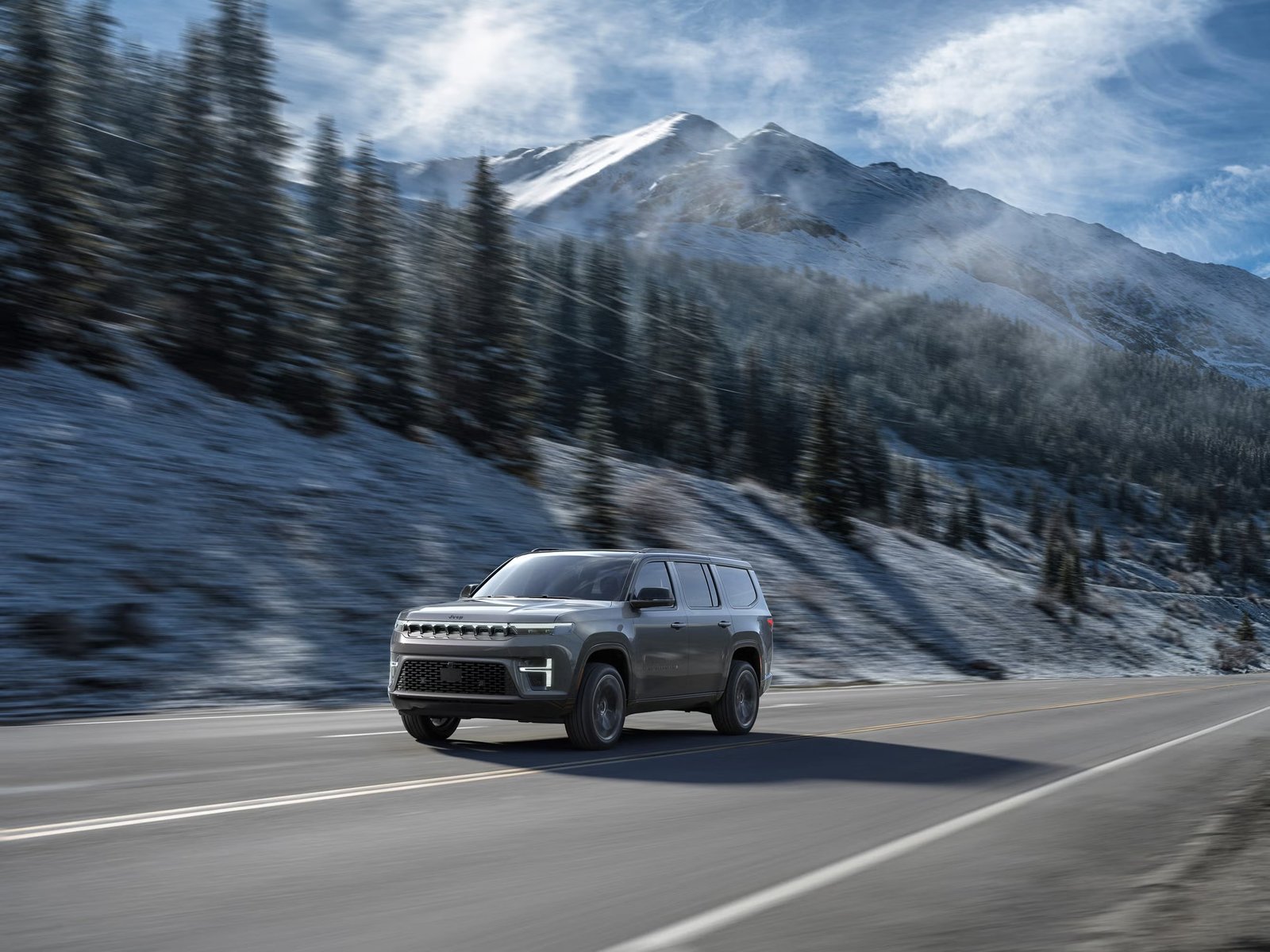
Specific Model Comfort Considerations
While many comfort features are common across the Jeep lineup, specific models have unique characteristics that influence passenger comfort. Understanding these differences can help you choose the Jeep that best suits your needs.
Jeep Wrangler
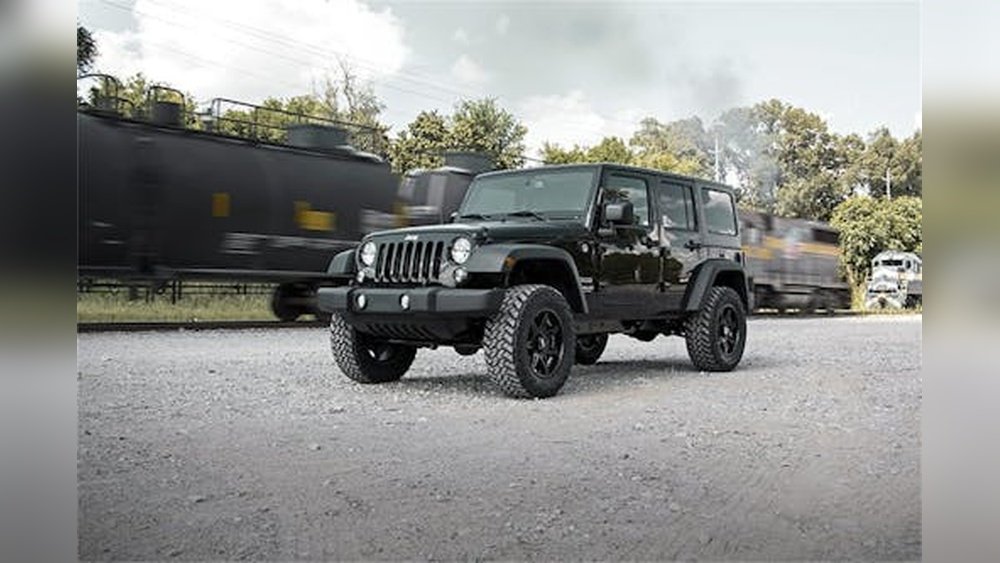
The Jeep Wrangler is perhaps the most iconic Jeep, but it prioritizes capability and the open-air experience. Comfort on pavement has improved significantly over generations, with newer Wranglers offering better insulation and more refined suspension. However, compared to other SUVs, the Wrangler’s ride can still be firmer, and road noise is more noticeable, especially with the soft top. The removable doors and roof are fantastic for off-roading and warm weather, but they inherently mean less cabin isolation. For passengers who value the unique Wrangler experience and are heading off the beaten path, the comfort is often measured by how well the vehicle handles challenging terrain, rather than pure luxury. Features like heated seats and improved infotainment are available, but the core experience is about ruggedness.
Jeep Grand Cherokee
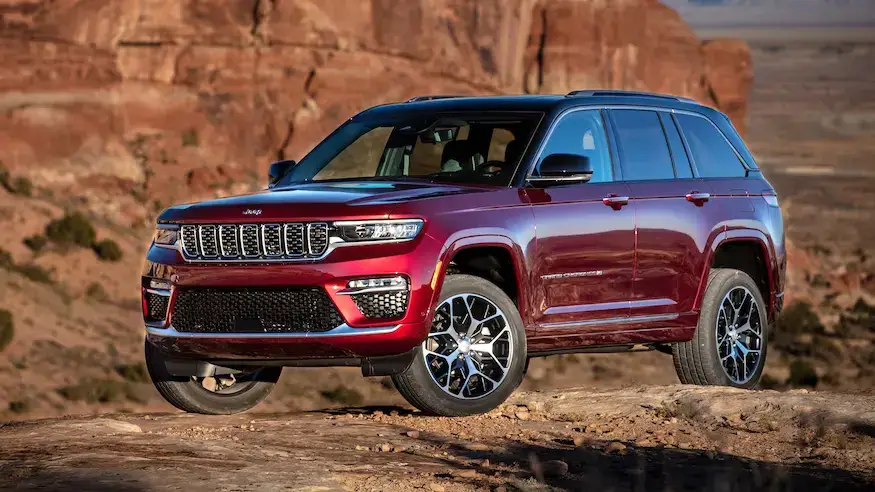
The Jeep Grand Cherokee is designed to be a more premium and comfortable SUV, blending off-road prowess with on-road refinement. It offers a significantly smoother and quieter ride than the Wrangler, thanks to its independent suspension and extensive NVH reduction measures. Passengers benefit from more spacious seating, higher-quality interior materials, and a wider array of luxury features, including advanced climate control, available massaging seats, and a sophisticated infotainment system. It’s often considered the benchmark for comfort within the Jeep brand, aiming to compete with other luxury SUVs.
Jeep Cherokee
The Jeep Cherokee (though its future in some markets is uncertain) historically sits between the Wrangler and Grand Cherokee in terms of size and comfort. It offers a good balance of capability and everyday comfort. Its ride is generally more comfortable than a Wrangler but might not reach the same level of plushness as a Grand Cherokee. It provides adequate space for passengers and a decent feature set, making it a practical choice for families who want some off-road ability without sacrificing too much on-road comfort.
Jeep Compass And Renegade
The Jeep Compass and Jeep Renegade are smaller SUVs that focus more on urban driving and affordability, while still retaining some Jeep styling and capability. They offer comfortable seating for their size and are generally well-suited for daily commuting and shorter trips. Ride quality is typically geared towards comfort on paved roads, though they may not offer the same level of space or advanced features as their larger siblings. They represent an entry point into the Jeep brand, providing a comfortable and stylish option for those who don’t need extreme off-road performance.
Tips For Maximizing Passenger Comfort In Your Jeep
Even in a highly capable vehicle like a Jeep, there are ways to further enhance the comfort for your passengers. These tips apply whether you own a Wrangler, Grand Cherokee, or any other model.
- Choose the Right Tires: As mentioned earlier, the tires have a huge impact. If your Jeep came with aggressive all-terrain tires and you primarily drive on pavement, consider switching to highway tires or all-season tires that prioritize a quieter ride and better comfort. Always check tire load ratings and speed ratings to ensure they are appropriate for your vehicle.
- Regular Maintenance: Keep up with your Jeep’s maintenance schedule. Properly inflated tires, well-functioning suspension components, and a clean cabin air filter all contribute to a smoother and more pleasant ride. A wheel alignment can also prevent uneven tire wear and improve handling, which indirectly affects comfort.
- Utilize Climate Controls Effectively: Take advantage of the dual-zone climate control if your Jeep has it. Allow passengers to set their own temperature. Use the heated/ventilated seats and steering wheel when available. For Wranglers with removable tops, consider aftermarket insulation kits or quieter soft tops if road noise is a major concern for your passengers.
- Personalize the Interior: Use seat covers made from comfortable,