Jeep Car City Mileage: Understanding And Improving Your Fuel Efficiency
Jeep vehicles are known for their ruggedness, off-road capability, and adventurous spirit. However, for many owners, a significant concern is their fuel economy, especially when driving in the city.
Unlike highway cruising where Jeeps can perform reasonably well, stop-and-go city driving often leads to lower miles per gallon (MPG). This article will explore the factors influencing Jeep city mileage, provide realistic expectations for different models, and offer practical tips to help you improve your fuel efficiency in urban environments.
Understanding these aspects can help you make informed decisions about your driving habits and maintenance, ultimately saving you money on fuel.
Why City Driving Affects Jeep Mileage
City driving presents a unique set of challenges for any vehicle, and Jeeps are no exception. The constant need to accelerate, brake, and idle significantly impacts fuel consumption.
Unlike steady highway speeds, urban environments are characterized by frequent stops at traffic lights, stop signs, and congestion.
- Acceleration and Braking: Every time you brake, you’re essentially wasting the energy you used to accelerate the vehicle. In the city, this happens much more often. Accelerating a heavier vehicle like a Jeep requires more fuel. Repeatedly doing this from a standstill to just a few blocks before stopping again is very inefficient.
- Idling: When you’re stuck in traffic or waiting at a light, your engine is running but the vehicle isn’t moving. This is pure fuel consumption with zero miles gained. Jeeps, particularly those with larger engines, can consume a noticeable amount of fuel while idling.
- Tire Rolling Resistance: City roads often have more varied surfaces, potholes, and stop-start conditions that can increase rolling resistance. Additionally, underinflated tires can significantly worsen this.
- Engine Load: City driving often involves lower speeds but can also mean carrying more weight (passengers, cargo) or dealing with inclines, which increases the engine’s workload and thus fuel consumption.
Realistic Mileage Expectations For Jeep Models In The City
It's important to set realistic expectations for your Jeep's city MPG. Fuel economy figures can vary greatly depending on the specific model, year, engine, drivetrain (2WD vs.
4WD), and driving conditions. Jeep offers a range of vehicles, from compact SUVs to larger, more capable off-roaders.
Here are some general estimates for common Jeep models, focusing on their city MPG:
- Jeep Renegade: This is Jeep’s smallest SUV. With its smaller engines, it tends to offer better city mileage. Expect figures in the range of 20-24 MPG in city driving for most configurations.
- Jeep Compass: A compact SUV that often falls into a similar MPG bracket as the Renegade, typically around 21-24 MPG for city driving.
- Jeep Cherokee: This mid-size SUV, depending on the engine option (e.g., 4-cylinder vs. V6) and drivetrain, can achieve 19-23 MPG in city conditions.
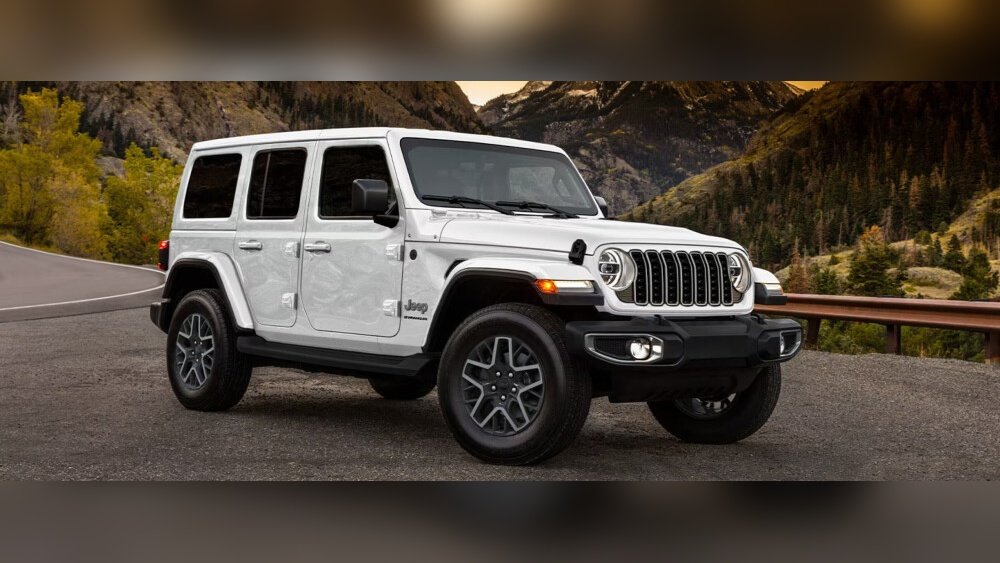
- Jeep Wrangler: Known for its off-road prowess, the Wrangler is generally not optimized for fuel efficiency, especially in the city. Expect figures in the 17-20 MPG range for most models. The Rubicon trims, with their more aggressive tires and gearing, might be on the lower end of this spectrum.
- Jeep Grand Cherokee: As a larger, more premium SUV, the Grand Cherokee typically has lower city MPG. Figures often range from 17-20 MPG, with V8 engine options being less efficient.
- Jeep Gladiator: This pickup truck variant of the Wrangler shares many of its mechanical components. Therefore, its city MPG is usually comparable to the Wrangler, around 16-19 MPG.
These are estimated MPG figures and can be influenced by numerous factors. Always check the official EPA estimates for your specific Jeep model and year for the most accurate information. Remember that real-world mileage, particularly in challenging city conditions, can often be lower than advertised.
Key Factors Influencing Your Jeep’s City Mpg
Beyond the inherent design of each Jeep model, several external factors play a crucial role in how much fuel your vehicle consumes in urban driving. Understanding these can help you identify areas where you can make improvements.
Engine Size And Type
Larger engines, especially V6 and V8 configurations common in some Jeep models like the Grand Cherokee or Wrangler, generally consume more fuel than smaller 4-cylinder engines found in the Renegade or Compass. This is because they require more fuel to ignite and produce power.
Drivetrain (2wd Vs. 4wd)
Jeep vehicles are famous for their 4×4 systems, which are essential for off-roading but can impact fuel economy. A 4WD system adds weight and friction to the drivetrain, meaning the engine has to work harder to move the vehicle.
Driving in 2WD mode whenever possible in the city can offer a slight improvement in MPG.
However, many modern Jeeps have advanced 4WD systems that can automatically disengage when not needed, minimizing the penalty.
Tire Pressure And Type
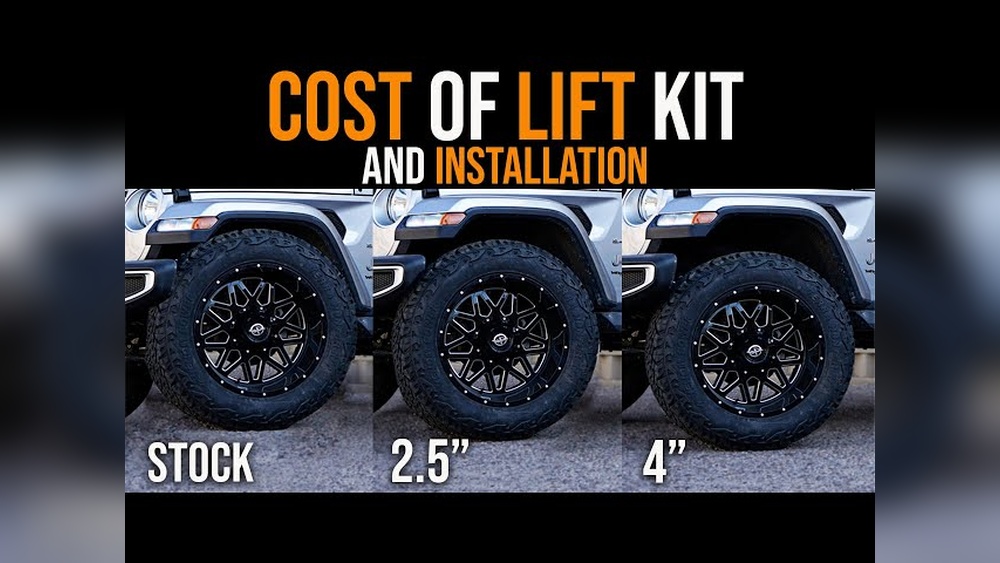
Properly inflated tires are critical for fuel efficiency. Underinflated tires increase rolling resistance, forcing your engine to work harder. Always maintain your tires at the pressure recommended by the manufacturer, usually found on a sticker in the driver’s side doorjamb. The type of tires also matters; aggressive, knobby tires designed for off-roading will generally have higher rolling resistance than all-season tires designed for on-road use, impacting city MPG.
Vehicle Weight
The heavier a vehicle, the more fuel it needs to accelerate and maintain speed. While you can’t change the fundamental weight of your Jeep, avoiding unnecessary cargo in the vehicle can make a difference. Extra weight requires more energy to move.
Driving Habits
Aggressive driving is a major fuel-waster. Rapid acceleration and hard braking are particularly inefficient in city driving. Smooth, consistent driving is key.
Aerodynamics
While less of a factor in low-speed city driving compared to highway speeds, the boxy shape of some Jeeps, like the Wrangler, does create more aerodynamic drag. This is more noticeable at higher speeds but still contributes to overall fuel consumption.
Roof racks or other external accessories can further increase drag.
Maintenance
A well-maintained Jeep will operate more efficiently. Issues like clogged air filters, worn spark plugs, or problems with the exhaust system can all negatively affect MPG.
Practical Tips To Improve Jeep City Mileage
Improving your Jeep’s fuel efficiency in the city isn’t just about buying a more economical vehicle; it’s also about how you drive and maintain your current one. Here are actionable tips to help you get more miles out of every gallon.
1. Drive Smoothly And Anticipate Traffic
This is arguably the most impactful tip for city driving. Avoid sudden acceleration and hard braking. Instead, try to:
- Look Ahead: Scan the road far ahead to anticipate traffic lights, slowing vehicles, and potential hazards. This allows you to ease off the accelerator gradually rather than braking abruptly.
- Gentle Acceleration: When the light turns green, accelerate gently and steadily. There’s no need to floor it.
- Coast When Possible: If you see a red light or slow traffic ahead, take your foot off the accelerator and let the vehicle coast. This uses no fuel and reduces brake wear.
2. Maintain Proper Tire Pressure
As mentioned earlier, underinflated tires are a significant drain on fuel economy.
- Check Regularly: Check your tire pressure at least once a month, and before long trips.
- Use Manufacturer Recommendations: Inflate tires to the pressure recommended on the sticker in your driver’s side doorjamb, not the maximum pressure listed on the tire sidewall.
- Consider Temperature: Tire pressure can fluctuate with temperature.
3. Reduce Unnecessary Weight
Think about what you carry in your Jeep.
- Empty the Trunk: Remove any items you don’t need for your daily commute, such as sports equipment, tools, or extra luggage. Even 50-100 pounds can make a small but noticeable difference over time.
- Remove Roof Racks: If you have a roof rack or cargo carrier installed and aren’t using it, remove it. This reduces aerodynamic drag, especially at higher city speeds or when going up inclines.
4. Plan Your Routes
Strategic route planning can minimize the amount of time spent in stop-and-go traffic and reduce overall mileage.
- Avoid Peak Hours: If your schedule allows, try to drive during off-peak hours to avoid heavy congestion.
- Use Navigation Apps: Apps like Google Maps or Waze can help you find the fastest routes, often by suggesting ways to avoid major traffic jams. They can also help you identify the most fuel-efficient routes by minimizing hills and stops.
- Combine Errands: Group your errands together to make one trip instead of multiple shorter ones. A warm engine is more efficient than a cold one.
5. Minimize Idling
Extended idling wastes fuel.
- Turn Off the Engine: If you anticipate being stopped for more than 30-60 seconds (e.g., waiting for someone, long train crossings, prolonged traffic lights), it’s generally more fuel-efficient to turn off your engine and restart it when you’re ready to go. Modern Jeeps have efficient starter motors, and the fuel saved by not idling will outweigh the fuel used for restarting.
- Avoid “Warming Up” Excessively: While it’s good to let your engine run for a minute or two on very cold days, prolonged idling to warm up the engine is unnecessary and wastes fuel. Modern engines are designed to reach optimal operating temperature while driving gently.
6. Proper Gear Selection (if Applicable)
For Jeeps with manual transmissions, skillful gear selection can improve mileage.
- Shift Early: Shift into higher gears as soon as the engine can comfortably handle the load without lugging. This keeps engine RPMs lower, saving fuel.
- Automatic Transmissions: Most modern Jeeps have automatic transmissions that are programmed for efficiency. However, some may have modes (e.g., Eco mode) that can help. Familiarize yourself with your Jeep’s transmission settings.
7. Regular Maintenance Is Key
A well-maintained Jeep runs more efficiently.
- Oil Changes: Use the recommended grade of motor oil. Using a heavier oil than recommended can increase friction and reduce fuel economy.
- Air Filter: A dirty air filter restricts airflow to the engine, making it work harder and consume more fuel. Replace it according to your maintenance schedule or when it appears dirty.
- Spark Plugs: Worn spark plugs can lead to incomplete combustion, wasting fuel. Ensure they are replaced as per the maintenance schedule.
- Oxygen Sensors and Fuel Injectors: Faulty sensors or clogged injectors can significantly impact fuel efficiency. Have your mechanic check these components during regular service.
8. Use Cruise Control Wisely (on Flatter City Roads)
While cruise control is primarily known for highway fuel saving, it can sometimes be useful on flatter stretches of city roads where traffic is consistent. However, in hilly areas or areas with frequent stops, it can be less effective and might even be detrimental as it can be slow to react to inclines, leading to unnecessary downshifts and higher RPMs.
9. Consider Tire Choice
For daily city driving, if off-road capability isn’t a constant necessity, consider switching to tires that are more fuel-efficient.
- All-Season Tires: These generally have lower rolling resistance than dedicated off-road or mud-terrain tires.
- Tire Size: Sticking to the manufacturer’s recommended tire size is important. Larger tires can increase weight and change gearing, impacting MPG.
Understanding Your Jeep’s Fuel System And Efficiency Features
Modern Jeeps come equipped with various technologies designed to improve fuel economy, even in challenging city conditions. Understanding these can help you leverage them effectively.
Engine Management Systems
Your Jeep’s engine control unit (ECU) constantly monitors numerous sensors (oxygen sensors, mass airflow sensors, throttle position sensors, etc.) to optimize the air-fuel mixture for combustion. Regular maintenance ensures these sensors are working correctly, allowing the ECU to do its job efficiently.
Automatic Start-stop Technology
Many newer Jeep models, particularly those with smaller engines, feature an automatic start-stop system. This system automatically shuts off the engine when the vehicle comes to a complete stop (e.g., at a traffic light) and restarts it when the brake pedal is released or the accelerator is pressed.
- How it Works: It uses a more robust battery and starter motor system. When you stop, the system detects the conditions for shutdown and turns off the engine. When you’re ready to move, it restarts the engine almost instantaneously.
- Benefits: This technology can significantly reduce fuel consumption and emissions during city driving by eliminating idling.
- Usage: You can usually disable this feature via a button on the dashboard if you prefer, but for maximizing city MPG, it’s best left active.
Eco Mode
Some Jeep models offer an Eco mode button. When activated, this mode adjusts various vehicle systems to prioritize fuel efficiency.
- Throttle Response: It typically makes the throttle less sensitive, encouraging smoother acceleration.
- Transmission Shifting: It may adjust transmission shift points to keep the engine in a lower RPM range for longer.
- Climate Control: In some cases, it might slightly reduce the efficiency of the climate control system to save energy.
- Activating Eco Mode: Simply press the “ECO” button on your dashboard. You’ll often see an indicator light on the instrument cluster.
Cylinder Deactivation (on Some V8 Engines)
Certain Jeep models equipped with larger V8 engines (like some Grand Cherokee or Ram trucks that share platforms) may feature cylinder deactivation technology.
- How it Works: Under light load conditions, such as steady cruising on flatter roads or even gentle acceleration in the city, the system can shut down half of the engine’s cylinders. This reduces the number of cylinders firing, significantly cutting down fuel consumption.
- Driver Awareness: You typically won’t feel a difference when this system engages or disengages. The transition is designed to be seamless.
- Limitations: This feature is most effective during cruising and may not provide substantial benefits in heavy, stop-and-go city traffic where the engine is frequently engaged.
Comparing Jeep Models For City Fuel Efficiency
When considering a Jeep for city driving, it’s helpful to compare how different models stack up. While all Jeeps prioritize capability, some are inherently more suited for urban fuel economy than others.
Here’s a look at how some popular models compare, focusing on their general city MPG characteristics:
| Jeep Model | Typical City MPG (Est.) | Engine Options | Drivetrain Focus | Key Considerations for City MPG |
|---|