The ability of a vehicle to stop quickly and safely is paramount to driver and passenger well-being. For enthusiasts and everyday drivers alike, understanding the braking performance of their Jeep is crucial, especially considering the diverse environments these vehicles are designed to tackle.
Whether you’re navigating city streets, highway speeds, or challenging off-road trails, knowing your Jeep’s braking distance can significantly influence your driving decisions and overall safety. Factors ranging from tire condition and brake pad material to vehicle weight and road surface play a vital role in how effectively your Jeep can come to a halt.
This comprehensive guide will explore the multifaceted world of Jeep car braking distances, breaking down the key components that influence stopping power, examining typical performance metrics for various Jeep models, and offering practical advice on how to maintain and improve your Jeep’s braking capabilities.
We aim to equip you with the knowledge to ensure your Jeep stops when you need it to, no matter the circumstances.
Key Takeaways
- Braking distance is influenced by numerous factors: Speed, tire condition, brake system health, vehicle weight, and road surface all contribute to how quickly a Jeep stops.
- Typical braking distances vary by model and conditions: While specific figures depend heavily on the test scenario, Jeep SUVs generally perform within expected ranges for their class, with variations between models like the Wrangler and Grand Cherokee.
- Regular maintenance is critical: Ensuring brake pads, rotors, fluid, and tires are in good condition is the most effective way to maintain optimal braking performance.
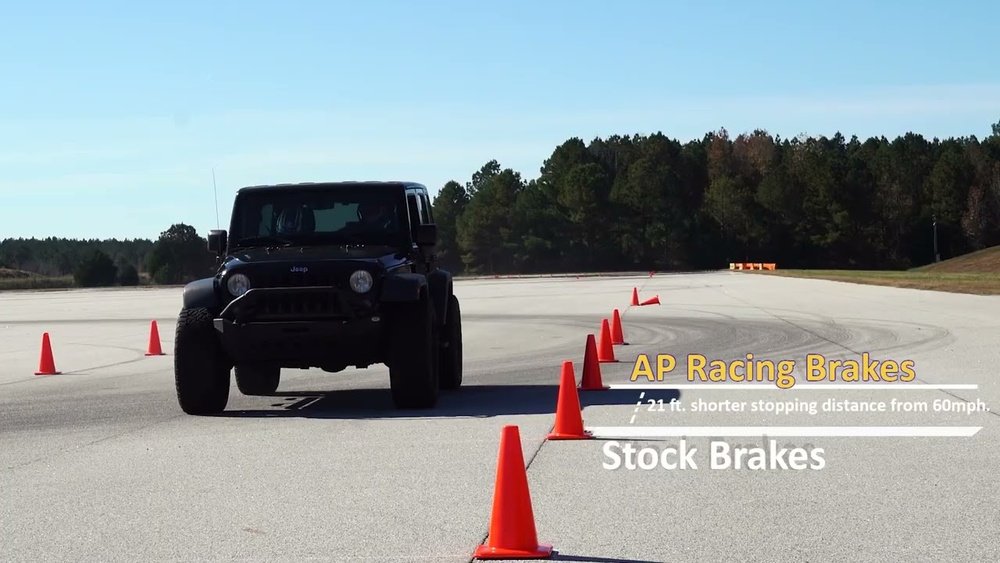
- Upgrades can enhance stopping power: High-performance brake pads, rotors, and better tires can significantly reduce braking distances.
- Driving habits matter: Maintaining safe following distances and driving at appropriate speeds for conditions are essential for preventing situations where maximum braking is required.
Understanding The Physics Of Braking
Stopping a vehicle is a complex interplay of forces and physics. When you press the brake pedal, hydraulic pressure is generated, forcing brake pads to clamp down on brake rotors.
This friction converts the kinetic energy of the moving vehicle into heat, slowing it down.
Several key principles dictate how quickly this process occurs.
Kinetic Energy And Stopping Power
The kinetic energy of a vehicle is directly proportional to its mass and the square of its velocity. This means that doubling your speed quadruples the energy that needs to be dissipated by the brakes.
Consequently, a vehicle traveling at 60 mph will require significantly more distance to stop than one traveling at 30 mph.
This is why speed limits are not arbitrary and why exceeding them dramatically increases stopping distances and the risk of accidents.
Friction: The Cornerstone Of Braking
Friction between the brake pads and rotors is the primary mechanism for converting kinetic energy into heat. The coefficient of friction for the brake pad material, the condition of the rotors (smoothness, temperature), and the pressure applied to the pedal all play critical roles. Similarly, the friction between the tires and the road surface is what ultimately stops the vehicle from moving. If the tires lose traction (lock up or skid), braking effectiveness is severely compromised, often leading to extended stopping distances.
Factors Influencing Braking Distance
Several variables directly impact how far your Jeep will travel before coming to a complete stop. Understanding these is the first step to managing and improving your vehicle’s braking performance.
Speed
As mentioned, speed is arguably the most significant factor. The faster you go, the more kinetic energy your Jeep possesses, and the longer it will take to dissipate that energy through braking.
Regulations and testing standards often specify testing at certain speeds (e.
g. , 60 mph or 100 km/h) to provide comparable data.
Tire Condition And Type
Tires are your Jeep’s only contact with the road. Their tread depth, tire pressure, and compound directly affect the amount of friction they can generate. Worn tires with shallow tread have reduced grip, especially in wet conditions. Aggressive off-road tires might offer excellent traction on loose surfaces but can sometimes exhibit longer dry-pavement stopping distances compared to performance street tires due to their blocky tread patterns and softer compounds. Conversely, well-maintained tires with adequate tread depth are crucial for optimal braking. For information on tire choices, consider exploring guides on off-road wheels for your Jeep.
Brake System Health
The entire brake system must be in peak condition. This includes:
- Brake Pads: Worn or glazed brake pads lose their ability to generate sufficient friction.
- Brake Rotors: Warped, grooved, or worn-down rotors can reduce contact area and heat dissipation, impacting braking performance.
- Brake Fluid: Old or contaminated brake fluid can boil under heavy use, reducing hydraulic pressure and leading to a spongy pedal. Regular fluid flushes are essential.
- Brake Lines and Calipers: Leaks or sticking calipers can prevent brakes from applying or releasing properly.
Vehicle Weight
A heavier vehicle has more inertia and kinetic energy at any given speed. Therefore, a fully loaded Jeep, perhaps with passengers, cargo, or towing a trailer, will have a longer braking distance than the same Jeep driven unloaded.
This is a critical consideration for drivers who frequently carry heavy loads or tow.
Road Surface And Conditions
The type of road surface and its condition play a massive role.
- Dry Asphalt: Offers the best traction for most tires.
- Wet Surfaces: Significantly reduce friction, increasing braking distances. Hydroplaning is a major concern.
- Gravel/Dirt: Offers less consistent friction than asphalt.
- Ice/Snow: Drastically reduces traction, making controlled stopping extremely difficult.
- Contaminants: Oil, sand, or debris on the road can also reduce tire grip.
Suspension
While not directly part of the braking system, a healthy suspension contributes to effective braking by keeping the tires in consistent contact with the road surface, especially over uneven terrain. Issues with shocks or struts can cause the vehicle to bounce, reducing tire contact and extending stopping distances.
Typical Jeep Braking Distances
Providing exact braking distances for every Jeep model under every conceivable condition is impossible, as testing methodologies and environmental factors vary widely. However, we can look at general figures and trends based on automotive testing and manufacturer specifications.
It's important to note that these are estimates and real-world performance can differ.
Jeep Wrangler
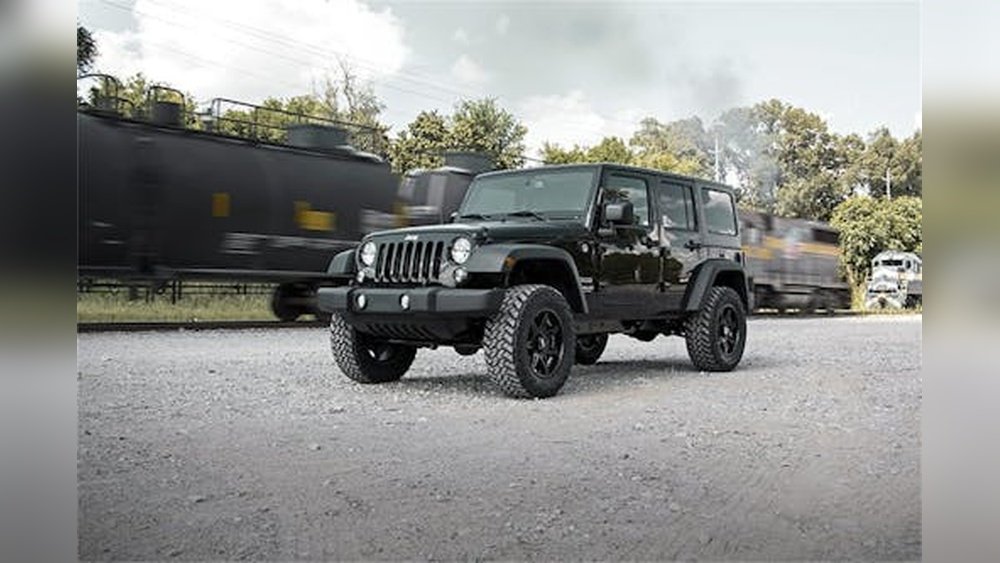
The Jeep Wrangler, particularly models like the Wrangler JK and JL, is designed with off-road capability as a primary focus. Its often larger, more aggressive tires and robust suspension can influence on-road braking distances compared to more road-oriented SUVs.
- Stock Wrangler (e.g., Rubicon, Sahara): From 60 mph on dry pavement, a stock Jeep Wrangler typically stops within 120-140 feet. This can increase significantly in wet conditions or with less aggressive tires. The heavier Rubicon models, especially with larger off-road tires, might be at the higher end of this range.
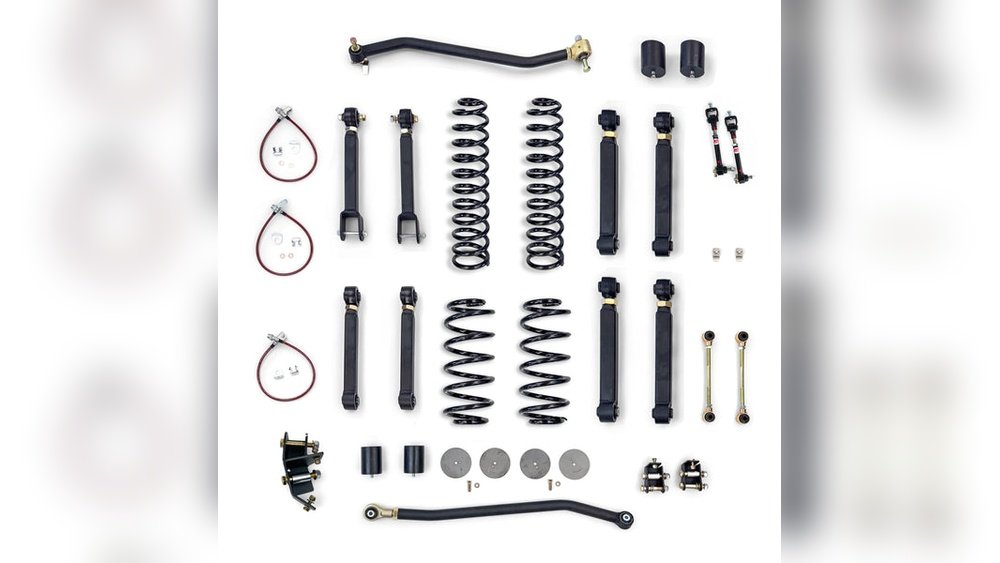
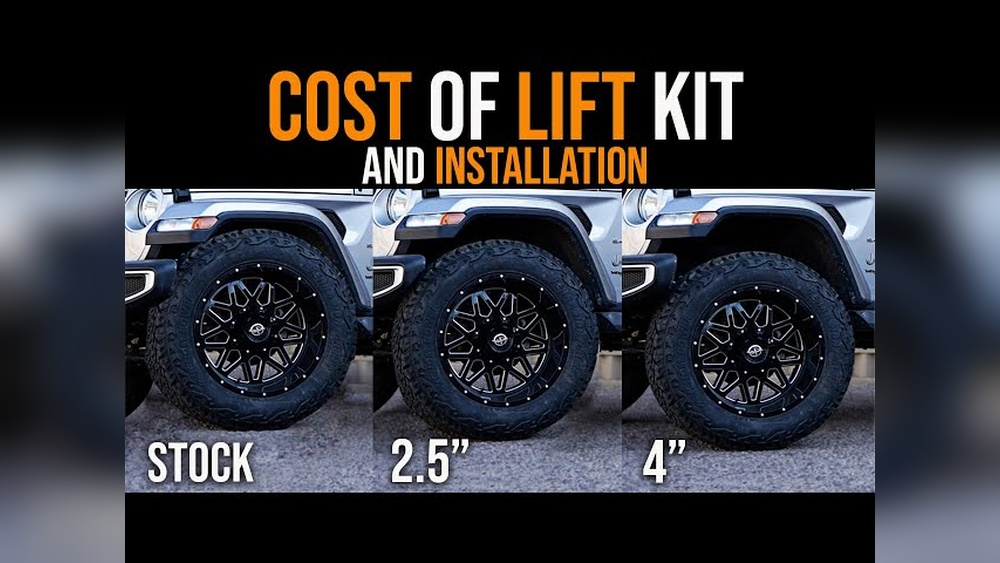
- Modified Wranglers: Modifications such as larger tires, lift kits, or heavier aftermarket bumpers can increase braking distance due to added weight and altered aerodynamics. Conversely, upgrades to the braking system itself can reduce it. Consider how modifications like wheel spacers might affect handling and braking dynamics.
Jeep Grand Cherokee
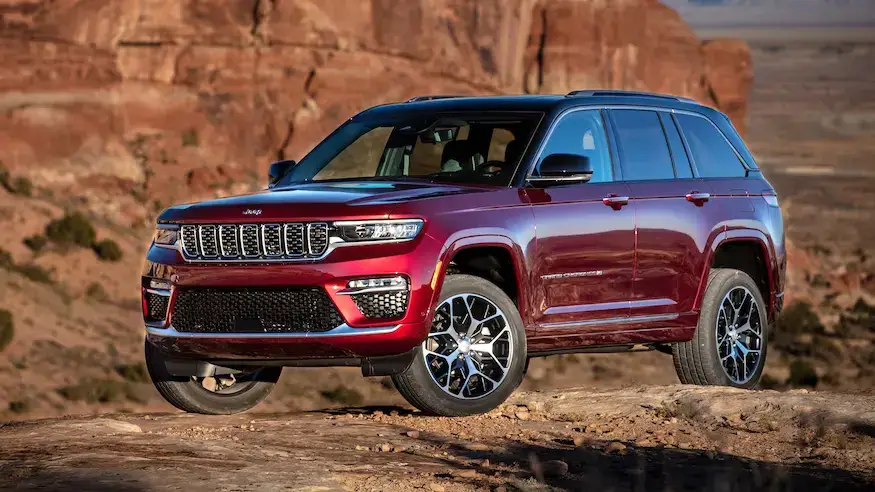
The Jeep Grand Cherokee is a more road-biased SUV, blending comfort with capability. It generally exhibits better on-road braking performance than the Wrangler due to its more aerodynamic design, often more road-focused tires, and a chassis tuned for highway driving.
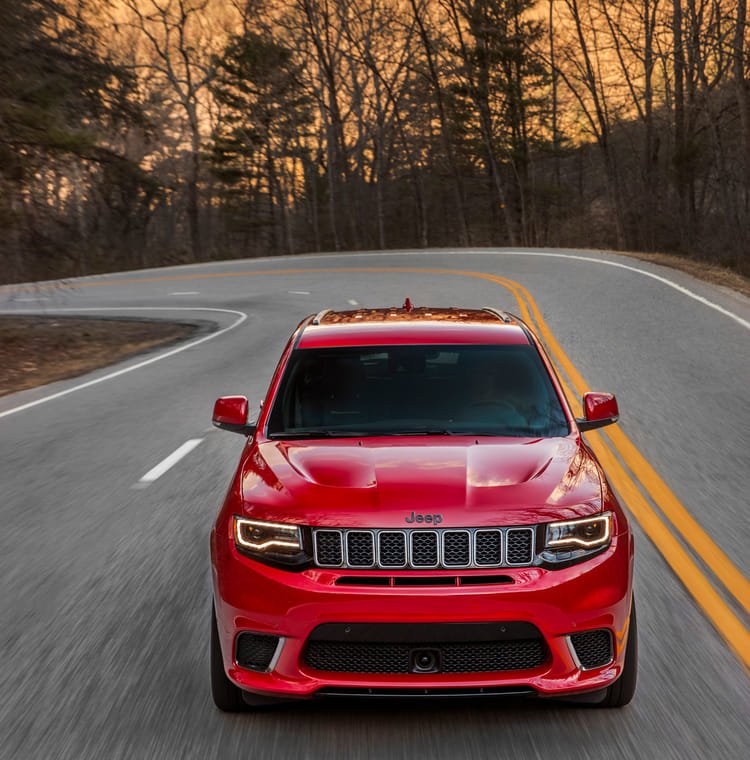
- Stock Grand Cherokee (e.g., Limited, Overland): From 60 mph on dry pavement, a stock Jeep Grand Cherokee typically stops within 110-130 feet. Higher-performance trims like the Grand Cherokee SRT or Trackhawk, equipped with larger brakes and performance tires, can achieve even shorter distances, sometimes dipping below 100 feet.
- Towing and Heavy Loads: When towing or heavily loaded, the Grand Cherokee’s braking distance will naturally increase. The factory-rated towing capacity should always be respected, and drivers should allow extra stopping room.
Jeep Cherokee (kl/xj)
The Jeep Cherokee (referring to models like the KL or the classic XJ) offers a balance between compact SUV practicality and Jeep’s legendary capability.
- Stock Cherokee (KL): From 60 mph on dry pavement, a typical Jeep Cherokee KL model stops within 115-135 feet.
- Stock Cherokee (XJ): Older XJ models, depending on their age and maintenance, might have slightly longer braking distances, often in the 130-150 feet range from 60 mph, assuming good maintenance. The availability of modern braking technology in newer models contributes to shorter stops. For maintenance considerations on older models, understanding your fuel filter can be part of overall engine health that indirectly affects vehicle performance.
Comparison Table: Estimated Braking Distances (60 Mph To 0 Mph, Dry Pavement)
| Jeep Model | Estimated Braking Distance (Feet) | Notes |
|---|---|---|
| Jeep Wrangler (Stock) | 120 – 140 | Varies by trim (Rubicon often longer due to tires/weight). |
| Jeep Grand Cherokee | 110 – 130 | Generally shorter than Wrangler due to road-biased design. |
| Grand Cherokee SRT/Trackhawk | < 100 (Est.) | High-performance variants with upgraded braking systems. |
| Jeep Cherokee (KL) | 115 – 135 | Balanced performance for a compact SUV. |
| Jeep Cherokee (XJ) | 130 – 150 (Est.) | Older models, highly dependent on maintenance and component wear. |
*Note: These are estimated figures for comparison and may vary significantly based on specific vehicle condition, tires, and testing environment.*
Maintaining Optimal Braking Performance
Preventative maintenance is the most effective strategy for ensuring your Jeep’s braking system performs reliably and stops within expected distances. Neglecting routine checks can lead to a gradual decline in performance and, more importantly, compromise safety.
Regular Inspections
Schedule regular visual inspections of your brake system. This can often be done during routine oil changes or tire rotations. Look for:
- Brake Pad Thickness: Check the remaining pad material. Most pads have a minimum thickness specification.
- Rotor Condition: Inspect for deep grooves, scoring, or signs of warping (like a blueish discoloration from overheating).
- Brake Fluid Level and Condition: Ensure the fluid reservoir is at the correct level and the fluid itself is clear, not dark or murky.
- Leaks: Check for any signs of brake fluid leaks around the calipers, lines, or master cylinder.
Replacing Worn Components
- Brake Pads and Rotors: When brake pads reach their minimum thickness, they should be replaced. It’s often recommended to replace rotors at the same time, especially if they show signs of wear or damage. Using quality replacement parts is crucial.
- Brake Fluid Flush: Brake fluid absorbs moisture over time, lowering its boiling point and increasing the risk of brake fade. Manufacturers recommend flushing and replacing the brake fluid every 2-3 years or as per the owner’s manual.
- Brake Lines: Inspect rubber brake lines for cracks or swelling, and metal lines for corrosion. Replace any that show signs of degradation.
Tire Maintenance
Proper tire care directly impacts braking.
- Tread Depth: Ensure your tires have adequate tread depth. The legal minimum is typically 2/32 of an inch, but performance decreases significantly long before that. Replace tires when tread is worn.
- Tire Pressure: Maintain correct tire pressure as recommended by the manufacturer. Under-inflated tires can affect handling and braking, while over-inflated tires reduce the contact patch and grip.
- Rotation: Regularly rotate your tires to ensure even wear, maximizing their lifespan and maintaining consistent braking performance across all four wheels.
Enhancing Jeep Braking Distance
For drivers who demand more from their Jeep’s braking system, or for those who have modified their vehicles in ways that affect stopping power, upgrades are available. These can range from simple component replacements to complete system overhauls.
High-performance Brake Pads
Upgrading to performance brake pads can offer a higher coefficient of friction, better heat resistance, and improved stopping power, especially under demanding conditions. Different compounds cater to various needs:
- Street Performance: Offer a good balance of stopping power and everyday drivability, with less dust than racing pads.
- Track/Racing: Provide maximum stopping power and heat resistance but can be noisy, dusty, and wear rotors faster.
Slotted Or Drilled Rotors
- Slotted Rotors: Help to sweep away dust and gas that can build up between the pad and rotor, maintaining better contact and reducing fade.
- Drilled Rotors: Also help with heat dissipation and gas/dust expulsion, but can be more prone to cracking under extreme stress compared to slotted or plain rotors.
Stainless Steel Brake Lines
Replacing rubber brake lines with braided stainless steel lines offers several advantages. They are more resistant to expansion under pressure, providing a firmer, more consistent pedal feel and potentially reducing stopping distances slightly by ensuring hydraulic pressure is applied more directly and quickly.
Performance Brake Fluid
Using a high-temperature brake fluid (DOT 4 or DOT 5. 1) can increase the boiling point of the fluid, making the braking system more resistant to fade during heavy use, such as descending long grades or repeated hard stops.
Upgraded Tires
As discussed, tires are critical. Equipping your Jeep with high-quality performance tires, even if you don’t plan on extreme off-roading, can significantly improve grip on dry and wet pavement, leading to shorter braking distances. For those who prioritize off-road capability, choosing the right balance between off-road traction and on-road braking performance is key. Consider options for tires that can offer versatility.
Big Brake Kits
For the ultimate in stopping power, especially for heavily modified Jeeps, off-road racing applications, or towing heavy loads, a big brake kit is the most comprehensive solution. These kits typically include larger calipers, larger rotors, and custom mounting brackets, offering vastly superior performance but at a higher cost.
Driving Habits And Safety
Beyond the mechanical aspects of your Jeep’s braking system, your driving habits play a crucial role in preventing accidents and ensuring safety.
Maintain Safe Following Distances
The "three-second rule" is a good baseline for maintaining a safe distance from the vehicle ahead. Increase this distance in adverse conditions like rain, fog, or when following large vehicles that may obscure your view.
This buffer gives you ample time to react and brake smoothly if the vehicle in front stops suddenly.
Adjust Speed For Conditions
Always adjust your speed according to road conditions, visibility, and traffic. Driving at excessive speeds, especially in unfamiliar areas or poor weather, dramatically increases the risk associated with longer braking distances.
Anticipate Traffic Flow
Scan the road ahead and anticipate potential hazards or changes in traffic speed. Look for brake lights, merging traffic, or pedestrians.
By anticipating, you can often adjust your speed gradually rather than relying on sudden, hard braking.
Understand Your Jeep’s Capabilities
Familiarize yourself with your specific Jeep model's handling and braking characteristics. If you've made modifications, understand how they might affect performance.
For example, a lifted Jeep with larger tires might have a higher center of gravity and altered braking dynamics. For those interested in how modifications can enhance a Jeep, exploring a Jeep build can offer insights.
Load Management
If you frequently tow or carry heavy loads, be acutely aware of the increased braking distance required. Ensure your trailer brakes are properly adjusted and that your Jeep’s braking system is in excellent condition.
Real-world Scenarios
Let’s consider a couple of scenarios where understanding braking distance is critical:
Scenario 1: Emergency Stop on Highway
Imagine you're driving your Jeep Grand Cherokee at 70 mph on the highway, and the car in front of you suddenly brakes hard due to an obstruction. If your braking system is in good condition and you have adequate following distance, you might be able to stop safely.
However, if your brake pads are worn, or you're tailgating, the extra 20-30 feet needed to stop could mean the difference between a near miss and a collision. This highlights why regular maintenance, as discussed in our guide to wheel bearings, is crucial for overall vehicle safety.
Scenario 2: Descending a Steep Mountain Grade
A Jeep Wrangler owner is descending a long, steep mountain road with a trailer. Relying solely on the brakes can lead to overheating and brake fade.
In this situation, the driver should utilize lower gears (engine braking) to help control speed, reducing the load on the brakes.
This technique, combined with occasional braking to maintain control, prevents the brakes from reaching critical temperatures and losing effectiveness. Understanding how to manage different driving conditions is key to safe operation.
Frequently Asked Questions
How Does Tire Pressure Affect Jeep Braking Distance?
### Improper tire pressure can significantly impact braking distance. Under-inflated tires have a larger contact patch but can also flex excessively, reducing responsiveness and potentially increasing stopping distances. Over-inflated tires have a smaller contact patch, meaning less rubber is gripping the road, which also compromises braking effectiveness, especially in wet conditions. Maintaining the manufacturer’s recommended tire pressure ensures optimal contact and grip for the shortest possible braking distance.
Can Driving With A Full Tank Of Gas Increase My Jeep’s Braking Distance?
### Yes, a full tank of gas adds weight to the vehicle, and as we’ve discussed, increased vehicle weight leads to increased kinetic energy and thus a longer braking distance. While the difference might be marginal for a typical passenger car, for vehicles like Jeeps that can be used for towing or carrying significant loads, every bit of weight contributes. The effect is more pronounced at higher speeds.
What Is Brake Fade, And How Can I Prevent It In My Jeep?
### Brake fade is the reduction in braking performance that occurs when the brake system overheats. This is common during prolonged or heavy braking, such as descending steep hills or during track driving. Overheating causes the brake fluid to boil or the pads/rotors to lose their optimal friction properties. To prevent it, use lower gears for engine braking on descents, ensure your brake fluid is fresh and has a high boiling point (e.g., DOT 4 or higher), and consider upgrading to performance brake pads and rotors if you frequently encounter situations that cause overheating.
How Much Does A Jeep Wrangler’s Braking Distance Typically Increase When Going From Dry To Wet Pavement?
### Braking distance can increase dramatically on wet pavement. While exact figures vary widely based on tire tread, tire condition, and the specific amount of water on the road, expect braking distances to increase by 40-50% or even more when transitioning from dry to wet conditions. This is due to the reduced friction between the tires and the road surface, as water acts as a lubricant. Ensuring your tires have good tread depth is paramount for wet-weather braking.
Are Aftermarket Brake Kits Worth The Investment For A Daily-driven Jeep?
### For most daily-driven Jeeps, especially those that are not heavily modified or used for towing heavy loads, a full aftermarket brake kit might be overkill. Regular maintenance and potentially upgrading to high-quality pads, rotors, and performance brake fluid are usually sufficient to maintain excellent stopping power for everyday driving. However, if you frequently tow, carry heavy loads, or drive in demanding conditions, or if you’ve significantly increased your Jeep’s power or weight, an aftermarket kit can provide a crucial safety margin and enhanced performance.
The ability of your Jeep to stop effectively is a critical aspect of its overall safety and performance. By understanding the factors that influence braking distance, maintaining your vehicle’s brake system diligently, and adopting safe driving habits, you can ensure your Jeep remains a reliable and secure vehicle, whether you’re exploring city streets or venturing off the beaten path.
Regular checks, timely replacements, and awareness of your vehicle’s capabilities are your best tools for confident and safe braking.