Enhance Your Jeep: A Deep Dive Into Aftermarket Parts
Your Jeep is more than just a vehicle; it's a symbol of adventure, freedom, and capability. Whether you own a classic CJ, a rugged Wrangler, a versatile Cherokee, or a modern Gladiator, the desire to personalize and improve its performance is strong.
This is where Jeep aftermarket parts come into play. These parts, designed and manufactured by companies other than the original equipment manufacturer (OEM), offer a vast world of upgrades, from aesthetic enhancements to serious performance boosts.
They allow you to tailor your Jeep to your specific needs, whether that's conquering challenging off-road trails, improving daily driving comfort, or simply making a bold style statement.
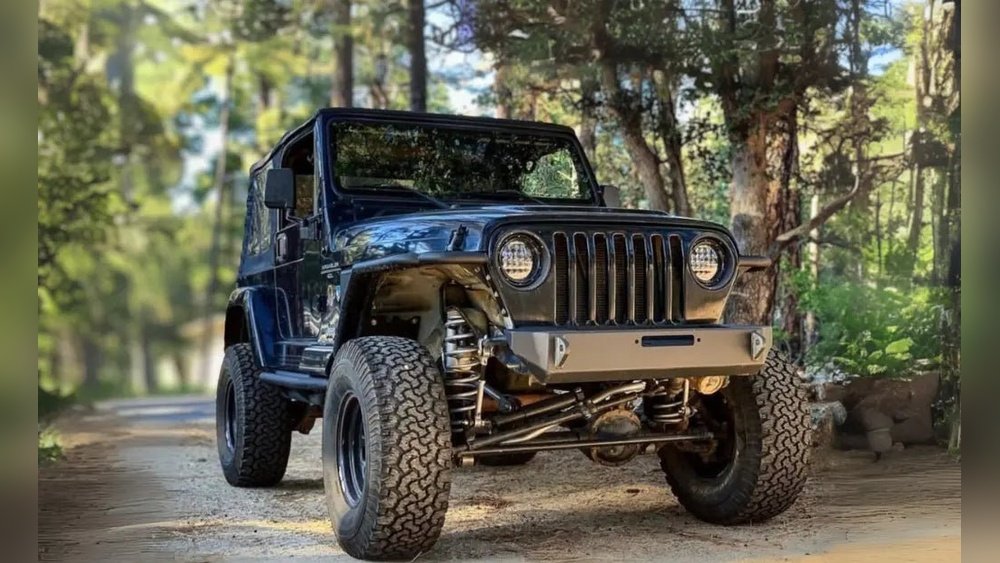
Understanding the landscape of Jeep aftermarket parts can seem overwhelming, but with the right knowledge, you can make informed decisions that will transform your Jeep into the ultimate expression of your off-road dreams or daily driving needs.
The aftermarket industry for Jeeps is enormous, reflecting the passionate community surrounding these iconic vehicles. Enthusiasts often see their Jeeps as blank canvases, ready to be customized.
This leads to a constant innovation in the parts available. From lifts and tires that prepare your Jeep for extreme terrain to custom lighting that cuts through the darkest nights, and interior upgrades that boost comfort and utility, the options are nearly endless.
This article will guide you through the most popular and impactful Jeep aftermarket parts, explaining what they do, why you might need them, and what to look for when making your choices. We’ll cover everything from essential performance upgrades to stylish accessories, helping you build a Jeep that’s uniquely yours.
Lifting Your Jeep: Gaining Altitude And Capability
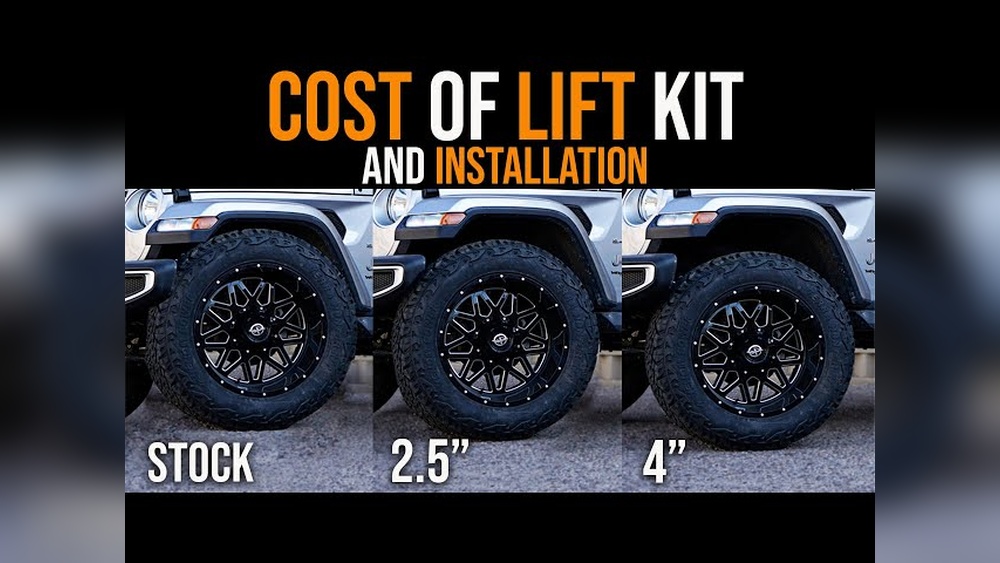
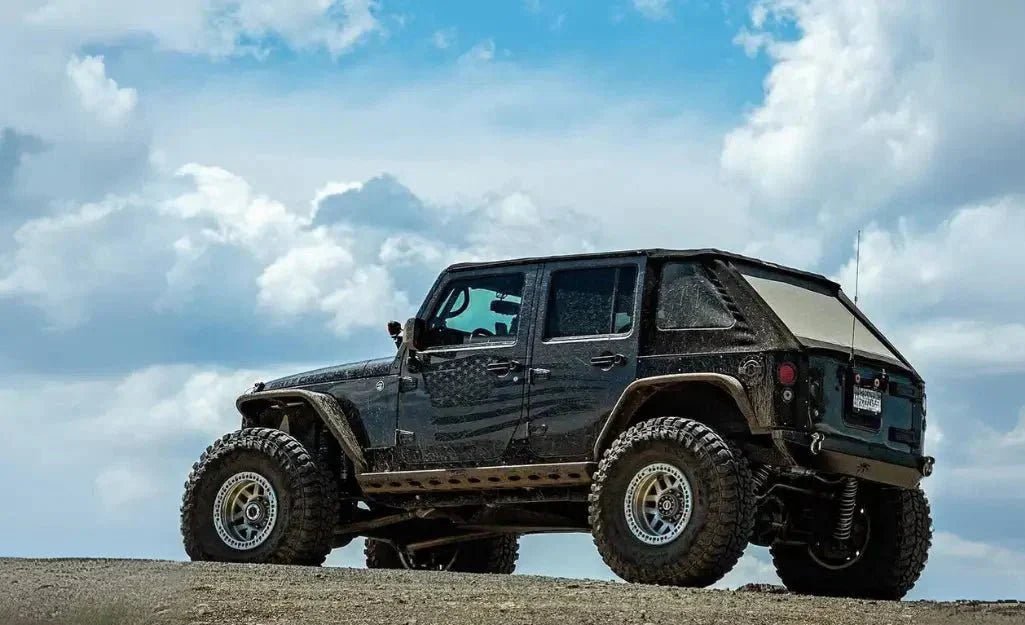
One of the most popular aftermarket modifications for Jeeps is a suspension lift kit. These kits raise the vehicle’s body and chassis higher off the ground. The primary benefit is increased ground clearance, which is crucial for off-roading. Higher clearance means your Jeep can navigate over larger obstacles like rocks, logs, and uneven terrain without scraping or damaging the undercarriage.
Types Of Lift Kits
There are several types of lift kits, each offering different advantages:
- Spacers/Blocks: These are the simplest and most affordable lift options. They are typically installed on top of the existing suspension components (like coil springs or leaf springs) to add height. While they are budget-friendly and easy to install, they don’t improve suspension performance and can sometimes lead to a harsher ride.
- Coil Spring Lifts: These kits involve replacing the stock coil springs with longer, stiffer ones. They offer a noticeable improvement in ride quality and off-road performance compared to spacers. They are a popular choice for many Jeep owners looking for a balanced upgrade.
- Long Arm Lifts: These are more complex and expensive systems designed for serious off-roading. They replace the short stock control arms with much longer ones, which significantly improves suspension articulation (the ability of the suspension to flex and conform to the terrain). This allows your tires to maintain contact with the ground over very rough surfaces, providing better traction and a smoother ride over extreme obstacles.
- Leaf Spring Lifts: Primarily found on older Jeep models like the CJ and some Wranglers, these kits involve replacing or modifying the leaf springs to achieve lift.
What To Consider When Buying A Lift Kit
When choosing a lift kit, consider the intended use of your Jeep. For light trails and a more aggressive look, a 2-3 inch lift might be sufficient. For serious rock crawling or overlanding, a 4-6 inch lift or a long arm kit could be more appropriate. Also, factor in the tire size you plan to run. Larger tires require more lift to prevent rubbing against the fenders and body, especially when the suspension is compressed. Be aware that taller lifts may require other modifications, such as adjustable control arms, longer brake lines, and driveshaft modifications, to ensure proper alignment and prevent driveline vibrations.

Wheels And Tires: The Foundation Of Performance
The right wheels and tires are critical for both the look and the capability of your Jeep. Aftermarket wheels come in a vast array of styles, materials, and sizes, while tires are designed for specific terrains and driving conditions.
Aftermarket Wheels
Aftermarket wheels can significantly change your Jeep's appearance. They are often made from lighter materials like aluminum alloy, which can reduce unsprung weight, potentially improving handling and fuel efficiency.
Common styles include beadlock-style wheels (which help keep tires seated on the rim at low pressures), deep dish designs, and various spoke patterns.
- Material: Aluminum alloy is common for its strength-to-weight ratio. Steel wheels are heavier but often more durable and easier to repair in remote locations.
- Bolt Pattern: Ensure the bolt pattern matches your Jeep’s hub.
- Offset/Backspacing: This affects how far the wheel sits in or out from the hub. Incorrect offset can cause tire rub or require wheel spacers.
- Size: Larger diameter wheels (e.g., 17-inch, 18-inch, 20-inch) are popular, but remember that larger wheels often mean less sidewall on the tire, which can reduce off-road comfort and capability.
Off-road Tires
Choosing the right tires depends heavily on where you’ll be driving:
- All-Terrain (AT) Tires: These are the most versatile option, designed to perform well on pavement, dirt roads, and light to moderate off-road trails. They offer a good balance of on-road comfort and off-road traction.
- Mud-Terrain (MT) Tires: Featuring aggressive, widely spaced tread blocks, MT tires provide maximum traction in mud, rocks, and loose dirt. However, they can be noisy on the highway and wear faster on pavement.
- Hybrid Tires: Some tires blend features of AT and MT tires, offering aggressive looks and improved off-road performance without the extreme compromises of pure MT tires.
- Winter Tires: For colder climates, dedicated winter tires offer superior grip on snow and ice.
Pro Tip: When selecting larger tires, consider re-gearing your Jeep’s differentials. Larger tires require more torque to turn, and re-gearing can restore lost acceleration and improve fuel economy.
Protection: Shielding Your Investment
Off-roading can be tough on your Jeep. Aftermarket skid plates, bumpers, and rock sliders provide essential protection for critical components.
Skid Plates
These are metal plates (usually steel or aluminum) that mount underneath your Jeep to protect the engine oil pan, transmission, transfer case, fuel tank, and differential housings from impacts with rocks and debris.
- Material: Steel offers maximum durability but adds significant weight. Aluminum is lighter and corrosion-resistant but can be more expensive and dent more easily.
- Coverage: Full sets offer comprehensive protection, while individual plates can protect specific vulnerable areas.
Aftermarket Bumpers
Beyond aesthetics, aftermarket bumpers offer increased approach and departure angles, allowing you to clear obstacles more easily. Many also incorporate features like winch mounts, D-ring recovery points, and auxiliary lighting mounts.
- Stinger Bumpers: These have a raised bar extending forward, providing excellent protection against rollovers and frontal impacts.
- Stubby Bumpers: These are shorter, offering better approach angles without significantly increasing the vehicle’s overall length.
- Full-Width Bumpers: These offer maximum protection and often integrate fog lights and a wider appearance.
Rock Sliders
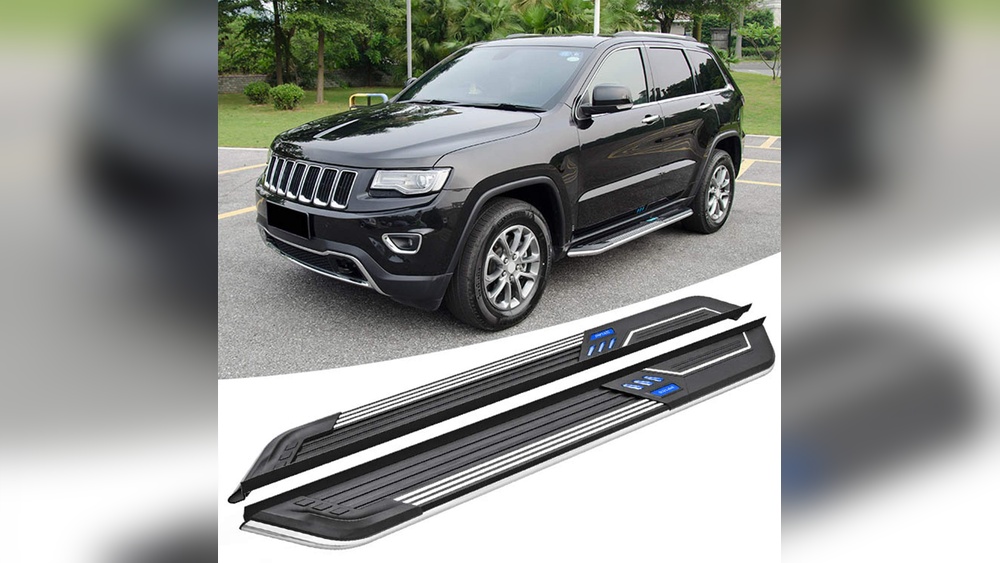
Installed along the sides of the vehicle, typically below the doors, rock sliders protect the rocker panels from damage when navigating narrow trails or sliding sideways against obstacles. They are usually made of sturdy steel tubing or plate.
Lighting Upgrades: See And Be Seen
Improved lighting is a practical and safety-enhancing upgrade for any Jeep, especially for those who venture off-road at night or in adverse weather conditions.
Led Light Bars And Pods
LED (Light Emitting Diode) technology has revolutionized vehicle lighting. LED light bars and pods are incredibly bright, energy-efficient, and durable. They can be mounted on the bumper, windshield, or roof rack to provide powerful forward illumination.
- Spot Beam: Concentrates light into a narrow, long-distance beam.
- Flood Beam: Spreads light over a wide area for close-range visibility.
- Combination: Many bars offer both spot and flood patterns.
Auxiliary Headlights And Fog Lights
Upgrading to brighter, more powerful headlights or adding dedicated off-road fog lights can make a significant difference. Many aftermarket fog lights are designed to cut through dust, fog, and heavy rain more effectively than standard headlights.
Reverse Lights
When backing up on a trail or in low-visibility conditions, good reverse lights are essential for safety. Many aftermarket kits are available that are brighter and more robust than factory options.
Example: Installing a 20-inch LED light bar across the top of your windshield can dramatically increase your visibility on night drives, allowing you to spot hazards far sooner.
Performance Enhancements: More Power And Better Handling
Beyond suspension and tires, several aftermarket parts can boost your Jeep’s engine performance, braking, and exhaust systems.
Cold Air Intakes (cai)
A cold air intake system replaces your Jeep’s restrictive factory air intake with a less restrictive design, often featuring a larger, conical air filter. The goal is to draw cooler, denser air into the engine, which can lead to a slight increase in horsepower and torque, as well as a more aggressive engine sound.
Exhaust Systems
Aftermarket exhaust systems can improve exhaust flow, reduce backpressure, and enhance the engine’s sound. Options range from simple muffler replacements to full cat-back systems. While they can offer modest performance gains, many owners opt for them primarily for the improved exhaust note.
Performance Chips And Tuners
These electronic devices plug into your Jeep's OBD-II port or ECU to modify engine parameters. They can be programmed to optimize fuel delivery, ignition timing, and other settings for increased power, improved throttle response, or better fuel economy.
Some tuners also allow you to monitor engine data and adjust settings for different driving conditions or fuel octanes.
Upgraded Brakes
For Jeeps that are lifted, carry heavy loads, or are used for demanding off-roading, upgraded brake systems are a worthwhile investment. This can include larger rotors, performance brake pads, and stainless steel brake lines, all of which contribute to improved stopping power and heat dissipation, reducing the risk of brake fade.
Interior Upgrades: Comfort And Utility
The interior of your Jeep can also be significantly enhanced with aftermarket parts, focusing on comfort, storage, and functionality.
Seat Covers
Protecting your original seats from mud, water, and wear is crucial, especially for off-road use. Aftermarket seat covers are available in various durable materials like neoprene, canvas, and synthetic fabrics, offering both protection and a refreshed look.
Floor Mats And Liners
Heavy-duty all-weather floor mats or liners are essential for keeping your Jeep’s interior clean. Made from rubber or durable plastic, they trap mud, water, snow, and debris, preventing damage to the carpet. Many are custom-molded to fit specific Jeep models perfectly.
Storage Solutions
Jeeps, particularly Wranglers, can benefit from increased storage. Aftermarket solutions include:
- Cargo Racks and Organizers: For the rear cargo area, organizers can help keep gear tidy. Roof racks provide external storage for larger items.
- Seat-Back Pouches: These attach to the back of your front seats, offering quick access to tools, maps, or personal items.
- Console Organizers: Small inserts that fit into the center console can help manage smaller items.
- Tailgate Tables: For overlanding or camping, a fold-down tailgate table provides a convenient prep surface.
Upgraded Audio Systems
While not directly related to off-road performance, an upgraded stereo system can greatly enhance the driving experience. This can range from replacing factory speakers with higher-quality units to installing a new head unit with modern features like Apple CarPlay and Android Auto.
Essential Accessories For The Trail
Beyond the major components, several smaller accessories can make a big difference in your off-road experience.
Recovery Gear
If you plan to off-road, recovery gear is non-negotiable. This includes:
- Tow Straps and Recovery Straps: Used to pull a stuck vehicle.
- Shackles (D-Rings): Connect tow straps to bumpers or frame-mounted recovery points.
- Winch: For self-recovery or assisting others.
- Hi-Lift Jack: A versatile tool for lifting, winching, and prying.
- Traction Boards: Placed under tires to provide grip on slippery surfaces.
Warning: Always use recovery gear correctly and with proper safety precautions. Ensure everyone is clear of the area during a recovery operation.
Performance Air Compressors
For off-roaders who air down their tires for better traction on loose surfaces, a portable air compressor is essential for re-inflating them before returning to paved roads. Look for compressors with a high CFM (cubic feet per minute) rating for faster inflation.
Off-road Mirrors
When running without doors or with the doors removed, you’ll need aftermarket mirrors. These are designed to mount securely to the A-pillar or windshield frame, providing visibility of what’s behind you.
Where To Buy Jeep Aftermarket Parts
The availability of Jeep aftermarket parts is vast, with numerous online retailers and brick-and-mortar stores specializing in Jeep accessories.
- Online Retailers: Websites like Quadratec, ExtremeTerrain, and Morris 4×4 specialize in Jeep parts and often have extensive catalogs, customer reviews, and detailed product descriptions. Many also offer expert advice.
- Manufacturer Websites: Direct from the manufacturer (e.g., ARB, Smittybilt, TeraFlex) can sometimes be an option, especially for specific product lines.
- Local 4×4 Shops: Independent shops can offer personalized service, expert installation, and advice tailored to your local conditions.
When purchasing, always verify fitment for your specific Jeep model, year, and trim level. Reading customer reviews and checking return policies can also help you make a confident purchase.
Frequently Asked Questions
What Are The Most Important Aftermarket Parts For A Beginner Jeep Owner?
For a beginner, focusing on protection and basic capability is key. This includes a good set of all-terrain tires for versatility, all-weather floor mats to protect the interior, and perhaps rock sliders or a stubby bumper for essential underbody and body protection if you plan on light trail use. A quality air compressor for tire inflation is also a smart early investment.
How Much Does It Typically Cost To Lift A Jeep?
The cost of lifting a Jeep varies greatly depending on the type and height of the lift. Simple spacer lifts can cost as little as $100-$300 for parts,