Jeep Battery Problems: Causes, Solutions, And Prevention
When your Jeep refuses to start on a cold morning or suddenly loses power off-road, the problem often points to the battery. While Jeeps are built for tough conditions, their batteries can still fail for many reasons.
If you’ve ever been stranded or worried about your Jeep’s reliability, understanding common battery issues is essential. This guide will help you spot, fix, and prevent Jeep battery problems—so you can drive with confidence wherever the trail leads.
Common Causes Of Jeep Battery Problems
Battery issues in Jeeps are more frequent than many drivers think. Understanding what causes them can help you avoid trouble.
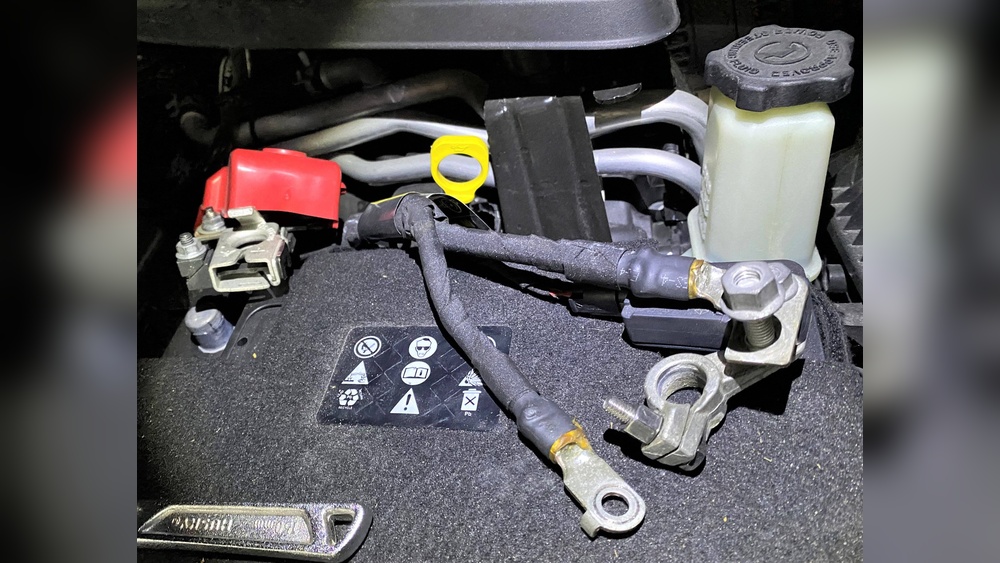
1. Old Or Worn-out Battery
Most car batteries last 3 to 5 years. Extreme temperatures, off-road vibrations, or frequent short trips can shorten this lifespan. If your Jeep’s battery is nearing this age, it’s wise to check its health.
2. Parasitic Drains
A parasitic drain happens when something in your Jeep keeps using electricity even after the engine is off. Common culprits include glove box lights, faulty relays, or aftermarket stereos.
3. Corroded Battery Terminals
Corrosion at the battery terminals can slow down or block the flow of power. This is often seen as a white or blue powder on the metal parts.
4. Faulty Alternator
The alternator charges your battery while driving. If it fails, your battery will drain quickly, even if the battery itself is new.
5. Extreme Weather
Both hot summers and freezing winters stress a car battery. Heat increases fluid evaporation, while cold weather slows the chemical reactions inside.
6. Loose Or Damaged Cables
Loose connections or damaged wires can prevent the battery from charging or delivering power to your Jeep’s systems.
Signs Your Jeep Battery Is Failing
Spotting early warning signs can save you from being stranded. Look for these common symptoms:
- Slow engine crank when starting
- Dim headlights or dashboard lights
- Clicking sound instead of engine turning over
- Need to jump-start your Jeep often
- Electrical systems (radio, windows) not working as expected
If you notice one or more of these, it’s time to check your battery.
Diagnosing Jeep Battery Problems
Knowing how to test your battery and related parts can save time and money. Here’s what you should do:
1. Visual Inspection
Look for leaks, swelling, or corrosion on the battery case and terminals.
2. Battery Voltage Test
Use a multimeter to measure voltage. A fully charged battery should read about 12.6 volts with the engine off. If it’s below 12.4 volts, your battery might be weak.
3. Load Test
Many auto parts stores offer free battery load tests. This checks how well the battery holds a charge under stress.
4. Check The Alternator
With the engine running, a good alternator should produce 13. 7–14.
7 volts at the battery. Anything lower may signal a charging issue.
Here’s a quick comparison of what voltage readings mean:
| Battery Voltage (Engine Off) | Status |
|---|---|
| 12.6V or above | Fully Charged |
| 12.4V – 12.6V | Partially Charged |
| Below 12.4V | Needs Charging or Replacement |
Fixing Common Jeep Battery Issues
When you know what’s wrong, fixing the battery becomes much easier. Here’s how to tackle common problems:
Cleaning Corroded Terminals
- Disconnect the battery (negative cable first).
- Mix baking soda and water, then use a toothbrush to scrub away corrosion.
- Dry completely and reconnect the cables tightly.
Replacing An Old Battery
- Choose a battery with the right group size and cold cranking amps (CCA) for your Jeep model.
- Secure the new battery in place and reconnect cables (positive first).
Fixing Parasitic Drains
- Remove fuses one by one while monitoring current draw with a multimeter.
- Identify the circuit causing the drain and repair or replace faulty components.
Dealing With Alternator Issues
- If your alternator is bad, replace it as soon as possible. A failing alternator can ruin a new battery quickly.
Here’s a table comparing common Jeep battery problems and solutions:
| Problem | Quick Solution |
|---|---|
| Corroded terminals | Clean with baking soda mix |
| Battery won’t hold charge | Replace battery |
| Electrical drain | Find and fix faulty circuit |
| Loose cables | Tighten or replace cables |
| Bad alternator | Replace alternator |

Preventing Jeep Battery Problems
Keeping your battery healthy saves you from headaches and unexpected expenses. Here are smart habits:
- Drive your Jeep regularly to keep the battery charged
- Turn off all lights and electronics before leaving your vehicle
- Inspect battery terminals every few months for corrosion
- Test your battery and alternator annually, especially before winter
- Avoid frequent short trips; longer drives recharge your battery better
Surprisingly, many Jeep owners forget to check the battery’s hold-down bracket. If it’s loose, off-road bumps can damage the battery from vibrations—a hidden cause of early failure.
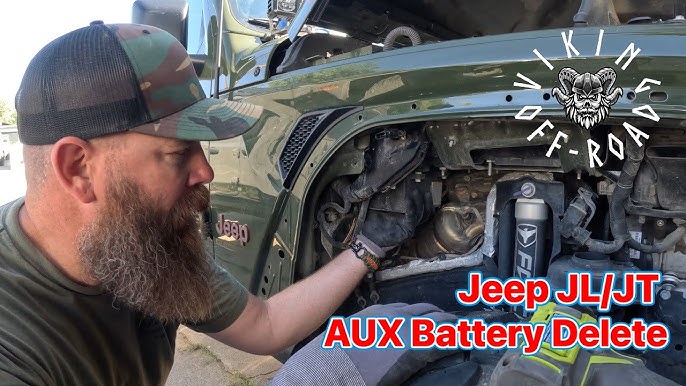
Another tip: if you add extra lights, a winch, or sound systems, consider a battery with higher CCA or even a dual battery setup.
Here’s a quick comparison of battery types for Jeeps:
| Battery Type | Pros | Cons |
|---|---|---|
| Lead-Acid | Affordable, easy to find | Heavy, shorter lifespan |
| AGM | Better vibration resistance, longer life | More expensive |
| Lithium | Lightweight, long lifespan | Very costly, needs special charging |
Frequently Asked Questions