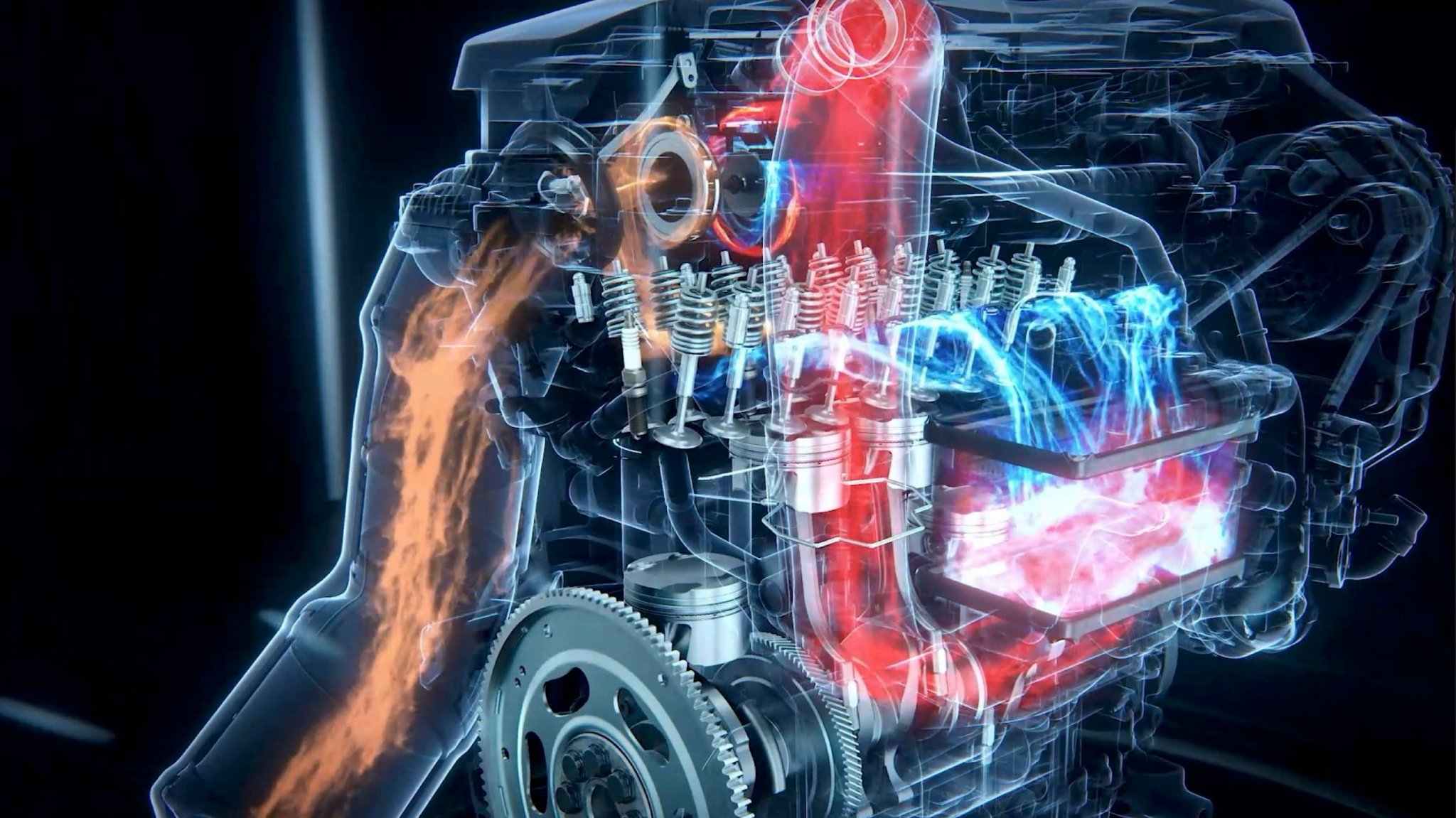
The Jeep 4.0 engine has built a reputation that many other engines can only dream about. Known for its strength and simplicity, this inline-six was the heart of Jeep vehicles for over a decade. But is its reputation for reliability justified, or is it mostly legend? Let’s dig into what makes the Jeep 4.0 engine stand out, the key factors behind its durability, and what owners should know if they’re considering a vehicle with this classic powerplant.
What Makes The Jeep 4.0 Engine Special?
The Jeep 4.0 engine (also called the AMC 242) is a 4.0-liter, straight-six gasoline engine. First appearing in 1986, it powered many models, including the Jeep Cherokee, Wrangler, and Grand Cherokee, until 2006. Its design roots go back even further, giving it a solid foundation.
This engine is famous for:
- Simple construction: Few sensors and electronics, especially in early models.
- Robust materials: Thick cast iron block and head.
- Smooth operation: Inline sixes naturally run smoother than V6s.
Now, let’s break down the four main factors that make the Jeep 4. 0 engine so reliable.
1. Long-lasting Design
The core of the engine’s reliability comes from its design. The block and head are made of cast iron, which is heavier than aluminum but far more durable. This means the engine can handle high miles and lots of heat without warping or cracking.
Another key point is the simple overhead valve (OHV) layout. Unlike modern engines with complex cams and timing chains, the 4.0 uses a single camshaft in the block and a timing chain that rarely fails. The fewer moving parts, the less can go wrong.
Example: High-mileage Survivors
Many owners report their Jeep 4.0 engines surpassing 300,000 miles with only basic maintenance. It’s common to find original engines from the 1990s still running strong today.

2. Ease Of Maintenance
A big reason for the engine’s legendary reputation is that it’s easy to work on. With fewer sensors and simple wiring, even beginners can handle basic repairs. Parts are widely available and often inexpensive.
Common maintenance tasks include:
- Oil changes
- Spark plugs and wires
- Water pump replacement
- Valve cover gasket fixes
Most jobs can be done with hand tools. This simplicity not only saves money, it encourages owners to take better care of their vehicles.
Non-obvious Insight
One detail beginners miss: the rear main seal can leak oil over time. While this is a common job for older engines, replacing it on the 4.0 is easier than on many other engines—another small but important advantage.
3. Common Weak Points
No engine is perfect, and the Jeep 4. 0 does have a few weak spots. Knowing these ahead of time helps owners prevent bigger problems.
- Exhaust manifold cracks: The original manifold can develop cracks, especially in cold climates. Replacement with an aftermarket or updated part usually solves the issue for good.
- Cooling system issues: Overheating can happen if the radiator or water pump is neglected. The cooling system should be flushed regularly and checked for leaks.
- Oil leaks: Besides the rear main seal, the valve cover and oil pan gaskets can also leak as the engine ages.
Data: Reported Problems
Here’s a quick comparison of the most common Jeep 4.0 engine issues by frequency:
| Problem Area | Frequency | Typical Fix |
|---|---|---|
| Exhaust Manifold | High | Replace with aftermarket part |
| Cooling System | Moderate | Flush and replace parts as needed |
| Oil Leaks | Moderate | Replace gaskets or seals |
Most of these issues are not serious engine failures, and parts are usually cheap and easy to find.
4. Real-world Performance And Longevity
On the road and trail, the Jeep 4.0 is known for its torque and steady power delivery. It’s not the fastest engine, but it pulls well at low speeds—perfect for off-roading and towing.
Longevity Data
Many drivers ask how long the 4.0 will last. Here’s a look at average mileage based on owner surveys:
| Mileage Reached | % of Owners |
|---|---|
| Under 150,000 miles | 15% |
| 150,000–250,000 miles | 50% |
| Over 250,000 miles | 35% |
Engines making it past 200,000 miles are common, and many reach 300,000 with proper care.
Non-obvious Insight
The 4.0’s reliability is partly because it was never over-stressed by factory tuning. Jeep kept the horsepower modest, which means internal parts are rarely pushed to their limits.
Comparison With Other Jeep Engines
How Does The 4.0 Stack Up Against Other Jeep Engines?
| Engine | Type | Known For | Reliability |
|---|---|---|---|
| 4.0 Inline-6 | OHV Inline-6 | Durability, simplicity | Excellent |
| 2.5 I4 | OHV Inline-4 | Fuel efficiency | Good |
| 3.7 V6 | SOHC V6 | Smoother running | Average |
| 4.7 V8 | SOHC V8 | Power | Fair |
The 4. 0 stands out for its balance of power, reliability, and ease of maintenance.

Practical Tips For Owners
If you already own a Jeep with the 4.0 engine, or you’re thinking about buying one, here’s how to keep it running strong:
- Use quality oil and change it every 3,000–5,000 miles.
- Inspect for leaks at every oil change, especially the rear main seal.
- Flush the cooling system every two years to prevent overheating.
- Replace the exhaust manifold if you hear ticking or see cracks.
- Don’t ignore small problems—fixing them early saves money and stress.
Also, keep in mind that older engines may need new sensors or upgraded ignition parts as they age.
Frequently Asked Questions
How Much Power Does The Jeep 4.0 Engine Make?
The Jeep 4.0 engine produces around 190 horsepower and 225 lb-ft of torque in its later versions. Early models made slightly less power, but all were tuned for low-end torque.
Is The Jeep 4.0 A Good Engine For Off-roading?
Yes, the 4.0 is excellent for off-roading. Its strong low-end torque helps with climbing hills and crawling over obstacles. The engine’s durability also handles rough conditions well.
What Oil Is Best For The Jeep 4.0 Engine?
Most owners use 10W-30 or 10W-40 conventional or synthetic oil. Always check your owner’s manual, and choose a quality oil filter to avoid clogging.
Can The Jeep 4.0 Engine Handle High Mileage?
Absolutely. With regular maintenance, the 4.0 can easily exceed 200,000–300,000 miles. Many examples on the road today have passed these marks.
Where Can I Find More Technical Details About The Jeep 4.0?
A great source for technical specs and detailed history is the Wikipedia page on the AMC straight-6 engine.
The Jeep 4. 0 engine’s reputation is well-deserved. With its simple design, easy maintenance, and proven durability, it remains one of the most reliable engines Jeep ever made. If you want a vehicle that will keep going for decades, the 4.
0 is a smart choice.