If you own a Jeep with a 4. 0-liter engine, understanding the belt diagram is essential.
The serpentine belt plays a key role in driving critical parts, such as the alternator, power steering pump, water pump, and AC compressor. A clear belt diagram helps you replace the belt correctly, avoid mistakes, and keep your engine running smoothly.
Many Jeep owners struggle to find accurate information, but this guide will break down the four main components in the Jeep 4. 0 belt diagram with practical tips and visuals.
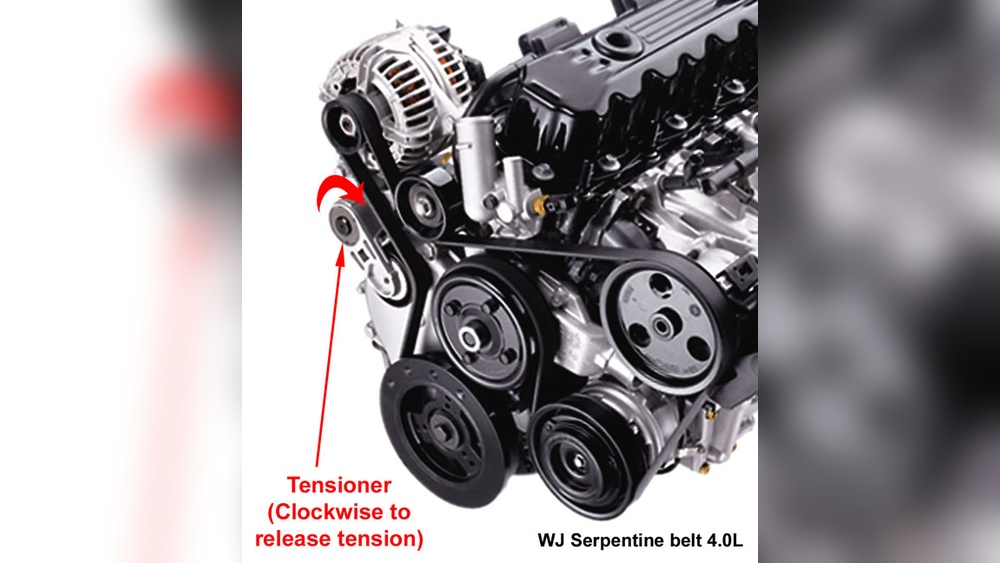
Overview Of The Jeep 4.0 Belt System
The Jeep 4.0 engine uses a single serpentine belt. This belt wraps around several pulleys, transferring engine power to important accessories. If the belt slips, cracks, or breaks, your Jeep can lose power steering, overheat, or even stop charging the battery. Knowing the routing path and pulley locations helps you fix or replace the belt faster.
Here’s a quick look at the four main items in the belt diagram:
- Alternator
- Power Steering Pump
- Water Pump
- AC Compressor
Each item needs to be understood for proper belt installation and maintenance. Let’s look at them in detail.
Alternator
The alternator is a key part of the belt system. It keeps the battery charged and powers electrical parts while the engine runs. On the Jeep 4.0 engine, the alternator sits on the passenger side, near the top.
- Belt Routing: The belt wraps over the alternator pulley, connecting it to the crankshaft. When you replace the belt, make sure it sits evenly in the grooves.
- Tension Adjustment: Many Jeep models use a tensioner bracket. If the belt squeals, it might be loose. Tighten the alternator bolts and adjust the tensioner.
- Common Mistake: Beginners often forget to check alternator alignment. A misaligned alternator can cause premature belt wear.
Example: If your headlights flicker or the battery dies quickly, check the alternator belt position first.
Power Steering Pump
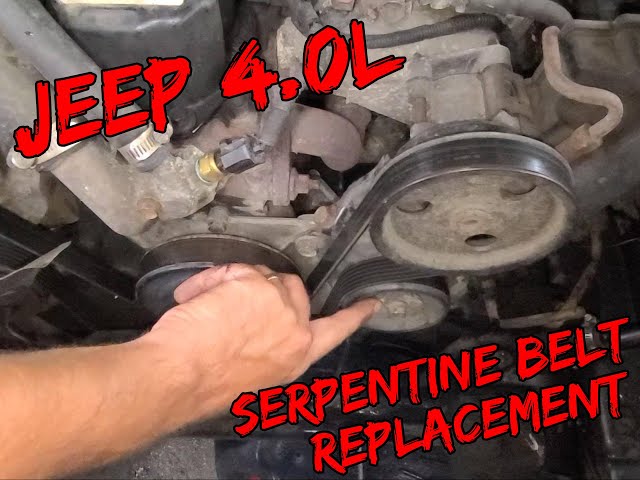
The power steering pump helps you turn the steering wheel easily. It’s located on the driver’s side, just below the alternator.
- Belt Routing: The belt loops around the power steering pulley after passing the alternator. The routing here is crucial—if the belt skips this pulley, steering will be much harder.
- Pulley Size: Different Jeep models may have slightly different pulley sizes. Always check the correct diagram for your year and model.
- Adjustment: Use the pump’s adjustment bolts to set proper tension. Too tight can damage bearings; too loose can cause belt slippage.
Data Table: Power Steering Pulley Sizes by Year
| Year | Pulley Diameter (inches) | Notes |
|---|---|---|
| 1999 | 6.5 | Standard fit |
| 2001 | 6.7 | Requires longer belt |
| 2004 | 6.5 | Same as 1999 |
Tip: If steering feels “heavy,” inspect the belt for cracks or missing ribs.
Water Pump
The water pump keeps the engine cool by circulating coolant. If the belt slips here, your Jeep can overheat quickly.
- Belt Routing: The belt passes under the water pump pulley. It must be tight and centered. If not, the pump won’t work efficiently.
- Signs of Issues: Watch for leaks around the water pump. A failing pump often shows coolant puddles under the Jeep.
- Replacement Advice: When changing the belt, also check the water pump for play in the pulley. Wobbling means it’s time for a new pump.
Comparison Table: Belt Life vs. Water Pump Condition
| Belt Age (years) | Water Pump Wear | Recommended Action |
|---|---|---|
| 1 | Minimal | Inspect only |
| 3 | Moderate | Replace belt |
| 5+ | High | Replace both belt & pump |
Insight: Many owners forget to replace the water pump when changing an old belt. This can lead to double work later.
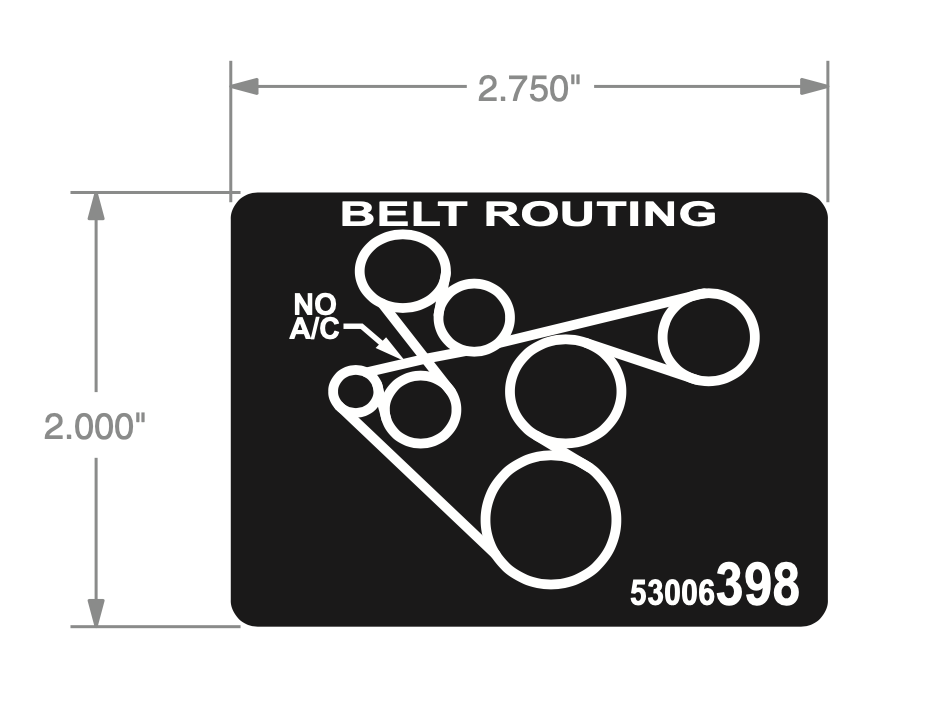
Ac Compressor
The AC compressor drives your Jeep’s air conditioning system. It sits low on the passenger side, usually near the front of the engine.
- Belt Routing: The belt passes over the AC compressor pulley. If the belt isn’t routed properly, your AC won’t work.
- Seasonal Use: In cold weather, some owners ignore the AC belt. But even if you don’t use AC often, the compressor pulley must be included in the routing.
- Compressor Clutch: The clutch can fail if the belt is too tight. If you hear clicking, check belt tension.
Data Table: AC Compressor Failure Causes
| Cause | Frequency (%) | Prevention |
|---|---|---|
| Belt too tight | 40 | Adjust tension |
| Belt misrouting | 25 | Follow diagram |
| Compressor wear | 35 | Regular inspection |
Practical Tip: If your AC blows warm air, check the belt before replacing expensive parts.
How To Read And Use A Jeep 4.0 Belt Diagram
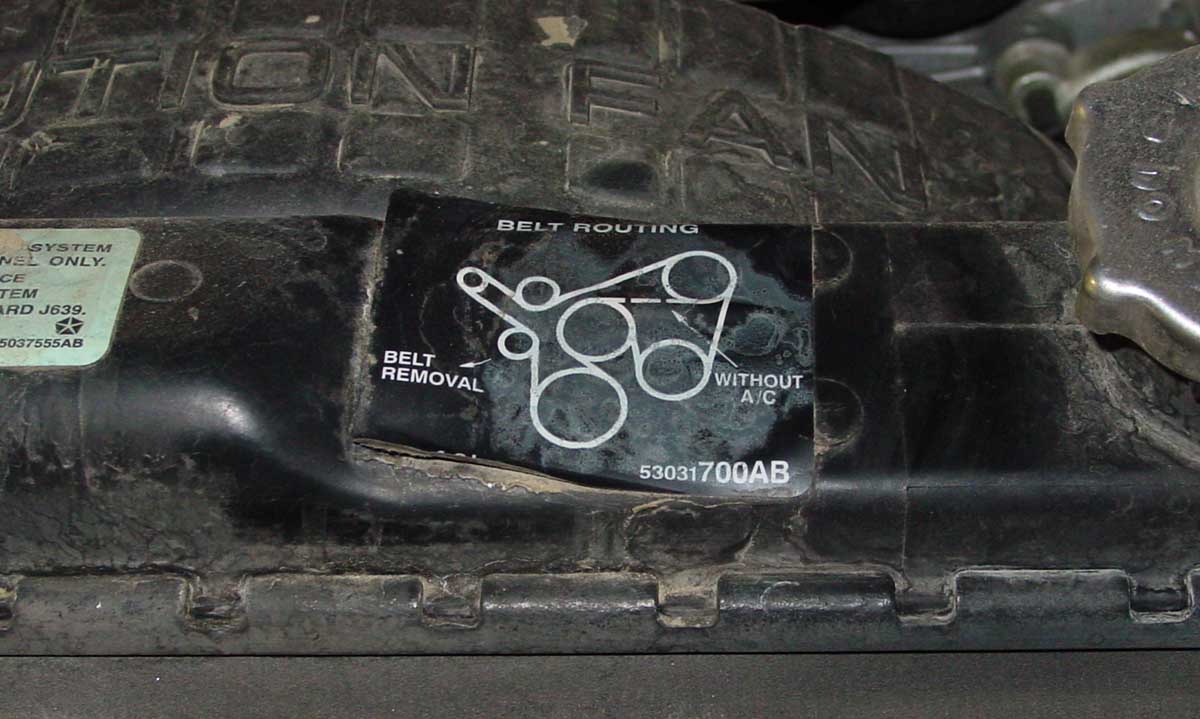
A belt diagram is a simple drawing showing how the belt wraps around each pulley. Most diagrams are found in the engine bay or manual, but you can also search online for your specific model year.
- Step 1: Identify each pulley location.
- Step 2: Start routing the belt from the crankshaft, following the diagram path.
- Step 3: Double-check the belt sits in all grooves, especially at the alternator and AC compressor.
- Step 4: Adjust tension using the tensioner bracket or bolts.
Non-obvious Insight: Some models have a “dummy pulley” for routing the belt if the AC compressor is removed. Always check your diagram for this detail.
If you need a reliable diagram, visit Jeep Official Manuals.
Frequently Asked Questions
<!– wp:rank-math/faq-block {"questions":[{"id":"faq-question-bb544da55136","title":"How Do I Know If My Jeep 4.0 Belt Is Worn Out?","content":"Look for cracks, missing ribs, or squealing sounds. If the belt feels loose or looks shiny, it may need replacement.
“,”visible”:true},{“id”:”faq-question-1870759f70ef”,”title”:”Can I Use A Belt Diagram From A Different Jeep Model Year?”,”content”:”No. Belt routing can change between years. Always use the diagram for your exact Jeep 4. 0 year to avoid mistakes.
“,”visible”:true},{“id”:”faq-question-cc42ffc9b7e4″,”title”:”What Happens If I Skip The Ac Compressor In The Belt Routing?”,”content”:”The belt will not fit correctly, and other accessories may not work. Some models need a dummy pulley if AC is removed.
“,”visible”:true},{“id”:”faq-question-aa0a11ded9bd”,”title”:”How Tight Should The Serpentine Belt Be?”,”content”:”The belt should be snug but not overly tight. There should be about half an inch of play when pressed between pulleys.
“,”visible”:true},{“id”:”faq-question-314965f30728″,”title”:”Where Can I Find An Accurate Jeep 4.0 Belt Diagram?”,”content”:”Check your owner’s manual, under the hood sticker, or visit official sources like Jeep Official Manuals.
A clear understanding of the Jeep 4.0 belt diagram makes maintenance easier, prevents costly mistakes, and keeps your vehicle reliable. Always check the routing and tension, and replace parts before they fail. With these steps, you’ll keep your Jeep running strong for years to come.
“,”visible”:true}]} –>How Do I Know If My Jeep 4.0 Belt Is Worn Out?
Look for cracks, missing ribs, or squealing sounds. If the belt feels loose or looks shiny, it may need replacement.
Can I Use A Belt Diagram From A Different Jeep Model Year?
No. Belt routing can change between years. Always use the diagram for your exact Jeep 4. 0 year to avoid mistakes.
What Happens If I Skip The Ac Compressor In The Belt Routing?
The belt will not fit correctly, and other accessories may not work. Some models need a dummy pulley if AC is removed.
How Tight Should The Serpentine Belt Be?
The belt should be snug but not overly tight. There should be about half an inch of play when pressed between pulleys.
Where Can I Find An Accurate Jeep 4.0 Belt Diagram?
Check your owner’s manual, under the hood sticker, or visit official sources like Jeep Official Manuals.
A clear understanding of the Jeep 4.0 belt diagram makes maintenance easier, prevents costly mistakes, and keeps your vehicle reliable. Always check the routing and tension, and replace parts before they fail. With these steps, you’ll keep your Jeep running strong for years to come.