The Jeep 3. 6 engine is popular for its reliability and performance in vehicles like the Wrangler, Grand Cherokee, and others.
One important part of keeping this engine running smoothly is the serpentine belt. This belt connects several key parts under the hood, such as the alternator and air conditioning compressor.
If you need to replace or check this belt, understanding the Jeep 3. 6 belt diagram is essential.
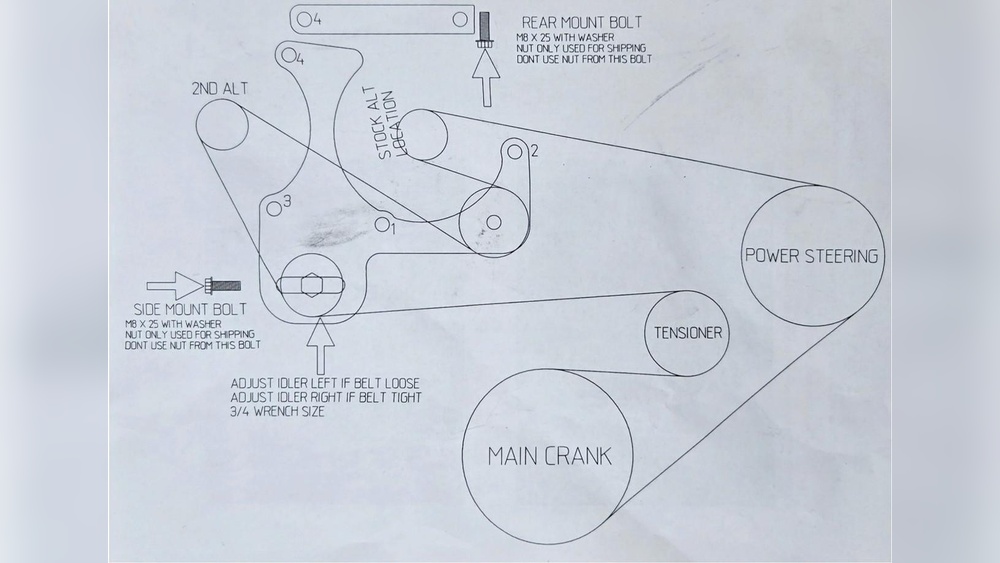
Let’s break down what you need to know, how the system works, and what makes the diagrams different across three main Jeep 3. 6 models.
What Is A Serpentine Belt And Why Does It Matter?
The serpentine belt is a long, winding rubber belt that drives multiple engine accessories. These include the alternator, power steering pump, water pump, and AC compressor. If this belt breaks, your Jeep could quickly overheat or lose power steering—both serious problems.
A clear belt diagram helps you:
- Replace the belt yourself
- Identify worn pulleys
- Troubleshoot engine noises
Most Jeep 3. 6 engines use a similar belt system, but small differences matter for each model.
Let’s look at three popular Jeep 3. 6 vehicles and their belt layouts.
Jeep Wrangler 3.6 Belt Diagram
The Jeep Wrangler 3.6L Pentastar is known for its off-road ability. Its engine bay is tight, so knowing the correct belt path saves time and frustration.
Below is a simplified layout for the Wrangler 3.6 serpentine belt:
| Pulley | Position | Contact Type |
|---|---|---|
| Crankshaft | Bottom center | Ribbed side |
| Alternator | Upper left | Ribbed side |
| Power Steering Pump | Upper right | Ribbed side |
| AC Compressor | Lower right | Ribbed side |
| Idler Pulley | Center right | Back side |
| Tensioner | Center left | Back side |
| Water Pump | Top center | Ribbed side |
Non-obvious tip: When installing, always check belt direction—serpentine belts are sometimes one-way due to grooves. Also, it is easier to route the belt over the smooth idler pulley last.
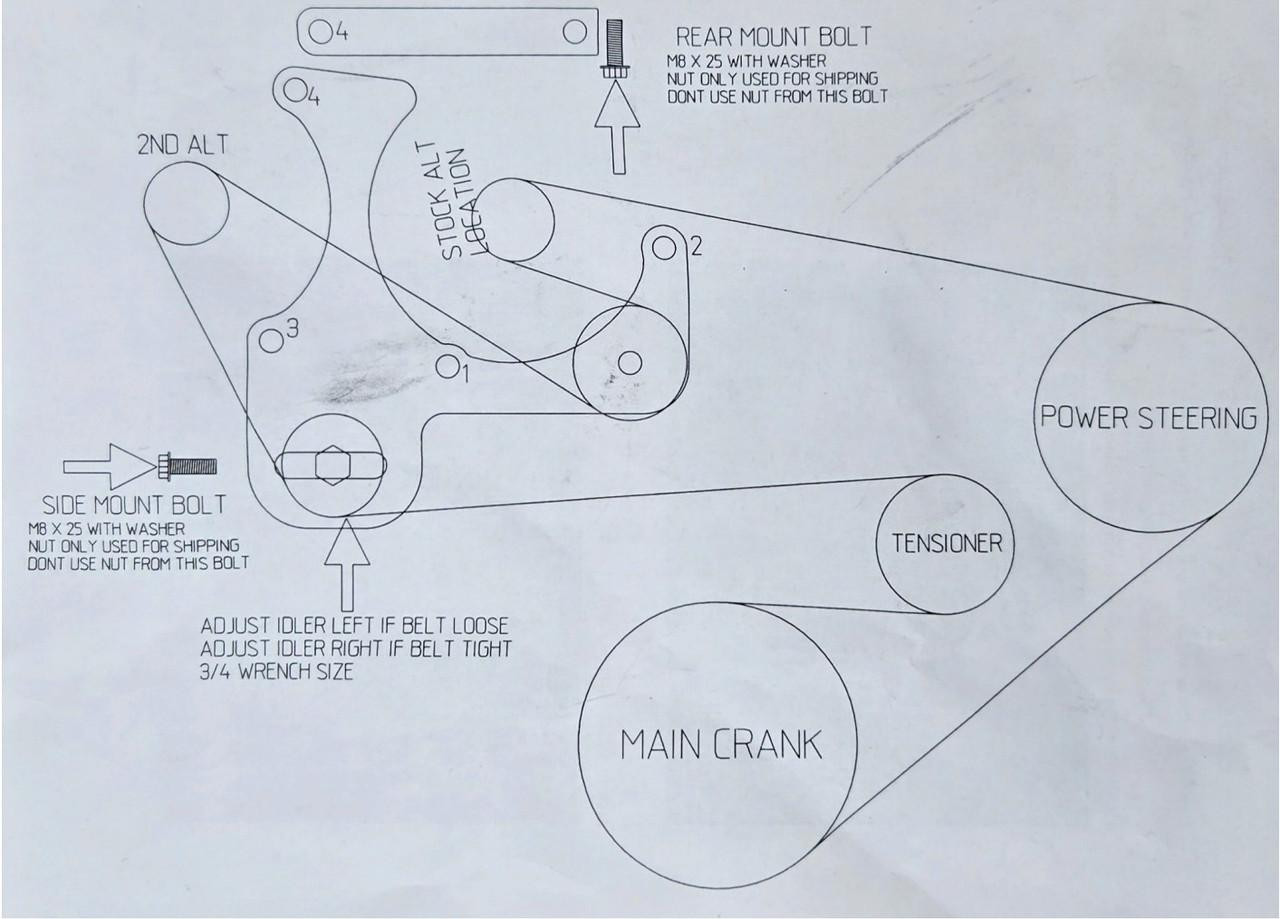
Jeep Grand Cherokee 3.6 Belt Diagram
The Grand Cherokee 3.6 has a larger engine bay than the Wrangler, but its accessory layout is slightly different. The tensioner location is often what confuses first-time DIYers.
Here is the typical routing for the Grand Cherokee 3.6:
| Accessory | Relative Position | Belt Side |
|---|---|---|
| Crankshaft Pulley | Bottom center | Ribbed |
| Alternator | Upper right | Ribbed |
| Water Pump | Center | Ribbed |
| AC Compressor | Lower left | Ribbed |
| Idler Pulley | Center left | Smooth |
| Tensioner Pulley | Right center | Smooth |
Key insight: The Grand Cherokee’s belt is slightly longer than the Wrangler’s, so using the wrong belt can lead to loose tension or slipping. Always double-check part numbers before buying.
Jeep Gladiator 3.6 Belt Diagram
The Jeep Gladiator uses the Pentastar 3.6 engine, similar to the Wrangler. However, its accessories are placed to accommodate the Gladiator’s larger frame and cooling needs.
The Gladiator’s belt routing usually follows this order:
- Crankshaft pulley (start here)
- Up to the water pump
- Around the alternator
- Down to the power steering pump
- Across the idler pulley
- Over the AC compressor
- Back through the belt tensioner
Practical difference: Some Gladiator models have an extra idler pulley for added tension. If your Gladiator has heavy-duty cooling, you may see this extra pulley near the center. Installers often miss this, which can cause belt misalignment.

Common Jeep 3.6 Belt Issues And Fixes
Serpentine belts are tough, but not unbreakable. Here are common problems and solutions:
- Squealing noise: Usually means a loose or worn belt. Check tension and replace if needed.
- Cracks or fraying: Replace the belt right away. Damaged belts can snap without warning.
- Slipping accessories: If the belt does not grip, check for oil leaks or worn pulleys.
- Misrouting: Always follow the diagram exactly. Even one wrong turn can cause overheating or no charging.
For step-by-step belt replacement, most owners can finish the job in under an hour with basic hand tools. Always let the engine cool before starting.
Comparing Belt Specs For Jeep 3.6 Models
Here’s a quick look at how belt length and routing differ across these Jeeps:
| Model | Typical Belt Length | Pulley Count | Unique Features |
|---|---|---|---|
| Wrangler 3.6 | 92.5 inches | 7 | Compact routing |
| Grand Cherokee 3.6 | 94 inches | 6 | Wider spacing, larger pulleys |
| Gladiator 3.6 | 93 inches | 7 or 8 (with extra idler) | May include extra idler |
Pro tip: Always confirm your exact model year, as Jeep sometimes changes belt routing with small engine updates.