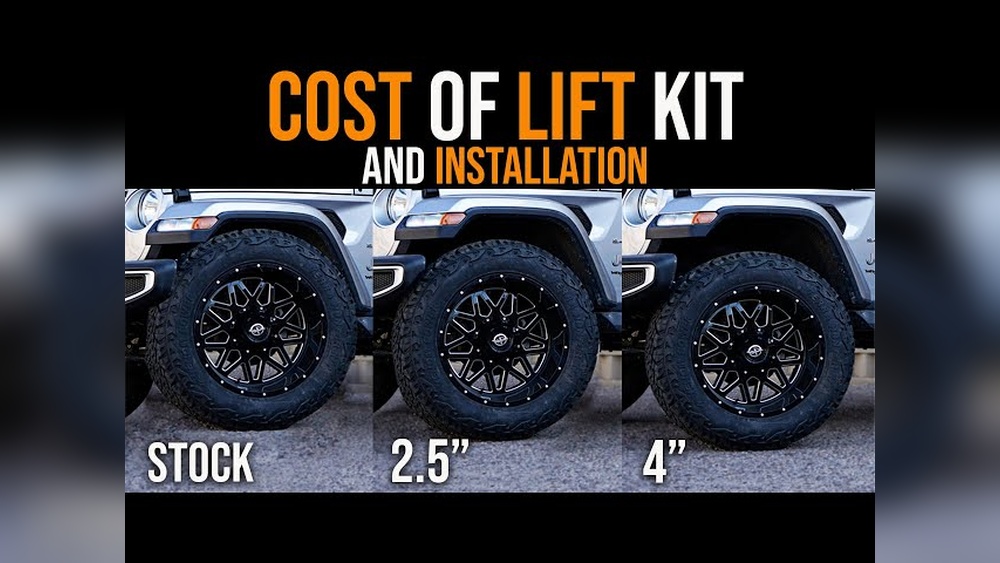
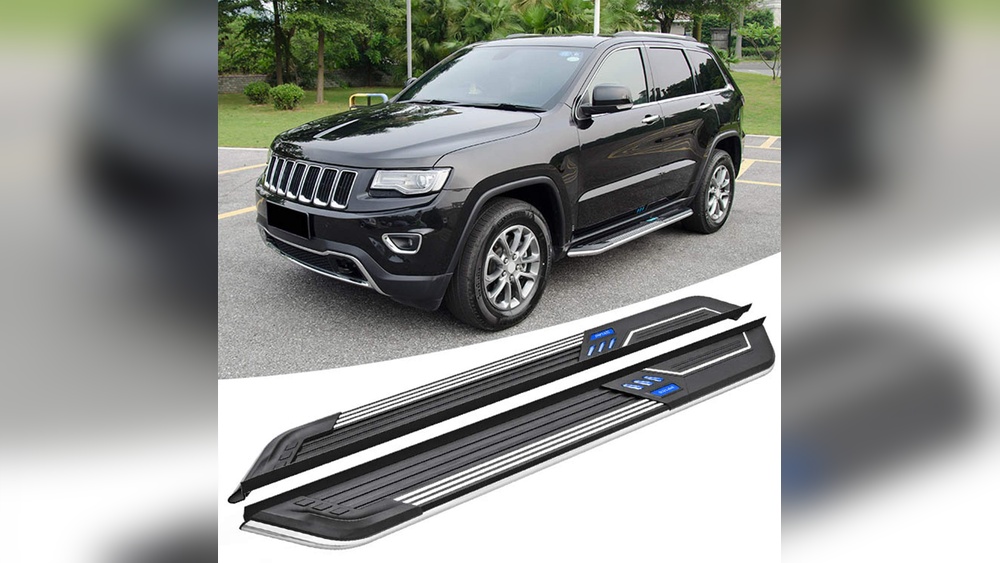
Understanding Jeep 17×9 Deep Dish Wheels: Style, Performance, And Fitment
When it comes to customizing a Jeep, wheels are one of the most impactful changes you can make. They drastically alter the vehicle's stance, influence its off-road capability, and are a major part of its overall aesthetic.
Among the vast array of wheel options, Jeep 17×9 deep dish wheels have become a popular choice for many enthusiasts. But what exactly does "17×9 deep dish" mean, and why are these wheels so sought after?
This guide will break down the specifics, explore the benefits, discuss important fitment considerations, and help you understand if these wheels are the right choice for your Jeep.
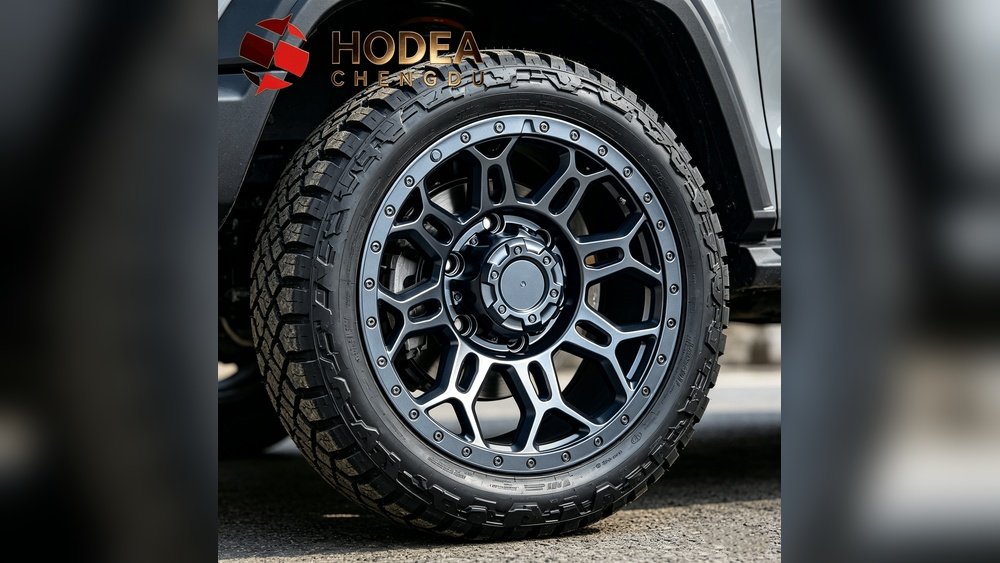
The term "deep dish" refers to the wheel's design, specifically the depth of the lip or barrel from the mounting surface to the outer edge of the wheel. Wheels with a deep dish design feature a pronounced, wide lip.
This design not only looks aggressive and stylish, especially on rugged vehicles like Jeeps, but it also offers practical advantages.
A wider lip can sometimes provide increased structural integrity and can accommodate larger brake components. For a 17×9 wheel, the '17' refers to the diameter in inches, and the '9' refers to the width in inches.
This combination is a common size for Jeeps, offering a good balance between on-road handling and off-road clearance.
The Appeal Of Deep Dish Wheels For Jeeps
The aesthetic of a deep dish wheel is a primary driver for its popularity. On a Jeep, these wheels give a more substantial, muscular appearance. The deep lip creates a pronounced shadow effect, making the wheel appear larger and more commanding. This look is often associated with classic muscle cars and performance vehicles, and it translates exceptionally well to the rugged, utilitarian design of a Jeep.
Beyond looks, the 17×9 sizing itself is a sweet spot for many Jeep owners. A 17-inch diameter is large enough to accommodate larger brake calipers, a crucial upgrade for Jeeps that see heavy off-road use or are modified with more powerful engines. Simultaneously, it’s not so large that it compromises tire sidewall height too much. A decent sidewall is essential for off-road comfort, allowing tires to flex and conform to uneven terrain, thus providing better traction and a smoother ride over rocks and bumps.
The 9-inch width is also significant. It allows for a wider range of tire sizes to be mounted compared to narrower wheels.
This versatility is key for Jeep owners who want to fine-tune their tire choice for specific conditions, whether it's aggressive mud-terrain tires for the trail or more street-friendly all-terrains for daily driving.
A wider wheel also helps to seat wider tires properly, ensuring optimal contact patch and stability.
Key Considerations When Choosing 17×9 Deep Dish Wheels
When you’re in the market for Jeep 17×9 deep dish wheels, several factors go beyond just the style and size. Understanding these will ensure you make a choice that not only looks good but also performs well and fits correctly.
1. Backspacing And Offset: The Fitment Puzzle
This is arguably the most critical aspect of choosing new wheels. Backspacing is the measurement from the mounting surface (where the wheel bolts to the hub) to the inside edge of the wheel barrel. Offset is the distance from the wheel’s centerline to its mounting surface. These measurements directly impact how the wheel sits in the fender well and whether it will rub against suspension components, fenders, or body panels.
For a 17×9 wheel on a Jeep, you’ll typically want a negative offset. A negative offset means the mounting surface is closer to the outside of the wheel than its centerline. This pushes the wheel outwards, giving it a more aggressive stance and increasing clearance for suspension parts. Common negative offsets for 17×9 wheels on Jeeps range from -12mm to -44mm, but this can vary significantly depending on the Jeep model and any suspension modifications.
- Low Negative Offset (e.g., -12mm): Pushes the wheel out moderately. Good for mild lifts and stock fenders.
- High Negative Offset (e.g., -44mm): Pushes the wheel out significantly. Often required for larger tires and lifted suspensions to prevent rubbing.
Pro Tip: Always check manufacturer recommendations or consult with wheel and tire specialists for your specific Jeep model and intended tire size. Incorrect backspacing or offset can lead to rubbing issues, poor handling, and even damage to suspension components.
2. Bolt Pattern Compatibility
Jeeps use specific bolt patterns, which is the arrangement of lug nuts. Common Jeep bolt patterns include 5×4.5 inches (for older Wranglers and Cherokees), 5×5 inches (for JK, JL Wranglers, and Grand Cherokees), and 5×5.5 inches (for some older Jeep trucks and SUVs). You must ensure the bolt pattern of the wheels you choose matches your Jeep’s hubs. Trying to force a wheel with the wrong bolt pattern can be dangerous and will not fit.
3. Load Rating And Durability
Jeeps are often used for off-roading, which means wheels are subjected to significant stress. Look for wheels with a high load rating. This rating indicates how much weight a wheel can safely support. For off-road use, a load rating of 2,000 lbs or more per wheel is generally recommended.
The construction material also plays a role. Cast aluminum wheels are common, offering a good balance of weight, strength, and affordability. Flow-formed or forged wheels are typically stronger and lighter but also more expensive. For deep dish designs, the construction method can affect the overall durability and resistance to bending or cracking under extreme conditions.
4. Material And Weight
The material of the wheel affects both its strength and its weight.
- Aluminum Alloy: Most modern aftermarket wheels are made from aluminum alloy. They are lighter than steel wheels, which can improve acceleration, braking, and fuel economy. They also offer more design flexibility, allowing for intricate styles like deep dish.
- Steel: While less common for deep dish designs, steel wheels are known for their extreme durability and affordability. They are heavier than aluminum, which can negatively impact performance, but they are very resistant to bending and damage.
The weight of the wheel is crucial. Lighter wheels reduce unsprung weight (the weight of components not supported by the suspension, like wheels, tires, brakes, and axles). Reducing unsprung weight can lead to better suspension performance, improved handling, and a more responsive ride. However, lighter wheels might sacrifice some durability, especially in aggressive off-road scenarios.
5. Tire Size And Sidewall
The 17×9 wheel size is versatile, but it dictates the range of tire sizes you can safely and effectively mount. For a 9-inch wide wheel, tire widths typically range from 285mm to 315mm (approximately 11. 5 to 12. 5 inches).
The sidewall height will depend on the tire's aspect ratio (the second number in a tire size, like 33×12. 50R17, where 12.
50 is the width and R17 is the wheel diameter).
A common setup for Jeeps with 17×9 wheels is a 33-inch or 35-inch diameter tire. The 9-inch width provides good support for these wider tires, preventing excessive sidewall bulge and maintaining a stable contact patch.
6. Brake Clearance
Deep dish wheels can sometimes have intricate designs or spokes that are close to the brake calipers. It’s essential to confirm that the wheels you choose have adequate clearance for your Jeep’s brake system. This is particularly important if you have upgraded to larger aftermarket brakes. Some manufacturers provide specific brake caliper clearance information for their wheels.
7. Finish And Aesthetics
Deep dish wheels come in a variety of finishes, from classic polished or chrome to more modern matte black, gunmetal, or even custom colors. The finish not only affects the look but also the maintenance requirements.
- Polished/Chrome: Very shiny and eye-catching but can be prone to pitting and corrosion if not maintained properly.
- Matte Black/Gunmetal: Popular for their aggressive, stealthy look. Generally easier to clean and maintain than polished finishes.
- Satin/Gloss Black: Offers a sleek appearance and good durability.
- Painted Finishes: Can come in various colors, offering personalization. Durability varies by paint quality.
When choosing a finish, consider your driving environment. If you frequently drive in harsh conditions (salt, mud, sand), a more durable and easier-to-clean finish might be preferable.
Popular Deep Dish Wheel Styles For Jeeps
The “deep dish” look can be achieved through various wheel designs. Here are some common styles you’ll find for 17×9 Jeep wheels:
1. Classic 5-spoke Deep Dish
This is a timeless design. It features five prominent spokes that extend outwards, creating a deep visual effect due to the substantial lip.
The spokes might be straight or slightly curved, often with machined accents on the lip.
2. Multi-spoke Deep Dish
These wheels have numerous thin spokes that radiate from the center to the outer edge. The depth is created by the concave nature of the spokes and the wide lip.
This style can offer a more intricate and detailed look.
3. Beadlock-style Wheels
While true beadlock wheels are designed to mechanically clamp the tire bead to the wheel for extreme off-roading, many aftermarket wheels feature a simulated beadlock design. This often includes a decorative ring around the outer lip, mimicking the look of a beadlock and enhancing the deep dish appearance.
4. Off-road Specific Deep Dish Designs
Many brands design wheels specifically for off-road performance. These often feature robust construction, simulated beadlock rings, and designs that prioritize strength and ease of tire mounting/dismounting on the trail.
The deep dish aspect contributes to their aggressive stance.
5. Two-piece Or Three-piece Wheels
These are often higher-end, custom wheels where the barrel and face are manufactured separately and then bolted together. This construction allows for virtually limitless customization in terms of width, offset, and finish, and often results in a very pronounced deep dish profile.
Performance Implications Of 17×9 Deep Dish Wheels
The choice of wheels and tires has a direct impact on your Jeep’s performance, both on and off the road.
On-road Performance
- Handling: Wider wheels (like 9 inches) paired with appropriate tires can improve on-road handling by providing a larger contact patch. However, excessively aggressive offsets that push wheels too far out can sometimes lead to increased steering effort and potential rubbing on fenders, especially at full steering lock or over bumps.
- Ride Comfort: While the wheel itself doesn’t directly affect ride comfort, the tire size it allows you to run does. A 17-inch wheel paired with a tire that has a decent sidewall height (e.g., 33-inch tire with a 12.50 aspect ratio) can provide a comfortable ride. Very low-profile tires on larger diameter wheels would typically result in a harsher ride.
- Fuel Economy: Heavier wheels and tires increase unsprung weight and rotational mass, which can negatively impact fuel economy. Lighter aluminum alloy deep dish wheels can help mitigate this compared to heavier steel options.
Off-road Performance
- Traction: The 9-inch width is excellent for mounting wider off-road tires (e.g., 12.50 inches). This maximizes the tire’s contact patch with the ground, improving traction on various surfaces like rocks, mud, and sand.
- Tire Protection: The deep dish lip can offer some protection to the tire sidewall. In some designs, the lip might extend slightly beyond the tire bead, offering a buffer against trail hazards. However, the lip itself can also be vulnerable to damage if not carefully managed.
- Clearance: The aggressive stance created by negative offsets can help improve tire clearance, reducing the likelihood of rubbing against fenders or suspension components when articulating over obstacles. This is crucial for maintaining maneuverability on challenging trails.
- Durability: For serious off-roading, the strength and construction of the wheel are paramount. Wheels designed for off-road use, even with a deep dish style, should be robust enough to withstand impacts from rocks, roots, and drops.
Common Tire Sizes For 17×9 Jeep Wheels
The 17×9 wheel is a versatile platform for a wide range of tire sizes, commonly seen on Jeeps. Here are some popular options:
- 33×12.50R17: This is a very common size for moderate lifts (2-3 inches). It offers a noticeable increase in ground clearance and off-road capability without requiring extensive modifications. The 12.50-inch width fits perfectly on a 9-inch wheel.
- 35×12.50R17: A popular choice for more serious off-roading and a more aggressive look. Running 35-inch tires typically requires at least a 3-4 inch lift and often necessitates fender trimming or aftermarket fenders, along with potential re-gearing for optimal performance.
- 305/70R17: This metric tire size is roughly equivalent to a 34-inch tire. It’s a good option if you want something between a 33 and 35-inch tire, often fitting with less modification than a true 35-inch tire.
- 285/70R17: This size is approximately 33 inches in diameter and around 11.5 inches wide. It’s another excellent option that often fits with minimal lift (around 2 inches) and less concern for rubbing compared to wider tires.
- 315/70R17: This is roughly a 34.5-inch tire, very close to a 35-inch tire. It will likely require similar modifications to a 35-inch tire.
- 37×12.50R17: While possible on a 17×9 wheel, this is a very large tire that demands significant modifications, including substantial lifts (4.5 inches or more), fender modifications, potential axle upgrades, and re-gearing. Rubbing can be a major issue without proper setup.
- 33×11.50R17: A narrower option for a 33-inch tire. This can be beneficial for fuel economy and reducing rubbing issues, especially if you’re not running a very wide Jeep.
- 35×11.50R17: Similar to the 33×11.50, this offers a 35-