Jeep Cherokees are popular SUVs, trusted by many families and adventurers across the United States. But like all vehicles, they sometimes face safety recalls.
If you own a Jeep Cherokee or are considering buying one, understanding recalls is important. Recalls can affect your safety, your wallet, and your driving experience.
This article explains recent Jeep Cherokee recalls, how to check your vehicle, and what to do if your SUV is affected.
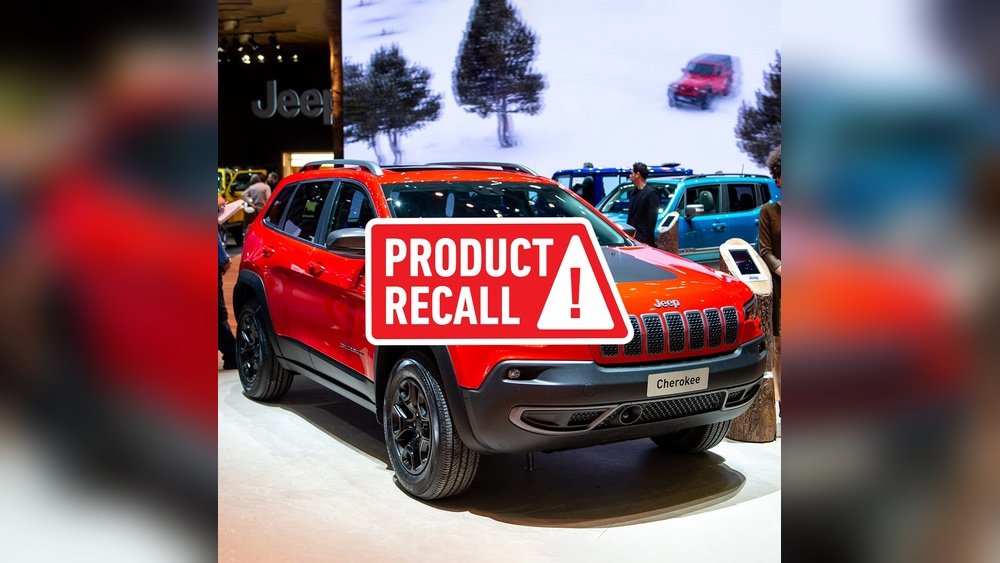
Understanding Vehicle Recalls
When a car manufacturer finds a safety issue or defect, they issue a recall. This means they ask owners to bring their vehicles in for a free repair. Recalls are not rare—millions of cars are recalled every year.
Most recalls happen because:
- There is a risk of injury or death.
- A part does not meet legal standards.
- There are unexpected breakdowns.
Jeep, like other brands, must report problems and fix them. Owners get notifications by mail or email, and repairs are always free.
Recent Jeep Cherokee Recalls
The Jeep Cherokee has faced several recalls in the past ten years. These recalls cover different model years and issues. Below is a summary of key recalls:
| Year | Recall Issue | Models Affected |
|---|---|---|
| 2023 | Power liftgate short circuit | 2014-2023 |
| 2020 | Steering rack failure | 2016-2020 |
| 2019 | Transmission malfunction | 2014-2019 |
| 2016 | Airbag deployment issue | 2014-2016 |
Let’s look closer at two major recalls:
- Power liftgate short circuit (2023): Water can get into the liftgate, causing a short circuit. This may start a fire. Jeep recalled almost 300,000 Cherokees. Repairs involve sealing the liftgate and replacing damaged parts.
- Transmission malfunction (2019): Some Cherokees lose power while driving. This is dangerous, especially at high speeds. The recall covered thousands of vehicles. Dealers update the software and fix the transmission.
How To Check If Your Jeep Cherokee Is Recalled
You can easily check your vehicle’s recall status online or with your dealer. Use your VIN (Vehicle Identification Number), found on your dashboard or registration papers.
| Method | Steps | Cost |
|---|---|---|
| Online (NHTSA) | Enter VIN at nhtsa.gov/recalls | Free |
| Jeep Dealer | Call or visit with VIN | Free |
| Manufacturer Website | Check recall page with VIN | Free |
Most recalls are handled quickly. If your Cherokee is affected, you will get a letter or email telling you what to do.
Common Recall Issues In Jeep Cherokees
Jeep Cherokees have faced a few repeat problems. Knowing these can help you spot issues early:
- Electrical issues: Short circuits in the liftgate or dashboard wiring.
- Transmission failure: Sudden loss of power or shifting problems.
- Airbag faults: Airbags may not deploy during a crash.
- Steering problems: Steering rack failures, making it hard to control the car.
Many owners miss these warning signs:
- Strange smells (like burning plastic)
- Unusual dashboard lights
- Hard-to-shift gears
These signs can mean a recall issue. If you notice them, check for recalls immediately.
What To Do If Your Cherokee Is Recalled
If your vehicle is recalled, follow these steps:
- Read the recall notice: It explains the problem and next steps.
- Contact your dealer: Schedule a repair appointment. Repairs are free.
- Do not delay repairs: Some recalls are urgent.
- Keep records: Save repair papers for future reference.
Sometimes, parts are not available right away. The dealer may ask you to wait. Always ask for updates and drive carefully until repairs are done.
Comparing Jeep Cherokee Recalls To Other Suvs
Jeep Cherokees are not the only SUVs with recalls. Here’s a comparison with similar models:
| SUV Model | Major Recall Issue | Years | Total Recalls |
|---|---|---|---|
| Jeep Cherokee | Liftgate fires, transmission | 2014-2023 | 6 |
| Ford Escape | Door latch, brakes | 2013-2022 | 7 |
| Toyota RAV4 | Fuel leak, suspension | 2014-2022 | 5 |
As you can see, recalls are common in all SUV brands. Jeep Cherokees have about the same number of recalls as other models. What matters most is how quickly repairs are made and how well issues are handled.
Non-obvious Insights For Owners
Many owners think recalls are only for new cars. But older Jeeps can also be recalled, even after many years. Always check your vehicle’s recall status every year.
Another missed detail: recall repairs are always free. Some people worry about costs, but federal law protects you. Dealers cannot charge for recall fixes.
Staying Safe With Your Jeep Cherokee
To keep your Cherokee safe:
- Check for recalls every 6 months.
- Register your vehicle with Jeep so you get notifications.
- If you buy a used Cherokee, check its recall history.
- Watch for warning signs like strange smells or lights.
If you ignore a recall, your safety is at risk. Some defects can cause fires, crashes, or injuries.
Where To Find Official Recall Information
The best source for recall details is the National Highway Traffic Safety Administration (NHTSA). They update recall lists daily. Jeep’s official website also has recall info. For more details, visit NHTSA Recalls.
Frequently Asked Questions
How Do I Know If My Jeep Cherokee Has A Recall?
Enter your VIN at nhtsa.gov/recalls or ask your local Jeep dealer. You will also get a letter if your car is affected.
Are Recall Repairs Free?
Yes, all recall repairs are free. Federal law protects owners from paying for safety fixes.
Can I Drive My Cherokee Before Recall Repairs?
It depends on the issue. For urgent recalls (like fire risk), drive only if necessary and schedule repairs quickly.
What Happens If I Ignore A Recall?
Ignoring a recall can be dangerous. Your SUV may break down, or you could be hurt in an accident. Always get recalls fixed.
Do Recalls Affect Used Jeep Cherokees?
Yes, recalls apply to new and used vehicles. Check the recall history before buying a used Cherokee.
Recalls can seem scary, but they are made to protect you. By checking your Jeep Cherokee regularly and responding to recall notices, you keep your SUV safe and reliable for years to come.