The Jeep XJ, better known as the Cherokee, is one of the most iconic compact SUVs in America. Many car lovers and off-road fans want to know how much this vehicle weighs.
Weight matters for fuel efficiency, towing, performance, and safety. If you plan to buy, modify, or just learn about the Jeep XJ, understanding its weight is key.
Let’s break down the numbers, explain the differences, and highlight why weight varies depending on the model and year.
What Is The Jeep Xj?
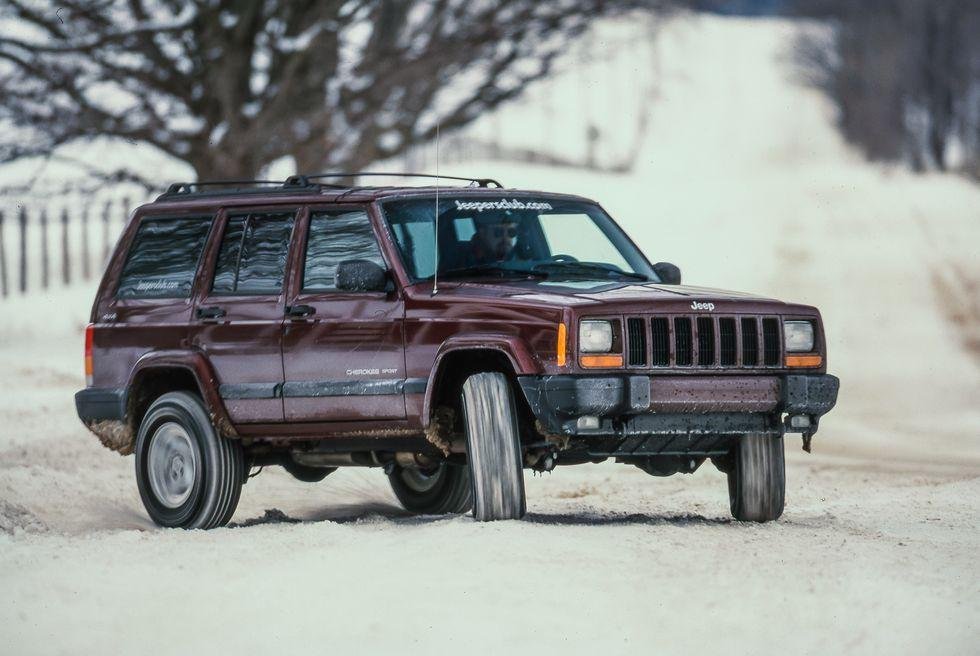
The Jeep XJ Cherokee was produced from 1984 to 2001. It’s a compact SUV with a unibody design, which was unusual for SUVs at the time. This design made the XJ lighter and more agile than other similar vehicles. The XJ is popular for its off-road ability and easy modifications. Over the years, Jeep made several versions, including two-door and four-door models, with different engines and trim packages.
How Much Does A Jeep Xj Weigh?
The weight of a Jeep XJ depends on several factors:
- Model year
- Number of doors
- Engine type
- Trim level
- Optional equipment
Let’s look at the most common numbers.
| Model Year | 2-Door Weight (lbs) | 4-Door Weight (lbs) |
|---|---|---|
| 1984–1986 | 2,855 | 2,950 |
| 1987–1996 | 3,070 | 3,170 |
| 1997–2001 | 3,150 | 3,250 |
These numbers show that the Jeep XJ weight increased slightly over time, mostly because of stronger safety features and improved interiors.
Key Factors Affecting Jeep Xj Weight
Several factors make the XJ heavier or lighter. Let’s look at the main ones:
1. Engine Type
The XJ came with several engines:
- 2.5L inline-4
- 2.8L V6 (early years)
- 4.0L inline-6 (most popular)
The 4. 0L engine adds about 80 100 lbs compared to the 2. 5L.
2. Trim And Features
Higher trims like the Limited or Country add luxury features: power windows, air conditioning, and more. These extras can add 50–100 lbs.
3. Doors
Four-door XJs weigh more than two-door versions because of extra structure and doors.
4. Transmission
Automatic transmissions are heavier than manuals, adding about 30 40 lbs.
5. 4wd Vs. 2wd
Four-wheel-drive models have more parts (transfer case, driveshafts), adding 70 100 lbs.
Here’s a quick engine comparison:
| Engine | Approx. Weight (lbs) |
|---|---|
| 2.5L I4 | 2,900–3,050 |
| 4.0L I6 | 3,100–3,250 |
Why Weight Matters For The Jeep Xj
Understanding weight is not just about numbers. It changes how the XJ performs:
- Fuel Economy: Lighter models get slightly better gas mileage.
- Off-Road Handling: Less weight means easier climbing and less sinking in mud or sand.
- Towing Capacity: Heavier XJs can tow more but may use more fuel.
- Safety: Added weight from safety features improves crash protection.
Many owners modify their XJ for off-roading. Adding larger tires, roof racks, or bumpers can increase weight by 150 300 lbs. This affects performance and fuel economy. Always check your vehicle’s weight after modifications.
Real-world Jeep Xj Weight Examples
Here are some examples from actual owners and tests:
- Stock 1998 4-Door, 4.0L, Automatic, 4WD: About 3,250 lbs
- Stock 1986 2-Door, 2.5L, Manual, 2WD: About 2,850 lbs
- Modified 1996 4-Door, Lifted, Larger Tires, Steel Bumpers: 3,400–3,600 lbs
These numbers can change based on your own upgrades. Some beginners forget to account for weight increases from modifications, which can impact their vehicle’s ability to handle tough terrain.
Jeep Xj Weight Compared To Other Suvs
To understand the XJ’s weight, let’s compare it to similar vehicles from the same era.
| Vehicle | Year | Approx. Weight (lbs) |
|---|---|---|
| Jeep XJ Cherokee | 1997 | 3,200 |
| Toyota 4Runner | 1997 | 3,600 |
| Ford Explorer | 1997 | 3,700 |
| Chevrolet Blazer | 1997 | 3,800 |
The XJ is lighter than most competitors, which helps explain its popularity for off-roading and daily use.
Common Mistakes When Estimating Jeep Xj Weight
Many beginners overlook these points:
- Ignoring modifications: Added parts can change weight quickly.
- Using only manufacturer specs: Real-world weight is often higher.
- Forgetting fluids: Oil, coolant, and a full tank of gas can add 100–150 lbs.
If you want to know your exact XJ weight, use a vehicle scale at a truck stop or mechanic’s shop.
Practical Tips For Jeep Xj Owners
- Check weight before towing or carrying heavy loads.
- Weigh your XJ after adding off-road gear.
- Remember, higher weight can affect brake performance.
- Keep tires properly inflated to handle extra weight.
- Don’t forget to consider passenger and cargo weight.
For more official details and specs, visit the Wikipedia Jeep XJ page.
Frequently Asked Questions
How Much Does A 4-door Jeep Xj Weigh?
A 4-door Jeep XJ from the late 1990s weighs about 3,200–3,250 lbs in stock condition. This can rise with upgrades or heavy accessories.
Does The Engine Change The Weight Of A Jeep Xj?
Yes. The 4.0L inline-6 engine is heavier than the 2.5L inline-4. Expect around 100 lbs difference between these engines.
How Much Weight Do Modifications Add To A Jeep Xj?
Modifications like lift kits, roof racks, and steel bumpers can add 150–300 lbs or more. Always check your weight after upgrades.
Is The Jeep Xj Lighter Than Most Suvs?
Yes. The Jeep XJ is lighter than most SUVs from its era. This makes it better for off-roading and easier to drive in city traffic.
How Can I Find The Exact Weight Of My Jeep Xj?
Use a vehicle scale at a truck stop, mechanic shop, or off-road event. This will give you the true weight, including all modifications and fluids.
The Jeep XJ’s weight is a critical factor in its performance, safety, and usability. Understanding these numbers helps you make smarter choices whether you’re buying, upgrading, or driving.
If you want a balance of lightness and strength, the Jeep XJ is a reliable choice.
Always check your specific model and consider how changes affect the weight and handling.