Buying a Jeep Wrangler is a dream for many who love adventure and rugged looks. The Jeep’s boxy shape, removable roof, and off-road ability attract people everywhere.
But is it a wise choice for everyday life? Many drivers are surprised by what ownership really means.
Before you decide, it’s important to know the facts—beyond the marketing and the “cool” factor.
High Cost Of Ownership
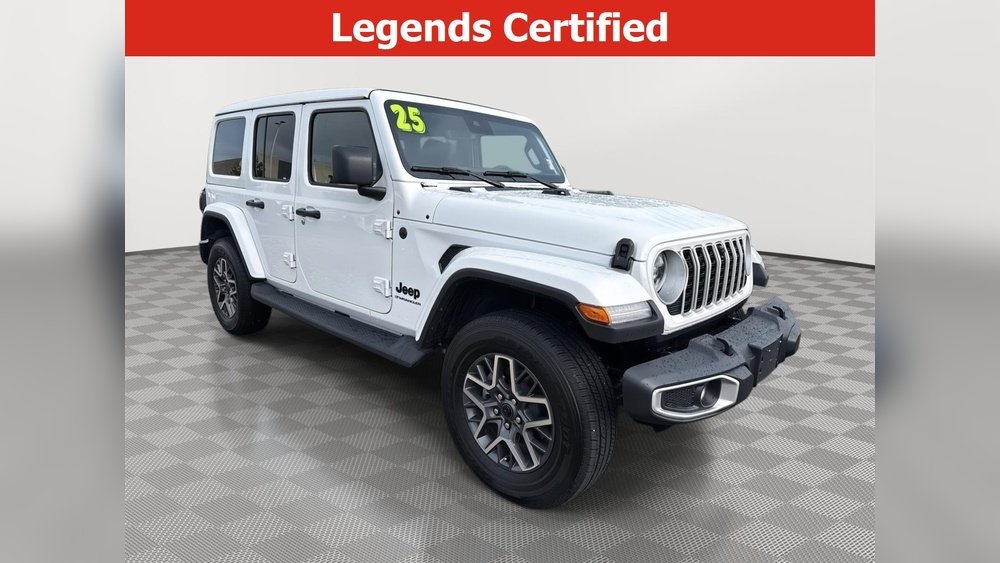
Owning a Jeep Wrangler is not just about the sticker price. The costs start to add up quickly.
Purchase Price
A new Jeep Wrangler usually starts around $32,000 for the base model. Upgraded trims, like the Rubicon, can go over $50,000. Even used models hold their value, so bargains are rare.
Insurance And Taxes
Insurance for Wranglers is higher than for most SUVs. Their “open” design and off-road use increase risk, which raises premiums. In some states, taxes and registration fees are also higher for vehicles with large engines or specialized features.
Maintenance And Repairs
Wranglers need more care than typical SUVs. For example, their solid axles and unique suspension mean more frequent alignments and part replacements. According to repairpal. com, average annual maintenance is about $694 higher than most similar vehicles.
Comfort And Daily Use
The Wrangler is made for adventure, not comfort. This is where daily drivers often feel disappointed.
Ride Quality
Wranglers use a body-on-frame design and solid axles. These features help off-road but make the ride bouncy and rough on city streets. Potholes and bumps are felt much more than in a regular crossover.
Noise Levels
With removable doors and roof panels, road noise is a common complaint. At highway speeds, wind and tire noise can be tiring. Even with the hard top, it’s louder inside than most SUVs.
Interior Space And Features
While the Wrangler has improved over the years, the cabin still feels cramped. Back seat space is tight, and cargo room is less than most competitors. Tech features, like advanced driver aids, are also limited—especially on lower trims.

Fuel Economy And Environmental Impact
If saving fuel matters to you, the Wrangler will disappoint.
Real-world Mpg
Most Wranglers average 17-22 mpg. The boxy shape and heavy parts mean poor aerodynamics, so the engine works harder. The hybrid 4xe model does better, but it’s much more expensive.
Emissions
Wranglers emit more CO2 than most compact SUVs. If you care about your carbon footprint, this is a real concern.
Here’s a comparison of fuel economy with other popular SUVs:
| Model | City MPG | Highway MPG |
|---|---|---|
| Jeep Wrangler (V6) | 17 | 23 |
| Honda CR-V | 28 | 34 |
| Toyota RAV4 | 27 | 35 |
Handling And Safety
People often assume a rugged vehicle is safer. The Wrangler’s design has some drawbacks here.
On-road Handling
Wranglers are not built for sharp turns or high-speed stability. The tall stance and solid axles mean more body roll and less grip on curves. Parking and lane changes require more attention than most cars.
Crash Tests
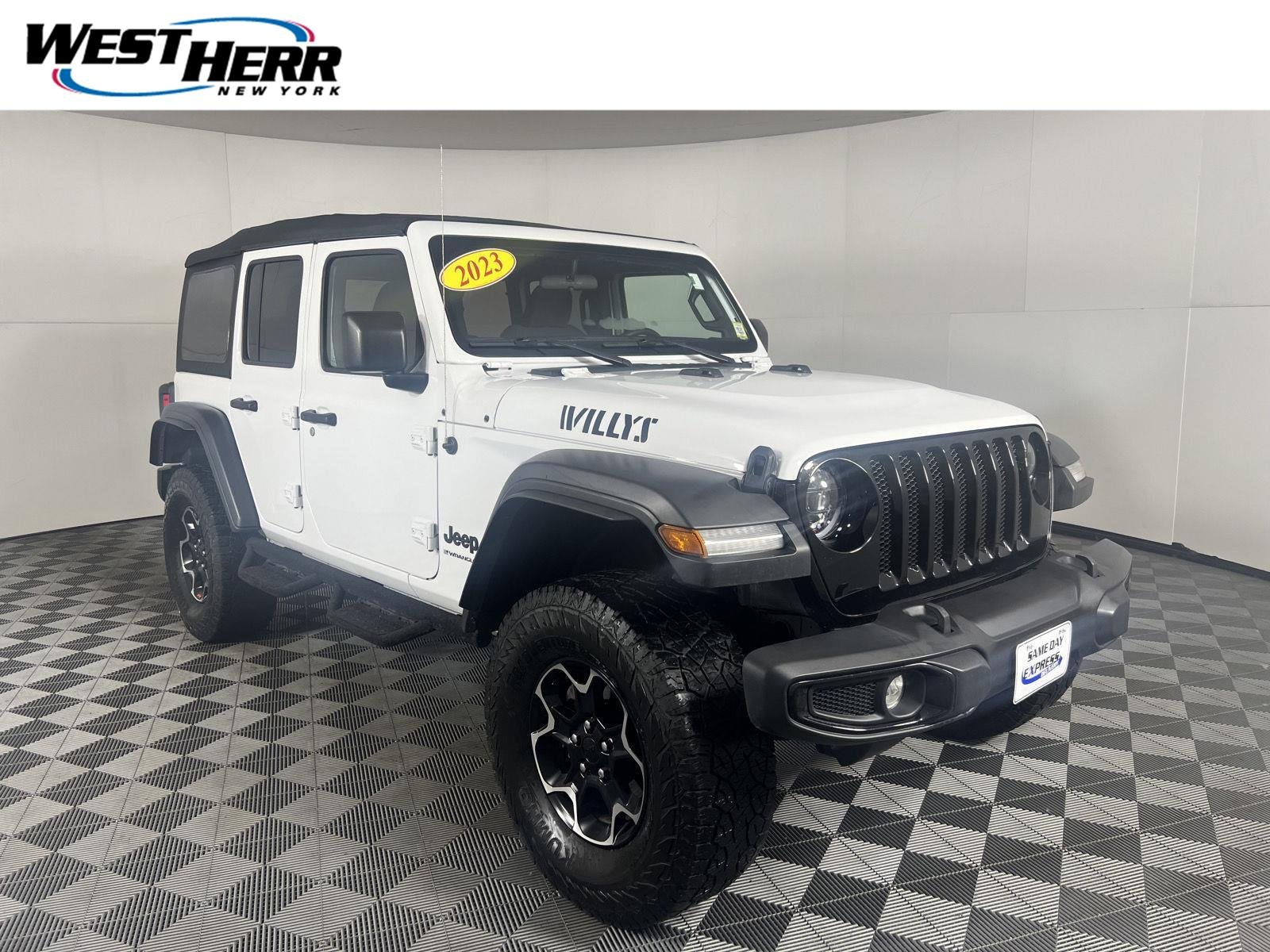
The IIHS (Insurance Institute for Highway Safety) rated the 2023 Wrangler “Marginal” in some crash tests. The vehicle’s boxy shape and removable doors can mean less side protection. Advanced safety features, like automatic emergency braking, are not standard on all trims.
Here’s how the Wrangler compares to others in crash ratings:
| Model | IIHS Overall Rating | Side Impact |
|---|---|---|
| Jeep Wrangler | Marginal | Poor |
| Subaru Outback | Good | Good |
| Hyundai Tucson | Good | Acceptable |
Practical Limitations
Storage And Towing
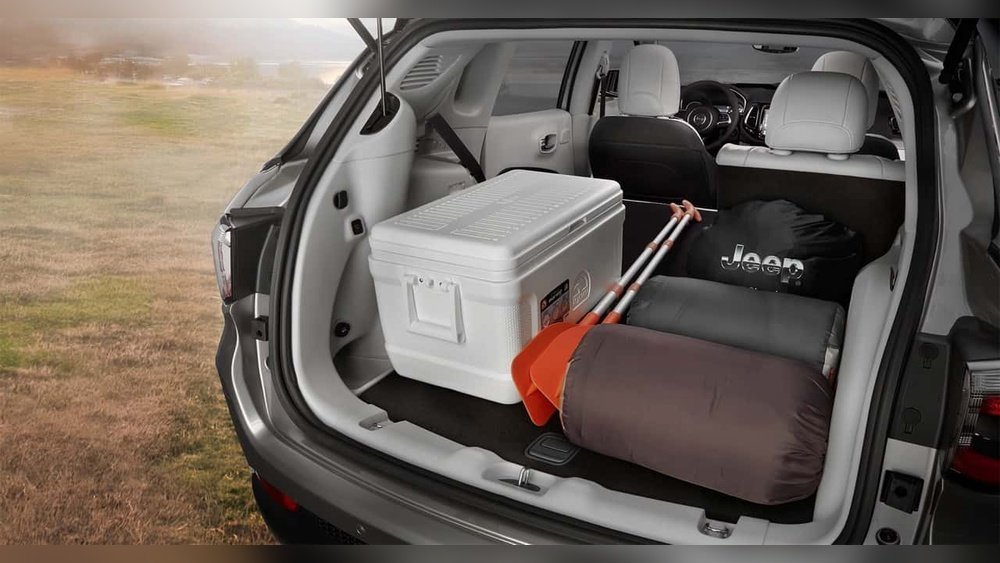
The Wrangler’s cargo area is small, especially with the back seats up. If you need to carry large items, you may have to fold the rear seats or use an external rack.
Towing capacity is 2,000 3,500 lbs, less than many midsize SUVs.
Weather And Security
Soft top Wranglers are easy to break into. Even hard tops offer less protection than a standard SUV. In cold or wet weather, leaks and drafts are common complaints.
Resale Surprises
While Wranglers hold value well, many buyers are surprised by modification costs. Changes like lift kits or big tires can actually reduce value if not done professionally. Dealers often give lower trade-in offers for heavily modified Wranglers.
Non-obvious Insights
Many people do not realize that the Wrangler’s unique design affects more than looks. For example, doors are removable, but they are also heavier than expected—taking them off is not easy for everyone. The windshield can fold down, but this exposes wires and hardware that are not designed for daily use.
Another hidden cost is tire wear. Off-road tires wear out much faster on pavement. If you drive mostly on roads, expect to replace tires more often than with a regular SUV.
Who Should Actually Buy A Wrangler?
The Wrangler is best for people who:
- Love off-roading and actually use trails, mud, or rocks.
- Want a vehicle for fun weekends, not daily commuting.
- Do not mind higher costs and less comfort.
If you fit these points, the Wrangler can be a rewarding hobby vehicle. If not, you might be happier with a more practical SUV.
Frequently Asked Questions
Is The Jeep Wrangler Reliable?
The Wrangler scores below average for reliability. Owners report issues with electronics, leaks, and suspension over time. Regular maintenance helps, but some problems are due to the design.
How Safe Is The Jeep Wrangler In A Crash?
The Wrangler does not score as well as other SUVs in crash tests. Its frame and removable doors reduce protection in side impacts. Always check the latest ratings from trusted sources like the IIHS.
Are Wranglers Good In The Snow?
Wranglers have 4×4, which helps in snow. But their light weight and off-road tires can make them less stable on icy roads. Winter tires are recommended for better grip.
Is The Jeep Wrangler Expensive To Maintain?
Yes, Wrangler owners often pay more for repairs and regular service. Off-road use can add extra wear and tear. Common repairs include suspension parts, brakes, and leaks.
What Is The Best Alternative To A Wrangler?
If you want off-road ability with more comfort, consider the Toyota 4Runner or Subaru Outback. These offer better fuel economy, more features, and smoother rides.
Choosing a car is a big decision. The Jeep Wrangler is special, but it comes with real compromises. Make sure you understand these before you buy. If you want more comfort, lower costs, and easier living, there are better choices on the market.