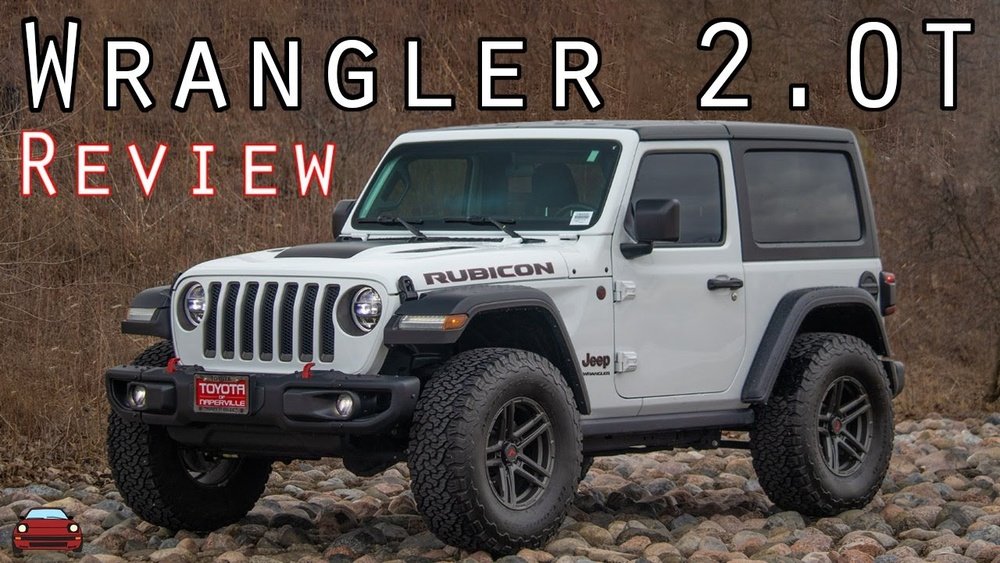
The Jeep Wrangler has always been an icon for off-road fans and adventure seekers. With the introduction of the 2.0L turbocharged engine, many buyers are curious if it lives up to the Wrangler name. This review covers 20 key aspects of the Jeep Wrangler 2.0 Turbo, helping you decide if it’s the right SUV for your needs. If you want a mix of off-road power and modern comfort, the details below matter.
1. Engine Performance
The 2.0L turbocharged engine delivers 270 horsepower and 295 lb-ft of torque. This provides plenty of power for city driving and trails. You’ll feel the turbo boost when accelerating, especially at lower RPMs.
2. Fuel Efficiency
Compared to the V6, the turbo engine is more efficient. The EPA rates it at about 22 mpg city and 24 mpg highway. This is a major plus for those who use the Wrangler as a daily driver.
3. Transmission Options
It comes with an 8-speed automatic transmission only. Shifts are smooth, and the gear ratios help both on-road comfort and off-road control.
4. Towing Capacity
The 2.0 Turbo can tow up to 3,500 pounds. That’s enough for small boats, trailers, or campers. Always check your specific model’s rating before towing.

5. Off-road Capability
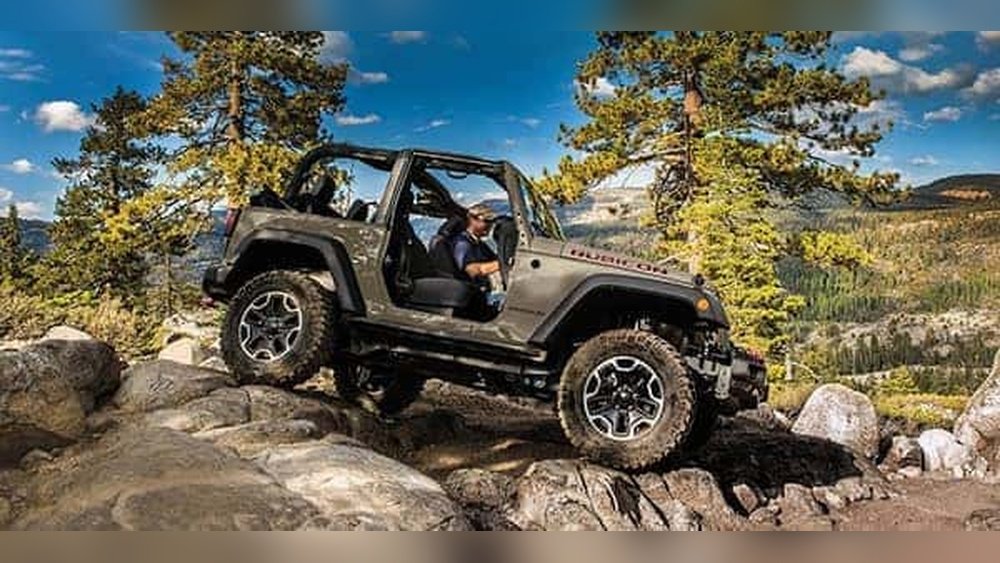
With classic Jeep features like solid axles and high ground clearance, the Wrangler 2.0 Turbo handles mud, rocks, and sand easily. Select trims include locking differentials and a disconnecting sway bar for even better performance.
6. Interior Comfort
Seats are supportive, and the ride is less bouncy than older Wranglers. Higher trims offer leather, heated seats, and dual-zone climate control.
7. Cargo Space
You get about 31.7 cubic feet behind the rear seats in the four-door version. Fold them down for over 72 cubic feet—great for camping gear or groceries.
8. Infotainment System
The latest Uconnect system offers a responsive touchscreen, Apple CarPlay, and Android Auto. The interface is simple, but base models have smaller screens.
9. Safety Features
Standard features include rearview camera, airbags, and stability control. Optional upgrades: blind-spot monitoring and forward collision warning.
10. Ride Quality
The Wrangler is better than ever on paved roads. The turbo engine’s torque helps in city traffic, but you still feel some bumps—this is a rugged SUV.
11. Noise Levels
Wind and road noise are common with the Wrangler’s boxy shape. The hardtop reduces sound, but it’s never as quiet as a luxury SUV.
12. Price
Starting prices for the 2. 0 Turbo are similar to the V6, usually around $34,000 for a base model. Add options, and prices rise quickly.

13. Trim Levels
The turbo engine is available on most trims. Popular choices include Sport, Sahara, and Rubicon. Each trim has different features and off-road abilities.
14. Customization
Jeep offers many factory options—roof types, bumpers, wheels. The aftermarket community is huge, so you can make your Wrangler unique.
15. Reliability
Early data shows the 2. 0 Turbo is reliable, but always check for recalls and maintenance records if buying used.
16. Maintenance Costs
Turbo engines may require more frequent oil changes and premium fuel. Regular maintenance costs are a bit higher than non-turbo models.
17. Resale Value
Wranglers hold value very well. The 2. 0 Turbo’s resale is strong, especially for four-door models.
18. Technology
Besides infotainment, you get remote start, keyless entry, and optional adaptive cruise control. These features help the Wrangler feel modern.
19. City Driving
The turbo engine’s torque makes stop-and-go traffic easier. The Wrangler is still wide and tall, so parking can be tricky in tight spaces.
20. Unique Turbo Experience
The 2. 0 Turbo feels different from the V6. It’s quicker off the line and uses less fuel, but some purists miss the classic V6 sound.
Here’s a quick comparison of specs between the 2.0 Turbo and 3.6 V6:
| Specification | 2.0L Turbo | 3.6L V6 |
|---|---|---|
| Horsepower | 270 hp | 285 hp |
| Torque | 295 lb-ft | 260 lb-ft |
| MPG (city/highway) | 22/24 | 17/25 |
| Towing Capacity | 3,500 lbs | 3,500 lbs |
Wrangler 2.0 Turbo Pros And Cons
It helps to see the main advantages and disadvantages at a glance:
| Pros | Cons |
|---|---|
| Better fuel economy | Higher maintenance costs |
| Strong torque for city & off-road | No manual transmission option |
| Modern tech features | Still noisy at highway speeds |
Off-road Vs. On-road: Which Is Better?
For off-road fans, the 2.0 Turbo shines thanks to its low-end torque and proven Jeep hardware. For highway cruisers, the improved fuel economy and tech make it a daily driver. One thing many buyers overlook: keeping the turbo spooled at low speeds off-road gives smoother crawling than the V6.
Another insight: some drivers report less turbo lag in cold weather, but performance drops slightly with regular (not premium) fuel. Always use the recommended fuel for best results.

Frequently Asked Questions
Is The Jeep Wrangler 2.0 Turbo Good For Daily Driving?
Yes, the Wrangler 2. 0 Turbo is comfortable for daily use. It has good power, helpful tech, and better fuel economy than older models.
Jeep recommends premium fuel for best performance, but it will run on regular. You may notice a slight drop in power with regular gas.
Can The 2.0 Turbo Handle Tough Off-road Trails?
Absolutely. With the right trim and tires, it’s just as capable as other Wranglers. The turbo’s torque helps on steep climbs and in deep mud.
What’s The Main Downside Compared To The V6?
The 2. 0 Turbo only comes with an automatic transmission. Some drivers miss the manual option and the classic V6 sound.
How Does The Wrangler 2.0 Turbo Compare To Other Suvs?
It stands out for off-road ability and custom options. However, it’s not as quiet or smooth as road-focused SUVs. For more details, see the official Jeep site.
The Jeep Wrangler 2. 0 Turbo offers a unique balance of power, efficiency, and off-road skill. While it has a few drawbacks, it remains a top pick for anyone wanting adventure with modern comfort. If you want a flexible and fun SUV, this Wrangler deserves a close look.