If you love exploring wild trails or want a reliable SUV for rough terrains, you’ve probably wondered if the Jeep Sahara is good off road. The Sahara has a strong reputation for comfort and style, but is it tough enough for real adventure?
Let’s dive into its features, compare it to other Jeep models, and see how it performs when the pavement ends.
What Makes The Jeep Sahara Unique?
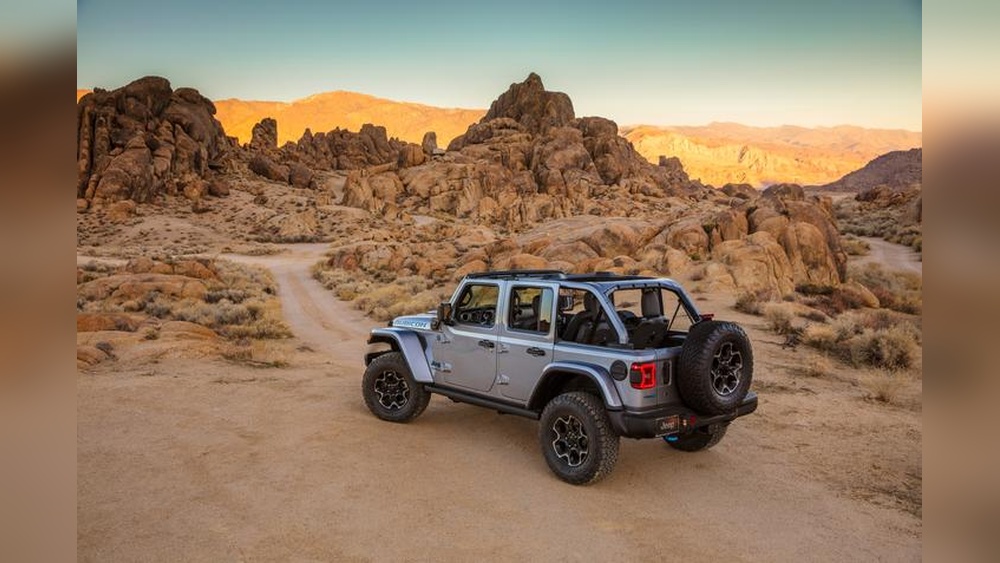
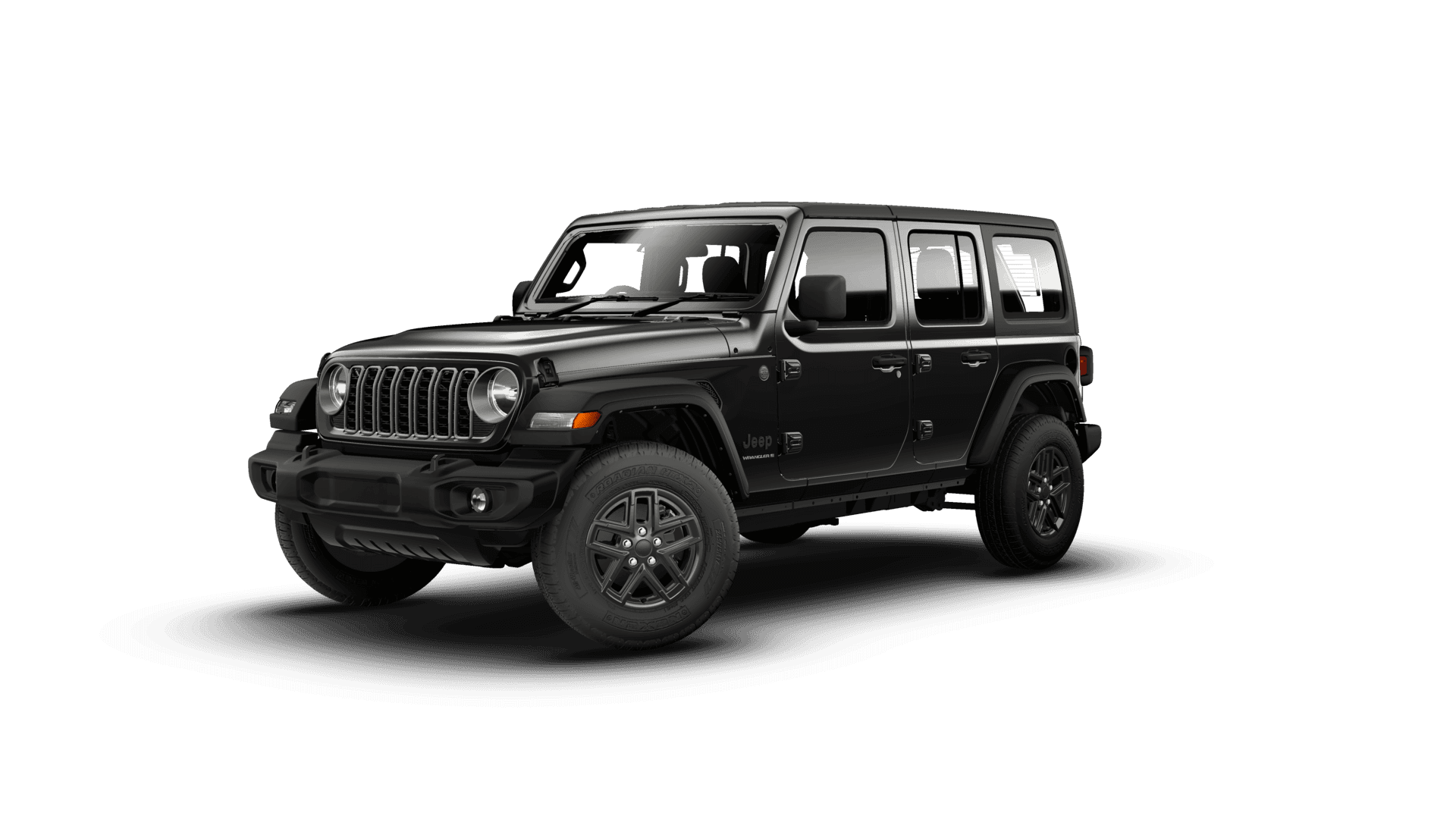
The Jeep Wrangler Sahara stands out for its blend of everyday comfort and off-road capability. It’s designed to look stylish while still offering rugged features. The Sahara comes with:
- 4WD (four-wheel drive) system for better traction
- 18-inch wheels for stability
- Heavy-duty suspension for smoother rides
- Skid plates to protect the underbody
These features help the Sahara handle dirt roads, muddy paths, and sand. Many buyers choose the Sahara because it feels more refined than the basic Wrangler, with extras like automatic climate control and better seats.
Off-road Performance: Strengths And Limits
Key Off-road Features
Here’s how the Sahara stacks up in real off-road situations:
- Selec-Trac 4WD System: This smart system automatically switches between two-wheel and four-wheel drive. It’s great for changing weather or tricky surfaces.
- Ground Clearance: The Sahara offers about 10.9 inches of ground clearance. This helps avoid rocks and obstacles.
- Approach and Departure Angles: It has an approach angle of 18.5° and a departure angle of 20.3°. These numbers mean you can climb over low obstacles, but the angles are lower than the Rubicon model.
- Skid Plates: These metal plates protect important parts like the gas tank and transfer case.
- Traction Control: Helps keep tires from spinning on slippery ground.
Where The Sahara Excels
- Sand Dunes and Dirt Trails: Its 4WD and tires handle loose sand and dry dirt well.
- Light Mud: With good tire grip and ground clearance, it pushes through shallow mud.
- Rocky Paths: Skid plates protect underneath, but ground clearance is just enough for medium rocks.
Where It Falls Short
- Deep Water Crossings: The Sahara’s air intake isn’t as high as the Rubicon’s.
- Heavy Rock Crawling: The tires and suspension are not designed for extreme rocks.
- Steep Inclines: Lower approach/departure angles limit climbing steep hills.
Here’s a quick comparison of the Sahara’s off-road stats with the Rubicon and Sport models:
| Model | Ground Clearance (inches) | Approach Angle (°) | Departure Angle (°) | 4WD System |
|---|---|---|---|---|
| Sahara | 10.9 | 18.5 | 20.3 | Selec-Trac |
| Rubicon | 12.9 | 21.8 | 24.4 | Rock-Trac |
| Sport | 9.7 | 17.4 | 19.4 | Command-Trac |

Real-world Examples And Insights
Many Sahara owners report excellent performance on forest trails, desert roads, and gravel paths. One Jeep fan described driving the Sahara across the Mojave Desert with ease, thanks to its 4WD and comfortable ride. However, when facing sharp rocks or deep mud, some drivers needed help from other Jeeps, especially the Rubicon.
A common mistake among beginners is underestimating tire type. The Sahara’s all-terrain tires are good for most surfaces, but for deep mud or snow, upgrading to more aggressive tires makes a big difference.
Another insight: the Sahara’s advanced Selec-Trac system is easy for beginners, but using it correctly is key. Always check the user manual before switching modes, and remember to slow down when moving from pavement to rough ground.
Comfort Vs. Capability
The Sahara is often chosen by people who want both daily comfort and weekend adventure. It has:
- Leather seats (optional)
- Touchscreen infotainment
- Quiet cabin (compared to other Wranglers)
- Removable roof and doors for open-air fun
But these comfort features add weight, which slightly reduces extreme off-road ability. If you plan to spend more time off road than on, the Rubicon may be a better choice.
Let’s compare the comfort and off-road gear of the Sahara and Rubicon:
| Feature | Sahara | Rubicon |
|---|---|---|
| Seat Material | Cloth/Leather | Cloth/Leather |
| Infotainment | 8.4-inch touchscreen | 7-inch touchscreen |
| Axles | Standard Dana 44 | Heavy-duty Dana 44 |
| Locking Differentials | No | Yes (Front & Rear) |
Common Buyer Mistakes
- Ignoring tire upgrades: Factory tires are great for road and mild trails, but deep mud or snow needs better tires.
- Misusing 4WD modes: Switching to 4WD high on dry pavement can damage the system.
- Overestimating water fording: The Sahara is not built for deep water. Always check depth before crossing.
- Not checking ground clearance: If you add aftermarket steps or bumpers, you may reduce clearance and get stuck more easily.
Is The Jeep Sahara Right For You?
If you want a vehicle for both city driving and off-road fun, the Jeep Sahara is a strong choice. It’s not as extreme as the Rubicon but handles most trails with confidence. It’s perfect for people who want comfort but still need real capability.
For deeper technical specs, you can visit the official Jeep site.

Frequently Asked Questions
Is The Jeep Sahara Good For Beginners?
Yes, the Sahara’s Selec-Trac 4WD and user-friendly controls make it easy for beginners. The ride is smooth, and most off-road basics are covered.
Can The Sahara Handle Snow And Ice?
With 4WD and traction control, the Sahara performs well in snow and ice. For heavy snow, consider upgrading to winter tires.
Is The Sahara Better Than The Rubicon Off Road?
The Rubicon is more capable for extreme off-roading. The Sahara is better for mixed use—city, highway, and moderate trails.
What Should I Upgrade For Better Off-road Performance?
Consider all-terrain tires, a lift kit, and stronger skid plates if you plan to tackle harder trails or mud.
Is The Sahara Comfortable For Long Drives?
Yes, the Sahara offers quiet cabins, good seats, and advanced infotainment, making it ideal for both short and long trips.
The Jeep Sahara brings a balance of comfort and adventure. For most people, it’s a great off-road companion that doesn’t sacrifice style or daily usability.
If you want a mix of trail capability and city comfort, the Sahara is worth a closer look.