The Jeep Rubicon: Is It A Good Vehicle?
The Jeep Rubicon often comes up in conversations about off-road vehicles and adventure-ready SUVs. Its strong, boxy look and “go anywhere” reputation make it appealing to drivers who want both a daily car and a trail machine. But is the Jeep Rubicon truly a good vehicle for most people, or is it only for a small group of off-road fans? Let’s look at its real strengths, weaknesses, and who will get the most value from this popular model.
What Makes The Rubicon Special?
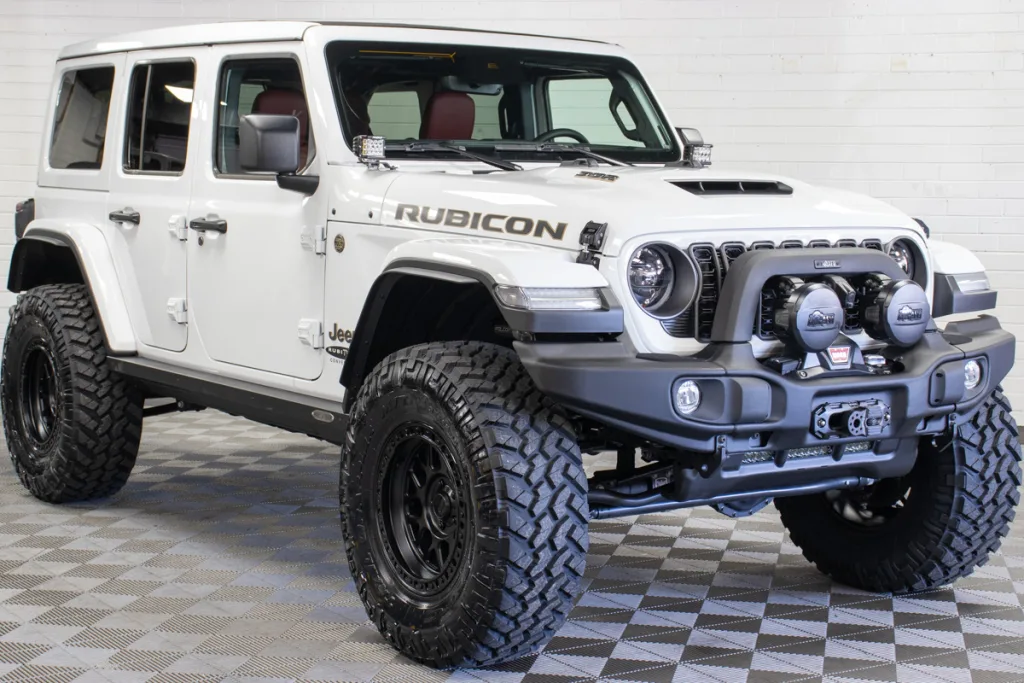
The Rubicon is a top trim of the Jeep Wrangler lineup. Jeep built it for serious off-roading, but it’s also used as a regular car in cities and suburbs. Here’s what sets the Rubicon apart:
- Heavy-duty axles: These are stronger than what you find in most SUVs.
- Locking differentials: These help all wheels turn at the same speed for maximum grip.
- Disconnecting sway bar: This improves wheel movement over rocks.
- Aggressive tires: Designed for mud, rocks, and rough ground.
- 4: 1 low-range transfer case: Great for slow, controlled crawling over tough trails.
These features are not just marketing. They make the Rubicon one of the best factory-built off-road vehicles in the world.
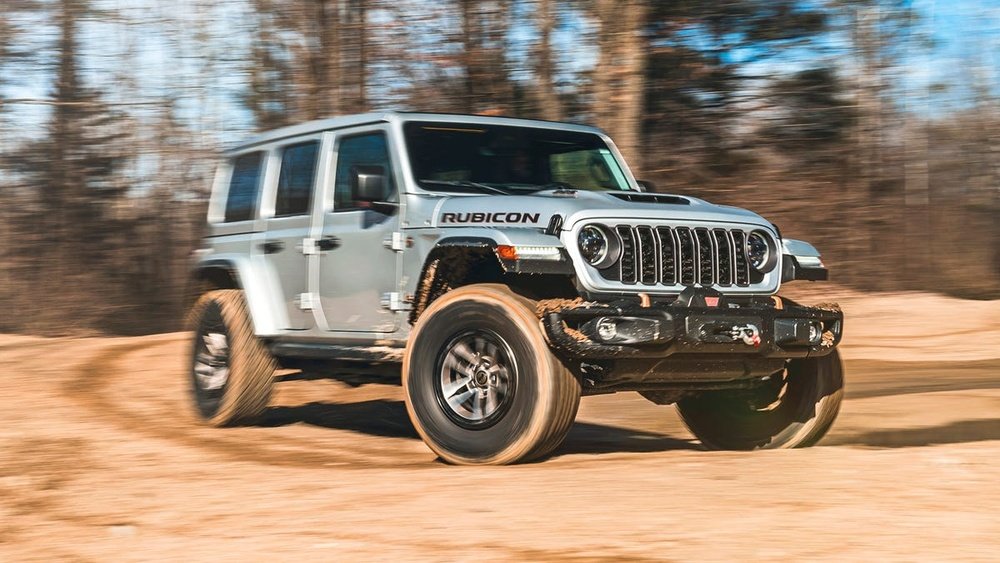
On-road Performance: Daily Driving
While the Rubicon shines off-road, most people still need to drive on highways and city streets. Here’s how it performs in regular use.
| Feature | Rubicon | Typical SUV |
|---|---|---|
| Ride Comfort | Firm, bouncy | Smooth |
| Noise Level | Loud (wind/tires) | Quiet |
| Fuel Economy | 17-22 mpg | 22-30 mpg |
| Handling | Loose, truck-like | Car-like, stable |
The Rubicon is not as quiet or smooth as most SUVs. Its large tires and boxy shape cause more road noise and lower fuel efficiency. Steering feels heavier and less precise. For city driving or long highway trips, some people find these traits tiring.
However, these are the trade-offs for top off-road ability.
Off-road Abilities: Where The Rubicon Wins
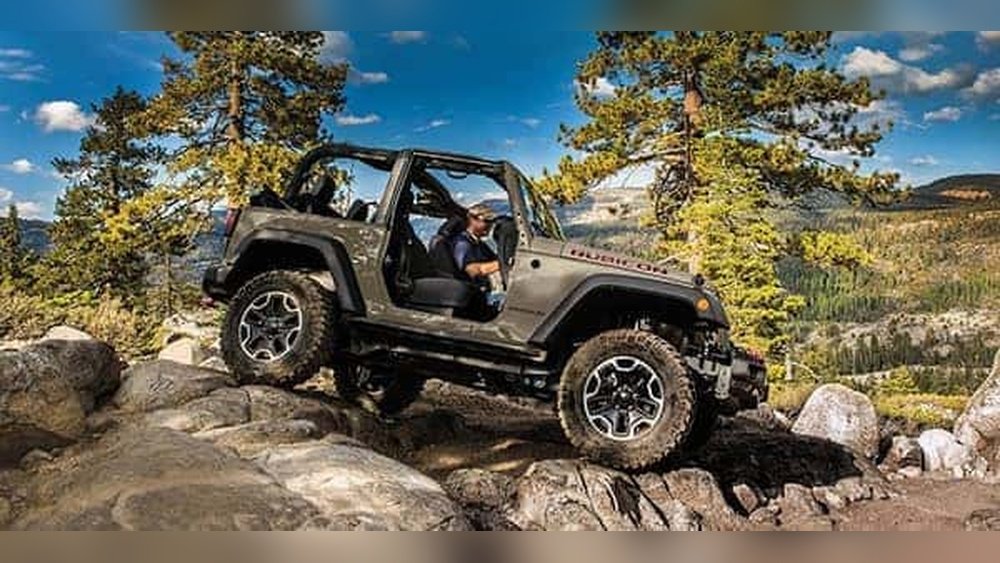
Few vehicles match the Rubicon’s skill when the pavement ends. It’s built to handle rocks, mud, sand, and steep climbs.
Key Off-road Stats
| Specification | Rubicon (2024) | Competitor: Toyota 4Runner TRD Pro |
|---|---|---|
| Ground Clearance | 10.8 inches | 9.6 inches |
| Approach Angle | 44° | 33° |
| Water Fording | Up to 34 inches | 27.5 inches |
| Locking Differentials | Front & Rear | Rear Only |
The numbers show that the Rubicon can climb steeper slopes, clear larger obstacles, and cross deeper water than many rivals. These advantages come from its special hardware.
Interior, Comfort, And Technology
The Rubicon’s interior has improved in recent years. You get:
- Modern touchscreens (up to 12.3 inches in new models)
- Apple CarPlay and Android Auto
- Leather seat options
- Heated seats and steering wheel (in higher trims)
- Removable roof and doors for open-air driving
But the interior is still more basic compared to luxury SUVs. The ride is louder, and the cabin materials are rugged but not plush. Cargo space is decent but not the largest in its class.

Reliability, Maintenance, And Cost
Jeep’s reliability record is mixed. The Rubicon’s tough parts are durable off-road, but regular city use can bring small issues.
Cost Breakdown Example (5-year Ownership)
| Expense | Rubicon (Avg.) | Typical SUV (Avg.) |
|---|---|---|
| Purchase Price | $48,000 | $38,000 |
| Annual Maintenance | $650 | $450 |
| Fuel (per year) | $2,200 | $1,500 |
| Resale Value (5 yrs) | High | Moderate |
The Rubicon costs more to buy and run than a regular SUV. However, it holds value well, so you may lose less money when you sell. Maintenance can be more frequent, especially if you use it for real off-roading.
Who Should—and Shouldn’t—buy The Rubicon
The Rubicon is an excellent choice for:
- People who love off-roading, camping, or exploring rough trails
- Drivers who want a car that stands out and has a strong personality
- Those who value resale value and open-air driving
It may not be the best fit for:
- Families who need a quiet, smooth ride for daily use
- Commuters who drive long highway distances
- Buyers looking for luxury or high fuel economy
One thing many new owners miss: the Rubicon’s removable roof and doors, which are fun, but require tools and some muscle. Also, mud and water can get into the cabin during hardcore off-roading, so interior cleaning is more work.

Real-world Owner Impressions
Most Rubicon owners praise its off-road performance and unique style. Many say they feel part of a “Jeep community,” which is an added bonus. But some mention that small things—wind leaks, rattles, or the need for frequent tire balancing—can annoy if you expect a luxury experience.
A non-obvious insight: insurance can be higher than you think, due to the Rubicon’s higher price and theft risk. Also, towing capacity is lower than some rivals (usually 3,500 pounds), so it’s not the best for big trailers.
Frequently Asked Questions
Is The Jeep Rubicon Good For Daily Driving?
The Rubicon can be used every day, but it is less comfortable, noisier, and uses more fuel than most regular SUVs. It is best for people who value off-road ability over comfort.
How Much Does A Jeep Rubicon Cost?
A new Rubicon usually starts around $48,000, but prices go up with options and special editions. Used models can be less, but still hold value well.
What Is The Difference Between The Rubicon And Other Jeep Wranglers?
The Rubicon has stronger off-road parts, like locking differentials and heavy-duty axles, that other Wranglers do not. It is the most trail-ready version from the factory.
Is The Jeep Rubicon Reliable?
Rubicons are tough off-road, but they can have small issues with electronics or leaks. Maintenance is important, especially if you drive off-road often.
Where Can I Learn More About Jeep Rubicon Specs?
For full technical details, visit the official Jeep website for the latest information.
The Jeep Rubicon is not perfect for everyone, but for adventure lovers, it remains a top choice for real off-road performance and bold style. If you know what you’re getting—strengths and trade-offs—it can be a great vehicle that stands out from the crowd.