Is The Jeep I4 Engine Good?
Choosing a Jeep often means deciding between different engines. Many buyers wonder if the Jeep I4 engine is a smart choice.
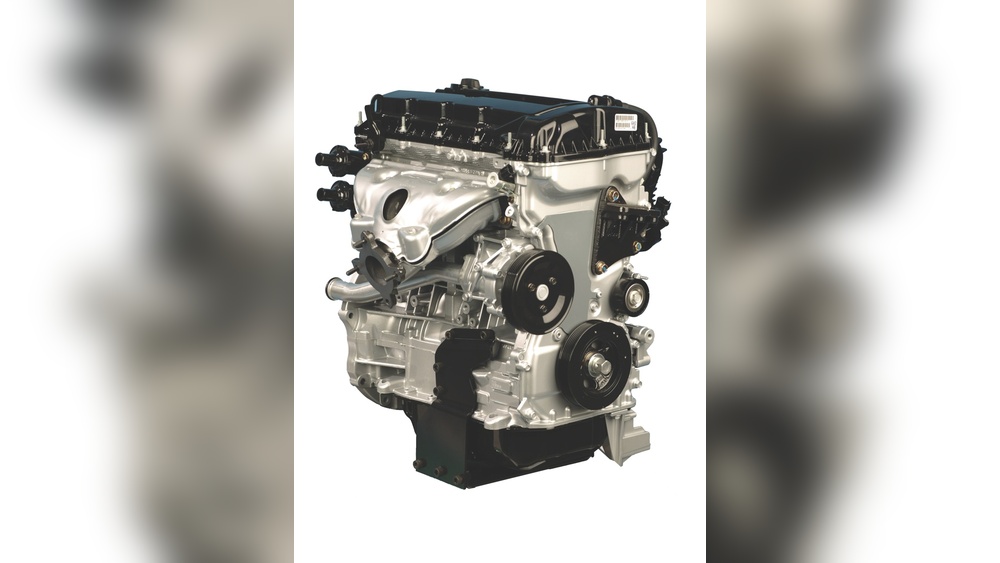
This four-cylinder powertrain is found in several Jeep models, including the Wrangler, Cherokee, and Compass. Some drivers love its fuel efficiency and lighter weight, while others worry about its strength and durability.
If you're considering a Jeep I4 engine, this guide will help you understand its real-world performance, reliability, and value. We'll look at four main areas: performance, fuel economy, reliability, and cost of ownership.
These factors matter most when picking a Jeep for daily driving or off-road adventures.
Performance
The Jeep I4 engine is known for its balanced power and efficiency. Most modern Jeep I4 engines, like the 2.0L turbocharged found in the Wrangler, produce around 270 horsepower and 295 lb-ft of torque. This is impressive compared to older four-cylinder engines, which often struggled to deliver enough strength for larger SUVs.
A key advantage is the turbocharger. It gives the engine extra power without needing more cylinders.
For city driving, the I4 engine feels responsive and quick. When accelerating from a stop or merging onto highways, drivers notice a strong push.
However, if you’re planning heavy towing or extreme off-roading, the I4 can feel less robust than Jeep’s V6 or V8 engines.
Here’s a quick comparison of the Jeep I4 and V6 engines:
| Engine | Horsepower | Torque (lb-ft) | Towing Capacity |
|---|---|---|---|
| I4 Turbo (Wrangler) | 270 | 295 | 3,500 lbs |
| V6 (Wrangler) | 285 | 260 | 3,500 lbs |
Insight: Many beginners think the I4 will always feel weaker, but the turbocharged version often matches or beats the V6 in torque. This means good performance for everyday use.
Fuel Economy
Jeep I4 engines are popular for their better fuel efficiency. With gas prices rising, many drivers want a vehicle that uses less fuel. The I4 in the Wrangler gets about 21 mpg city and 24 mpg highway. In the Cherokee, it can reach up to 29 mpg highway.
A smaller engine means lighter weight, so the car needs less energy to move. This is especially noticeable during city driving and short trips.
For drivers using their Jeep for daily commuting, the savings add up over time.
Compare fuel economy for Jeep engines:
| Model | I4 MPG (City/Highway) | V6 MPG (City/Highway) |
|---|---|---|
| Wrangler | 21 / 24 | 17 / 23 |
| Cherokee | 23 / 29 | 20 / 27 |
Non-obvious tip: Highway mileage is where the I4 shines, but real-world city mpg is often 10% lower than EPA numbers. Consider this if you drive mostly in town.
Reliability
Reliability is a major concern for Jeep owners. The I4 engine has a reputation for durability and simple maintenance. The design is less complex than larger engines, which means fewer parts that can break. Many Jeep I4 engines, especially the 2.4L Tigershark and 2.0L Turbo, have proven dependable with regular care.
Some drivers worry about the turbocharger’s longevity. Turbo engines need quality oil and regular servicing. Neglect can lead to expensive repairs. However, modern Jeep turbos are built to last over 100,000 miles if maintained well. Owners report fewer problems with overheating or oil leaks compared to older V6 engines.
Here’s a reliability snapshot:
| Engine | Common Issues | Expected Lifespan |
|---|---|---|
| I4 Turbo | Turbo wear, oil consumption | 120,000+ miles |
| 2.4L Tigershark | Valve cover leaks | 100,000+ miles |
| V6 Pentastar | Camshaft sensors, cooling issues | 150,000+ miles |
Expert insight: Many beginners overlook maintenance schedules. Following Jeep’s service intervals is key to keeping the I4 engine reliable.
Cost Of Ownership
The Jeep I4 engine offers a lower cost of ownership compared to larger engines. Fuel savings are clear, but repair costs and insurance are also usually less. Replacing parts for an I4 is often cheaper because the engine is simpler.
For example, an I4 oil change costs about $60-$80, while a V6 might cost $90 or more. Insurance rates for I4 Jeeps are often lower since the engine is seen as less risky. Over five years, owners can save hundreds in fuel and maintenance.
Common mistake: Some buyers think smaller engines always mean cheaper repairs. Turbo I4s may cost more to fix than non-turbo models. Always check maintenance costs before buying.