The Jeep Gladiator is a truck that grabs attention. People love its rugged style, off-road ability, and the fact it looks like a Wrangler with a pickup bed. But many drivers wonder: Is the Jeep Gladiator a unibody vehicle? This question matters because the type of construction affects how a vehicle drives, tows, and handles tough terrain. Let’s dive in and clear up the facts about the Gladiator’s design.
What Does “unibody” Mean?
A unibody vehicle has its frame and body built as one piece. Most modern cars, SUVs, and crossovers use this design. Why? Unibody vehicles are lighter, offer better handling, and use space more efficiently. This is great for city driving and fuel economy.
But unibody isn’t perfect for everything. Trucks and serious off-road vehicles often need extra strength. That’s where body-on-frame comes in—a design where the body sits on top of a strong, separate frame.
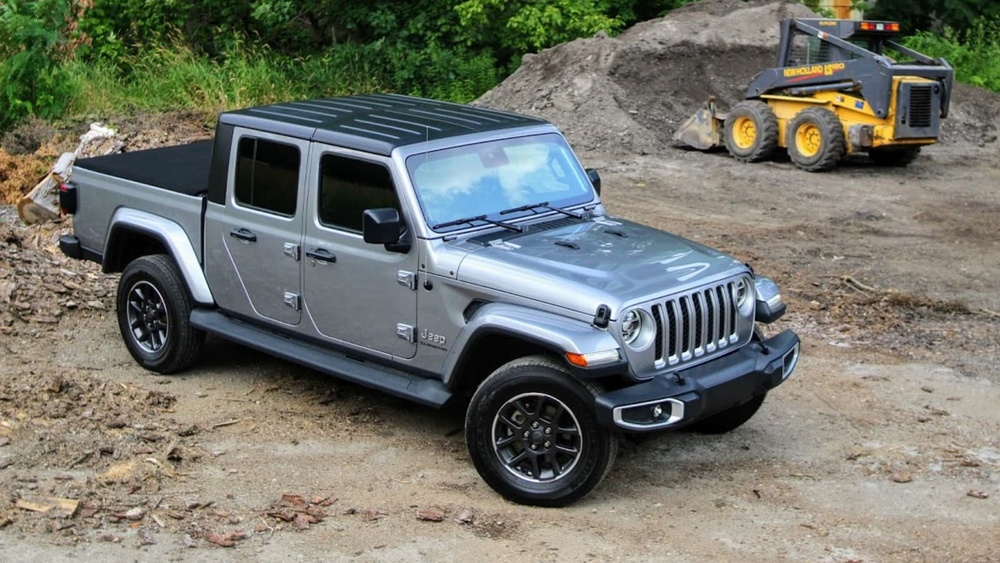
Jeep Gladiator: Body-on-frame Or Unibody?
Let’s answer the main question: The Jeep Gladiator is NOT a unibody vehicle. It uses a traditional body-on-frame construction. This makes it more like classic pickup trucks and the Jeep Wrangler, not like modern crossovers.
How Gladiator Construction Compares
Below is a table showing the difference between unibody and body-on-frame for key features:
| Feature | Unibody | Body-On-Frame |
|---|---|---|
| Strength | Lower | Higher |
| Weight | Lighter | Heavier |
| Ride Comfort | Smoother | Rougher |
| Off-Road Ability | Limited | Excellent |
| Towing Capacity | Lower | Higher |

Why Jeep Uses Body-on-frame For Gladiator
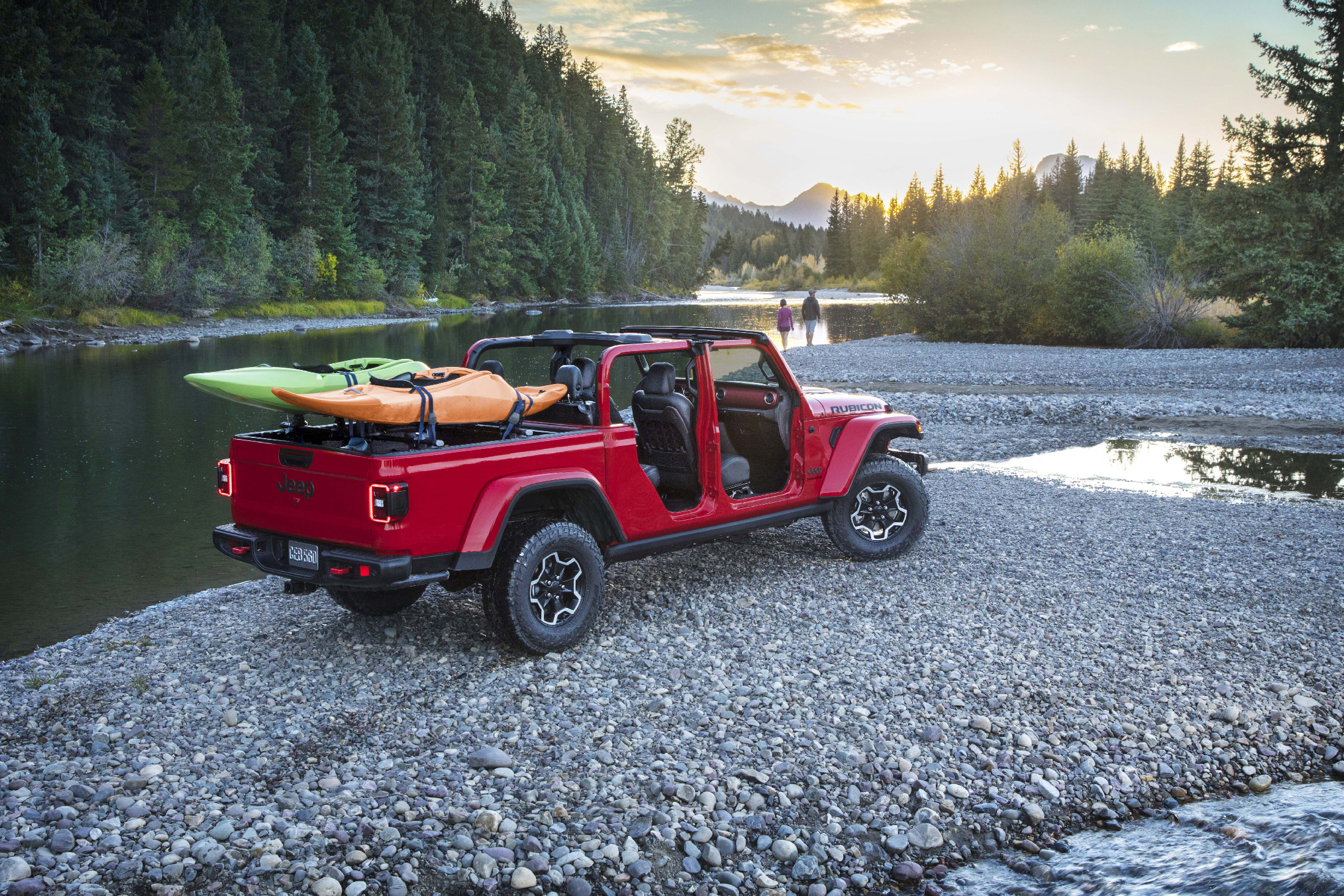
The Gladiator is built for off-road driving and heavy-duty tasks. Body-on-frame is the best choice for:
- Withstanding rough terrain
- Handling larger payloads
- Towing heavier trailers
Jeep wanted the Gladiator to be tough, not just stylish. This construction gives Gladiator the strength to survive rocky trails, mud, and steep climbs.
Real-world Example
The Gladiator’s towing capacity is up to 7,700 pounds. Compare that to most unibody mid-size SUVs, which max out around 5,000 pounds. That extra strength comes directly from the body-on-frame design.
Gladiator Vs. Other Trucks
How does the Gladiator stack up against competitors? Let’s compare with the Ford Ranger and Honda Ridgeline.
| Model | Construction | Towing Capacity (lbs) | Off-Road Features |
|---|---|---|---|
| Jeep Gladiator | Body-On-Frame | 7,700 | Locking differentials, removable doors |
| Ford Ranger | Body-On-Frame | 7,500 | Terrain Management System |
| Honda Ridgeline | Unibody | 5,000 | All-wheel drive, independent suspension |
The Gladiator and Ranger use body-on-frame. The Ridgeline, however, is unibody.
That means Ridgeline offers a smoother ride but less towing power and off-road ruggedness.
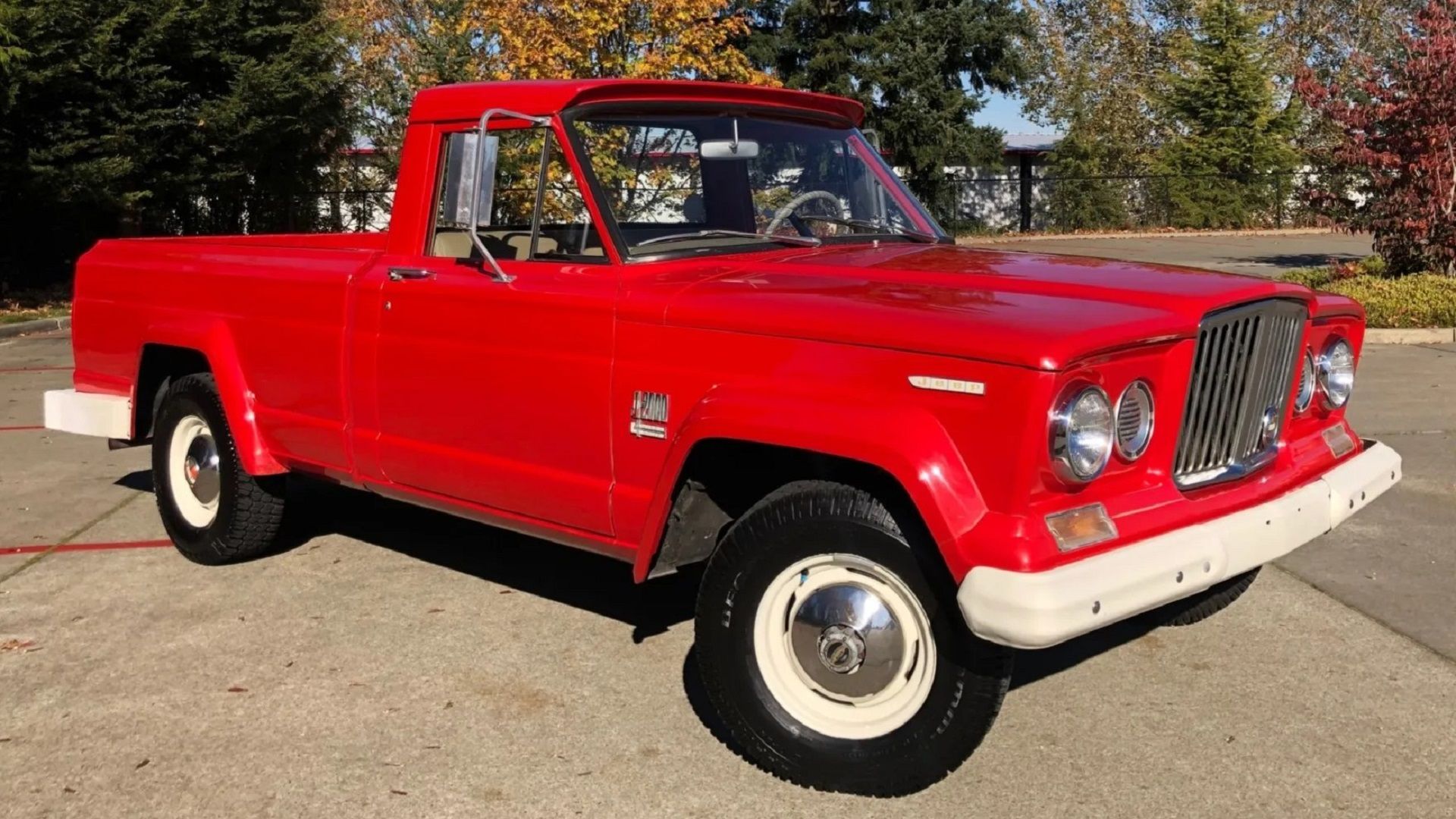
Advantages And Disadvantages Of Gladiator’s Design
Let’s break down the pros and cons of body-on-frame for the Gladiator:
Advantages
- Durability: Handles hard impacts and heavy loads.
- Off-road Performance: Superior for rock crawling and trail driving.
- Towing and Payload: Built to pull bigger trailers and carry heavier cargo.
- Repairability: Easier to fix after damage since body and frame are separate.
Disadvantages
- Weight: Heavier than unibody vehicles, which can hurt fuel economy.
- Ride Quality: Rougher on paved roads compared to unibody.
- Handling: Less responsive in corners and city driving.
Common Misunderstandings
Many people think the Gladiator is unibody because it looks modern and stylish. But don’t be fooled by appearances. Body-on-frame isn’t old-fashioned—it’s still the top choice for serious trucks. Another mistake: believing unibody is “better” because it’s newer. In reality, each design has a purpose.
Why This Matters For Buyers
If you’re shopping for a Gladiator, knowing it’s body-on-frame helps you decide if it fits your needs.
- Want to tow a boat, camper, or work trailer? Gladiator’s frame can handle it.
- Plan to go off-road often? The construction is made for rough use.
- Prefer a smoother ride and better gas mileage? You might want a unibody SUV or crossover instead.
Most beginners overlook how construction affects daily life. For example, if you use your truck for commuting only, the heavier frame can mean higher fuel costs.
But if you need strength, the Gladiator stands out.
More Data: Gladiator Frame Specs
Here’s a quick look at Gladiator’s frame details:
| Specification | Value |
|---|---|
| Frame Type | Fully boxed steel |
| Axle Configuration | Solid front and rear |
| Wheelbase | 137.3 inches |
| Payload Capacity | 1,700 lbs |
Solid axles and a boxed steel frame are classic features for durability. These make the Gladiator ready for tough jobs and rough terrain.
Frequently Asked Questions
Is The Jeep Gladiator A Unibody Vehicle?
No, the Gladiator uses body-on-frame construction. It’s made for strength and off-road use, not for comfort like most unibody SUVs.
What Are The Benefits Of Body-on-frame For The Gladiator?
Body-on-frame gives the Gladiator better towing, durability, and off-road ability. It’s easier to repair after accidents or heavy use.
Does Body-on-frame Make The Gladiator Less Comfortable?
Yes, the ride can be rougher compared to unibody vehicles. City drivers may notice more bumps and less agile handling.
How Does Gladiator Compare To Unibody Trucks Like The Ridgeline?
The Gladiator can tow more and handle tougher terrain. The Ridgeline, with unibody, is smoother on pavement but less capable for heavy-duty jobs.
Where Can I Learn More About Vehicle Construction?
For deeper details, visit Wikipedia for Jeep Gladiator specifications and history.
The Jeep Gladiator stands out as a body-on-frame truck, mixing classic toughness with modern style. If you need a vehicle built for adventure, towing, and durability, Gladiator’s design delivers.
But always think about your daily needs sometimes a smoother unibody ride is better.
Knowing the difference helps you make the right choice.