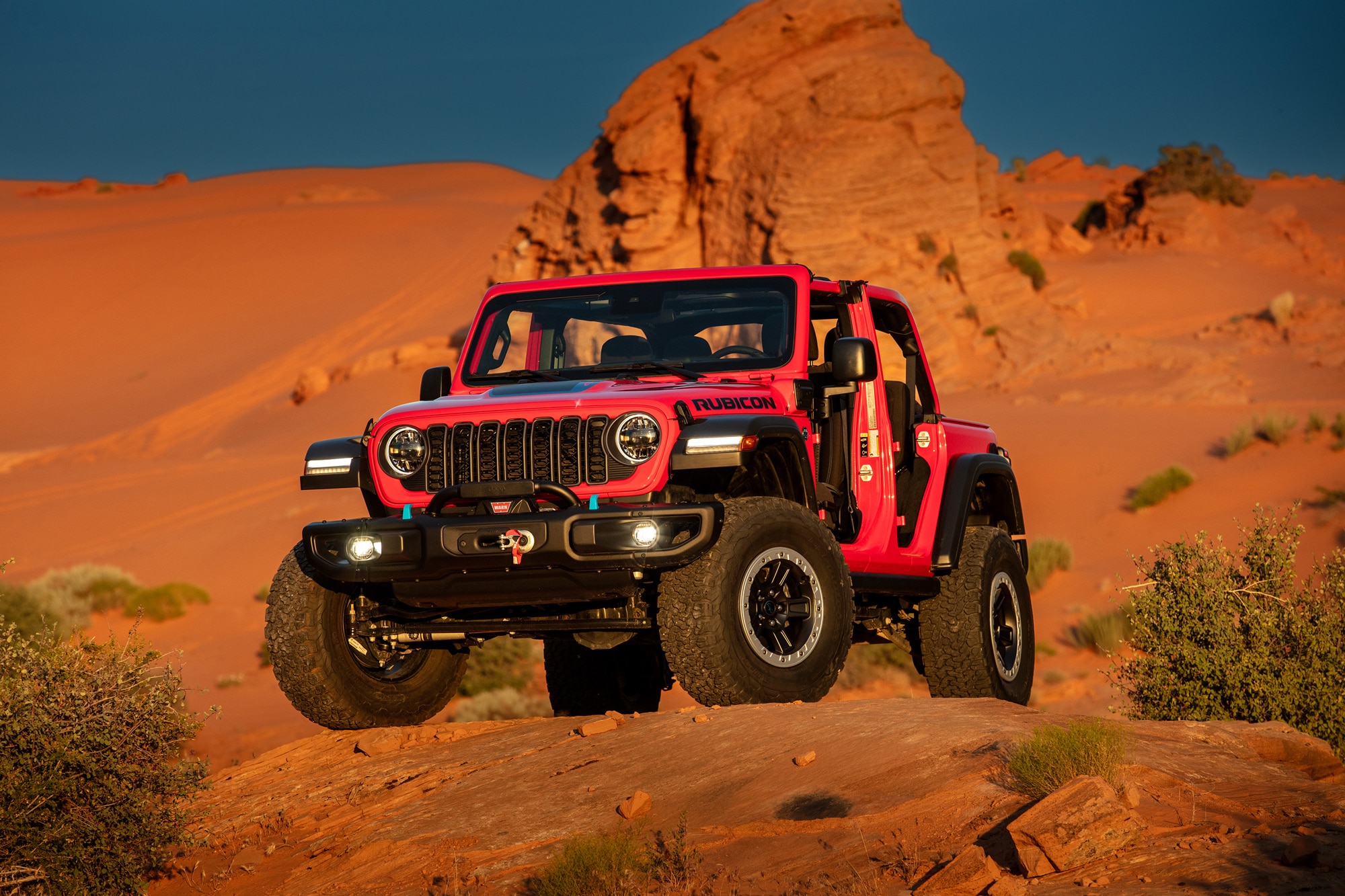
A Gladiator Rubicon may sit differently from another Gladiator trim because factory equipment varies, but “lifted” can mean factory stance, a package difference or an aftermarket suspension change. Inspect the actual truck before ordering parts.
Quick Answer
Use the VIN, build sheet and suspension inspection to determine whether a Gladiator Rubicon is stock or modified. Measure carefully and compare with model-year specifications instead of judging only by appearance.
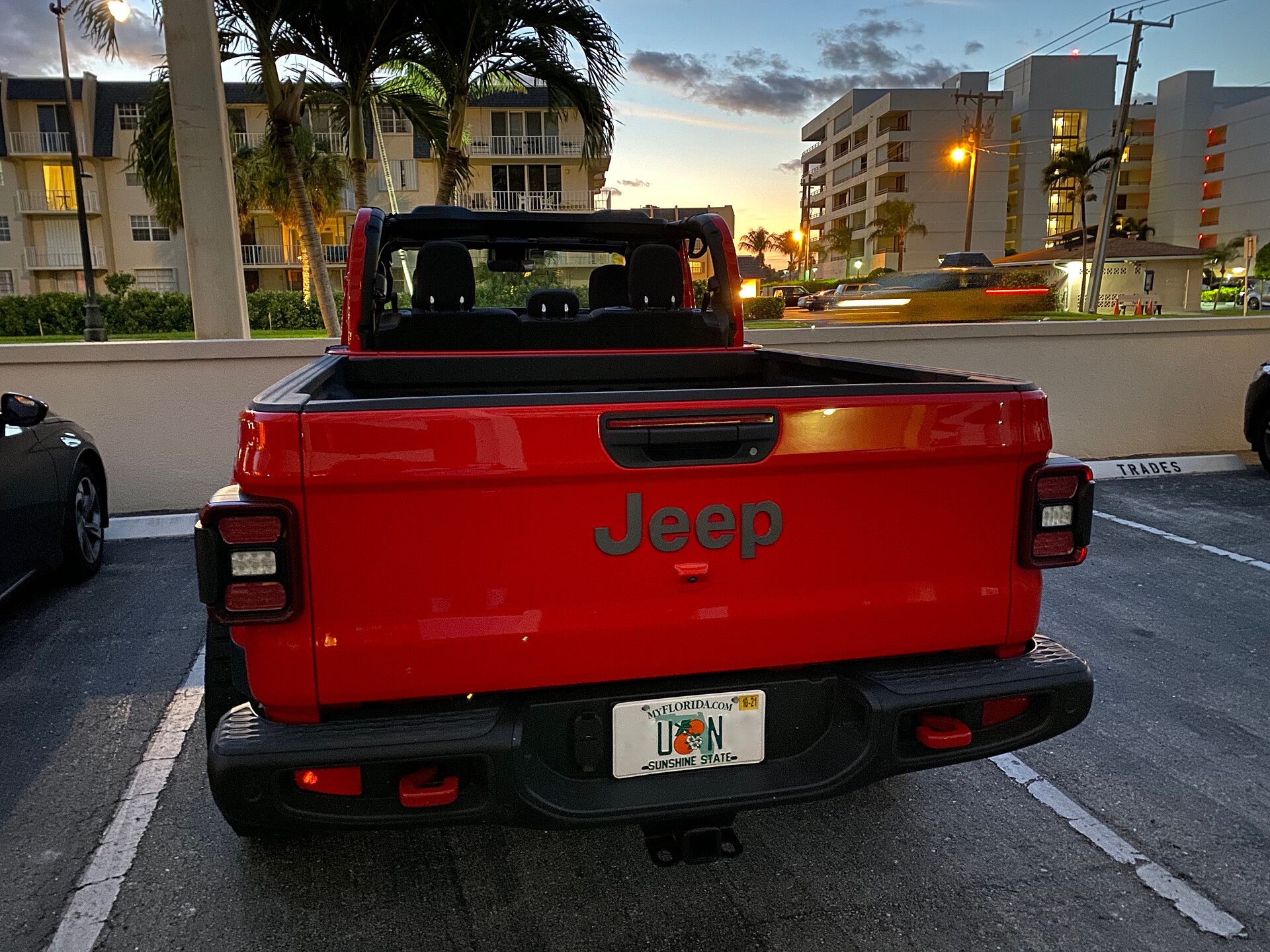
Define What You Mean by Lifted
Some owners mean factory ride height; others mean an added spacer, spring or suspension system. Use precise language before comparing trucks.
Build Sheet Comes First
The VIN-based equipment record helps identify the original configuration. Save it before modifying the truck or buying used.
Inspect Springs, Shocks and Hardware
Look for branded parts, spacers, control-arm changes, track-bar work and alignment documentation. A clean installation should have evidence.
Tire Size Changes the Look
Large tires may make a truck appear taller even when the suspension is stock. Record the tire size and wheel details.
Measure Consistently
Use the same reference points on level ground, with tire pressure set correctly. Random measurements from photos are unreliable.
Modifications Affect More Than Appearance
A lift may change alignment, steering feel, braking, driveline angles and warranty questions. Price the supporting work before adding height.
Key Details to Check
| Item | What to verify | Why it matters |
|---|---|---|
| VIN/build sheet | Original equipment | Separates stock from modified |
| Tires | Size and pressure | Changes stance and measurement |
| Suspension | Springs, shocks, spacers and arms | Identifies aftermarket work |
| Alignment | Report and tire wear | Shows setup quality |
| Drive behavior | Steering, braking and vibration | Tests the complete result |
Step-by-Step Review
- Record the VIN, build sheet and tire size.
- Park on level ground and measure consistent points.
- Inspect suspension components and hardware.
- Ask for alignment and installation receipts.
- Road-test for steering and vibration.
- Use a qualified shop before changing the suspension.
Create a Vehicle-Specific Record
For Is The Jeep Gladiator Rubicon Lifted, keep VIN, build sheet, tire size, measurement points, suspension photos and alignment record. A short record for Is The Jeep Gladiator Rubicon Lifted prevents the next inspection, quote or update from relying on memory alone.
When to Stop and Get Qualified Help
Pause the DIY process for Is The Jeep Gladiator Rubicon Lifted when the truck pulls, vibrates, has uneven tire wear or shows suspension changes without clear installation evidence. A controlled inspection is safer than changing several parts or assumptions at once.
Common Mistakes to Avoid
- Calling every Rubicon factory-lifted without checking the year.
- Ignoring tire size.
- Buying suspension parts based on a photo.
- Skipping alignment after a change.
- Adding height without considering steering and driveline effects.
Frequently Asked Questions
Does every Gladiator Rubicon have aftermarket lift parts?
No. Inspect the actual truck and review the build sheet.
Can tires make the truck look lifted?
Yes. Tire size and wheel setup change the stance.
Should I get an alignment report?
Yes. Alignment evidence helps assess a modified truck and supports tire life.
Photograph the Suspension Before Buying Parts
Take clear photos of the springs, shocks, control arms, track bars and spacers. Include the tire size and wheel markings.
Those images help a shop identify whether the truck is stock, partially modified or fitted with a complete suspension system.
Measure on Level Ground
Set tire pressure correctly and measure both sides from consistent reference points. A sloped driveway, uneven cargo load or mismatched tires can create a false impression. Record the conditions with the measurements.
Road-Test for Supporting Problems
A lift discussion should include steering feel, braking, vibration and tire wear. If the Gladiator wanders, pulls or shakes, inspect the supporting components before adding more height or larger tires.
Measure Before Calling It Lifted
Park the Gladiator on level ground, set tire pressure correctly and measure both sides from consistent reference points. Photograph springs, spacers, shocks and control arms.
A large tire or uneven cargo load can change the appearance, so measurements and component photos are stronger evidence than a side-profile picture alone.
Check for Spacer-Only Shortcuts
A truck may use spacers, replacement springs or a more complete suspension system. Inspect the hardware rather than relying on the seller description.
Supporting parts, alignment and steering behavior matter when judging whether the setup was planned carefully.
Look at Tire Wear Patterns
Uneven wear may point toward alignment or suspension concerns. Photograph all four tires, measure tread depth and compare pressures.
The wear pattern can reveal a setup problem that is not obvious from the truck stance.
Bring the Measurements to a Shop
A qualified shop can compare the measurements, component photos and alignment report with the intended use. This is especially useful before adding another lift, larger tires or heavier accessories.
Final Editorial Check
For Is The Jeep Gladiator Rubicon Lifted, complete the last review with vin/build sheet, suspension and drive behavior.
Save the VIN context and source date beside the result so the page remains useful for Gladiator Rubicon factory stance and lift checks on the exact Jeep being discussed.
Publication Review
Before publishing Is The Jeep Gladiator Rubicon Lifted, read the answer once as an owner and once as a technician or buyer.
Remove any statement that is not supported by the model year, VIN context or the editorial source list for Gladiator Rubicon factory stance and lift checks.
- How To Remove Top From Jeep Gladiator
- How To Remove Spare Tire From Jeep Wrangler
- Jeep Gladiator Willys Vs Rubicon
Final Takeaway
A Gladiator Rubicon stance should be verified, not guessed. Use the build sheet, tire size, measurements, suspension inspection and road test before calling the truck stock or lifted.