Is The 3.7l Jeep Engine Good?
When looking at used Jeeps, many people ask, “Is the 3. 7L Jeep engine good?”
This V6 engine powered several Jeep models from the early 2000s to the mid-2010s. Known officially as the 3.
7L PowerTech, it sits between the older 4. 0L inline-six and newer Pentastar V6 engines.
Some drivers love it, while others warn about problems. Let’s break down all 37 important factors and real-world points to help you decide if this engine is right for you.
1. Engine Basics
The 3.7L Jeep engine is a V6 with 210-215 horsepower and 235-235 lb-ft of torque, depending on the model year.
2. Years Produced
Jeep used this engine from 2002 to 2012 in models like the Liberty, Grand Cherokee, and Commander.
3. Models Used
You’ll find the 3.7L in the Jeep Liberty (KJ and KK), Jeep Grand Cherokee (WK), and Jeep Commander (XK).
4. Fuel Economy
This engine averages 15-20 mpg in real-world mixed driving. It’s not the most fuel-efficient, but normal for a mid-2000s SUV.
5. Power Delivery
The 3.7L is smooth at low speeds but can feel underpowered when loaded or in steep terrain.
6. Towing Capacity
Most 3.7L Jeeps can tow 3,500-5,000 lbs. It’s enough for small boats or trailers, but not heavy loads.
7. Reliability
Many owners reach 200,000+ miles with good care. However, some common problems can appear.
8. Engine Noise
The 3.7L is quieter than the old 4.0L but can sound coarse under heavy acceleration.
9. Timing Chain
Unlike some engines, the 3.7L uses a timing chain, not a belt, so it rarely needs replacement.
10. Spark Plug Issues
Misfires are sometimes caused by fouled spark plugs or weak ignition coils, especially after 100k miles.
11. Valve Seat Problems
Some engines have valve seat failures, leading to loss of compression and expensive repairs.
12. Oil Consumption
A number of owners report higher oil consumption as the engine ages, especially after 150,000 miles.
13. Head Gasket Leaks
While rare, head gasket failures can happen and are costly to fix.
14. Intake Manifold Gaskets
Leaking intake manifold gaskets can cause rough running and check engine lights.
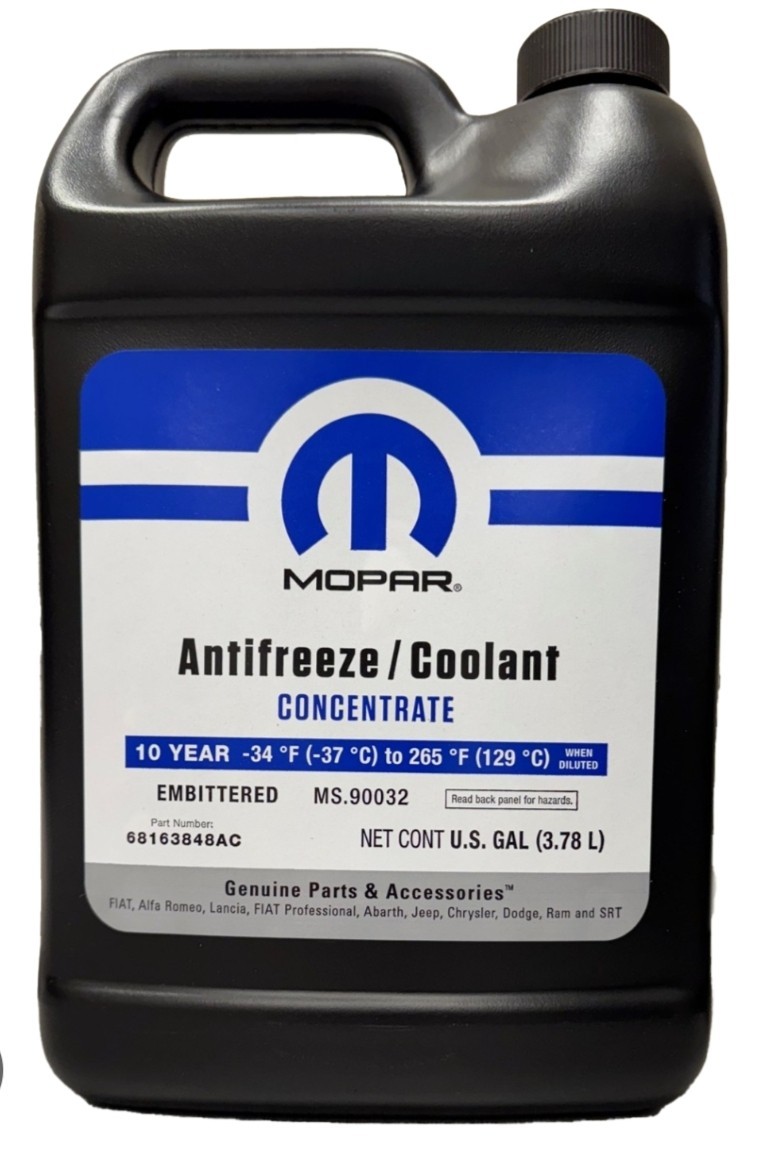
15. Cooling System
Radiators and water pumps can fail around 100,000 miles, leading to possible overheating.
16. Maintenance Cost
Routine maintenance is affordable, but some major repairs can be pricey due to tight engine bays.
17. Aftermarket Parts
There are plenty of aftermarket parts available, making repairs and upgrades easier.
18. Oil Changes
The engine needs regular oil changes every 3,000-5,000 miles to avoid sludge and wear.
19. Air Filter
A clogged air filter can impact performance, so change it every 15,000-30,000 miles.
20. Pcv Valve
A stuck PCV valve can cause oil leaks or engine roughness.
21. Throttle Body
Carbon buildup in the throttle body affects idle quality; cleaning every 30,000 miles helps.
22. Oxygen Sensors
Old O2 sensors can lower fuel economy and trigger warning lights.
23. Emissions
The 3.7L meets 2000s emissions standards but is less clean than newer V6s.
24. Off-road Capability
While not as torquey as the 4.0L, the 3.7L provides enough power for light to moderate off-roading.
25. Cold Weather Starts
It starts reliably in cold weather with the right oil and battery.
26. Overheating Risks
Overheating can occur if the cooling system isn’t maintained—flush coolant every 60,000 miles.
27. Transmission Pairing
Paired with 4-speed or 5-speed automatics, shifts are generally smooth.
28. Weight
The engine is lighter than the old straight-six, helping with vehicle balance.
29. Replacement Engines
Used 3.7Ls are easy to find and affordable, but check history for oil and cooling system issues.
30. Recalls
A few recalls affected this engine, mostly related to fuel systems and sensors.
31. Oil Leaks
Valve cover and oil pan gaskets can develop leaks as the engine ages.
32. Sensor Failures
Crankshaft and camshaft sensors sometimes fail, causing hard starts or stalling.
33. Fuel Injectors
Dirty or failing fuel injectors cause rough running or poor economy.
34. Exhaust Manifolds
Cracked exhaust manifolds can create noise and lower power.
35. Engine Mounts
Worn mounts may cause vibration, especially at idle.
36. Resale Value
Jeeps with the 3.7L engine hold average resale value. More buyers prefer the V8 or newer V6.
37. Common Owner Mistakes
Neglecting oil changes and ignoring small leaks are the most common causes of major failures.
Here’s how the 3.7L stacks up against other Jeep engines:
| Engine | Horsepower | Fuel Economy (mpg) | Known Issues |
|---|---|---|---|
| 3.7L V6 | 210-215 | 15-20 | Oil use, valve seats |
| 4.0L I6 | 190-195 | 14-19 | Oil leaks, noisy |
| 5.7L V8 | 330-360 | 13-18 | Hemi tick, MDS issues |
Major Pros And Cons
| Pros | Cons |
|---|---|
| – Simple design – Affordable to buy – Easy to find parts | – Not very powerful – Prone to oil issues – Average fuel economy |
Two Insights Most Owners Miss
First, regular coolant flushes are often skipped but are vital to avoid overheating and head gasket issues.
Second, many drivers don’t realize that using high-quality synthetic oil can reduce valve seat and timing chain wear over time.
Should You Buy A Jeep With The 3.7l Engine?
If you want a simple, affordable Jeep for daily driving or light off-roading, the 3.7L is a fair choice. It’s less powerful and thirstier than newer engines, but many owners reach high mileage with basic care. Watch for oil use, cooling system problems, and always check for past maintenance records.
For deeper technical info, visit the official Chrysler PowerTech engine page.
Frequently Asked Questions
How Long Does The 3.7l Jeep Engine Last?
With good care, many engines run 150,000–200,000 miles or more. Regular oil changes and cooling system service are key.
Is The 3.7l Engine Good For Towing?
It can tow up to 5,000 lbs in some models, but it’s best for small trailers or boats, not heavy loads.
What Are The Most Common Problems?
Oil consumption, valve seat failures, and cooling system leaks are most common. Listen for knocks and watch for overheating.
Is The 3.7l Engine Easy To Maintain?
Basic jobs like oil and air filter changes are simple. Some repairs, like replacing sensors or head gaskets, need more skill due to tight spaces.
Should I Avoid Buying A Used Jeep With The 3.7l Engine?
If it has good maintenance records and no major leaks, it’s a reasonable choice. Avoid if there are signs of overheating or heavy oil use.
The 3. 7L Jeep engine is not perfect, but for many owners, it’s a reliable workhorse with the right care.
Knowing the common issues and maintenance tips can help you enjoy years of service from this V6.