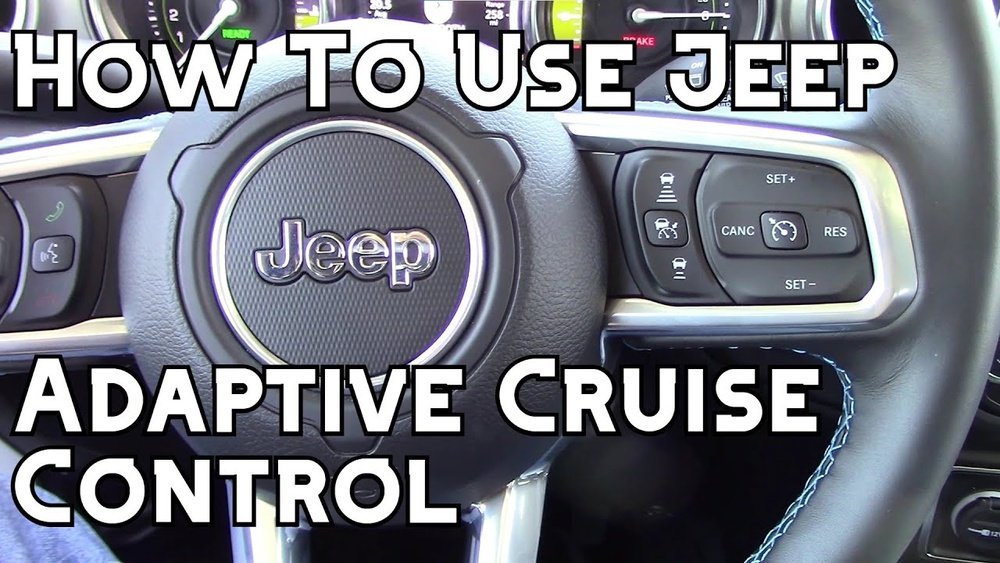
When considering a Jeep engine, reliability and performance are key concerns. The “25 Jeep engine” refers to the 2.5-liter, 4-cylinder engine used in several Jeep models from the 1980s to the early 2000s. Many Jeep enthusiasts and buyers want to know: Is the 25 Jeep engine good? Let’s break down its strengths, weaknesses, and what you should know about each of its 25 most important features and characteristics.
1. Engine Displacement
The 2.5-liter displacement gives a balance between fuel efficiency and power. It’s smaller than the 4.0L, but still capable for most daily driving and light off-road use.
2. Horsepower
The 25 Jeep engine produces around 120 horsepower. While not high by modern standards, it’s enough for basic driving and light hauling.
3. Torque
With 140 lb-ft of torque, the engine delivers decent low-end pull. This helps with off-road crawling and city driving.
4. Fuel Economy
Owners often report 18-22 mpg. The 2.5L is more efficient than the larger 4.0L inline-six, making it a practical choice for those watching fuel costs.
5. Reliability
The 25 Jeep engine is known for its durability. Many engines reach over 200,000 miles with regular maintenance.
6. Maintenance Cost
Routine maintenance is affordable. Parts are widely available and not expensive, which keeps long-term costs low.
7. Simplicity
The engine design is simple compared to modern engines. Fewer electronics mean fewer things that can go wrong.
8. Aftermarket Support
There is strong aftermarket support. You can find replacement parts, upgrades, and performance accessories easily.
9. Ease Of Repairs
Many owners appreciate the ease of repairs. DIY mechanics can handle most fixes with basic tools and a repair manual.
10. Common Problems
Some common issues include exhaust manifold cracks and oil leaks. These problems are usually minor and repairable.
11. Cooling System
The cooling system is adequate, but overheating can occur if not properly maintained. Regular checks help avoid bigger issues.
12. Oil Consumption
The engine generally has low oil consumption, but older engines may use more oil as seals wear.
13. Timing Chain
The 25 Jeep engine uses a timing chain, not a belt. Chains are more durable and last longer without needing frequent replacement.
14. Off-road Capability
While not as powerful as the 4.0L, the 2.5L is capable off-road when paired with proper gearing and tires.
15. Towing Capacity
Towing ability is limited. Most models can tow up to 2,000 pounds, making it best for small trailers or boats.
16. Engine Weight
It’s lighter than larger Jeep engines, which can benefit handling and reduce front-end sagging.
17. Emissions
The 2.5L meets older emission standards, but is less clean than newer engines. Some areas may require upgrades for compliance.
18. Cold Starts
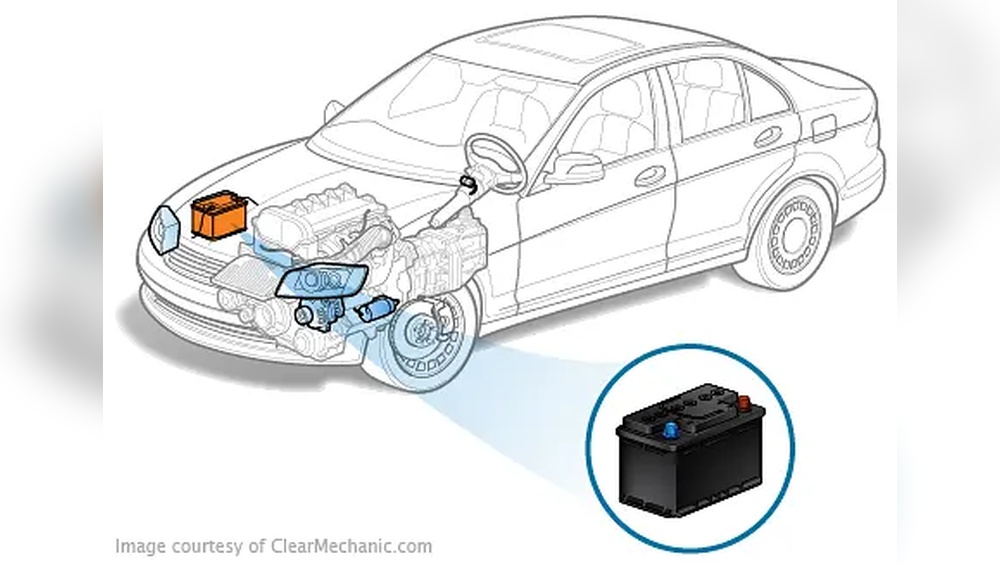
The engine handles cold starts well if the battery and ignition system are healthy.
19. Idle Quality
Idle is generally smooth, but rough idle can occur if injectors or sensors are dirty.
20. Engine Noise
The 2.5L is noisier than some competitors, especially at higher RPMs. However, it rarely indicates a problem.
21. Performance Upgrades
Options for performance upgrades exist, but gains are modest due to the engine’s basic design.
22. Compatibility
This engine fits several models, including the Jeep Wrangler YJ, TJ, and Cherokee XJ. This compatibility adds to its appeal.
23. Resale Value
Vehicles with the 2.5L usually have lower resale value than those with the 4.0L, but they attract buyers wanting economy and reliability.
24. Engine Longevity
With routine care, these engines often last 200,000+ miles. Neglect can reduce lifespan, but they are forgiving of minor lapses.
25. Owner Community
There is a large community of 2.5L Jeep owners. Forums and clubs provide advice, troubleshooting tips, and support for new owners.
Quick Comparison: 2.5l Vs 4.0l Jeep Engines
Here’s a quick look at the main differences between the popular Jeep engines:
| Feature | 2.5L Engine | 4.0L Engine |
|---|---|---|
| Horsepower | 120 hp | 190 hp |
| Torque | 140 lb-ft | 225 lb-ft |
| Fuel Economy | 18-22 mpg | 15-19 mpg |
| Towing Capacity | 2,000 lbs | 3,500 lbs |
| Complexity | Simple | Moderate |
Cost Of Ownership Breakdown
Here’s how average annual costs compare for a 2.5L Jeep owner:
| Expense | Estimated Cost |
|---|---|
| Routine Maintenance | $300 |
| Repairs | $250 |
| Fuel (12,000 miles/year) | $1,500 |
Real-world Example
A 1998 Jeep Wrangler with the 2.5L engine, regular oil changes, and timely coolant flushes reached 245,000 miles before needing a major rebuild. This is not unusual, showing the engine’s potential for high mileage with consistent care.
Is The 25 Jeep Engine Right For You?
If you want a Jeep mainly for city driving, mild off-roading, or as a budget-friendly project, the 2.5L engine can be a smart choice. Its simplicity, low running costs, and robust community support make it ideal for beginners or those who prioritize reliability over raw power.
However, if you plan to tow heavy loads, want fast acceleration, or need maximum off-road grunt, you may find the 4. 0L engine a better fit.
The 2. 5L simply isn’t built for extreme demands, but it handles daily needs and basic trails well.
One thing many people miss: proper gearing can make a big difference. With the right gears, the 2.5L feels much more capable off-road than numbers alone suggest. Also, keeping the cooling system in top shape prevents most serious issues, a tip even experienced owners sometimes overlook.
For more technical history and specs, see the official AMC Straight-4 Engine page.
Frequently Asked Questions
Is The 2.5l Jeep Engine Reliable?
Yes, the 2.5L engine is well-known for reliability. Many owners report over 200,000 miles with basic maintenance.
What Are Common Problems With The 2.5l Jeep Engine?
The most reported issues are exhaust manifold cracks and oil leaks. Both are usually minor and repairable.
Can You Upgrade The 2.5l Jeep Engine For More Power?
Upgrades are possible, such as better exhaust or intake systems, but power gains are limited due to the engine’s design.
Is The 2.5l Good For Off-roading?
It handles light to moderate off-roading well, especially with the right gears and tires. For extreme trails, consider the 4.0L.
How Does The 2.5l Compare To Other Jeep Engines?
The 2.5L is more fuel-efficient and simpler to maintain than larger engines, but it has less power and towing capability.