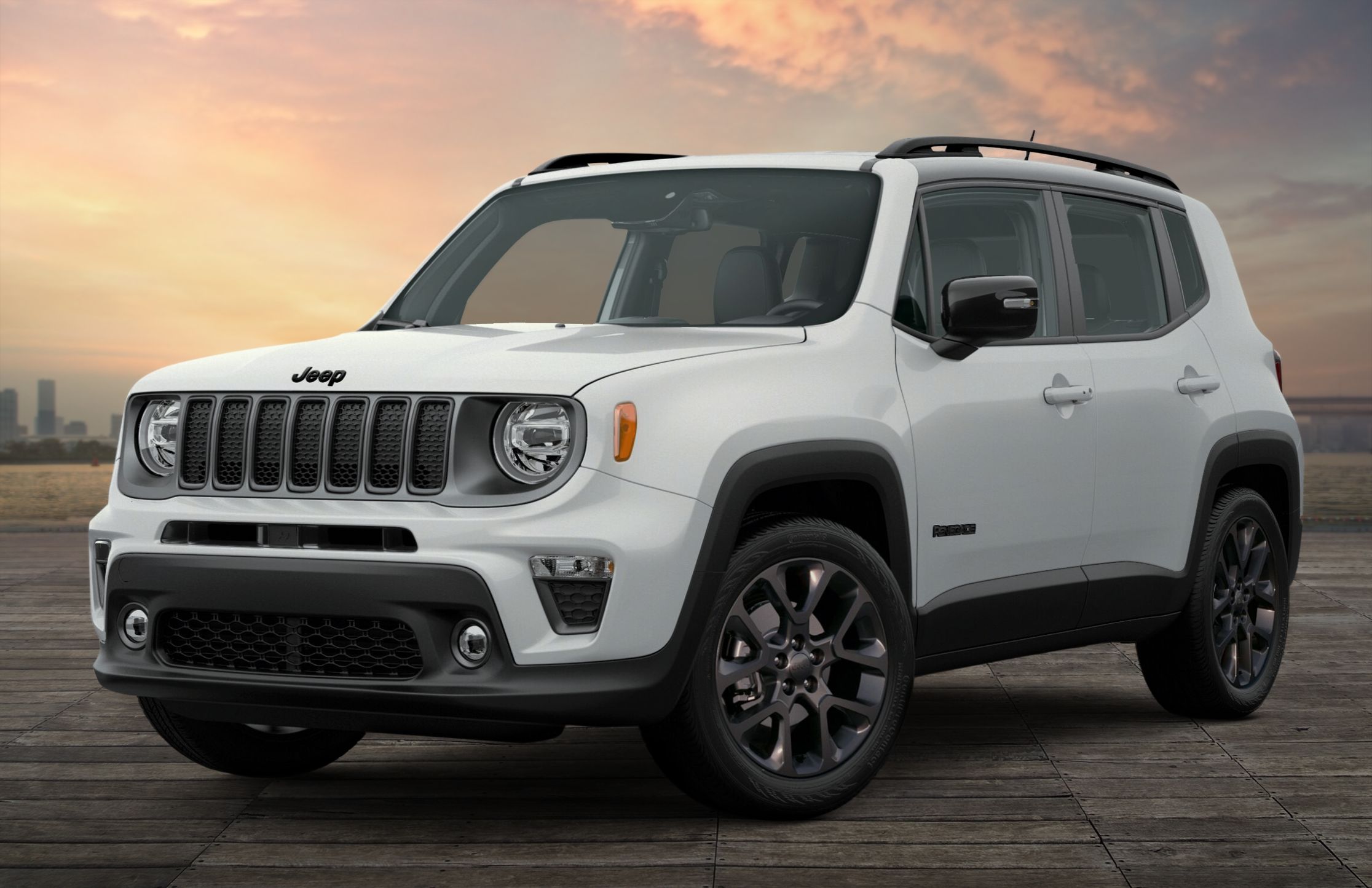
Thinking about buying a 2017 Jeep Renegade? You’re not alone. This small SUV stands out with its boxy design and off-road heritage. But how does it perform in the real world? Is it the right choice for your daily drive or weekend adventure? Let’s look at its strengths, weaknesses, and what owners and experts say.
What Makes The 2017 Jeep Renegade Special
The Renegade brings Jeep’s rugged style to the compact SUV class. It aims to mix city comfort with some off-road ability. With its unique shape and fun color choices, the Renegade is hard to miss. But looks are just one part of the story.
Performance And Driving Experience
You can find the 2017 Renegade with two engine options:
- 1.4-liter turbocharged 4-cylinder (160 horsepower)
- 2.4-liter 4-cylinder (180 horsepower)
Both come with either front-wheel drive or Jeep’s well-known four-wheel-drive system.
Acceleration And Handling
The smaller turbo engine is peppy but can feel sluggish if you need quick power. The bigger 2. 4-liter engine has more muscle for highway driving. The ride is smooth for a small SUV, but you’ll notice body lean in fast corners.
It’s not as sporty as some rivals.
Off-road Ability
If you pick the Trailhawk trim, the Renegade shines off the pavement. It has higher ground clearance, skid plates, and Jeep’s Active Drive Low system. It’s one of the best small SUVs for rough roads.
Interior Comfort And Features
Inside, the Renegade is roomy for its size. The front seats give good support, and headroom is excellent—even for tall people. Rear seats are fine for adults on short trips. Cargo space isn’t huge, but it’s enough for groceries or weekend bags.
Tech And Convenience
Standard features include:
- 5-inch touchscreen (some trims get 6.5-inch)
- Bluetooth
- Push-button start
- USB ports
Higher trims add navigation, a bigger screen, and premium audio. Apple CarPlay and Android Auto weren’t available in 2017, which some buyers may miss.
Reliability And Maintenance
Jeep’s reputation for reliability is mixed. The 2017 Renegade scores average in most surveys. According to J.D. Power, it earned three out of five for reliability. Common issues include electrical glitches and transmission problems, especially in early models. Regular maintenance can help avoid surprises.
Safety Ratings And Features
Safety matters, and the Renegade does okay here. The National Highway Traffic Safety Administration (NHTSA) gives it four out of five stars overall. The Insurance Institute for Highway Safety (IIHS) rates it “Good” in most tests, except for “Marginal” in small overlap front crash.
Standard safety features:
- Multiple airbags
- Stability control
- Rearview camera (optional on some trims)
- Available blind-spot monitoring and lane departure warning
Fuel Economy
Gas mileage depends on the engine:
- 1.4L turbo, FWD: 24 mpg city / 31 mpg highway
- 2.4L, FWD: 22 mpg city / 30 mpg highway
- 4WD models: Slightly lower numbers
These figures are average for the segment. Some rivals, like the Honda HR-V, use less fuel.

Owner Satisfaction And Resale Value
Many owners love the Renegade’s style, easy parking, and off-road ability. Complaints mostly focus on the transmission and small cargo area. Resale value is fair. It doesn’t hold value as well as some competitors, but it’s not the worst either.
How Does The 2017 Jeep Renegade Compare?
Here’s a quick look at how the Renegade stacks up against other small SUVs:
| Model | Horsepower | MPG (City/Highway) | Reliability Rating |
|---|---|---|---|
| Jeep Renegade | 160–180 | 22–24 / 30–31 | Average |
| Honda HR-V | 141 | 28 / 34 | Above Average |
| Mazda CX-3 | 146 | 29 / 34 | Above Average |
| Chevrolet Trax | 138 | 25 / 33 | Average |
Pricing And Value
The 2017 Renegade’s used price ranges from $13,000 to $20,000 depending on trim, mileage, and condition. Trailhawk and Limited trims cost more due to their features.
| Trim Level | Average Price (Used) | Key Features |
|---|---|---|
| Sport | $13,000–$15,000 | Basic features, manual A/C |
| Latitude | $14,000–$17,000 | Better infotainment, upgraded interior |
| Limited | $16,000–$19,000 | Leather seats, advanced tech |
| Trailhawk | $17,000–$20,000 | Off-road upgrades, AWD |
Two Insights Most Buyers Miss
First, some Renegade trims (especially Trailhawk) use different tires than regular trims. These can be more expensive and harder to find. Check before buying.
Second, the 9-speed automatic transmission can feel “confused” at low speeds. Test drive in city traffic, not just the highway, to see if you like how it shifts.
Who Should Consider The 2017 Jeep Renegade?
The Renegade is a good fit if you want:
- Unique Jeep styling
- Real off-road ability in a small SUV
- Easy parking and city driving
- A fun, youthful vehicle
It’s not the best pick if you need:
- Lots of cargo space
- Top fuel economy
- The highest reliability
Final Thoughts
So, is the 2017 Jeep Renegade a good car? For style, off-road fun, and city use, it’s a solid choice. It stands out in a crowd of lookalike SUVs. But, it’s not the class leader for reliability or cargo space. If you value personality and can live with some quirks, the Renegade is worth a look. Always get a pre-purchase inspection, and try to find one with complete service records. For more technical data, check the official Jeep website.

Frequently Asked Questions
How Reliable Is The 2017 Jeep Renegade?
The 2017 Renegade scores average reliability. Some owners report electrical and transmission issues. Regular maintenance helps, but it’s not as trouble-free as a Honda HR-V.
What Is The Gas Mileage Of The 2017 Jeep Renegade?
The Renegade gets 22–24 mpg in the city and 30–31 mpg on the highway. Four-wheel-drive models use a bit more fuel.
Does The 2017 Renegade Have Modern Tech Like Apple Carplay?
No, the 2017 model does not support Apple CarPlay or Android Auto. Later years added these features.
Is The 2017 Jeep Renegade Good For Off-road Driving?
Yes, especially the Trailhawk trim. It has real off-road parts like skid plates and a special 4×4 system. Other trims are best for dirt roads, not serious trails.
What Are Common Problems With The 2017 Renegade?
Common issues include transmission hesitations, electrical glitches, and sometimes noisy engines. Not every car has these, but a careful test drive and inspection are wise.