Is My Jeep Ok
Owning a Jeep brings adventure, freedom, and sometimes worry. Maybe you hear a strange noise, see a warning light, or just wonder if your vehicle is ready for the next trip.
The question, Is my Jeep ok, matters for safety and peace of mind. This guide will help you check the most important signs, understand common problems, and know what to do next—without confusing terms or long explanations.
Signs Your Jeep Is Healthy
A well-maintained Jeep should run smoothly and show no unusual signs. Here are ways to check if your Jeep is in good condition:

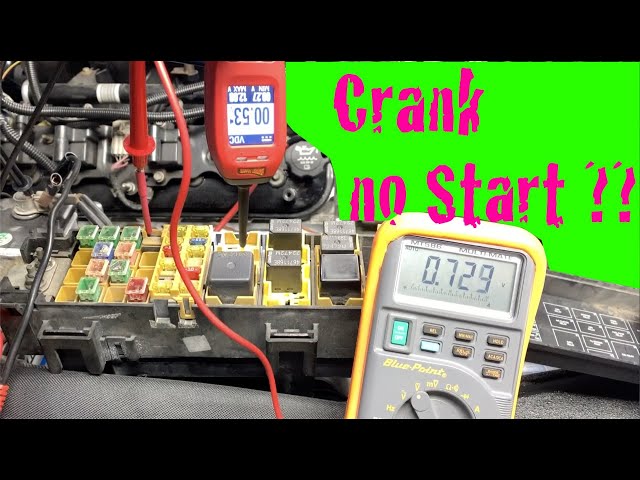
- Smooth engine start: Your Jeep should start without hesitation. If it takes longer, or you hear clicking, check the battery.
- No warning lights: The dashboard should be clear. Warning lights like “Check Engine” or “ABS” mean something needs attention.
- Fluid levels: Oil, coolant, brake, and transmission fluids should be at the right levels. Low fluids can cause damage.
- Responsive brakes: Brakes should feel firm and stop the vehicle quickly. Squeaking or soft brakes need inspection.
- Steady temperature: The engine temperature should stay in the normal range. Overheating is a sign of trouble.
- No strange noises: Listen for grinding, knocking, or rattling. These often mean parts are worn or loose.
- Good tire condition: Tires should have enough tread and no cracks or bulges. Uneven wear can mean alignment problems.
Many Jeep owners miss checking the undercarriage. Rust or damage here can affect safety, especially after off-road driving. Another overlooked area is the electrical system. Test headlights, turn signals, and interior lights—small issues can lead to big problems.
Common Jeep Problems And What They Mean
Jeep vehicles are tough, but they have some frequent issues. Knowing these helps you act fast and avoid costly repairs.
| Problem | Model Most Affected | Symptoms |
|---|---|---|
| Death Wobble | Wrangler, Cherokee | Steering shakes at high speed |
| Leaky Roof | Renegade, Wrangler | Water inside after rain |
| Transmission Failure | Grand Cherokee | Jerky shifting, slipping gears |
| Electrical Issues | Compass, Grand Cherokee | Random warning lights, dead battery |
| Rust | Older Wranglers | Visible corrosion on body/undercarriage |
A common mistake is ignoring small leaks. Even a drop of oil or coolant can signal a bigger issue. Another overlooked sign is strange smells. Burning, sweet, or musty odors often mean trouble under the hood or with the climate system.

Quick Jeep Health Check: What You Can Do Yourself
You don’t need to be a mechanic to check your Jeep. These simple steps help spot problems early.
- Walk around the vehicle: Look for dents, rust, and fluid leaks.
- Check under the hood: Inspect belts and hoses for cracks. Make sure fluids are topped up.
- Test all lights: Headlights, brake lights, turn signals, and interior lights should work.
- Listen while driving: Notice any new sounds or vibrations.
- Monitor dashboard: Watch for warning lights and temperature changes.
- Inspect tires: Look for uneven wear, low pressure, or objects stuck in the tread.
Here’s a quick comparison of Jeep health checks versus professional inspection:
| DIY Check | Professional Inspection |
|---|---|
| Visual signs, basic fluids, tire check | Detailed scan, brake test, engine diagnostics |
| Free, takes 10–20 minutes | Costs $50–$150, takes 1–2 hours |
| Good for regular checks | Needed for complex issues or yearly maintenance |
If you notice anything unusual, it’s best to get help before driving long distances or going off-road.
When To See A Mechanic
Some issues require professional help. Here are signs you should not ignore:
- Check Engine light stays on
- Engine overheating
- Transmission slipping
- Brake problems
- Death wobble or severe steering vibration
- Major fluid leaks
Even experienced Jeep owners sometimes wait too long to get help. Delaying can turn small problems into expensive repairs. For Jeep recalls or technical service bulletins, check NHTSA.

Jeep Maintenance: Keeping Your Vehicle Safe
Regular maintenance is the best way to keep your Jeep in top condition. Here are the main tasks:
- Oil change: Every 3,000–5,000 miles, or as recommended.
- Tire rotation: Every 6,000–8,000 miles.
- Brake inspection: Every 12,000 miles or once a year.
- Fluid checks: Monthly for oil, coolant, brake, and transmission fluids.
- Air filter replacement: Every 15,000 miles.
- Battery test: Every 2–3 years.
Skipping maintenance is a common mistake. Many drivers forget about transmission fluid or differential service—these are vital for Jeeps used off-road.
Here’s a comparison of maintenance costs for popular Jeep models:
| Model | Annual Maintenance Cost | Average Repair Frequency |
|---|---|---|
| Wrangler | $650 | 1.5 times/year |
| Grand Cherokee | $720 | 1.6 times/year |
| Renegade | $550 | 1.2 times/year |
Jeep vehicles are built for tough roads, but regular care keeps them running strong.
Frequently Asked Questions
How Do I Know If My Jeep Is Safe To Drive?
Check for warning lights, smooth engine operation, responsive brakes, and steady temperature. If you notice leaks, strange noises, or handling issues, get a mechanic to inspect it.
What Is The “death Wobble” In Jeeps?
The death wobble is a violent steering shake, usually at speeds above 45 mph. It’s often caused by worn suspension parts or loose steering components and needs professional attention.
How Often Should I Service My Jeep?
Service intervals depend on model and usage. Basic care like oil changes and fluid checks should happen every few months.
Yearly inspections and tire rotations are also important.
Are Jeeps Expensive To Maintain?
Jeep maintenance costs vary by model. Wranglers and Grand Cherokees can cost between $650–$720 per year. Off-road driving and skipped maintenance raise costs.
What Should I Do If My Jeep Overheats?
Stop driving immediately. Let the engine cool, check coolant levels, and look for leaks.
If the problem continues, call a mechanic. Overheating can cause serious engine damage.
Checking if your Jeep is ok is not only about fixing problems—it’s about catching issues early and enjoying safe drives. With simple checks and regular care, your Jeep can handle city roads and wild trails for years.