When you see a Jeep Wrangler, you might picture adventure, tough terrain, and freedom. One question often comes up: Is the Jeep Wrangler full time 4WD?
The answer is not as simple as yes or no. The Wrangler has several drivetrain options, and each offers a different experience.
Let’s break down what “full time 4WD” means, how Wrangler models vary, and what you need to know before choosing your next vehicle.
Understanding Full-Time 4WD
Full time 4WD means all four wheels receive power at all times, no matter the road. This setup helps keep the vehicle stable in rain, snow, mud, and on uneven surfaces. It’s different from part-time 4WD, where drivers switch between two-wheel drive and four-wheel drive.
Many people confuse all-wheel drive (AWD) and full time 4WD. AWD systems are usually automatic and best for paved roads, while full time 4WD is built for tougher environments. Both help with traction, but the technology and purpose are not the same.
Jeep Wrangler Drivetrain Options
The Jeep Wrangler has evolved, offering different 4WD systems across its trims and generations. Not every Wrangler comes with full time 4WD.
| Model Year | Standard Drivetrain | Full Time 4WD Available? |
|---|---|---|
| Pre-2018 (JK) | Part-time 4WD | No |
| 2018+ (JL) | Part-time 4WD | Optional |
| Rubicon (JK & JL) | Part-time 4WD | No |
| Sahara (JL) | Part-time 4WD | Yes (Selec-Trac) |
| 4xe Hybrid | Part-time 4WD | Yes (Selec-Trac) |
Older Wranglers (YJ, TJ, JK) came only with part-time 4WD. Starting with the JL series (2018 onward), the Selec-Trac system became available, offering true full time 4WD.
What Is Selec-trac?
The Selec-Trac system is Jeep’s answer for drivers wanting full time 4WD. This system lets you drive on dry pavement, wet roads, or rough trails without needing to switch modes.
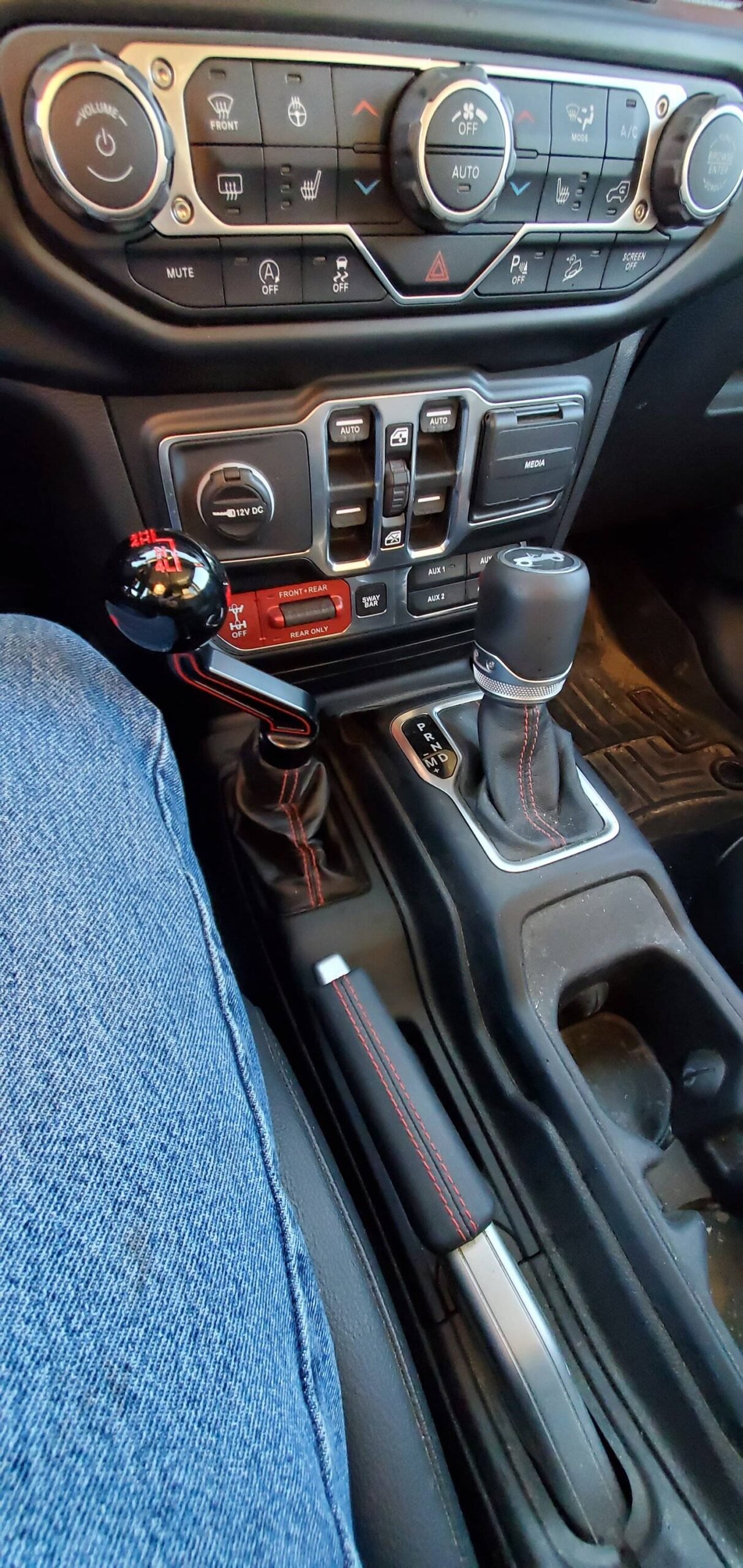
The Selec-Trac transfer case has several settings:
- 2WD (Rear-wheel drive)
- 4WD Auto (Full time 4WD)
- 4WD High (Part-time 4WD)
- 4WD Low (Maximum torque for off-road)
When in 4WD Auto, the system senses wheel slip and sends power to all wheels. You don’t need to stop or shift manually. It’s especially useful for city driving during rain or snow.
Full Time 4wd Vs Part-time 4wd: Real Differences
Many people think all Wranglers are full time 4WD, but most are part-time 4WD. Here’s a simple comparison to understand the differences:
| Feature | Full Time 4WD (Selec-Trac) | Part-Time 4WD |
|---|---|---|
| Drive Modes | 2WD, 4WD Auto, 4WD High, 4WD Low | 2WD, 4WD High, 4WD Low |
| On-Road Use | Excellent | Limited (must use 2WD) |
| Off-Road Use | Strong | Excellent |
| Driver Input | Automatic | Manual |
The Selec-Trac system offers flexibility: you can drive in full time 4WD on paved roads without hurting the drivetrain. With part-time systems, using 4WD on dry pavement can cause damage.
Which Wrangler Models Have Full Time 4wd?
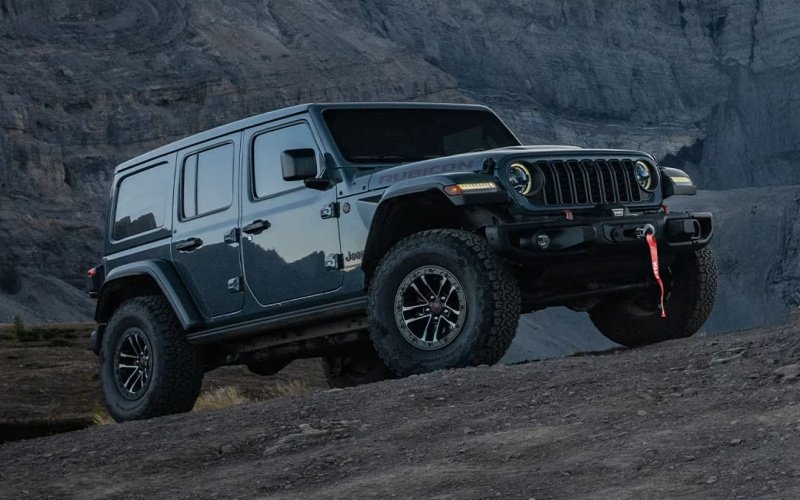
If you want full time 4WD, look for the Sahara or 4xe trims, or any Wrangler with the Selec-Trac transfer case. Not all trim levels offer this feature. The Rubicon, for example, is known for off-road power, but it uses part-time 4WD only.
Here are a few Wrangler models with full time 4WD available:
- Wrangler JL Sahara (2018+)
- Wrangler JL 4xe Hybrid
- Wrangler JL Sahara Altitude
- Wrangler Unlimited Sahara
Always check the vehicle’s specs before buying. Many Wranglers are sold with only part-time 4WD.
Is Full Time 4wd Worth It?
Full time 4WD offers several benefits, especially if you drive in mixed weather or on paved roads with slippery conditions. You don’t need to think about switching modes, and the system handles changes for you.
However, full time 4WD can reduce fuel efficiency compared to 2WD. The system is heavier, and it creates more friction, which can use more gas. According to EPA estimates, the Wrangler JL Sahara with Selec-Trac gets about 20 mpg city / 24 mpg highway.
Part-time 4WD is better for off-roading and situations where you need maximum control. It’s also lighter and often uses less fuel.
Some drivers prefer the old-school feel and manual engagement.
Common Mistakes When Choosing A Wrangler
- Assuming all Wranglers are full time 4WD. Most are part-time.
- Using part-time 4WD on dry pavement. This can harm the transfer case.
- Ignoring fuel efficiency. Full time 4WD uses more fuel.
- Not checking trim levels. Only certain trims offer Selec-Trac.
- Overlooking maintenance. Full time 4WD systems need regular checks.
Many new buyers miss that only specific Wranglers offer Selec-Trac, and using part-time 4WD incorrectly is a common mistake.
Real-world Example: Wrangler Sahara Vs Rubicon
Let’s compare two popular trims:
| Trim | 4WD System | Best Use | Fuel Economy |
|---|---|---|---|
| Sahara | Selec-Trac (Full time 4WD) | Mixed roads, city, light trails | 20/24 mpg |
| Rubicon | Rock-Trac (Part-time 4WD) | Heavy off-road, rough terrain | 17/23 mpg |
If you drive often in rain or snow, the Sahara with Selec-Trac is more forgiving and safer. If you want to tackle rocky trails or deep mud, the Rubicon’s part-time system is more rugged.

Is Full Time 4wd Available On All Jeep Wranglers?
No, only specific trims like the Sahara and 4xe Hybrid offer full time 4WD with Selec-Trac. Most Wranglers have part-time 4WD.
Can I Use Part-time 4wd On Dry Pavement?
It is not recommended. Part-time 4WD can cause binding and damage if used on dry roads.
Use it only on slippery or off-road surfaces.
Does Full Time 4wd Affect Fuel Economy?
Yes. Full time 4WD usually lowers mpg because more parts are moving and more weight is carried. You may notice a drop of 1–2 mpg compared to part-time 4WD.
Which Wrangler Is Best For City Driving?
The Wrangler Sahara with Selec-Trac is ideal for city driving, especially where weather changes often. You get full time 4WD without needing to switch modes.
Where Can I Learn More About Jeep 4wd Systems?
For detailed technical info and model breakdowns, visit the official Jeep Wrangler site.
Choosing the right Jeep Wrangler means understanding the 4WD options. Not all Wranglers have full time 4WD, so check the trim and transfer case before you buy. Whether you want adventure or daily driving, the correct drivetrain makes all the difference.