The Jeep Trackhawk is one of the most powerful SUVs ever made. Many car enthusiasts and buyers wonder about its drivetrain—specifically, is the Jeep Trackhawk AWD?
This question matters because all-wheel drive (AWD) affects performance, safety, and how the vehicle handles different road conditions. Let’s explore what makes the Trackhawk special, how its AWD works, and what this means for drivers.
Jeep Trackhawk: The Basics
The Jeep Grand Cherokee Trackhawk debuted in 2017. It’s famous for its supercharged 6.2-liter V8 engine, producing 707 horsepower and 645 lb-ft of torque. This power lets the Trackhawk sprint from 0 to 60 mph in just 3.5 seconds, making it one of the fastest SUVs on the market.
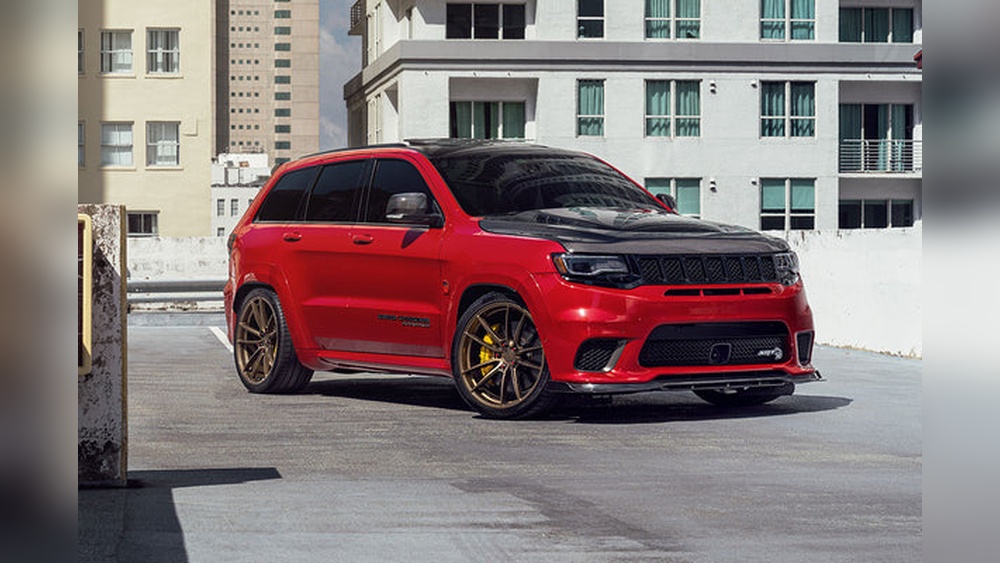
Unlike many high-performance vehicles, the Trackhawk combines speed with practicality. You get the aggressive look, spacious interior, and advanced safety features. But most importantly, it comes standard with AWD—which is not always the case for performance SUVs.
Is The Jeep Trackhawk Awd?
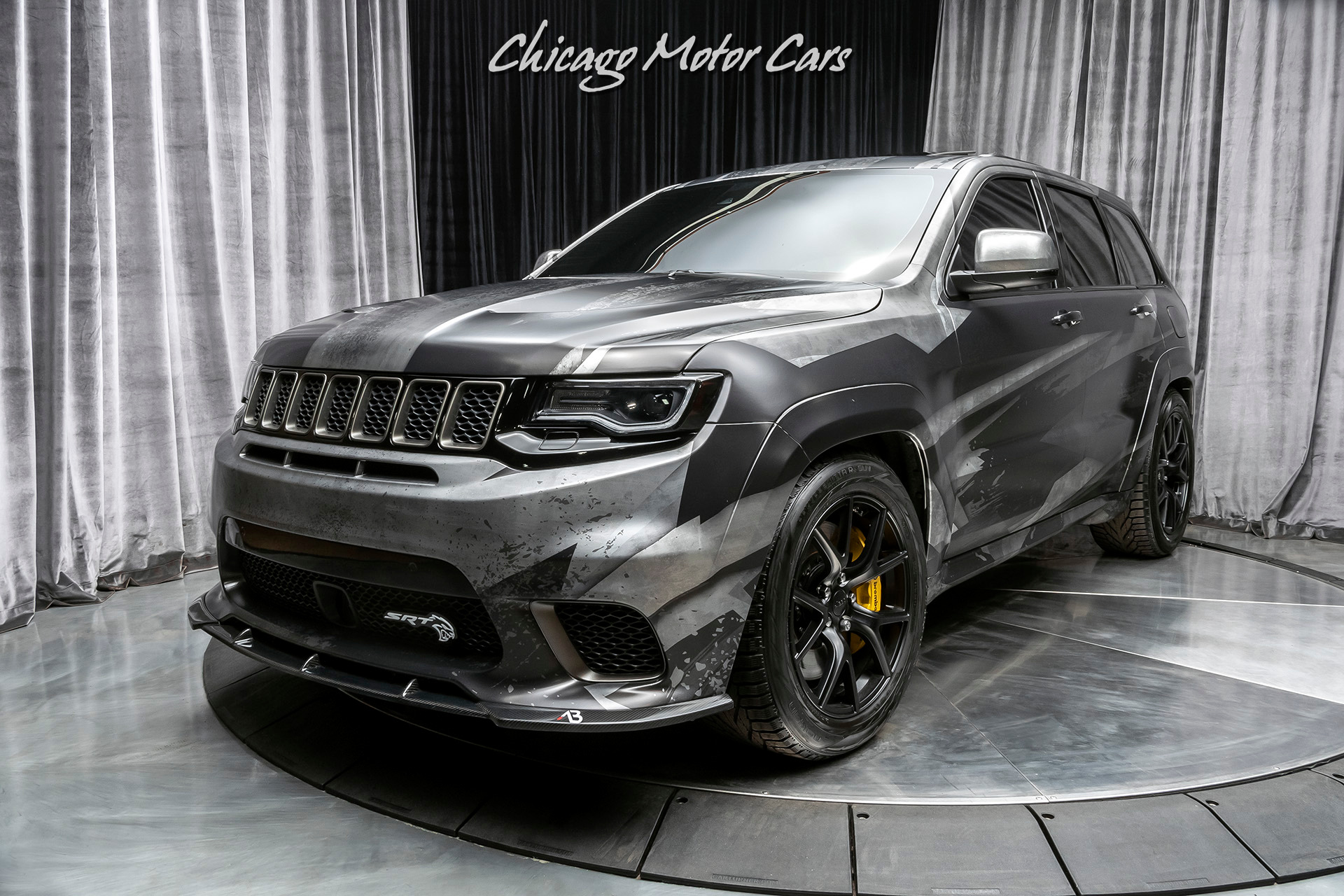
Yes, the Jeep Trackhawk is AWD. Every Trackhawk uses Jeep’s Quadra-Trac Active On-Demand 4×4 system. This isn’t just basic AWD—it’s a sophisticated setup designed for both daily driving and extreme performance.
Here’s how the system works:
- The Quadra-Trac sends power to all four wheels.
- It uses an electronic limited-slip rear differential.
- Sensors constantly monitor traction and adjust power distribution.
- If one wheel slips, power shifts to wheels with better grip.
This AWD system gives the Trackhawk confidence on wet roads, snow, and even light off-roading. It also helps the SUV handle the massive horsepower from the supercharged engine.
Awd Vs. 4wd: What’s The Difference?
Some people confuse AWD with 4WD (four-wheel drive). While both send power to all wheels, they work differently:
| Feature | AWD (Trackhawk) | 4WD (Other Jeeps) |
|---|---|---|
| Power Distribution | Automatic, adjusts as needed | Usually manual, driver controls |
| Best Use | On-road, performance, slippery conditions | Off-road, rugged terrain |
| Complexity | Advanced electronics | Mechanical, simpler |
The Trackhawk’s AWD is built for high-speed stability and everyday convenience. In contrast, Jeep’s 4WD systems found in models like the Wrangler are designed for tough off-roading.
Performance Benefits Of Awd In The Trackhawk
AWD is key to the Trackhawk’s impressive stats. Here’s why:
- Acceleration: AWD helps the Trackhawk launch fast without tire spin. It uses all four wheels to put power down.
- Handling: AWD improves grip in corners. The Trackhawk stays stable at high speeds.
- Safety: On slippery surfaces like rain or snow, AWD reduces the risk of losing control.
- Versatility: You can drive the Trackhawk year-round, even in challenging weather.
Let’s look at how the Trackhawk compares to other performance SUVs:
| Model | AWD | 0–60 mph (sec) | Horsepower |
|---|---|---|---|
| Jeep Trackhawk | Yes | 3.5 | 707 |
| BMW X5 M | Yes | 3.8 | 600 |
| Mercedes-AMG GLE 63 S | Yes | 3.7 | 603 |
| Porsche Cayenne Turbo | Yes | 3.9 | 541 |
Notice that AWD is standard in all these performance SUVs. The Trackhawk stands out with its horsepower and acceleration.
Real-world Driving: Where Awd Makes A Difference
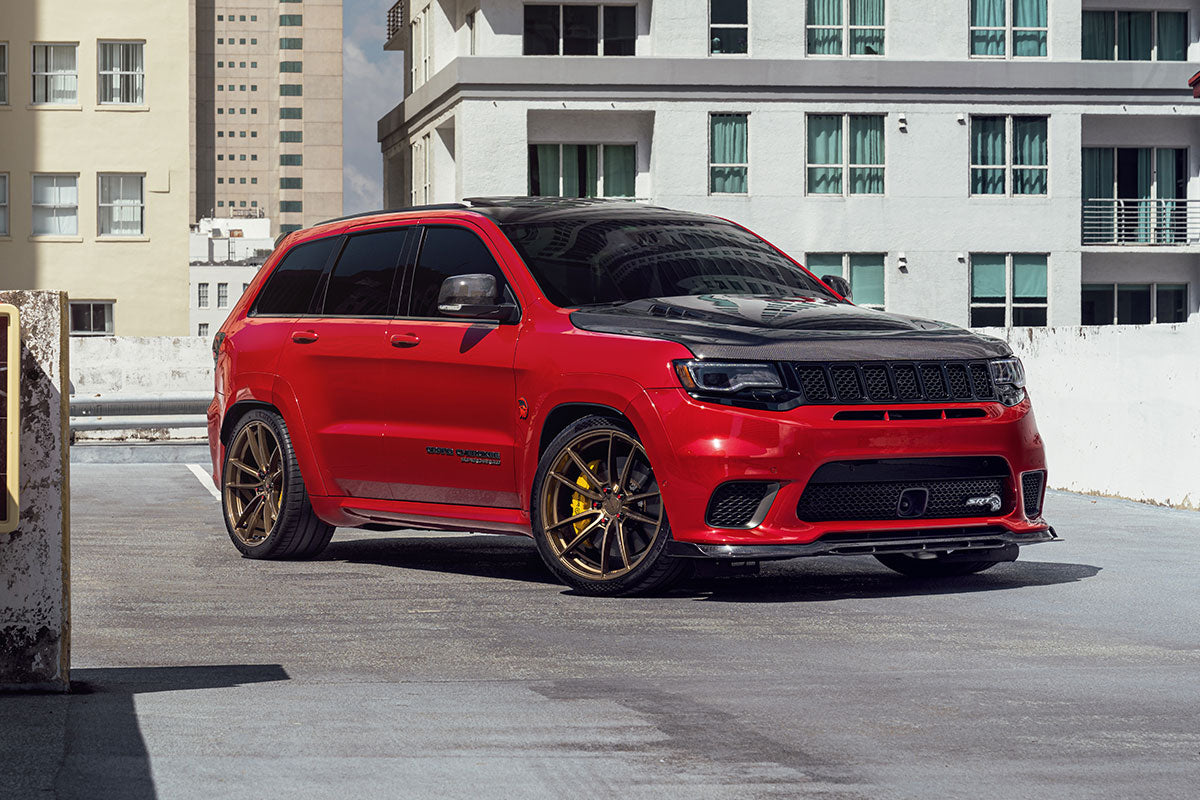
Owners report the Trackhawk feels “planted” even when accelerating hard. AWD reduces wheelspin, especially important with so much power.
In snow or rain, you can drive confidently, unlike some rear-wheel-drive sports cars.
A non-obvious benefit: the Trackhawk’s AWD system works quietly in the background. You don’t need to adjust settings or worry about changing road surfaces. The electronics handle it all.
Another insight: AWD also helps with towing. The Trackhawk can tow up to 7,200 pounds, and AWD ensures steady traction when pulling a trailer.
Common Misconceptions About Trackhawk Awd
Some believe AWD makes the Trackhawk “off-road ready. ” While it’s better than many SUVs, the Trackhawk is mainly tuned for pavement and speed not deep mud or rocky trails.
Others think AWD hurts fuel economy. While AWD adds weight and complexity, the Trackhawk’s real fuel usage comes from its powerful engine.
If you drive gently, AWD’s effect is minor compared to the supercharged V8.
Buying And Ownership Tips
If you’re considering the Trackhawk, remember:
- AWD is standard—there are no rear-wheel-drive or 4WD-only versions.
- Regular maintenance is key. AWD systems need fluid changes and checks.
- Tires matter. High-performance tires improve AWD grip, but all-season tires are safer in winter.
A common mistake: ignoring tire rotation. Uneven tire wear can confuse the AWD system and reduce performance.
Frequently Asked Questions
Is The Jeep Trackhawk Always Awd?
Yes, every Trackhawk comes with AWD. There are no versions with only rear-wheel drive or part-time 4WD.
Can The Trackhawk Go Off-road?
While AWD helps, the Trackhawk is designed for speed and handling on pavement. It can handle gravel or light off-road, but it’s not made for serious trails.
How Does Awd Affect Fuel Economy?
AWD adds a bit of weight, but the Trackhawk’s fuel economy is mainly affected by its supercharged engine. Expect around 12 mpg city and 17 mpg highway.
What’s The Difference Between Awd And 4wd In Jeeps?
AWD is automatic and adjusts power for traction, best for performance and daily driving. 4WD is manual and built for off-road use, found in models like the Wrangler.
Is Awd Maintenance Expensive?
AWD systems need regular checks. Fluid changes and tire rotation are important.
Costs are slightly higher than two-wheel drive, but not extreme. Jeep dealers can handle AWD maintenance.
The Jeep Trackhawk is a rare blend of power and practicality. Its standard AWD system makes it safe and fast in all conditions. If you want a high-performance SUV that handles both speed and everyday driving, the Trackhawk delivers. For more technical details, visit the official Jeep site: Jeep Grand Cherokee Trackhawk.