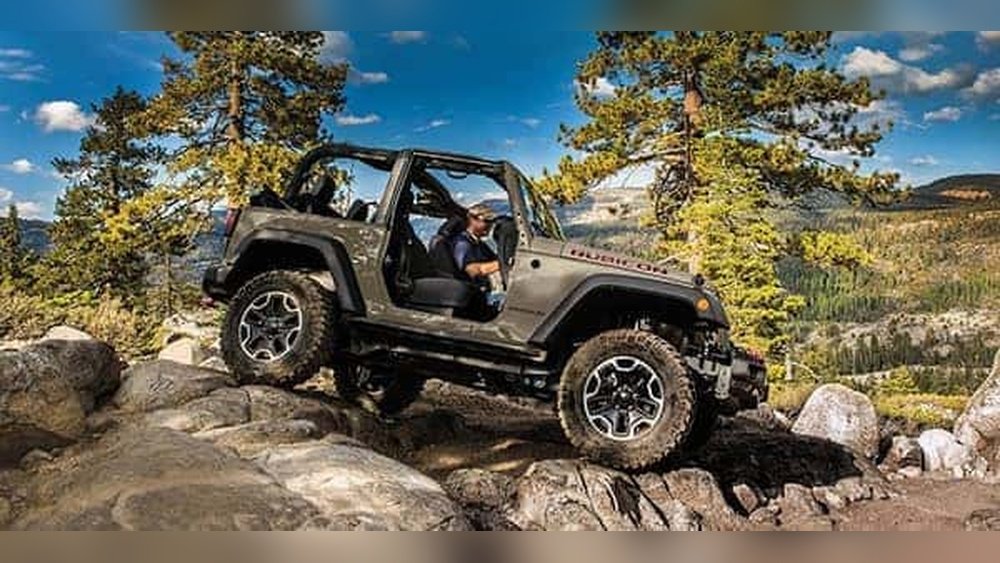
Buying a Jeep Rubicon is exciting for anyone who loves adventure. But before you make the leap, it’s smart to ask: Is Jeep Rubicon reliable? This question matters because reliability affects your travel, maintenance costs, and even safety. Let’s break down the facts with clear data, expert advice, and real-world examples. By the end, you’ll know if a Rubicon fits your needs—or if you should look elsewhere.
Jeep Rubicon Reliability Overview
The Jeep Rubicon is famous for its off-road abilities, but reliability is a different story. Owners often praise its rugged build, but some report issues that can impact daily driving. In a recent survey by Consumer Reports, Jeep ranked below average in overall reliability. For the Rubicon model, key concerns include electronics, suspension, and engine performance.
Here’s a quick look at how the Rubicon compares to other SUVs for reliability:

| Model | Reliability Score (out of 10) | Owner Satisfaction |
|---|---|---|
| Jeep Rubicon | 5.5 | 76% |
| Toyota 4Runner | 8.7 | 84% |
| Ford Bronco | 6.1 | 79% |
The Rubicon’s score shows it is not the most reliable, but many owners are still happy with their purchase. This is because the Rubicon offers unique features that make it stand out, even if reliability is not its strongest point.
Common Reliability Issues
No vehicle is perfect, and the Rubicon is no exception. Here are some common problems owners face:
- Electronic glitches: Problems with the infotainment system, dashboard lights, and sensors are common.
- Suspension wear: Off-roading puts extra stress on the suspension. Many report premature wear and tear.
- Engine troubles: Some owners experience leaks, overheating, or rough starts, especially in older models.
- Transmission issues: Shifting problems or jerky movement can occur, mainly in high-mileage Rubicons.
To give you a clearer picture, here’s a comparison of reported issues between Rubicon and a top competitor:
| Issue | Jeep Rubicon | Toyota 4Runner |
|---|---|---|
| Electronic problems | 24% of owners | 11% of owners |
| Suspension issues | 18% of owners | 8% of owners |
| Engine concerns | 15% of owners | 9% of owners |
These numbers show Rubicon owners are more likely to face issues than those who drive a 4Runner.

Real-world Longevity
How long does a Jeep Rubicon last? Many owners report their Rubicons reaching 100,000 miles with regular maintenance. Some even go beyond 150,000 miles. However, reaching these numbers often means spending more time and money on repairs compared to other SUVs.
One non-obvious insight: Rubicon models used mostly for daily driving tend to last longer than those used for heavy off-roading. This is because off-road stress accelerates wear, especially on suspension and drivetrain parts.
Here’s a summary of average lifespan:
| Model | Average Lifespan (miles) | Maintenance Cost per Year |
|---|---|---|
| Jeep Rubicon | 120,000 | $700 |
| Toyota 4Runner | 180,000 | $600 |
| Ford Bronco | 130,000 | $650 |
Rubicon’s maintenance costs are slightly higher, and its lifespan is shorter than some rivals. However, it’s important to note that proper care can help a Rubicon reach its full potential.
Tips To Improve Rubicon Reliability
If you’re set on buying a Rubicon, you can improve reliability with smart steps:
- Routine maintenance: Change oil, check fluids, and rotate tires regularly. This prevents major breakdowns.
- Avoid harsh driving: Limit extreme off-roading, especially in older models.
- Use quality parts: Always choose OEM (original equipment manufacturer) parts for repairs.
- Check recalls: Jeep issues recalls for some Rubicon models. Check with your dealer or on official sites.
- Inspect before buying: For used Rubicons, get a professional inspection to catch hidden problems.
A useful tip: Many beginners forget to check for water damage, especially if the Rubicon was used for river crossings. Water can harm electronics and cause rust, so look for signs during your inspection.

Owner Satisfaction And Expert Opinions
Despite reliability concerns, Rubicon owners often value performance and fun over perfection. They love the ability to drive off-road, customize their vehicles, and join the Jeep community. Expert reviews, like those from Car and Driver, highlight the Rubicon’s versatility but warn about higher maintenance needs.
One expert opinion: The Rubicon is reliable enough for adventure lovers, but not ideal for those wanting a low-maintenance daily driver. If you need a vehicle for city life, consider alternatives with better reliability.
For more details and up-to-date ratings, check the Consumer Reports Jeep Wrangler page.
Frequently Asked Questions
Is The Jeep Rubicon Good For Daily Driving?
The Rubicon handles city and highway driving, but its stiff suspension and higher fuel use can make it less comfortable than regular SUVs. It’s best for those who value off-road features.
How Expensive Is Rubicon Maintenance?
On average, yearly costs are $700–$900. Repairs are more frequent after 100,000 miles, especially for suspension and electronics.
Does The Rubicon Have More Problems Than Other Jeeps?
Yes, because it’s built for heavy off-roading, it faces more stress. Rubicons often have more issues with suspension and drivetrain compared to standard Jeep models.
Can I Trust A Used Rubicon?
You can, if the previous owner maintained it well. Always check service records and get a full inspection before buying.
What Is The Best Year For Rubicon Reliability?
Experts recommend 2018–2020 models. These years saw fewer recalls and better build quality, but always check for updated information.
If you want a vehicle that’s rugged, fun, and ready for adventure, the Jeep Rubicon delivers. But if reliability is your top concern, take time to research and weigh your options. With good care and realistic expectations, the Rubicon can be a solid choice for the right driver.