Is Jeep On Strike?
Many people are asking, "Is Jeep on strike?" This question has become more common as workers across the auto industry demand better pay and working conditions.
Jeep, part of Stellantis, is one of the most recognized car brands in the world. If Jeep’s factories stop, it impacts not only workers but also the car market, dealerships, and even customers waiting for their new vehicles.
Understanding what’s happening with Jeep and strikes can be confusing. This article explains the current status, why strikes matter, and what it means for Jeep owners, buyers, and fans.
What Is Happening With Jeep And Strikes?
Jeep is part of Stellantis, a global automotive group that also includes Chrysler, Dodge, Ram, Fiat, and others. In recent years, the United Auto Workers (UAW) union has organized strikes to push for better wages, health benefits, and job security.
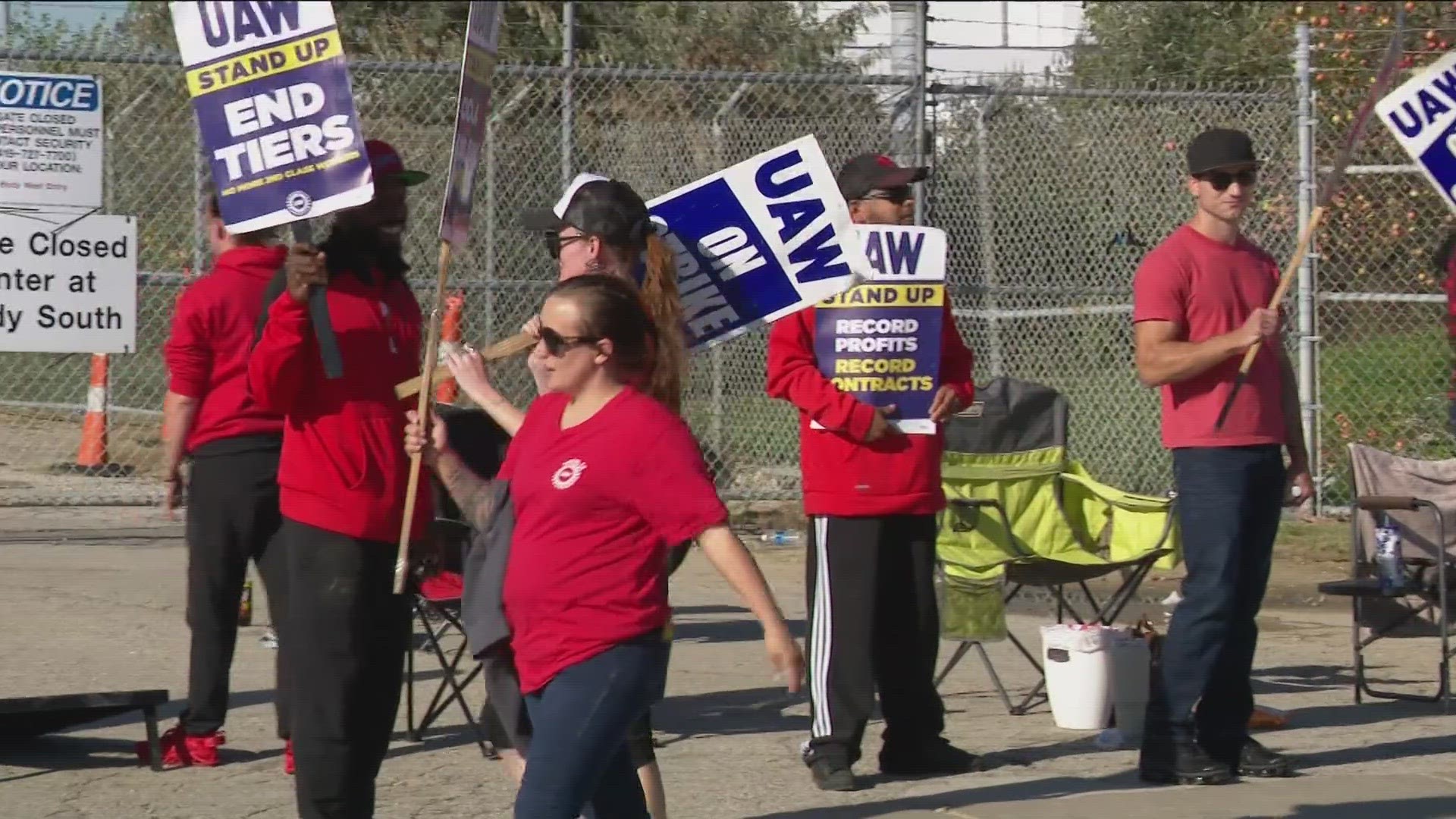
In 2023, the UAW launched a historic strike affecting the “Big Three” automakers: Ford, General Motors (GM), and Stellantis. This means Jeep, as part of Stellantis, was directly involved.
Where Did Jeep Factories Go On Strike?
Not all Jeep factories were closed at the same time. The UAW used a “stand-up strike” strategy.
This means workers at some plants went on strike while others continued working. This created pressure without a full shutdown.
For example, the Toledo Assembly Complex in Ohio, where the Jeep Wrangler and Gladiator are made, was one of the first Stellantis plants to join the strike. At its peak, over 40,000 auto workers participated across the country.
How Did The Strike Affect Jeep Production?
When factories stop, production slows or stops completely. During the 2023 strike, Jeep production was heavily affected at key plants.
Some models were delayed, and inventory at dealerships became lower.
Here is a comparison of Jeep production before and during the strike:
| Time Period | Jeep Vehicles Produced (Monthly Avg.) | Major Models Affected |
|---|---|---|
| Before Strike | ~90,000 | Wrangler, Gladiator, Grand Cherokee |
| During Strike | ~40,000 | Wrangler, Gladiator |
Dealers struggled to keep popular models in stock, and some buyers faced long waits for new vehicles.
Why Are Jeep Workers Striking?
Strikes don’t happen for small reasons. Workers usually use this last option when negotiations fail.
Main Reasons For The Strike
- Wages: Workers wanted higher pay to match inflation and company profits.
- Job Security: Automation and new technology are changing jobs. Workers want protection against layoffs.
- Benefits: Health care and retirement benefits are key issues.
- Fairness: Workers say top executives get big bonuses while their pay rises slowly.
Here’s how wage growth compares between auto executives and workers over recent years:
| Group | 2018 Avg. Annual Pay | 2023 Avg. Annual Pay | Percent Change |
|---|---|---|---|
| Auto Executives | $10,000,000 | $15,000,000 | +50% |
| Auto Workers | $60,000 | $65,000 | +8.3% |
The gap in pay growth is one main reason for worker frustration.
How Does A Jeep Strike Affect You?
When Jeep is on strike, the effects are bigger than just the factory floor.
If You’re A Jeep Owner
- Parts Shortages: Repairs can take longer if parts are not available due to factory closures.
- Warranty Delays: Service centers might be slower if they can’t get parts or support from Jeep.
If You’re Shopping For A Jeep
- Higher Prices: Lower supply can make new Jeeps more expensive.
- Longer Waits: You may have to wait weeks or months for a new Jeep, especially for popular models.
If You Work In The Auto Industry
- Ripple Effect: Suppliers, transport companies, and local businesses near factories can also lose income when production stops.
What Happened After The 2023 Strike?
The 2023 UAW strike ended after about six weeks, with workers winning some major gains. At Stellantis, including Jeep plants, workers secured:
- Wage Increases: Up to 25% more pay over the new contract period.
- Cost-of-Living Adjustments: Wages now rise with inflation.
- Improved Benefits: Better health care and retirement plans.
- Job Security Promises: Protection for some factory jobs threatened by electric vehicle production.
Here’s how Jeep’s situation compared to other automakers during the strike:
| Company | Strike Duration (Weeks) | Wage Increase (%) | Key Models Affected |
|---|---|---|---|
| Stellantis (Jeep) | 6 | 25 | Wrangler, Gladiator |
| Ford | 6 | 23 | F-150, Explorer |
| GM | 6 | 25 | Silverado, Equinox |
This new contract means Jeep workers are not on strike right now, but future actions are always possible if negotiations break down again.
Two Insights Most Miss
First, many people do not realize that strikes rarely cover all Jeep plants at once. The union often targets key factories, keeping others running. This limits the company’s ability to shift production without solving the core issues.
Second, the effects of a Jeep strike are not just local. Supply chain delays can reach across the country or even around the world. A missing part from a single plant can stall other factories making different Jeep models.
What’s Next For Jeep?
Jeep is now back to full production, but new challenges are ahead. The auto industry is shifting toward electric vehicles (EVs), which could change factory jobs and require new skills. This means workers and companies will need to keep talking and negotiating in the future.
If you want to stay up to date with labor news in the auto industry, the official UAW website is a reliable source: UAW Official Site.
Jeep fans, buyers, and workers should keep an eye on future negotiations, especially as EVs become more important.