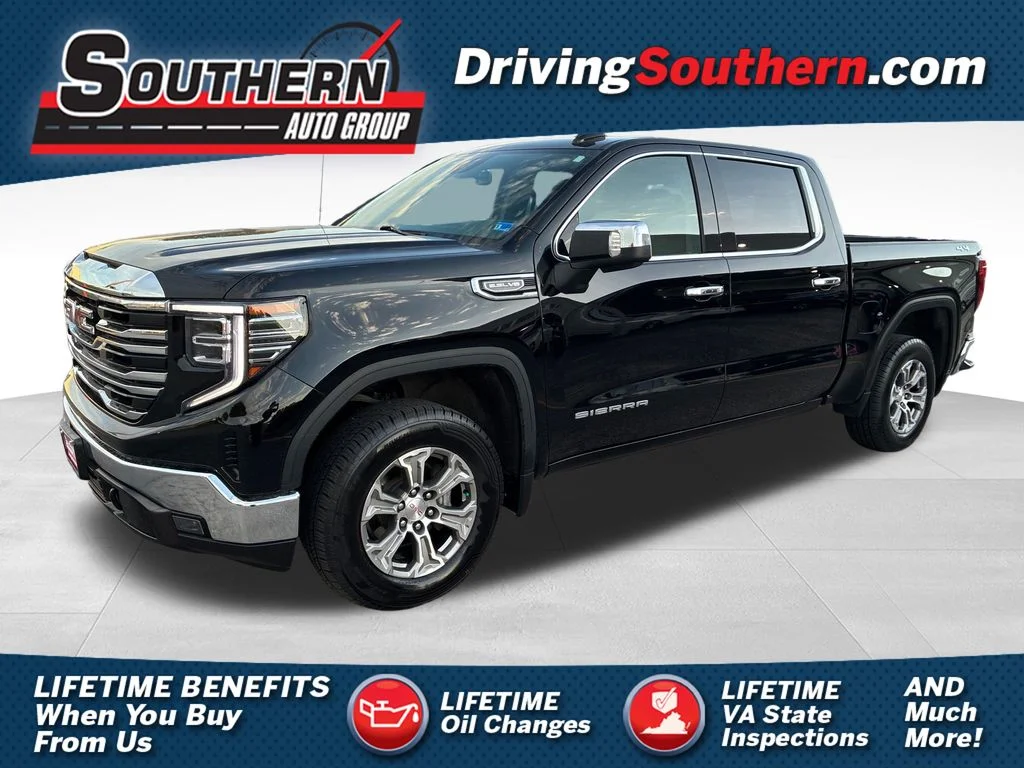
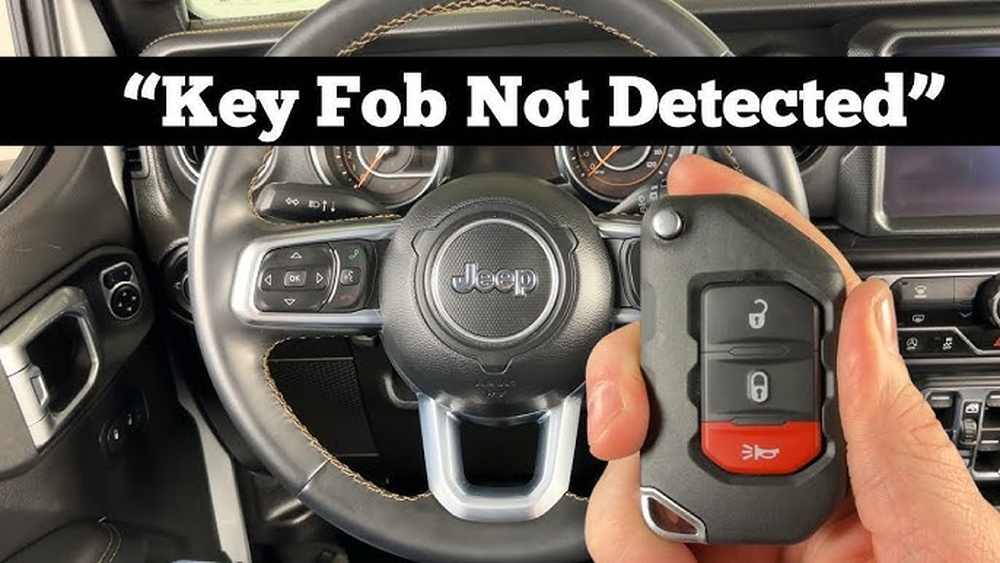
Many people see the rugged look of a Jeep and the strong presence of GMC on the road, then wonder: Is Jeep made by GMC? It’s a common question, especially for car shoppers or anyone curious about American vehicles. Let’s clear up the confusion and explore where Jeep comes from, how it’s different from GMC, and why so many people mix up these two well-known brands.
The Origin Of Jeep
The story of Jeep begins during World War II. The U.S. Army needed a tough, reliable vehicle for soldiers. In 1941, the first Jeep was built, not by GMC, but by Willys-Overland and Ford. The design focused on durability, off-road ability, and simplicity.
After the war, the Jeep name became famous for all-terrain vehicles. Over the years, Jeep changed owners several times. Big companies like Kaiser Motors, American Motors Corporation (AMC), and Chrysler controlled the brand at different points.
Today, Jeep is part of Stellantis, a global car group formed from the merger of Fiat Chrysler Automobiles and PSA Group in 2021.
What About Gmc?
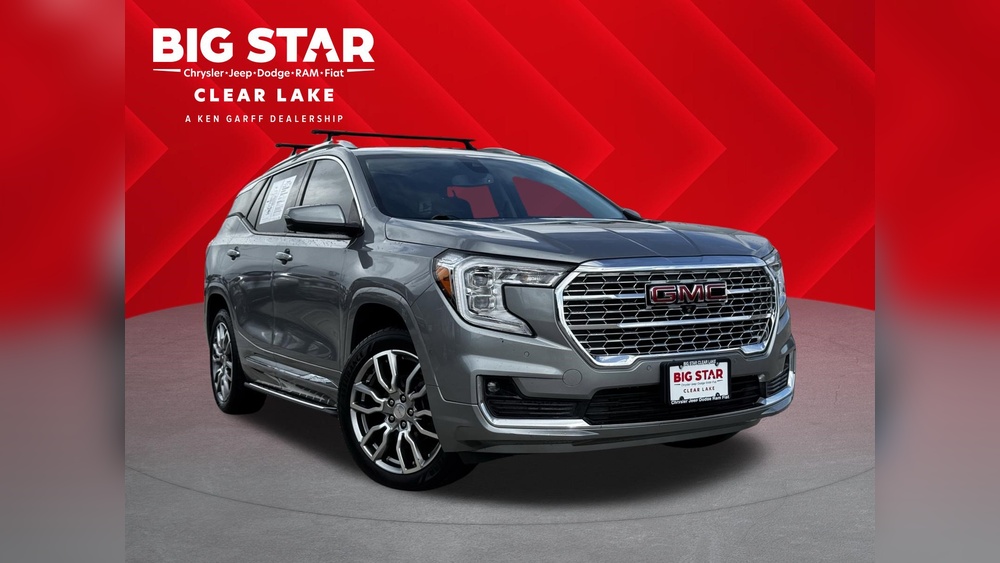
GMC stands for General Motors Truck Company. It’s a division of General Motors (GM), founded in 1911. GMC focuses on trucks, SUVs, and commercial vehicles. While both Jeep and GMC make SUVs, their history and ownership are completely separate.
GMC is known for vehicles like the Sierra pickup and the Yukon SUV. These vehicles are designed for power, towing, and comfort. Jeep, on the other hand, is famous for off-road vehicles like the Wrangler and Grand Cherokee.
Jeep Vs. Gmc: Key Differences
Some people think Jeep and GMC are connected because both make strong, large vehicles. But there are important differences.
| Brand | Current Owner | Main Focus | Popular Models |
|---|---|---|---|
| Jeep | Stellantis | Off-road SUVs | Wrangler, Grand Cherokee |
| GMC | General Motors | Trucks & SUVs | Sierra, Yukon |
Ownership: Jeep is under Stellantis; GMC is part of General Motors.
Vehicle Purpose: Jeep models are built for off-roading. GMC vehicles focus more on towing, hauling, and family comfort.
Style: Jeep vehicles have a signature boxy, rugged look. GMC vehicles often look more polished and urban.
Why People Get Confused
The confusion often comes from the types of vehicles each brand sells. Many SUVs look similar in size and shape.
Also, both Jeep and GMC are American brands and can be found at almost every dealership.
Another reason is that people sometimes use “Jeep” to mean any SUV. In some countries, “Jeep” has become a general word for off-road vehicles, even if they’re made by other companies.
How Jeep And Gmc Compete
Both brands compete in the SUV market. But their main strengths are different.
Jeep is the go-to for adventurous drivers who want to explore rough terrain. GMC is popular with families and businesses who need reliable trucks and comfortable SUVs.
Let’s compare two popular models: Jeep Grand Cherokee and GMC Yukon.
| Feature | Jeep Grand Cherokee | GMC Yukon |
|---|---|---|
| Engine Options | V6, V8, Hybrid | V8, Diesel |
| Off-road Ability | High (Trail Rated) | Moderate |
| Max Towing | 7,200 lbs | 8,400 lbs |
| Seating | Up to 5 | Up to 9 |
As you can see, the Grand Cherokee is strong off-road, while the Yukon is better for large families and heavy towing.
Who Owns Jeep Now?
Jeep is currently owned by Stellantis, one of the world’s largest car companies. Stellantis also owns brands like Chrysler, Dodge, Ram, Peugeot, Citroën, and more. This means Jeep is not part of General Motors, and it has no direct link to GMC.
Here’s a quick look at who owns what:
| Brand | Parent Company | Country of Origin |
|---|---|---|
| Jeep | Stellantis | USA |
| GMC | General Motors | USA |
| Chevrolet | General Motors | USA |
| Ram | Stellantis | USA |
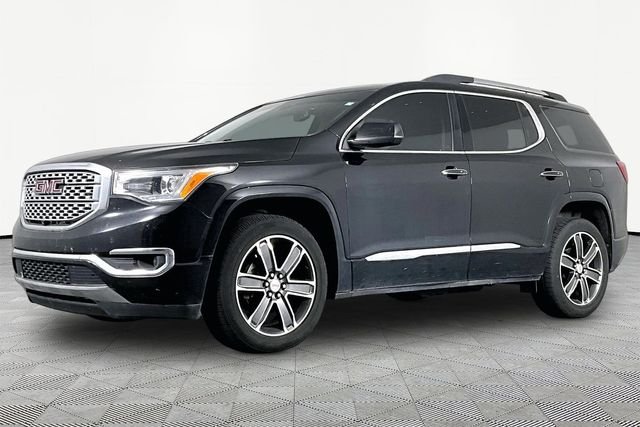
Notice that Jeep and GMC are in different groups.
Common Myths About Jeep And Gmc
- Myth: GMC owns Jeep.
- Fact: Jeep is owned by Stellantis, not GMC or General Motors.
- Myth: Jeeps and GMCs are made in the same factories.
- Fact: They have separate factories and design teams.
- Myth: All big SUVs are Jeeps.
- Fact: Many brands make large SUVs, but only Stellantis makes Jeeps.
What Makes Jeep Unique?
Jeep’s biggest strength is its off-road capability. Models like the Wrangler and Gladiator are known for 4×4 systems, high ground clearance, and strong frames. Jeep vehicles often have features like removable doors and roofs, which are rare in other brands.
GMC, while offering some off-road options like the AT4 trim, usually focuses more on comfort, technology, and towing capacity.
Here are two insights beginners often miss:
- Jeep’s “Trail Rated” badge means the vehicle passed tests for water fording, traction, and articulation. Not all SUVs are tested this way.
- GMC and Chevrolet vehicles often share the same parts and designs, but Jeep’s models are unique to its brand.

Which Should You Choose?
If you want a car for outdoor adventures, rough roads, or camping, Jeep is often the better choice. If you need a vehicle for towing, carrying a big family, or business use, GMC might fit you more.
Remember, always test-drive and compare models before buying. Features, comfort, and price can change your mind.
For more on car brands and their histories, check out the Jeep Wikipedia page.
Frequently Asked Questions
Is Jeep Made By Gmc?
No, Jeep is not made by GMC. Jeep is owned by Stellantis, while GMC is owned by General Motors.
Are Jeep And Gmc Vehicles Built In The Same Factories?
No, each brand has its own production plants and design teams. They do not share manufacturing facilities.
Which Is Better For Off-roading: Jeep Or Gmc?
Jeep is usually better for off-roading. Its vehicles like the Wrangler and Gladiator are specially designed for rough terrain.
Does Gmc Have A Vehicle Similar To The Jeep Wrangler?
GMC does not have a direct Wrangler competitor. The closest options are the GMC Canyon AT4 or Sierra AT4, but they are trucks, not dedicated off-road SUVs.
Why Do People Confuse Jeep And Gmc?
People often mix them up because both brands sell SUVs and are popular in North America. The confusion also comes from using “Jeep” as a general term for SUVs.
In summary, Jeep and GMC are separate brands, each with its own strengths and history. Knowing the differences helps you make the right choice when shopping for your next vehicle.