Is Jeep Liberty Good On Gas
Thinking about buying a Jeep Liberty and wondering if it’s good on gas? Many people are drawn to the Liberty for its rugged style and off-road ability, but fuel economy is a big concern, especially with rising gas prices.
This guide gives you clear, honest details about the Jeep Liberty’s gas mileage, how it compares to similar SUVs, and what you can really expect if you own one.
Jeep Liberty Gas Mileage: The Numbers
The Jeep Liberty was produced in two main generations: 2002-2007 and 2008-2012. Both offer a mix of V6 engines and, for a short time, a diesel. Gas mileage varies depending on the model year, engine type, and whether it’s 2WD or 4WD.

Here’s a quick look at the official EPA fuel economy ratings for popular Liberty models:
| Model Year | Engine | Drivetrain | City MPG | Highway MPG |
|---|---|---|---|---|
| 2002-2007 | 3.7L V6 | 4WD | 15 | 20 |
| 2005-2006 | 2.8L Diesel | 4WD | 18 | 23 |
| 2008-2012 | 3.7L V6 | 4WD | 15 | 21 |
As you can see, the Liberty’s gas mileage is on the lower side for compact SUVs. Even the rare diesel version only gives a modest boost.
How Liberty Compares To Other Suvs
It helps to see how the Jeep Liberty stacks up against similar vehicles from its time. Here’s a direct comparison with other popular compact SUVs:
| Vehicle | City MPG | Highway MPG |
|---|---|---|
| Jeep Liberty (2008, 3.7L V6, 4WD) | 15 | 21 |
| Honda CR-V (2008, 2.4L I4, AWD) | 20 | 26 |
| Toyota RAV4 (2008, 2.4L I4, 4WD) | 20 | 25 |
| Ford Escape (2008, 3.0L V6, 4WD) | 17 | 22 |
The numbers show that the Jeep Liberty lags behind most competitors in fuel efficiency. Compact SUVs like the Honda CR-V and Toyota RAV4 usually deliver better gas mileage.
Real-world Gas Mileage: What Owners Report
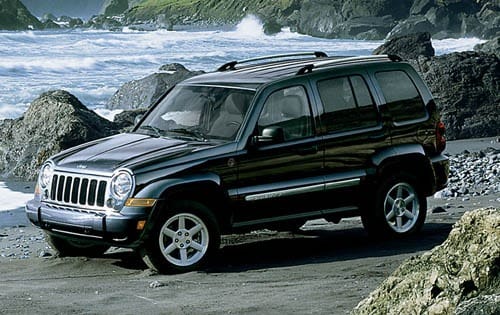
Official numbers tell one story, but real-world experience can be different. Many owners report averaging 14-18 MPG in mixed driving. City driving can drop below 14 MPG, especially with heavy traffic or aggressive driving.
Some factors make a big difference:
- Tire pressure: Low tires hurt fuel economy.
- Driving style: Quick starts and stops use more gas.
- 4WD use: Engaging 4WD lowers MPG.
- Cargo weight: Extra gear or roof racks add drag.
A little-known insight: Some Liberty owners have noticed that using the cruise control on highways helps squeeze out an extra 1-2 MPG. Also, regular maintenance like clean air filters and timely oil changes can make a small but real impact.
Why Is Jeep Liberty Not Fuel Efficient?
The Liberty’s boxy shape and heavier build are key reasons for its poor gas mileage. Unlike many compact SUVs, it’s built with a strong frame and real off-road parts. While this makes it tough, it also means more weight and less aerodynamic efficiency. The V6 engine, while powerful, is not as fuel-friendly as smaller four-cylinder options.
Another detail: The automatic transmission in most Liberties is less advanced than those in some rivals, leading to higher fuel use. Older technology and focus on rugged performance—not efficiency—are the main reasons behind its numbers.
Is Jeep Liberty’s Gas Mileage A Dealbreaker?
The answer depends on your needs. If you want an SUV mainly for city commutes or road trips, the low MPG can mean higher fuel costs over time. But if you value off-road ability, towing, or driving in tough conditions, the Liberty’s strengths may outweigh its fuel drawbacks.
Here are situations where the Liberty’s fuel use may not be a big issue:
- Short daily drives: Lower annual mileage lessens the impact.
- Need for off-road capability: Few small SUVs can match it.
- Occasional use: As a second vehicle, fuel cost is less critical.
Still, for budget-focused drivers, these numbers can add up. For example, driving 15,000 miles per year at an average of 17 MPG means using about 882 gallons annually.
At $3. 50 per gallon, that’s over $3,000 a year in fuel.
Tips To Improve Jeep Liberty Gas Mileage
While the Liberty will never be a gas-sipper, you can maximize efficiency by following these tips:
- Drive smoothly: Gentle acceleration and braking helps.
- Keep tires inflated: Check pressure monthly.
- Lighten your load: Remove unused items and roof racks.
- Use 2WD when possible: Only use 4WD when needed.
- Regular maintenance: Change air filters and spark plugs on time.
These habits can sometimes boost MPG by 5-10%. It won’t transform your Liberty into a hybrid, but every bit helps.
The Bottom Line
In summary, the Jeep Liberty is not good on gas compared to most other compact SUVs. Its real strengths are off-road ability, towing, and durability—not fuel economy. If you drive long distances or care about saving at the pump, you might be disappointed. But if you need a tough, capable SUV and can live with higher fuel costs, the Liberty might still be a fit.
For more details on EPA ratings and comparisons, visit the official FuelEconomy.gov.
Frequently Asked Questions
What Is The Average Mpg For A Jeep Liberty?
Most Jeep Liberty models get 15-21 MPG, depending on the year and driving conditions. Owners often report real-world averages around 17 MPG.
Is The Jeep Liberty Fuel Efficient Compared To Other Suvs?
No, the Liberty is below average in fuel efficiency. Most rivals like the Honda CR-V and Toyota RAV4 offer better gas mileage.
Does 4wd Affect The Liberty’s Gas Mileage?
Yes, using 4WD makes the engine work harder, which lowers fuel economy. Driving in 2WD when possible helps save gas.
Can I Make My Jeep Liberty Use Less Gas?
You can improve mileage slightly with good maintenance, proper tire pressure, and gentle driving. However, the Liberty’s basic design limits big improvements.
Should I Buy A Jeep Liberty If I Care About Gas Mileage?
If fuel economy is your top priority, the Liberty may not be the best choice. But if you need off-road strength or towing, and can accept higher gas costs, it might still work for you.