Is Jeep Compass Good For Off Road
The Jeep Compass stands as a popular choice for people who want a compact SUV with both city comfort and off-road capability. But is the Compass truly fit for challenging trails, or is it more suited for light adventures?
For drivers considering the Compass, understanding what this SUV can (and cannot) do off-road is critical. Let’s break down its strengths, real-world performance, and how it compares to other options in its class.
Off-road Features Of Jeep Compass
The Jeep Compass includes a set of features designed to handle rough terrain. However, not all Compass models are created equal. Here are some key aspects that make the Compass capable off the pavement:
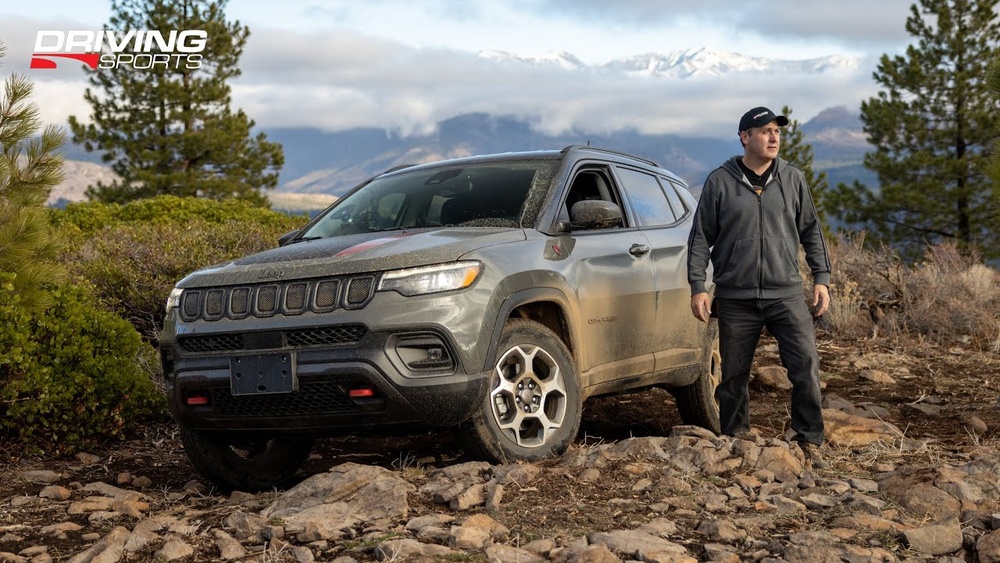
- Jeep Active Drive: Most Compass trims come with an advanced all-wheel-drive system. This system automatically sends power to the wheels that need it most, improving traction on slippery or uneven surfaces.
- Selec-Terrain System: This feature allows drivers to select different driving modes such as Snow, Sand, Mud, and Auto. The system adjusts the throttle, transmission, and traction to match the terrain.
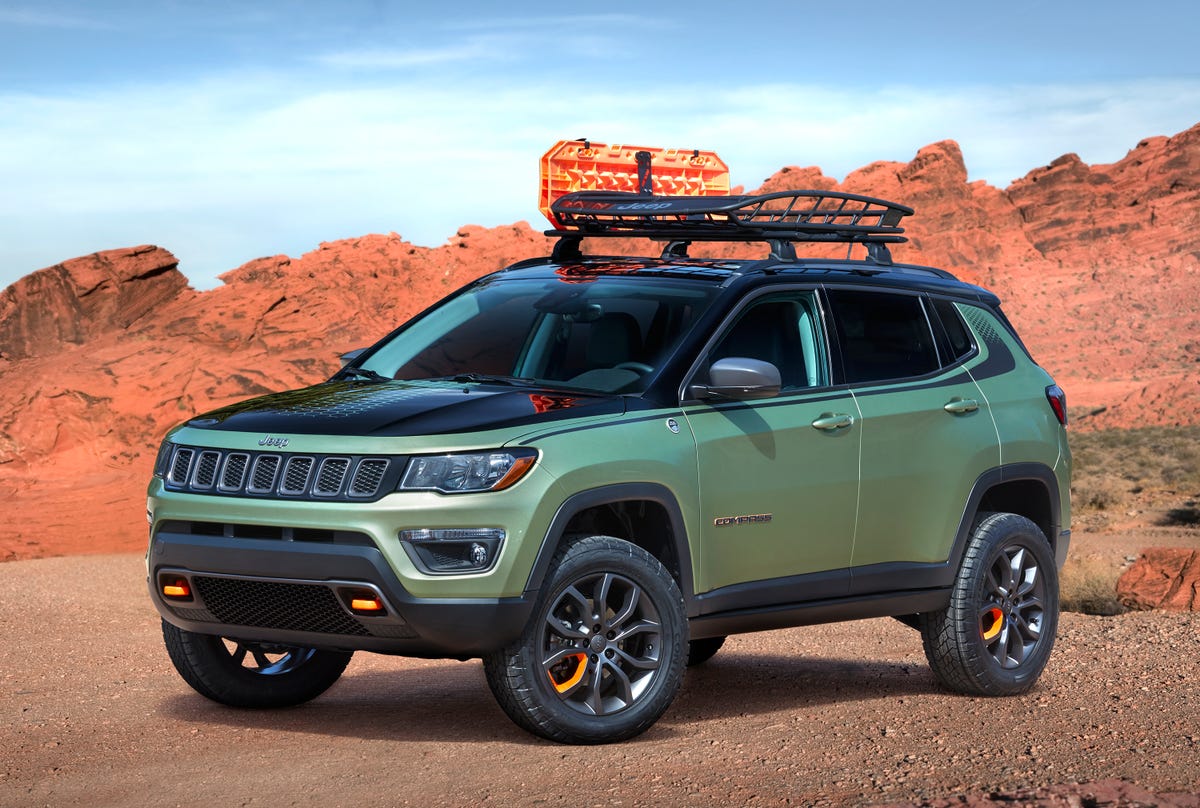
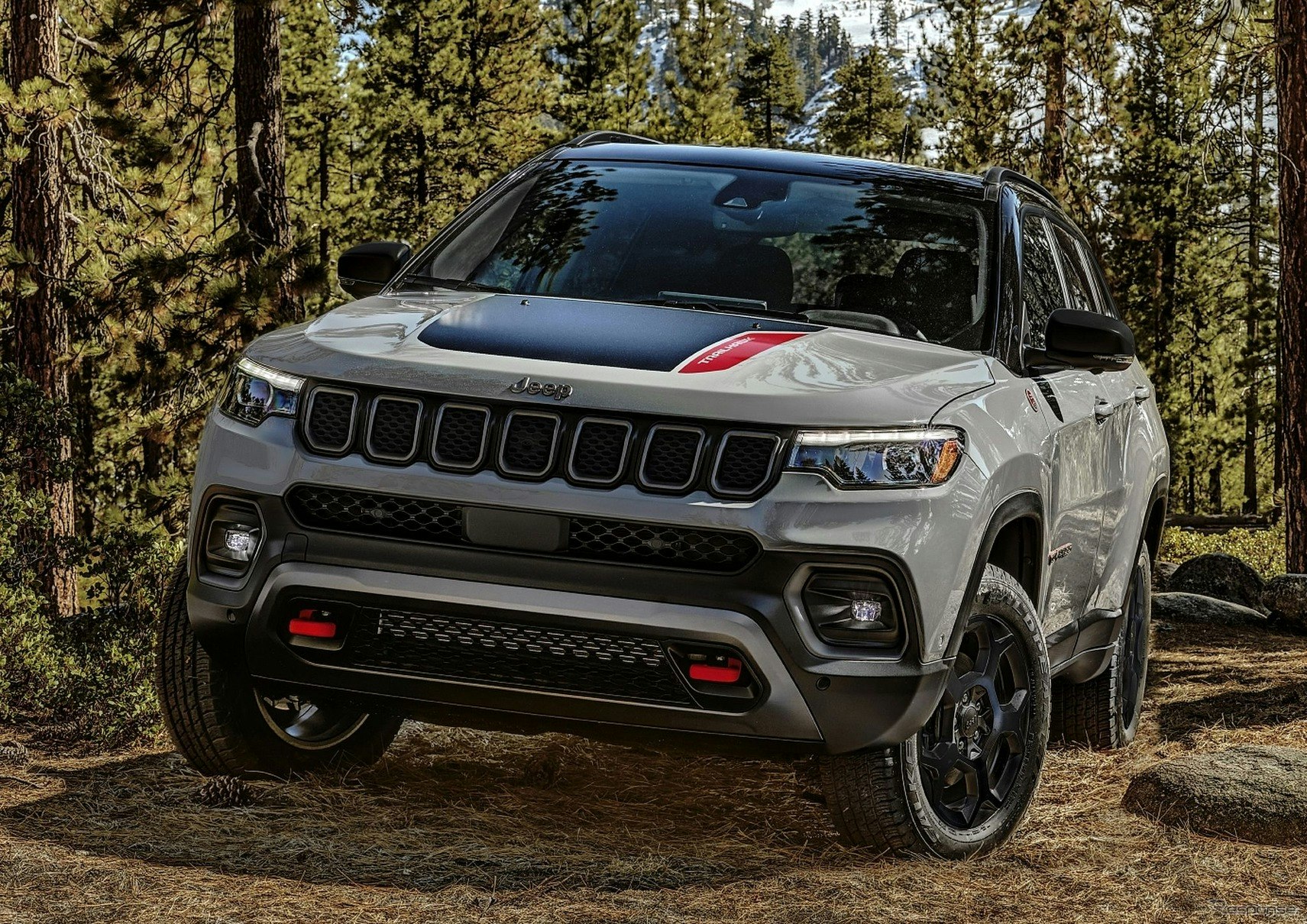
- Ground Clearance: The Trailhawk version of the Compass offers about 8.5 inches of ground clearance, which is higher than most compact SUVs. Regular trims have about 7.8 inches.
- Hill Descent Control: On steep downhill paths, this system helps control speed, so the driver can focus on steering.
- Underbody Protection: The Trailhawk trim adds skid plates to protect vital components like the fuel tank and transmission from rocks and debris.
Real-world Off-road Performance
While the Compass has several off-road tools, performance depends on the model and trim you choose. The Trailhawk trim is the most off-road capable, designed for serious outdoor adventures.
Jeep Compass Trailhawk Vs. Other Trims
The following table highlights the key differences between the Compass Trailhawk and the standard Compass Latitude trim:
| Feature | Compass Trailhawk | Compass Latitude |
|---|---|---|
| Drivetrain | 4WD (Jeep Active Drive Low) | AWD (Jeep Active Drive) |
| Ground Clearance | 8.5 inches | 7.8 inches |
| Skid Plates | Standard | Not available |
| Tires | All-terrain | All-season |
| Off-Road Suspension | Yes | No |
The Trailhawk’s Active Drive Low system gives it more torque at low speeds, which is useful for climbing over rocks or deep mud. The regular Compass trims are better suited for gravel roads, light trails, or snowy streets rather than harsh off-road adventures.
How Jeep Compass Compares To Other Compact Suvs
Many people compare the Compass with other compact SUVs like the Subaru Forester and Toyota RAV4. Here’s a quick comparison:
| Model | Ground Clearance | Approach Angle | Off-Road Features |
|---|---|---|---|
| Jeep Compass Trailhawk | 8.5 in | 30.3° | Selec-Terrain, Skid Plates |
| Subaru Forester Wilderness | 9.2 in | 23.5° | X-Mode, Skid Plates |
| Toyota RAV4 TRD Off-Road | 8.6 in | 19.0° | Multi-Terrain Select |
The Compass Trailhawk holds its own in ground clearance and approach angle, which are crucial for climbing and descending steep areas. However, the Forester Wilderness offers even more clearance, which can make a big difference on rocky paths.
Pros And Cons For Off-roading
Every SUV has strengths and weaknesses. Here is a clear look at the Compass for off-road use:
Pros
- Genuine off-road features (especially on Trailhawk)
- Compact size makes it easier to maneuver on narrow trails
- Comfortable ride for daily driving and weekend adventures
- Selec-Terrain system adapts well to changing surfaces
Cons
- Limited clearance on non-Trailhawk trims
- Less powerful engine compared to some rivals (2.4L, 177 hp)
- Not as rugged as the larger Jeep Wrangler or Cherokee
- Cargo space is smaller than some competitors
Non-obvious Insights
Many beginners overlook that tire choice is as important as the vehicle itself. Even with 4WD, street tires can slip on wet or sandy paths. The Trailhawk’s all-terrain tires are a quiet advantage.
Another detail is approach and departure angles. These angles decide how steep a hill or drop the Compass can handle without scraping the bumpers. The Trailhawk’s bumpers are shaped for better angles, while other trims may get stuck or damaged on the same path.
Practical Tips For Off-roading With A Compass
- Choose the right trim: If you plan to do more than dirt roads, the Trailhawk is essential.
- Lower tire pressure slightly (within safe limits) for better grip on sand or rocks.
- Carry recovery gear: Even capable SUVs can get stuck. A tow strap and small shovel can save the day.
- Don’t push limits: The Compass is not a rock crawler. Know your route and avoid deep water or large boulders.
- Regular checks: Inspect tires, underbody, and fluids before and after off-road trips.
Value For Money
The Compass is priced lower than other off-road-focused SUVs like the Jeep Wrangler. The Trailhawk trim costs more but adds real capability. For most buyers, the Compass offers a good balance of off-road features and daily comfort. If your off-roading is mostly dirt roads or light trails, the Compass is more than enough.
Here’s a basic cost comparison between similar models:
| Model | Base Price (USD) | Off-Road Focused Trim Price |
|---|---|---|
| Jeep Compass | $28,400 | $33,800 (Trailhawk) |
| Subaru Forester | $27,095 | $33,520 (Wilderness) |
| Toyota RAV4 | $28,675 | $37,195 (TRD Off-Road) |
Who Should (and Shouldn’t) Buy The Jeep Compass For Off-road
Choose the Compass if you want a small SUV that handles daily driving and weekend trails. It’s especially good for people who want off-road looks and some real capability, but don’t need extreme performance.
Avoid the Compass if you need to tackle very rough terrain, tow heavy loads, or want maximum power. For those needs, the Jeep Wrangler or a midsize SUV might be better.