Taking long road trips can be an adventure, but your vehicle choice makes a huge difference. Many drivers wonder if the Jeep Compass is a good companion for long journeys.
The Compass is known for its rugged look and Jeep DNA, but how does it perform when you’re on the highway for hours? Let’s dive into the real-world experience of taking the Jeep Compass on long drives, considering comfort, performance, safety, and practical tips that matter most for travelers.
Comfort And Interior Experience
Spending hours inside a car means comfort is not optional. The Jeep Compass offers a well-designed cabin with supportive seats and good visibility. The front seats are cushioned and adjustable, which helps reduce fatigue during long hours behind the wheel. Higher trims feature leather upholstery and a power-adjustable driver’s seat, making it easier to find a comfortable position.
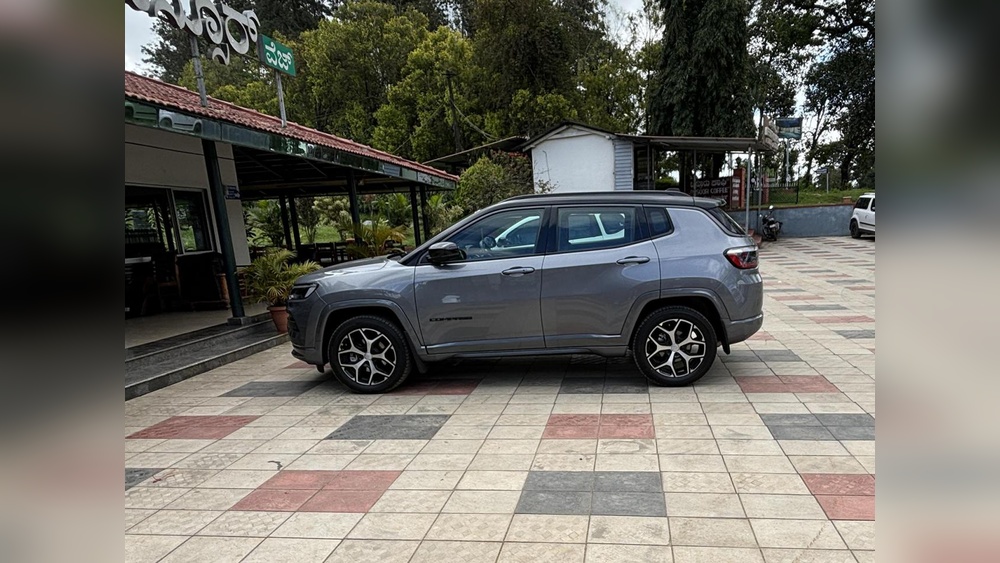
For rear passengers, legroom is decent but not the roomiest in the class. If you travel with adults in the back for long stretches, it may feel a bit tight.
However, for families with kids or groups of three, the space is usually sufficient.
Climate control is another highlight. The dual-zone automatic climate control keeps everyone comfortable, and rear air vents are available in most trims. The cabin is well-insulated, so road and wind noise are kept to a minimum, especially at highway speeds.
Ride Quality And Performance On Highways
A good long-distance vehicle must balance smoothness with power. The Jeep Compass comes with a 2.4L four-cylinder engine producing around 177 horsepower. While it’s not the fastest in the segment, it’s adequate for steady highway cruising.
The ride is generally smooth, even over rough patches of road. Thanks to its suspension setup, the Compass absorbs most bumps well. It’s not as floaty as some larger SUVs, but it feels more planted than many compact crossovers.
Here’s a quick comparison of the Compass with two rivals on common highway features:
| Feature | Jeep Compass | Honda CR-V | Mazda CX-5 |
|---|---|---|---|
| Engine Power | 177 hp | 190 hp | 187 hp |
| Highway MPG | 31 | 34 | 31 |
| Cabin Noise | Low | Very Low | Low |
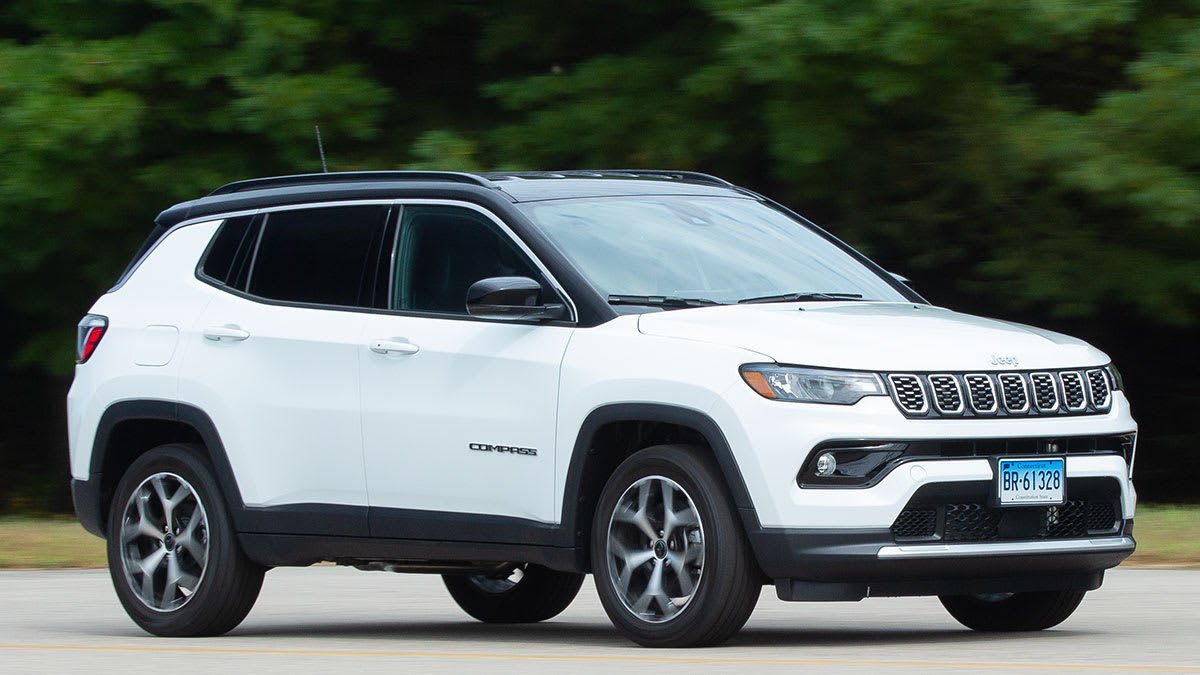
The Compass doesn’t win on power or mileage but offers a stable and quiet highway ride. If you want more passing power, the Compass Trailhawk has a slightly improved setup but still isn’t a performance SUV.
Technology And Infotainment For Travelers
On long drives, infotainment and connectivity make a difference. The Compass comes standard with a Uconnect system featuring a 7-inch or available 8.4-inch touchscreen. It supports both Apple CarPlay and Android Auto, so you can easily access your maps, music, or podcasts.
USB ports are available for both front and rear passengers, which is helpful for charging devices. Navigation is available on higher trims, but even the base system has responsive controls and a clear display.
One overlooked feature is the 9-speaker Alpine sound system (on higher trims), which provides excellent audio quality—something that can help fight driver fatigue during long hours.
Fuel Efficiency And Cost Considerations
Long drives mean a lot of fuel stops, so efficiency matters. The Jeep Compass is rated at around 22 mpg city and 31 mpg highway for front-wheel drive models. All-wheel drive versions are slightly less efficient, averaging 30 mpg highway.
How does this affect your trip? For a 500-mile journey, you’ll need around 16 gallons of gas.
This is competitive but not class-leading. The Compass uses regular gasoline, keeping fuel costs reasonable.
Here’s an estimate of long-drive fuel costs:
| Trip Distance | Highway MPG | Gallons Needed | Approx. Fuel Cost ($4/gallon) |
|---|---|---|---|
| 500 miles | 31 | 16.1 | $64 |
| 800 miles | 31 | 25.8 | $103 |
One practical tip: keeping your tires properly inflated can help you squeeze a bit more mileage out of each tank, especially when carrying luggage or extra passengers.
Safety And Driver Assistance
Safety is a priority on long trips, especially when fatigue sets in. The Jeep Compass comes with a good mix of standard and available safety features:
- Forward collision warning
- Lane-keeping assist
- Adaptive cruise control
- Blind-spot monitoring
Adaptive cruise control and lane-keeping assist are especially useful for highway driving, allowing you to relax a bit on long, straight stretches. The Compass has earned solid safety ratings from the NHTSA and IIHS, giving you extra peace of mind.
Storage And Practicality For Road Trips
Packing for a long trip means you need space. The Compass provides 27.2 cubic feet of cargo space behind the rear seats, expanding to 59.8 cubic feet with the seats folded. This is enough for several suitcases and smaller bags.
There are also useful small storage spaces inside the cabin for snacks, water bottles, and chargers. The rear seats fold flat, making it easier to load large items like camping gear or sports equipment.
Here’s how the Compass compares with competitors for cargo space:
| Model | Cargo Space (Seats Up) | Cargo Space (Seats Folded) |
|---|---|---|
| Jeep Compass | 27.2 cu ft | 59.8 cu ft |
| Honda CR-V | 39.2 cu ft | 75.8 cu ft |
| Mazda CX-5 | 30.9 cu ft | 59.6 cu ft |
While not the leader, the Compass offers enough space for most long-distance travelers. A roof box can add more capacity if needed.

Real-world Insights And Common Mistakes
Many new owners don’t realize that the Jeep Compass is more comfortable for long drives when you take time to adjust your seat and steering wheel properly. Skipping this can lead to back pain on longer journeys.
Another common mistake is overpacking. While the Compass has good cargo space, stuffing it full can impact rear visibility and make the cabin feel cramped.
Traveling light not only improves comfort but also helps with fuel efficiency.
One more tip: take advantage of the adaptive cruise control and lane-keeping assist features. Many people don’t use them, but on highways, they reduce stress and help you stay alert.
Is The Jeep Compass The Right Choice For Long Drives?
The Jeep Compass is a solid choice for long-distance driving if you value ride comfort, technology, and safety features. It’s not the most powerful or fuel-efficient in its class, and rear passenger space is just average. But for couples, small families, or solo travelers, it’s reliable and easy to drive.
The Compass shines on highways with its quiet cabin, supportive seats, and helpful tech. If you often travel with four adults or need maximum cargo space, you might want to test drive competitors like the Honda CR-V.
Still, for most people, the Compass balances comfort, safety, and style for enjoyable long journeys.
For more details, check the official Jeep Compass page.
Frequently Asked Questions
Is The Jeep Compass Reliable For Long Road Trips?
Yes, the Compass is considered reliable for long trips, especially if maintained well. Regular oil changes and tire checks are important before setting out.
How Does The Jeep Compass Handle Mountain Or Hilly Terrain?
The Compass performs confidently on hills thanks to its all-wheel drive and ground clearance. However, the engine may feel a bit underpowered on steep climbs compared to larger SUVs.
Can The Compass Comfortably Seat Five Adults For Long Drives?
It can seat five, but rear space is a bit tight for taller adults on very long journeys. For best comfort, four adults is ideal.
What Is The Average Real-world Fuel Economy On Highways?
Most drivers report 28–31 mpg on highways, close to official ratings, if you keep speeds moderate and avoid heavy loads.
Are There Features That Make Long Drives Easier In The Compass?
Yes, features like adaptive cruise control, lane-keeping assist, and the Alpine sound system improve comfort and reduce fatigue on long trips.