When shopping for a Jeep Cherokee, one question comes up often: is it AWD or 4WD? Many people hear both terms used with the Cherokee, but they are not the same.
Understanding the difference matters, especially if you plan to drive in snow, mud, or off-road. Let’s break down what each system means, how the Cherokee uses them, and which is right for you.
What’s The Difference Between Awd And 4wd?
Before diving into the Jeep Cherokee, it’s helpful to know what all-wheel drive (AWD) and four-wheel drive (4WD) mean. Both systems send power to all four wheels, but they do it in different ways.
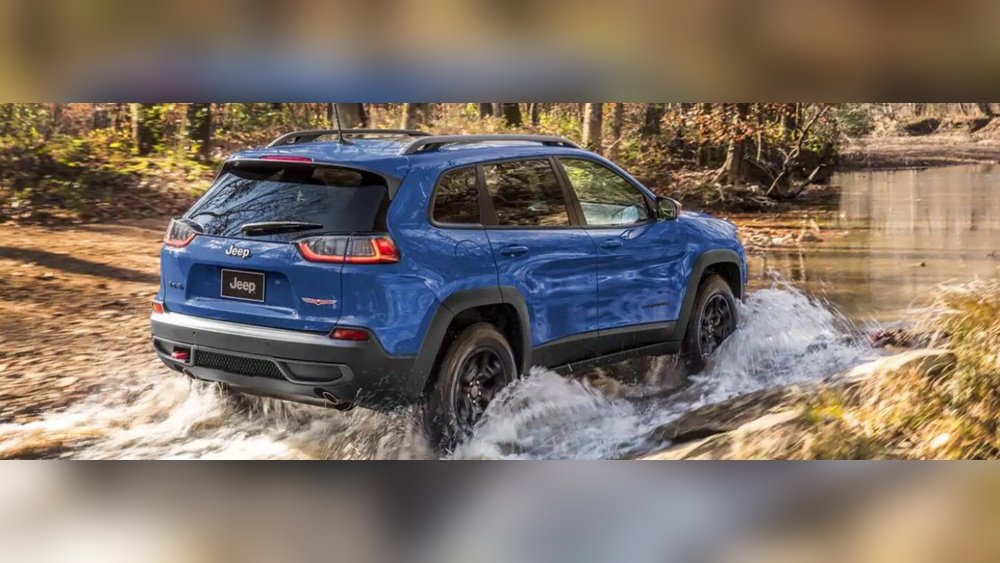
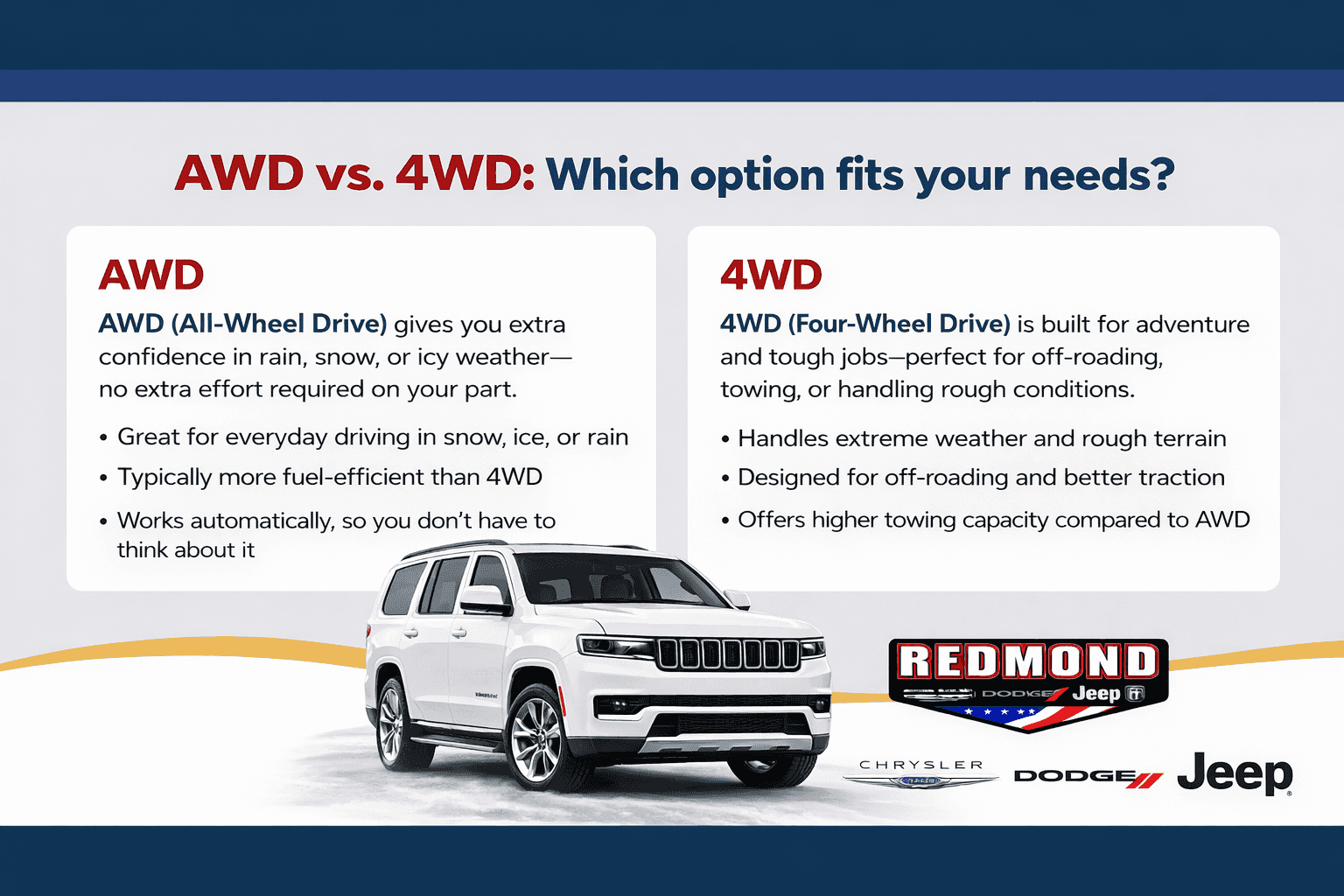
- AWD: This system works automatically. Sensors decide when to send power to the front, rear, or all wheels. AWD is great for city driving, rain, light snow, or gravel. It does not need the driver to turn it on or off.
- 4WD: This system is often more rugged. It usually requires the driver to switch it on, especially for off-road or tough conditions. 4WD can handle deep snow, mud, and rocky trails better than most AWD systems.
The main difference? AWD is always on and automatic. 4WD is more manual and powerful for extreme conditions.
Does The Jeep Cherokee Have Awd Or 4wd?
The answer depends on which Jeep Cherokee model and trim you choose. The Cherokee is unique because it offers both AWD and 4WD systems, depending on the version and options. Here’s how it works:
Jeep Cherokee Drivetrain Options
| Model Year | Available Drivetrains | Main Features |
|---|---|---|
| 2014-2023 | FWD, AWD, 4WD | Multiple traction systems |
| 2024 | AWD, 4WD | All trims AWD or 4WD |
For most recent Cherokees, front-wheel drive (FWD) is available on base trims. Higher trims and special packages offer advanced AWD or 4WD.
Jeep Active Drive Systems
Jeep uses special names for its AWD and 4WD systems:
- Jeep Active Drive I: This is an automatic AWD system. It’s always on, moving power between front and rear wheels as needed.
- Jeep Active Drive II: This is a 4WD system with low-range gearing. It’s better for off-road or tough terrain.
- Jeep Active Drive Lock: Only on the Trailhawk trim, this is the most advanced 4WD. It adds a rear locker for serious off-road performance.
Comparing Cherokee Awd And 4wd Systems
Each Cherokee drivetrain has unique benefits. Here’s a quick comparison:
| System | Type | Best For | Extra Features |
|---|---|---|---|
| Active Drive I | AWD | City, light snow, rain | Automatic, no driver input |
| Active Drive II | 4WD | Off-road, heavy snow | Low-range mode |
| Active Drive Lock | 4WD | Rock crawling, mud | Rear locker, off-road |
Most buyers choose Active Drive I (AWD) for daily driving and occasional bad weather. For serious adventure, the Trailhawk with Active Drive Lock (4WD) is the top pick.
Real-world Performance: Cherokee In Action
The Cherokee’s AWD system handles wet or icy roads well. It quickly shifts power between wheels if one slips.
For example, driving up a snowy hill, the system detects which wheels have grip and sends power there.
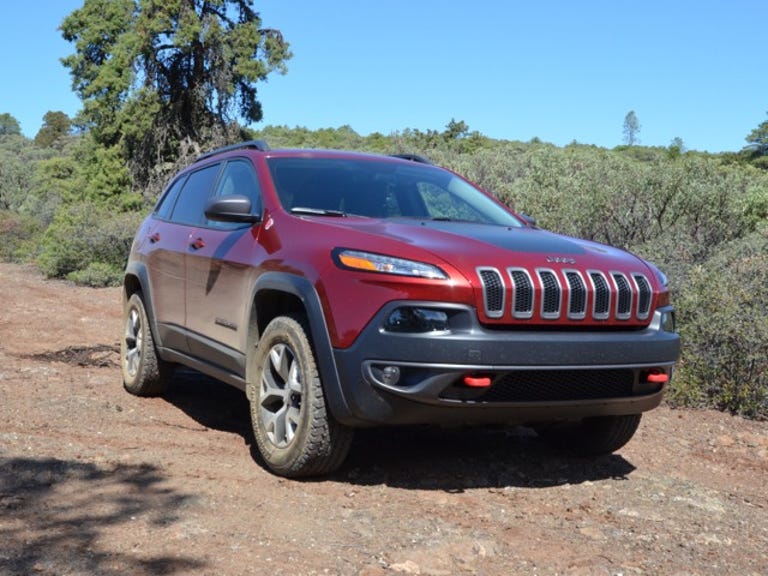
With Active Drive II or Lock, the Cherokee can take on deep snow, mud, or rocky trails. The Trailhawk trim even has special skid plates and tow hooks. It’s one of the few small SUVs that can handle real off-roading.
Some owners are surprised by how smart the AWD feels during sudden rain or snow. The car stays stable and safe, even if the road gets slippery fast.
When Should You Choose Awd Or 4wd?
Picking between AWD and 4WD depends on your needs:
- AWD is best if you live in the city or suburbs, see light snow, or want better safety on slippery roads.
- 4WD is better if you go off-road, live in a rural area, or face heavy snow often.
A common mistake is thinking AWD and 4WD are the same. For example, some buyers pay more for 4WD but never use its full power.
Others pick AWD and later realize they need more off-road ability.
Cherokee Vs. Other Suvs: Drivetrain Comparison
How does the Cherokee stack up against other popular SUVs? Here’s a quick look:
| Model | AWD Available | 4WD Available | Best For |
|---|---|---|---|
| Jeep Cherokee | Yes | Yes | On-road & off-road |
| Honda CR-V | Yes | No | On-road, light snow |
| Toyota RAV4 | Yes | No | On-road, light off-road |
| Subaru Forester | Yes | No | All-weather driving |
The Cherokee stands out for real off-road capability in its class. Few rivals offer true 4WD with low-range gearing.
Two Insights Most Buyers Miss
- AWD does not replace snow tires: Even with AWD, you still need good winter tires in heavy snow. AWD helps with traction, but tires matter for stopping and turning.
- 4WD adds weight: Choosing 4WD can make the Cherokee heavier and use more fuel. If you only drive on paved roads, AWD usually makes more sense.
Final Thoughts
The Jeep Cherokee offers both AWD and 4WD, but your choice should match your driving style. For most people, AWD brings safety and comfort in all weather. But if you love adventure or need the best off-road power, 4WD is worth the upgrade. Understanding these systems helps you pick the right Cherokee and avoid paying for features you won’t use.
If you want to dive even deeper into the technology, check the official Jeep Cherokee Wikipedia page.

Frequently Asked Questions
What Is The Main Difference Between Awd And 4wd In The Jeep Cherokee?
AWD is fully automatic and great for on-road use and slippery conditions. 4WD is stronger, with extra settings for off-road or tough terrain.
Can I Use Awd Or 4wd All The Time?
AWD is always on and safe for daily driving. 4WD should only be used in low-grip or off-road conditions, as it can cause wear on dry pavement.
Which Cherokee Trim Has True 4wd?
The Trailhawk trim offers the most advanced 4WD, with extra features for off-road use.
Does 4wd Make The Cherokee Better In Snow?
Yes, 4WD helps in deep snow and rough winter roads. But good tires are still important for safety.
Is The Jeep Cherokee Good For Off-roading?
Yes, especially the Trailhawk model. It has 4WD, skid plates, and a raised suspension for rough trails.