Is Jeep Cherokee Always In 4wd?
Many drivers love the Jeep Cherokee for its reputation as a tough, go-anywhere SUV. But a common question pops up: is the Jeep Cherokee always in 4WD (four-wheel drive)?
The answer is not as simple as yes or no. It depends on the model, year, and the specific 4WD system installed.
Understanding how Cherokee’s 4WD works can help you drive smarter, save fuel, and avoid mistakes off-road or in bad weather.

How Jeep Cherokee’s 4wd Systems Work
The Jeep Cherokee has offered several 4WD systems over the years. Each system handles power and traction differently.
Active Drive I
This is the most common 4WD system found in recent Jeep Cherokee models. Active Drive I is a fully automatic system. It stays in front-wheel drive most of the time to save fuel. When it senses wheel slip, it sends power to the rear wheels. You don’t need to push any buttons or turn any knobs—it works on its own.
Active Drive Ii
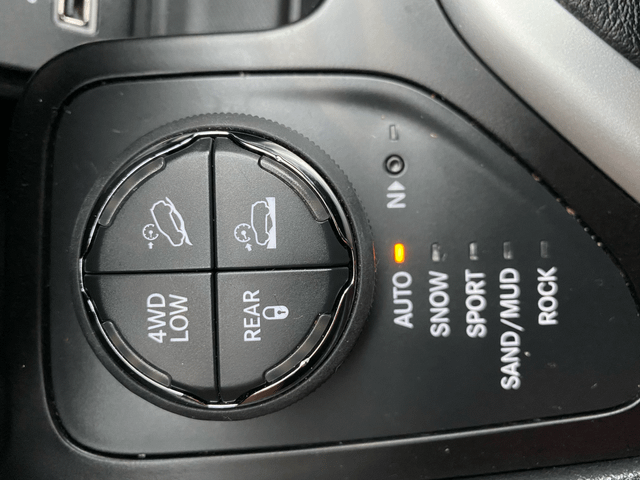
Active Drive II is more advanced. It adds a low-range mode for tough trails and steep hills. Like Active Drive I, it automatically shifts power between the front and rear. However, you can choose “4WD Low” for deep snow, mud, or off-road crawling. This option is not always engaged; you activate it only when needed.
Active Drive Lock
The Trailhawk trim uses Active Drive Lock. This system includes all features of Active Drive II, plus a locking rear differential for extreme off-road. Most of the time, power shifts automatically. You get full 4WD only when you select it, usually during challenging trails.
Older Jeep Cherokee Models
Older Cherokees (1980s 2000s) used manual 4WD systems. Drivers had to shift between 2WD and 4WD using a lever.
These vehicles are not always in 4WD drivers control when to engage it.
Is Cherokee Always In 4wd? System Comparison
Here’s a breakdown of which Jeep Cherokee models are always in 4WD and which are not.
| Model Year | 4WD System | Always in 4WD? |
|---|---|---|
| 2014–2023 | Active Drive I/II/Lock | No (Automatic, part-time) |
| 1984–2001 | Command-Trac/Selec-Trac | No (Manual selection) |
| 2024 | Active Drive I | No (Automatic, part-time) |
Key Point: No Jeep Cherokee model is “always in 4WD” all the time. Most use 2WD by default and send power to all wheels only when needed.
Benefits Of Automatic 4wd In Cherokee
Cherokee’s automatic 4WD systems offer several advantages:
- Better fuel economy: The SUV uses 2WD on dry roads, saving gas.
- Less driver effort: No need to shift into 4WD manually.
- Quick traction: The system reacts instantly to slippery roads or rough terrain.
- Less wear and tear: 4WD parts aren’t used all the time, so they last longer.
These benefits make the Cherokee a smart choice for drivers who want both comfort and off-road ability.
When Does Cherokee Use 4wd?
The Jeep Cherokee switches to 4WD only when sensors detect:
- Wheel slip (on ice, snow, mud)
- Heavy acceleration
- Sharp turns on loose surfaces
On dry, paved roads, the Cherokee stays in 2WD mode. If you drive a Trailhawk or a Cherokee with Active Drive II, you can manually select 4WD Lock or Low for difficult conditions.

Common Mistakes About Cherokee 4wd
New owners often make these errors:
- Assuming 4WD is always on: This is not true. Most of the time, your Cherokee is in 2WD.
- Using 4WD on dry pavement: This can damage the system and tires. Use it only when needed.
- Not checking the owner’s manual: Each Cherokee may have different controls. Always read your manual.
Fuel Efficiency: 2wd Vs 4wd
Choosing the right mode affects fuel use. Here’s a quick look:
| Mode | Approx. MPG (City/Highway) | When to Use |
|---|---|---|
| 2WD | 22–31 | Dry, paved roads |
| 4WD Auto | 21–29 | Rain, light snow, gravel |
| 4WD Lock/Low | 18–24 | Deep snow, mud, off-road |
Tip: The more you use 4WD, the more fuel you will use. Let the system handle it unless conditions get tough.
How To Know If 4wd Is On
The Cherokee’s dashboard shows icons or messages when 4WD is active. You might see:
- 4WD or AWD indicator lights
- “4WD Lock” or “Low” icons
- Traction control notifications
If you’re not sure, park safely and consult your vehicle’s manual. Some systems also let you check status through the infotainment screen.
Is Full-time 4wd Worth It?
Some SUVs use full-time 4WD, but the Cherokee’s system is designed for balance. Full-time 4WD means all wheels get power all the time.
While this can help in constant bad weather, it reduces fuel efficiency and increases wear. Most drivers do not need full-time 4WD.
Cherokee’s system gives you the benefits of both worlds good on-road comfort and solid off-road performance.

Real-world Example
Imagine you’re driving a 2020 Jeep Cherokee on a snowy street. The road looks clear, so your Cherokee stays in 2WD.
Suddenly, you hit a patch of ice. The system instantly sends power to the rear wheels, keeping you safe.
You didn’t have to do anything it worked automatically. This quick reaction is why many drivers trust the Cherokee in all seasons.
Frequently Asked Questions
Does Every Jeep Cherokee Come With 4wd?
No, some Cherokee models are front-wheel drive (FWD) only. Always check the specs before buying.
How Do I Turn On 4wd In My Cherokee?
In most recent Cherokees, 4WD is automatic. For models with “4WD Lock” or “4WD Low,” use the dial or button near the gear shift.
Can I Drive My Cherokee In 4wd All The Time?
It’s safe to use 4WD Auto as much as you want, but “4WD Lock” or “Low” should be used only in slippery or rough conditions.
Does 4wd Help In Rain?
Yes. The system sends power to all wheels if it detects slipping, which helps keep you in control during heavy rain.
Where Can I Learn More About Jeep Cherokee 4wd Systems?
For detailed specs and technical info, visit the official Jeep Cherokee page.
Whether you drive in the city or off-road, understanding your Jeep Cherokee’s 4WD system helps you get the most from your SUV. The Cherokee is not always in 4WD but thanks to smart technology, it’s ready whenever you need extra traction.
Stay safe, drive smart, and let your Cherokee do the hard work.