Is Jeep A Good Car?
When you hear the word Jeep, you probably think of rugged adventures, open roads, and a tough vehicle that can handle almost anything. But is Jeep actually a good car for everyday use, or is it mainly for off-road fans? Many people wonder if buying a Jeep is a smart choice, especially with so many brands on the market. Let’s look at the facts, real-world experiences, and expert opinions to help you decide if Jeep is the right fit for you.
Jeep’s Reputation And History
Jeep has been around since 1941. It started as a military vehicle for World War II and later became popular with civilians. The brand is known for its off-road capability and bold design. Today, Jeep offers models like the Wrangler, Grand Cherokee, Renegade, and Compass. Each model targets different types of drivers, from adventure seekers to families.
Jeep’s strong reputation comes from its ability to perform in rough conditions. Many owners appreciate the freedom and confidence they feel driving a Jeep. However, Jeep’s reputation is not perfect. Some models have faced criticism for reliability issues and higher maintenance costs.

Performance And Capability
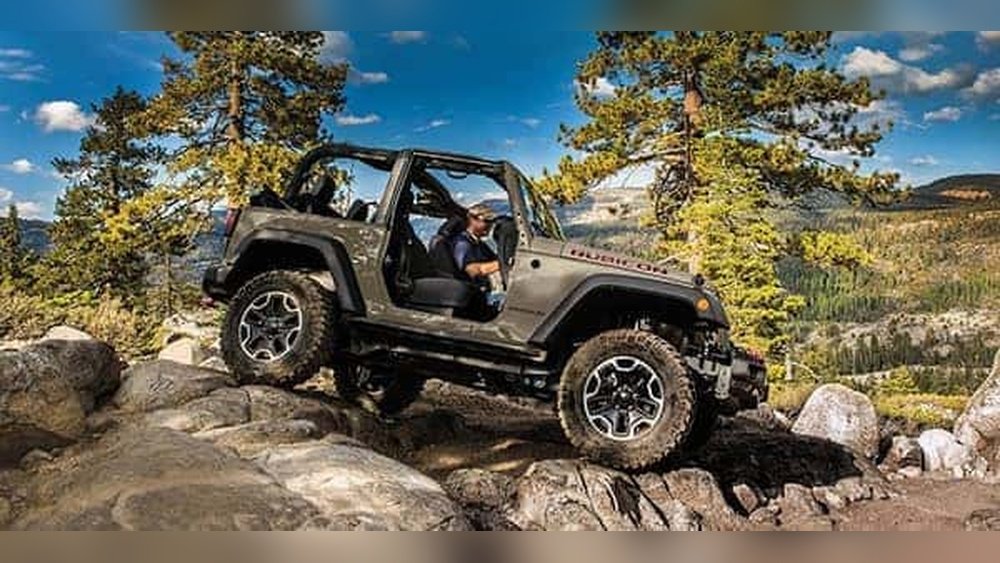
One main reason people choose Jeep is its performance. Most Jeeps have four-wheel drive (4WD) or all-wheel drive (AWD), making them great for bad weather and rough terrain. The Wrangler is famous for handling muddy trails, steep hills, and rocky roads.
Here’s a quick comparison of Jeep’s performance features against other popular brands:
| Feature | Jeep Wrangler | Toyota RAV4 | Honda CR-V |
|---|---|---|---|
| 4WD/AWD | Standard 4WD | Optional AWD | Optional AWD |
| Ground Clearance | 10.8 inches | 8.6 inches | 8.2 inches |
| Towing Capacity | 3,500 lbs | 1,500 lbs | 1,500 lbs |
This data shows Jeep’s advantage in rough conditions. If you need a vehicle for snow, mud, or trails, Jeep stands out.
Reliability And Maintenance
Reliability is a concern for many car buyers. Jeep’s reliability rating has been mixed. Some models, like the Grand Cherokee, score well for comfort and longevity. Others, like the Wrangler, often require more repairs.
According to J.D. Power, Jeep ranks near the middle for reliability. Common issues include electronics, air conditioning, and steering. The cost of repairs can be higher than average, especially for models with advanced off-road features.
Let’s look at average yearly maintenance costs:
| Model | Yearly Maintenance Cost | Repair Frequency |
|---|---|---|
| Jeep Wrangler | $694 | Above Average |
| Jeep Grand Cherokee | $571 | Average |
| Honda CR-V | $407 | Below Average |
Jeep owners should expect to spend more on maintenance compared to some competitors. This is important to consider if you want a low-cost vehicle.
Comfort And Features
Jeep vehicles have improved in comfort over the years. The newer Grand Cherokee and Compass offer heated seats, touchscreen displays, and advanced safety features. Some Jeeps are quieter and smoother than older models.
However, the classic Wrangler is still known for a rough ride and basic interior. It’s built for adventure, not luxury. If you want a comfortable family car, look at the Grand Cherokee or Jeep’s newer SUVs.
Here’s a quick overview of Jeep’s features compared to similar SUVs:
| Feature | Jeep Grand Cherokee | Toyota Highlander | Ford Explorer |
|---|---|---|---|
| Heated Seats | Available | Available | Available |
| Touchscreen Display | 8.4 inches | 8.0 inches | 8.0 inches |
| Safety Rating | 4 stars | 5 stars | 5 stars |
Jeep offers good technology and comfort in newer models, but some competitors score higher in safety and luxury.

Ownership Experience
Many Jeep owners feel a strong sense of community. Jeep clubs, events, and online groups let drivers share tips and stories. The “Jeep wave”—a greeting between Jeep drivers—is a unique tradition.
Owning a Jeep can be rewarding if you enjoy outdoor activities. Its design lets you remove doors and roof, offering a true open-air experience. However, city drivers may find Jeeps less efficient and harder to park.
Here are two insights most beginners miss:
- Resale Value: Some Jeep models keep their value better than others. The Wrangler, for example, often has high resale value due to its popularity.
- Customization: Jeeps are highly customizable. Owners often add accessories like lift kits, lights, and roof racks. This flexibility is rare among other car brands.
Is Jeep A Good Car For You?
Jeep is a good car for drivers who want adventure, strong off-road performance, and a bold look. It is not always the best choice for people who want low maintenance costs or high fuel efficiency.
Consider these points before buying:
- Do you need off-road ability?
- Can you handle higher repair costs?
- Do you value community and customization?
If you answer yes, Jeep could be a great fit. If not, explore other brands with better reliability or comfort.

Frequently Asked Questions
Is Jeep Reliable?
Jeep’s reliability varies by model. The Grand Cherokee scores well, but the Wrangler often needs more repairs. Maintenance costs can be higher than average.
Are Jeeps Good For Daily Driving?
Jeeps like the Grand Cherokee and Compass work well for daily driving. The Wrangler is less comfortable for city roads but great for adventures.
How Is Jeep’s Fuel Economy?
Most Jeeps have lower fuel economy compared to other SUVs. For example, the Wrangler averages about 17-25 mpg, while competitors may get 28-34 mpg.
Is Jeep Safe?
Jeep offers modern safety features in newer models. However, some models, like the Wrangler, score lower in crash tests compared to rivals.
What Is The Resale Value For Jeeps?
The Wrangler has a strong resale value. Other models vary, but Jeeps often keep value better than some brands due to their popularity and unique features.
Choosing a Jeep means picking a lifestyle as much as a car. If you want adventure, rugged design, and a sense of community, Jeep is worth considering. For more detailed reviews and data, check the official Jeep website.