If you’re interested in cars or thinking about buying an SUV, you might wonder: Is Jeep a GM car? This question is common, especially because both Jeep and GM are big names in the auto world. But the answer is more interesting than you might expect. Many people assume that since both companies are American and offer similar types of vehicles, they might be connected. However, Jeep’s roots and ownership are quite unique. Let’s look at where Jeep comes from, who owns it, and how it’s different from General Motors (GM) brands. By the end, you’ll know exactly where Jeep fits in the automotive world.
Who Owns Jeep Today?
Jeep is not a GM car. Jeep is owned by Stellantis, a global automotive group formed in 2021. Stellantis resulted from the merger of Fiat Chrysler Automobiles (FCA) and the French company PSA Group. This means Jeep is now part of a family that includes brands like Chrysler, Dodge, Ram, Peugeot, and Citroën.
Stellantis is one of the world’s largest car manufacturers, with operations in over 130 countries. Jeep benefits from this global presence, which helps bring new technologies and designs.
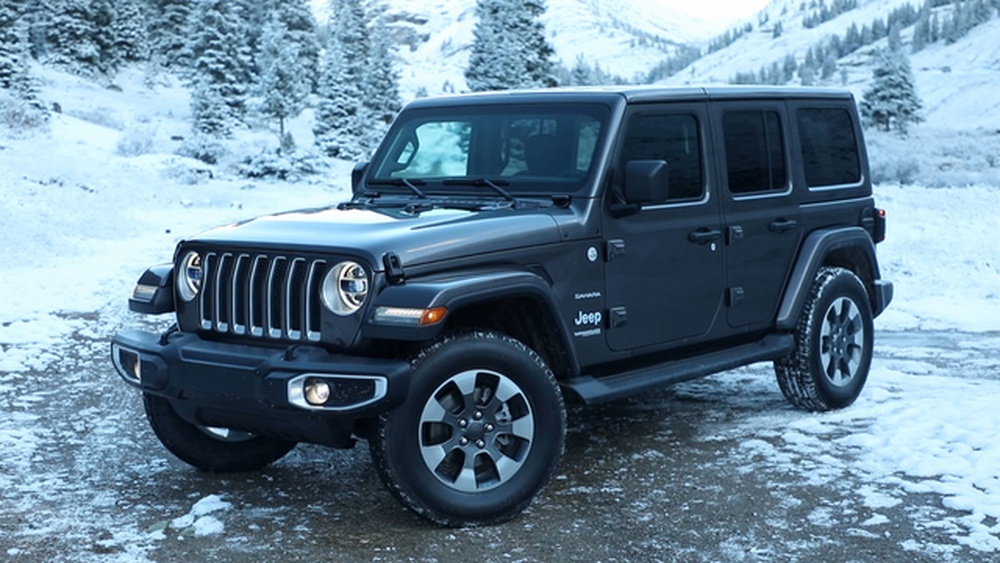
For example, Stellantis’ focus on electric vehicles is starting to influence Jeep’s future models, including plans for electric SUVs.
Here’s a simple breakdown:
| Brand | Current Owner |
|---|---|
| Jeep | Stellantis |
| Chevrolet | GM |
| GMC | GM |
| Cadillac | GM |
| Chrysler | Stellantis |
As you can see, Jeep and GM brands are owned by different companies. This difference affects everything from vehicle design to customer service and even the types of engines and technology used.
Why Do People Think Jeep Is A Gm Car?
Some people confuse Jeep with GM for a few reasons:
- Both are American brands: Jeep and GM are well-known in the United States and have a long history in American car culture. Many people grow up seeing both brands on the road.
- Similar vehicle types: Jeep’s SUVs and trucks sometimes get compared to GM’s Chevrolet and GMC models. For example, the Jeep Grand Cherokee and Chevrolet Tahoe are both popular family SUVs.
- Past partnerships: Over the years, car companies have shared parts, designs, or even collaborated. For example, in the 1980s and 1990s, some Jeep engines and transmissions were sourced from other companies, but never from GM.
Another reason for confusion is the naming. “GMC” sounds similar to “Jeep,” and both focus on rugged vehicles. But Jeep was never owned by GM. It has its own unique history and identity. It’s important to remember that brand partnerships or shared suppliers do not mean shared ownership.
Jeep’s Company History
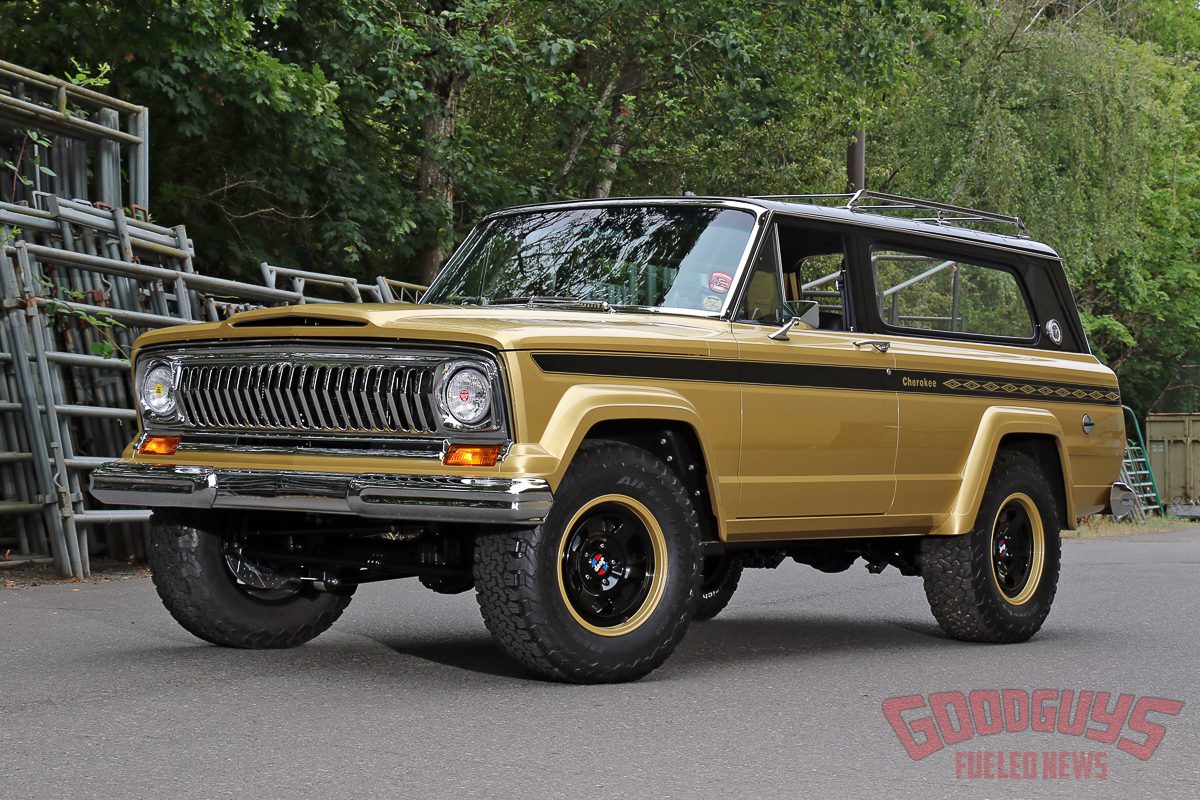
Jeep’s story goes back to World War II. The original Jeep was a military vehicle built for the US Army. Its simple design and ability to drive over rough terrain made it famous. After the war, Jeep became popular with civilians, especially those living in rural areas or who enjoyed outdoor activities.
Here’s a timeline of Jeep’s main owners:
| Year | Owner | Key Change |
|---|---|---|
| 1941 | Willys-Overland | First military Jeeps built |
| 1953 | Kaiser Motors | Bought Willys-Overland |
| 1970 | American Motors Corporation (AMC) | Expanded the Jeep lineup |
| 1987 | Chrysler | Bought AMC, acquired Jeep |
| 1998 | DaimlerChrysler | Chrysler merged with Daimler-Benz |
| 2009 | Fiat Chrysler Automobiles (FCA) | Fiat took control after bankruptcy |
| 2021 | Stellantis | FCA merged with PSA Group |
GM never owned Jeep during any period. One interesting fact: when AMC owned Jeep, the brand was a key reason Chrysler wanted to buy AMC in 1987. Jeep was so valuable that it was the main attraction in the deal. This shows Jeep’s strong reputation in the SUV market.
Key Differences Between Jeep And Gm Cars
Jeep and GM focus on different things, even though both make SUVs and trucks.
Jeep
- Specializes in off-road vehicles. Many models are designed to handle dirt roads, rocks, and mud.
- Famous for models like Wrangler and Grand Cherokee, which are known worldwide.
- Often uses the “Trail Rated” badge. This means the vehicle passed tough off-road tests, including water fording and steep climbs.
- Focus on ruggedness and adventure. Jeep designs often have higher ground clearance, solid axles, and advanced four-wheel drive systems.
Gm (general Motors)
- Owns Chevrolet, GMC, Cadillac, Buick. Each brand has a different market focus, from affordable to luxury.
- Makes a wide range of vehicles, from electric cars (like the Chevy Bolt) to heavy trucks (like the Silverado).
- Focus varies by brand (GMC for trucks, Chevrolet for mainstream, Cadillac for luxury). GM also invests heavily in new technology, like self-driving features and electric powertrains.
Here’s a quick comparison of their best-selling SUVs:
| Brand | Popular SUV | Main Strength |
|---|---|---|
| Jeep | Wrangler | Off-road performance |
| GMC (GM) | Yukon | Luxury + towing |
| Chevrolet (GM) | Tahoe | Family size + comfort |
Jeep stands out for off-road ability, while GM offers more choices for families and luxury buyers. If you want a vehicle for camping, hiking, or off-road trails, Jeep is a top pick. If you want advanced technology, larger family vehicles, or premium interiors, GM brands might suit you better.

Two Insights Many People Miss
- Jeep’s roots are military, not mainstream. The brand’s DNA is built on ruggedness and simple design. This is why older Jeeps look different from most SUVs, and why the Wrangler keeps its boxy shape. Even today, Jeep models are designed to handle rough roads and tough conditions—something that comes from its military history.
- GM and Jeep never merged, even during industry shakeups. While many American car companies have merged or bought each other, Jeep always followed its own path. This history explains why Jeep’s vehicles have a different feel and design. For example, Jeep’s approach to four-wheel drive and off-road systems is unique and not found in GM vehicles.
A lesser-known fact: Jeep was almost sold to other companies several times, but its unique brand identity always kept it separate. This independence has helped Jeep keep its focus on adventure and durability.
Common Mistakes When Talking About Jeep And Gm
- Assuming all American SUVs are related
- Confusing GM’s GMC with Jeep because both make rugged SUVs
- Believing rumors about past mergers that never happened
Another mistake is thinking that Jeep and GM vehicles use the same parts. While some suppliers might be the same, the engineering and technology are usually different.
For example, Jeep’s four-wheel drive systems are tailored for serious off-road use, while GM often focuses more on comfort and towing for their SUVs.
If you want a true Jeep experience, look for the “Jeep” badge—GM brands do not offer the same design or features.
Why Ownership Matters
Understanding who owns Jeep helps you:
- Get the right parts and service for your vehicle
- Know what to expect in terms of quality and design
- Make smarter choices when buying a new or used SUV
For example, GM and Stellantis have different warranty policies, dealer networks, and technology features. This can affect your experience as a car owner, from how easy it is to find service centers to the types of updates and recalls your vehicle might have.
If you’re interested in more about car brand ownership, you can read this detailed guide on the Jeep Wikipedia page.
Frequently Asked Questions
Is Jeep Owned By General Motors?
No, Jeep is not owned by General Motors. Jeep is owned by Stellantis, a group formed from Fiat Chrysler and PSA Group.
Was Jeep Ever Owned By Gm In The Past?
No. Jeep has never been owned by GM at any point in its history. It was previously owned by Willys, Kaiser, AMC, Chrysler, and now Stellantis.
Which Car Companies Are Owned By Gm?
GM owns Chevrolet, GMC, Cadillac, and Buick. It does not own Jeep or any Stellantis brands.
Are Jeep And Gmc The Same Company?
No. Jeep and GMC are separate brands owned by different companies. Jeep is part of Stellantis, while GMC is a GM brand.
Why Do People Compare Jeep To Gm Suvs?
People compare them because both make SUVs and trucks. But Jeep focuses more on off-road vehicles, while GM offers a wider range for families, luxury buyers, and utility needs. For instance, Jeep’s Wrangler is built for rugged trails, while GM’s Yukon is designed for comfort and towing.
Jeep’s unique history and ownership set it apart from GM and its brands. Next time you see a Jeep, you’ll know the real story behind the badge and why it’s not a GM car.