Owning a soft top Jeep can feel like freedom on four wheels. The wind rushes by, the sun shines in, and you get closer to nature with every mile.
But many drivers and families pause before buying, wondering: is a soft top Jeep safe? This question matters, especially if you plan to use your Jeep daily or carry passengers.
Let’s explore the real facts about soft top Jeep safety, clear up common myths, and help you decide with confidence.
How A Soft Top Jeep Is Built
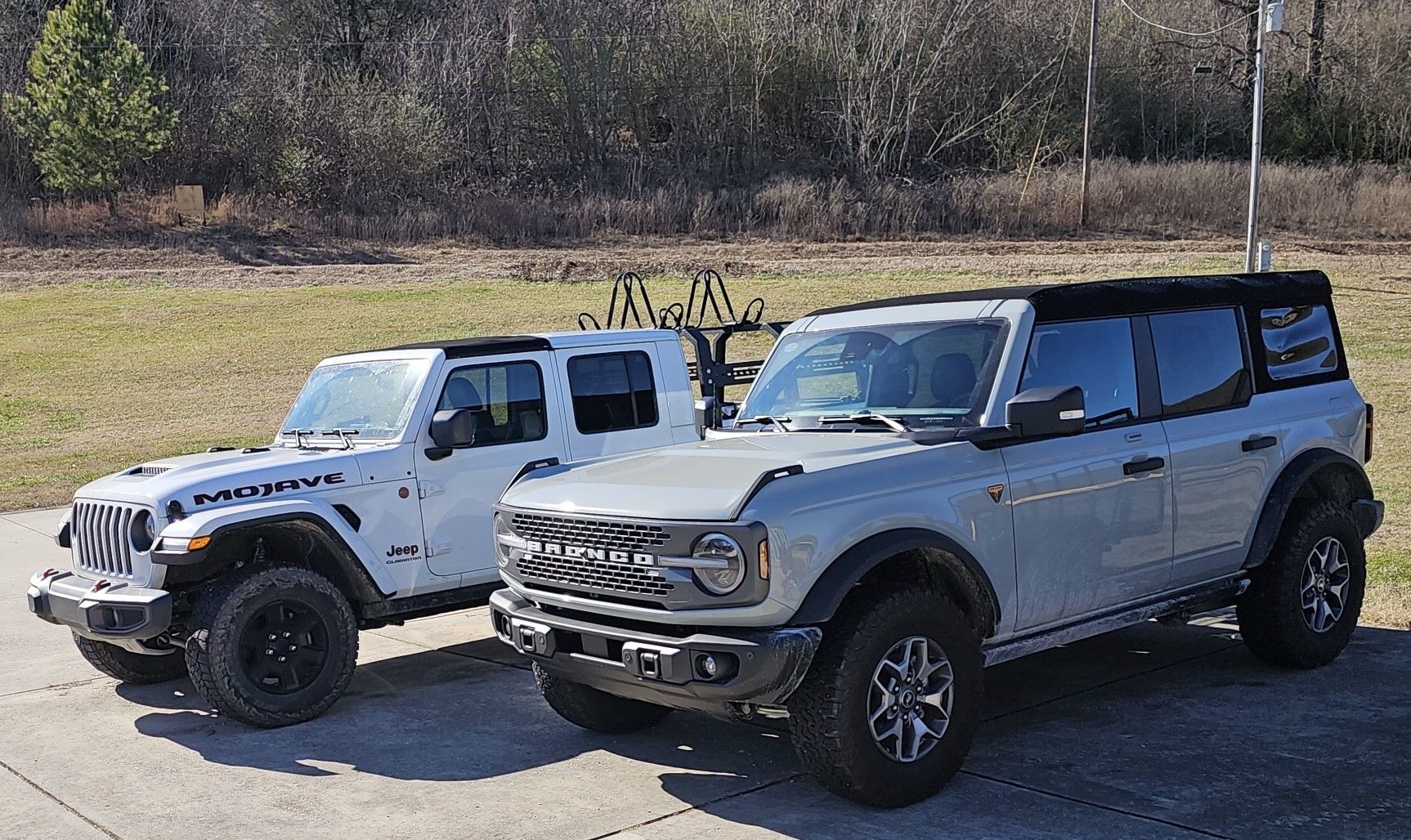
Soft top Jeeps, like the popular Jeep Wrangler, use a fabric roof instead of a hard, metal one. This roof is usually made from strong vinyl or canvas. The rest of the Jeep’s body is similar to hardtop models, with a steel frame and standard safety features.
Key soft top features:
- Removable roof panels for open-air driving
- Lightweight materials for easy removal and storage
- Similar seat belts and airbags as hardtops
It’s important to know that the soft top itself is not designed to act as a strong barrier in an accident. Instead, the Jeep’s main frame provides most of the protection.
Crash Safety: Soft Top Vs. Hardtop
Many people worry about rollover accidents. Jeep Wranglers, whether soft or hard top, include a roll cage (also called a sport bar) built into the body for rollover protection. But how does the soft top compare to the hardtop in real crashes?
Here’s a quick comparison:
| Feature | Soft Top Jeep | Hardtop Jeep |
|---|---|---|
| Rollover Protection | Steel roll cage | Steel roll cage + hard shell |
| Side Impact | Soft roof, steel doors | Hard roof, steel doors |
| Weather Resistance | Good, but less insulation | Excellent |
Studies and crash tests (like those from the IIHS) show that the biggest difference is in side impacts or rollovers. The hard roof gives more protection from objects entering the cabin. The soft top is more likely to tear or deform.
However, both types rely mainly on seat belts and the internal frame for safety. Always wearing your seat belt greatly reduces risk in any Jeep.

Everyday Security And Theft Concerns
One area where soft tops are clearly less safe is theft protection. The fabric can be cut with a knife, making it easier for thieves to get inside. Hardtops can’t be cut and are harder to break into.
Here’s a look at security differences:
| Security Aspect | Soft Top | Hardtop |
|---|---|---|
| Break-in Difficulty | Easy (can be cut) | Hard (needs tools) |
| Locking Valuables | Risky | Safer |
| Alarm System | Helps but not foolproof | More effective |
Non-obvious tip: Many soft top Jeep owners use locking storage boxes inside the vehicle. These boxes keep valuables safe, even if someone gets through the fabric.
Weather, Noise, And Long-term Durability
Safety isn’t just about crashes. You want to feel secure from weather and road dangers too. Here’s how soft tops measure up:
- Rain and wind: Modern soft tops seal well, but heavy storms can sometimes cause leaks.
- Noise: Soft tops are noisier, especially at highway speeds. This can make it harder to hear sirens or horns.
- UV and wear: Sun, rain, and snow can damage the fabric over time, leading to tears or weak spots.
Practical advice: Inspect your soft top often. Small tears can grow, making the Jeep less safe in a crash or storm.
What Safety Features Matter Most?
Whether you choose soft or hard top, focus on these essential safety features:
- Seat belts: Always buckle up. Most Jeep injuries happen when people are unbelted.
- Airbags: Modern Jeeps have front and side airbags. Make sure yours are working.
- Electronic stability control: This helps prevent rollovers by keeping the Jeep steady.
- Roll cage integrity: Check for rust or damage, especially on older Jeeps.
Beginner mistake: Some drivers remove or modify the sport bar for a cleaner look. Don’t do this—it’s a key part of the safety system.
Real-world Examples And Data
According to the National Highway Traffic Safety Administration (NHTSA), the Jeep Wrangler scores well for front crash tests but not as high for side impacts. The soft top does not affect front crash performance, but side impacts and rollovers are riskier.
For example, a 2020 report showed soft top Jeeps had a slightly higher rate of minor injuries in side collisions. However, deaths were rare when seat belts were used.
Who Should (and Should Not) Choose A Soft Top?
A soft top Jeep can be a safe choice if:
- You mostly drive in good weather.
- You keep valuables out of sight.
- You like the open-air experience.
But a hardtop may be better if:
- You live in a high-theft area.
- You drive on highways every day.
- You need maximum side impact protection.
Non-obvious insight: Some Jeep owners buy both tops—using the soft top for summer and the hardtop for winter or city driving.
Final Thoughts
A soft top Jeep is safe for most daily driving, thanks to strong frames and modern safety systems. Still, it has real limits in side impacts, theft protection, and weather resistance. If you understand these trade-offs, inspect your Jeep regularly, and use seat belts, you can enjoy soft top freedom with peace of mind. For deeper crash test data, see this IIHS safety review.
Frequently Asked Questions
Is A Soft Top Jeep Safe In A Rollover?
The steel roll cage protects you in a rollover. But a hardtop adds more strength, so it’s a little safer in severe rollovers.
Can A Soft Top Jeep Handle Heavy Rain Or Snow?
Modern soft tops seal well, but heavy rain or snow can sometimes leak in. Hardtops perform better in extreme weather.
Are Soft Top Jeeps Easy To Steal?
Yes, the fabric can be cut easily. Use locking storage boxes and park in safe areas to reduce risk.
Do Soft Top Jeeps Have The Same Airbags As Hardtops?
Yes, both soft and hardtop Jeeps have the same airbags and seat belts.
How Often Should I Replace A Soft Top?
Most soft tops last 3 5 years. Sun, snow, and rain can wear them out faster, so check often for damage.