Is A Jeep Renegade A Good Vehicle
The Jeep Renegade stands out with its unique style and compact size. But is it truly a good vehicle for daily use, adventures, and long-term ownership? Many drivers love its bold looks and off-road promise, but others question its reliability and comfort. Let’s look deeper into the Jeep Renegade’s strengths, weaknesses, and what buyers should really know before making a decision.
What Makes The Jeep Renegade Special?
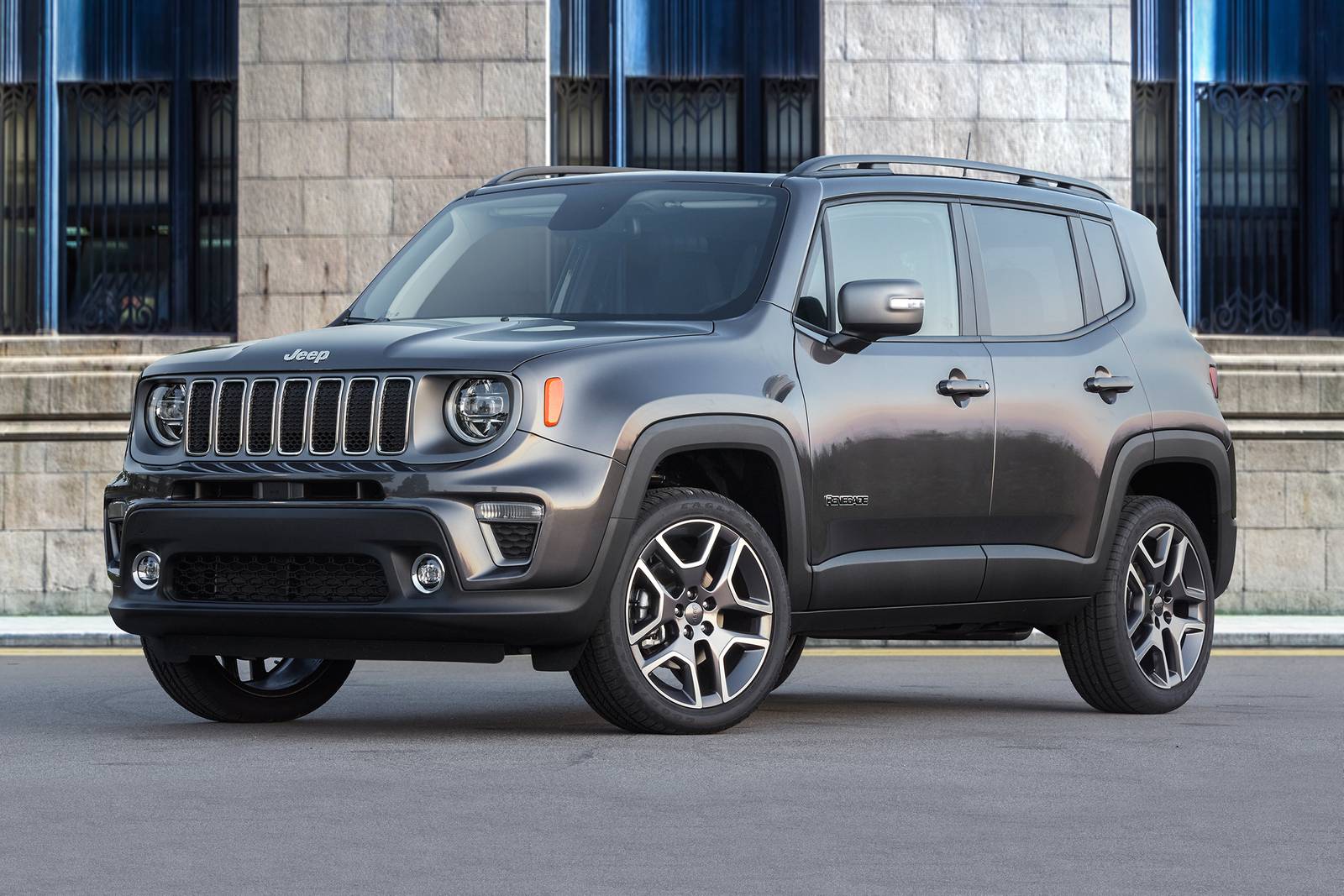
The Renegade is different from many small SUVs. Its boxy design and bright color options turn heads. Jeep markets it as a practical urban car that can also handle dirt trails and snow. It sits below the larger Jeep Compass and Grand Cherokee in the lineup but tries to keep the same adventurous spirit.
A key selling point is its off-road capability. The Renegade Trailhawk model, for example, comes with Jeep’s Active Drive Low 4×4 system, skid plates, and higher ground clearance. This makes it one of the few small SUVs that can genuinely leave paved roads behind.
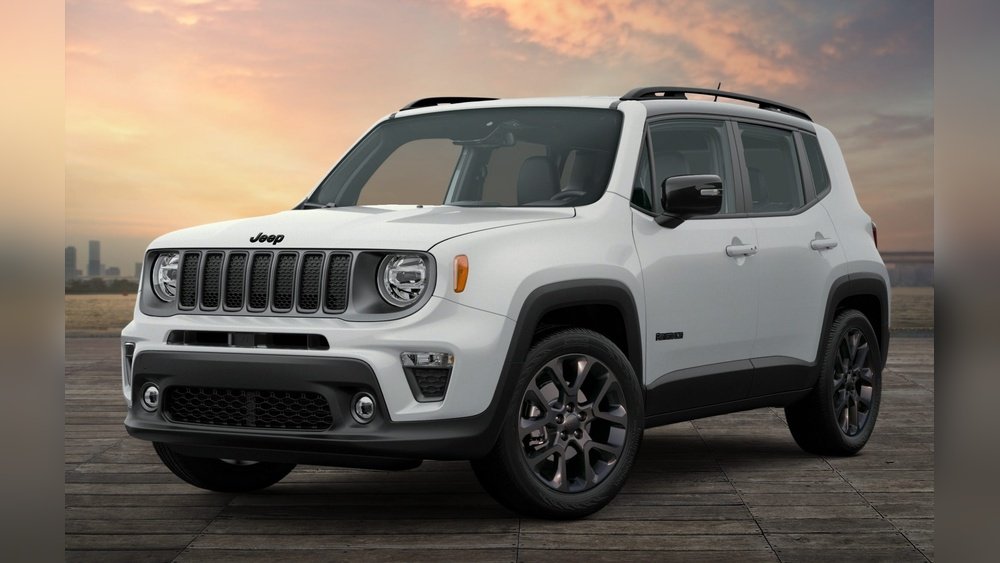
Another draw is its compact size. It’s easy to park, fits into tight city streets, and feels less bulky than many competitors.
Performance And Driving Experience
The Renegade comes with different engine options, depending on the year and trim. Most recent models offer:
- A 2.4-liter four-cylinder engine (about 180 horsepower)
- A 1.3-liter turbocharged four-cylinder engine (about 177 horsepower)
Both engines are paired with a nine-speed automatic transmission.
Here’s a quick look at how the engines compare:
| Engine | Horsepower | Fuel Economy (MPG, combined) | 0-60 mph (seconds) |
|---|---|---|---|
| 2.4L 4-cylinder | 180 | 24 | 9.0 |
| 1.3L Turbo 4-cylinder | 177 | 26 | 8.7 |
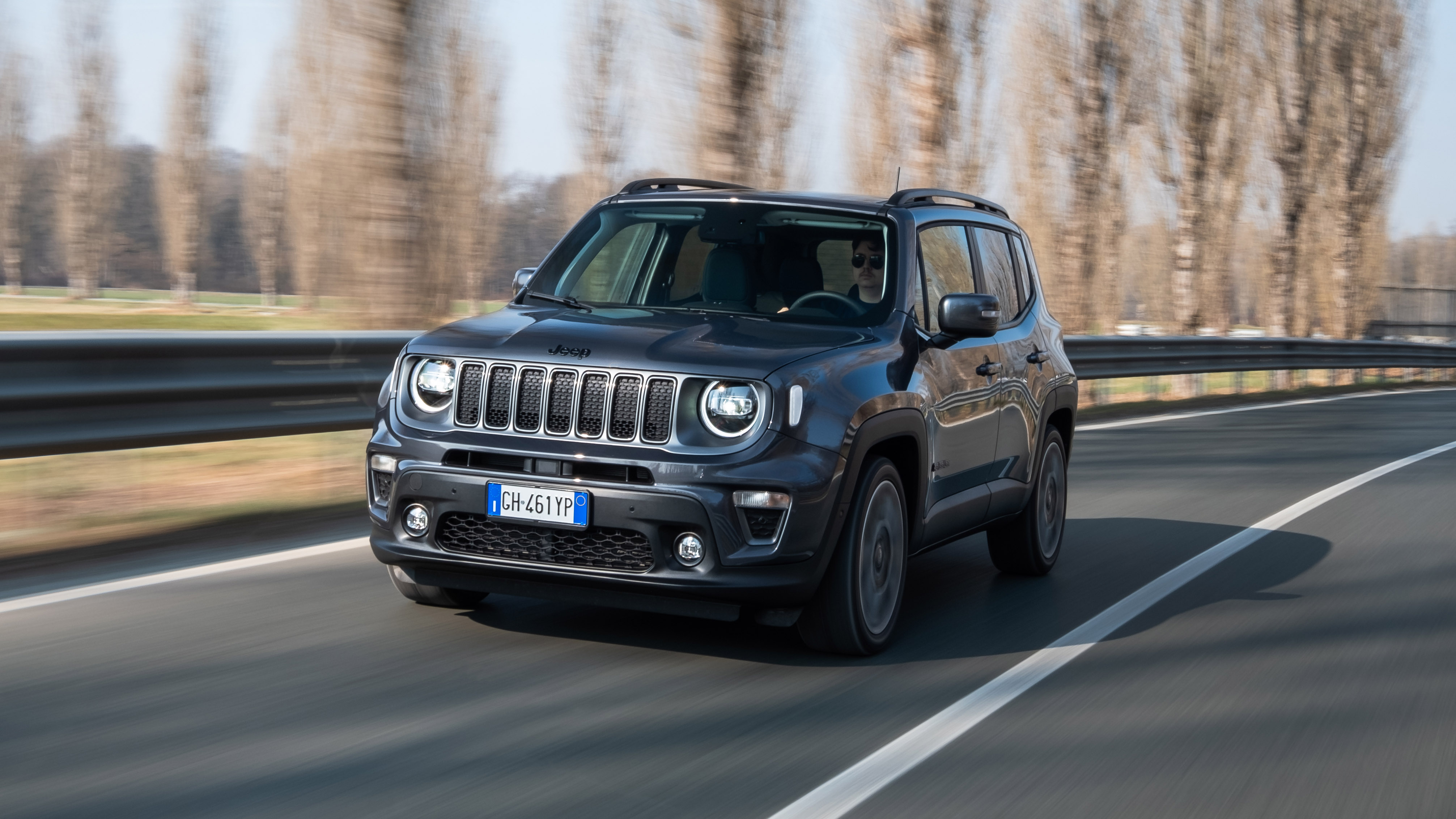
Driving comfort is a mixed experience. The ride is higher off the ground than most compact SUVs, giving a good view of traffic. The steering feels light, which helps in the city. However, the suspension can feel firm, especially on rough roads. Engine noise is also more noticeable compared to rivals like the Honda HR-V.
A non-obvious detail: The Renegade’s turning radius is tighter than many competitors, making U-turns and parking easier.
Interior Quality And Space
Inside, the Renegade surprises many people. The cabin design uses fun shapes and Jeep logos, creating a playful vibe. Soft-touch materials are used in key areas, but there’s still a fair amount of hard plastic.
Seating comfort in the front is good, even on long drives. The rear seats are upright and may feel cramped for tall adults. Cargo space is decent for the class, but not best-in-class.
Here’s how the Renegade compares to two popular rivals:
| Model | Cargo Space (Seats Up) | Rear Legroom (inches) |
|---|---|---|
| Jeep Renegade | 18.5 cu ft | 35.1 |
| Honda HR-V | 24.3 cu ft | 39.3 |
| Chevrolet Trax | 18.7 cu ft | 35.7 |
A practical tip: The rear seats fold almost flat, but the cargo floor is not completely even. This can make loading large boxes a bit tricky.
Technology And Features
Recent Renegade models come with Uconnect infotainment, Apple CarPlay, Android Auto, and available navigation. The touchscreen is clear and easy to use, but the base screen is only 7 inches. Higher trims offer an 8.4-inch screen.
Standard safety features have improved in the latest models, including:
- Blind-spot monitoring
- Rear cross-traffic alert
- Lane-keeping assist
- Automatic emergency braking
Adaptive cruise control is available on some trims, but not all.
One thing beginners miss: The Renegade’s high roof means good headroom, even for tall passengers. But the wide roof pillars can block side visibility, especially at intersections.
Reliability, Maintenance, And Cost
Jeep’s reputation for reliability is mixed, and the Renegade is no exception. According to some sources, earlier Renegade models had more issues with electronics and transmissions. Later models improved, but it’s still not the most reliable SUV in the segment.
Average annual repair costs are higher than some competitors. Insurance rates can also be slightly above average due to its Jeep badge and off-road image.
Here’s a quick cost comparison:
| Model | Estimated Annual Repair Cost | Reliability Rating (out of 5) |
|---|---|---|
| Jeep Renegade | $498 | 3.0 |
| Mazda CX-30 | $462 | 4.5 |
| Hyundai Kona | $468 | 4.0 |
A hidden cost: Some Renegade trims use premium fuel for best performance, which can raise your running expenses.
Who Should (and Shouldn’t) Buy A Jeep Renegade?
The Renegade fits drivers who want:
- Distinctive design – It doesn’t blend in with other SUVs.
- Light off-roading – The Trailhawk model can handle trails, snow, and mud.
- Easy city driving – Its size and visibility are strong in urban areas.
However, it may not be the best choice if you care most about:
- Maximum cargo space
- Quiet, smooth highway rides
- Lowest maintenance costs
Many owners love the Renegade for its personality and versatility. But for those who want the quietest ride or the highest reliability scores, other small SUVs might be a better match.

Frequently Asked Questions
Is The Jeep Renegade Good For Long Road Trips?
The Renegade is comfortable for short and medium trips, especially for front passengers. On longer trips, rear seat space and road noise can become issues. Packing for a family vacation will also test its cargo space.
Can The Jeep Renegade Really Go Off-road?
Yes, especially the Trailhawk version. It has all-wheel drive, extra ground clearance, and skid plates. While not as strong as a Wrangler, it can handle muddy trails and snowy roads better than most compact SUVs.
How Is The Jeep Renegade’s Fuel Economy?
The Renegade’s fuel economy is average for its class. Most drivers can expect 24-26 mpg in mixed driving. This is less than some rivals but better than larger SUVs. Using the turbo engine and driving gently helps improve mileage.
Is The Jeep Renegade Reliable?
Reliability is average. Earlier models had more problems, but newer ones improved. Regular maintenance is important. For owners who want the fewest issues, consider certified pre-owned models with warranty or check reliability ratings at Consumer Reports.
What Are The Main Alternatives To The Jeep Renegade?
Alternatives include the Honda HR-V, Mazda CX-30, and Hyundai Kona. These offer smoother rides, more cargo space, or better reliability, but not all have the same off-road ability or unique look.
The Jeep Renegade is a good vehicle for the right owner. Its bold style and off-road options are hard to beat in the compact SUV class. But buyers should weigh its pros and cons, consider their driving needs, and check out other small SUVs before making a final choice.