When winter arrives and roads turn icy and snowy, having the right vehicle makes a huge difference. Many drivers wonder whether a Jeep or a truck is better for handling snow. Both are popular choices, but each has unique strengths and weaknesses. The answer depends on your needs, driving habits, and the exact conditions you face. Let’s explore how Jeeps and trucks compare in snowy weather, look at their features, and help you decide which fits your lifestyle best.
How Jeeps Perform In Snow
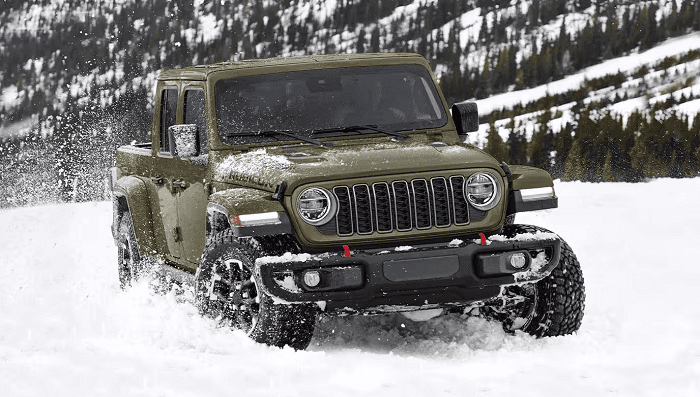
Jeeps have a strong reputation for off-road ability and winter driving. Most Jeep models—especially the Wrangler and Grand Cherokee—come with advanced four-wheel-drive (4WD) systems. These systems help provide better traction when roads are covered in snow.
Ground clearance is another advantage. Many Jeeps sit higher than average cars, which means they can travel through deeper snow without getting stuck. The short wheelbase of some Jeep models, like the Wrangler, also helps with maneuverability in tight or slippery situations.
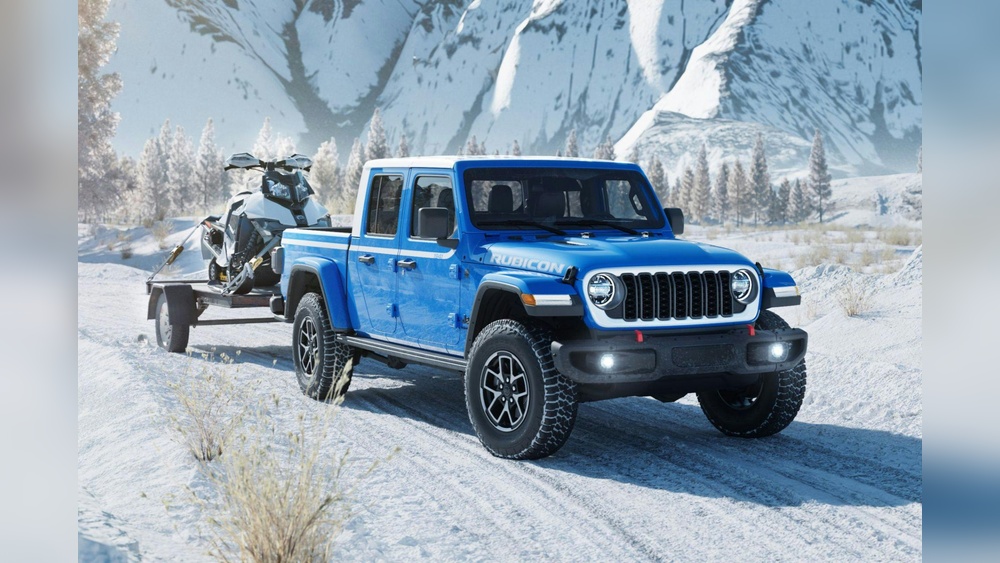
Jeeps often come with traction control and hill descent control, which help maintain grip and control on icy slopes. In addition, the tires fitted on Jeeps are usually more aggressive, which helps cut through snow and slush.
Here is a quick comparison of key Jeep snow features:
| Feature | Jeeps |
|---|---|
| Drivetrain | 4WD, AWD options |
| Ground Clearance | 8–10 inches (varies by model) |
| Weight Distribution | Balanced, helps with traction |
| Tire Options | All-terrain, snow-rated available |
However, Jeeps are not perfect. Their shorter wheelbase can make them feel less stable at high speeds on slippery highways.
They also tend to have less cargo space than most trucks.
How Trucks Perform In Snow
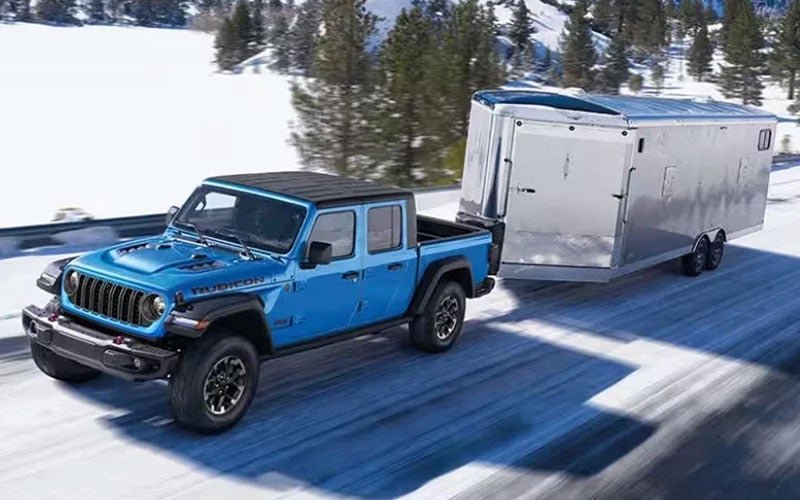
Modern trucks are popular in snowy regions, thanks to their powerful engines and versatile drivetrains. Most full-size trucks, like the Ford F-150 or Chevrolet Silverado, offer four-wheel drive (4WD) or all-wheel drive (AWD), which is essential for snow.
Trucks usually have higher ground clearance than cars, allowing them to handle deeper snow. Their longer wheelbase can add stability, especially on highways. Many trucks also offer advanced stability and traction control systems.
Let’s look at some typical snow-related truck features:
| Feature | Trucks |
|---|---|
| Drivetrain | 4WD, AWD, RWD (base models) |
| Ground Clearance | 8–11 inches (varies by model) |
| Wheelbase | Longer, improves highway stability |
| Payload | Higher, good for carrying gear |
But there are downsides. Many trucks come with rear-wheel drive (RWD) as standard, which is not ideal in snow. Trucks also have a light rear end, which means they can lose traction unless the bed is weighted down. Without extra weight, the back tires may slip on ice or snow.
Key Differences Between Jeeps And Trucks In Snow
When comparing Jeeps and trucks, it helps to look at their main differences in snowy conditions:
| Aspect | Jeep | Truck |
|---|---|---|
| Size | Smaller, easier to park | Larger, more cargo space |
| Weight | Lighter, easier to get unstuck | Heavier, may need added rear weight |
| Turning Radius | Tighter, better for narrow roads | Wider, less nimble in deep snow |
| Traction | Excellent with 4WD | Varies (best with 4WD/AWD) |
Non-obvious insight: A truck with an empty bed can be less safe in snow than a front-wheel-drive sedan. Adding weight (like sandbags) over the rear axle improves traction.
Another detail beginners miss: Not all Jeeps are equal. Some models, like the Renegade or Compass, have AWD systems that are less capable than the true 4WD systems in Wranglers or Cherokees.
Which Is Better For City Driving In Snow?
For city drivers, a Jeep often makes more sense. They are smaller, easier to park, and better at making tight turns on narrow streets. Their 4WD systems handle plowed but slippery roads well. Plus, Jeeps usually heat up faster and offer good visibility.
Trucks can be harder to manage in small city spaces. Their size can make parking difficult, and the empty bed can reduce traction unless you add weight.
However, if you need to haul equipment or supplies, a truck may be worth the trade-off.
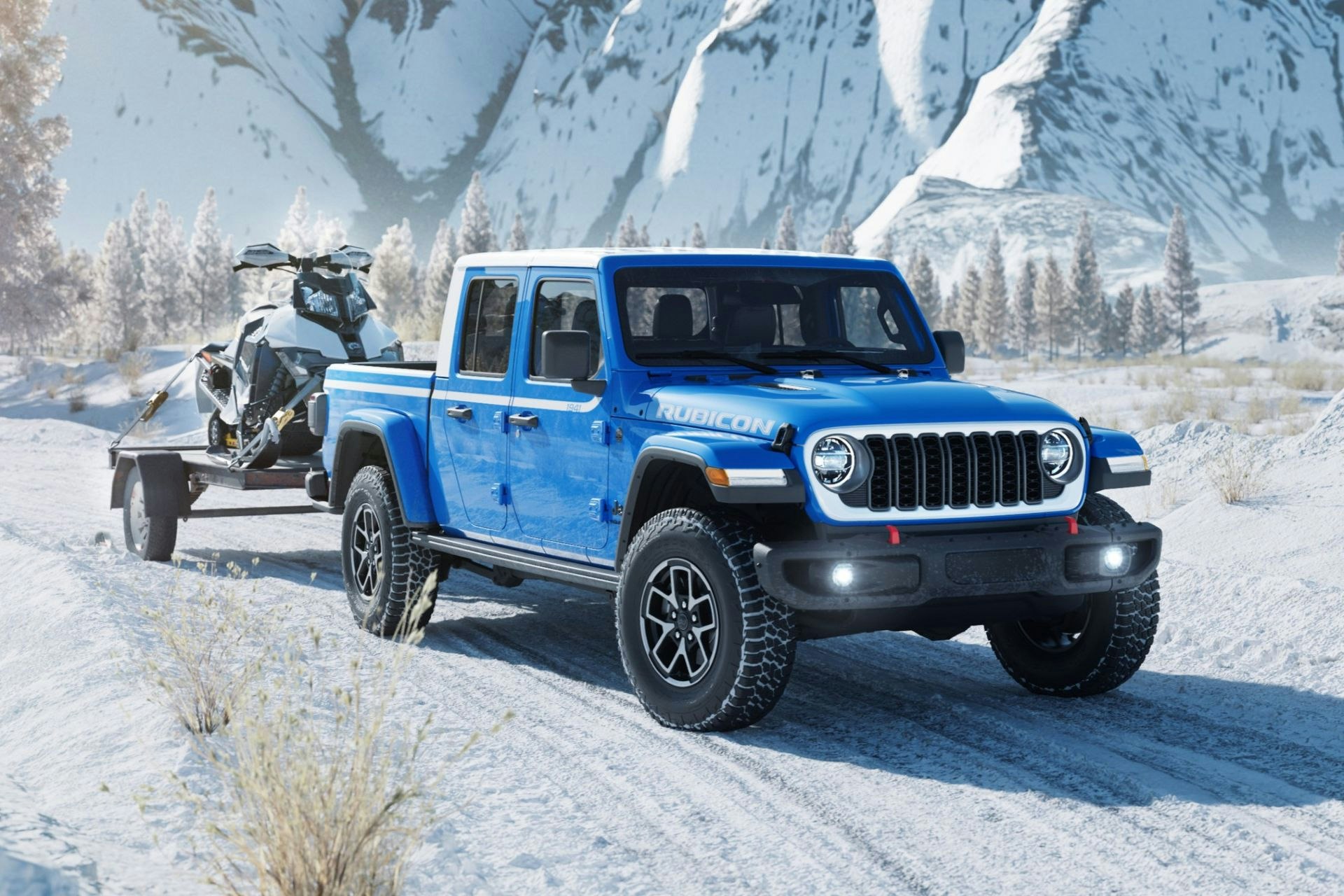
Which Is Better For Rural Or Mountain Snow?
In rural or mountain areas, snow can get deep and roads may not be plowed often. Here, both Jeeps and trucks with true 4WD can perform well. The choice depends on what you need:
- If you need to carry many people or lots of gear, a truck has more space.
- If you expect to drive on narrow, steep trails, a Jeep’s agility and short wheelbase help.
- For towing or heavy work, trucks are best.
Remember, always use winter tires for the best performance—no 4WD or AWD system can replace the grip of good snow tires.
Cost Of Ownership And Reliability
Jeeps and trucks have similar costs for insurance and fuel, but there are differences. Jeeps can be more expensive to repair if you buy specialized models. Trucks, especially full-size ones, can use more gas. Both need regular checks on brakes, tires, and 4WD systems after winter driving.
On reliability, recent studies from the Insurance Institute for Highway Safety show both Jeeps and trucks perform well in crashes, but maintenance needs can be higher for older Jeeps. Regular winter care—washing off salt, checking fluids—helps both last longer. For more in-depth data, see this Consumer Reports winter driving guide.
Final Thoughts: Jeep Or Truck For Snow?
Choosing between a Jeep and a truck for snow comes down to your priorities. If you want maneuverability, strong off-road ability, and a vehicle that fits city or trail use, a Jeep is hard to beat. If you need to carry heavy loads, tow, or want more space for gear, a truck makes sense—but be sure to get 4WD and add weight to the bed for best snow traction.
No matter which you choose, remember: winter tires are the single best upgrade for snow driving. Both Jeeps and trucks can handle winter well if set up correctly.
Frequently Asked Questions
Are Jeeps Safer Than Trucks In Snow?
Jeeps and trucks are both safe if equipped with 4WD and winter tires. Jeeps may be safer in city or off-road snow due to their design, but trucks offer better stability at highway speeds.
Do Trucks Need Extra Weight In The Bed For Snow?
Yes, adding weight (like sandbags) over the rear axle helps trucks with RWD or 4WD gain better traction in slippery conditions.
What Type Of Tires Are Best For Snow Driving?
Winter tires with the “Three-Peak Mountain Snowflake” symbol give the best grip. All-terrain tires can work, but true winter tires are best for ice and deep snow.
Is Awd As Good As 4wd For Snow?
AWD works well on plowed or lightly snowy roads. 4WD is better for deep snow, off-roading, or unplowed surfaces.
Can You Drive A 2wd Truck In Snow?
It’s possible, but not recommended. 2WD trucks struggle in snow, especially if the bed is empty.
Always choose 4WD or AWD for snowy climates.