Is A Jeep Gladiator A Wrangler
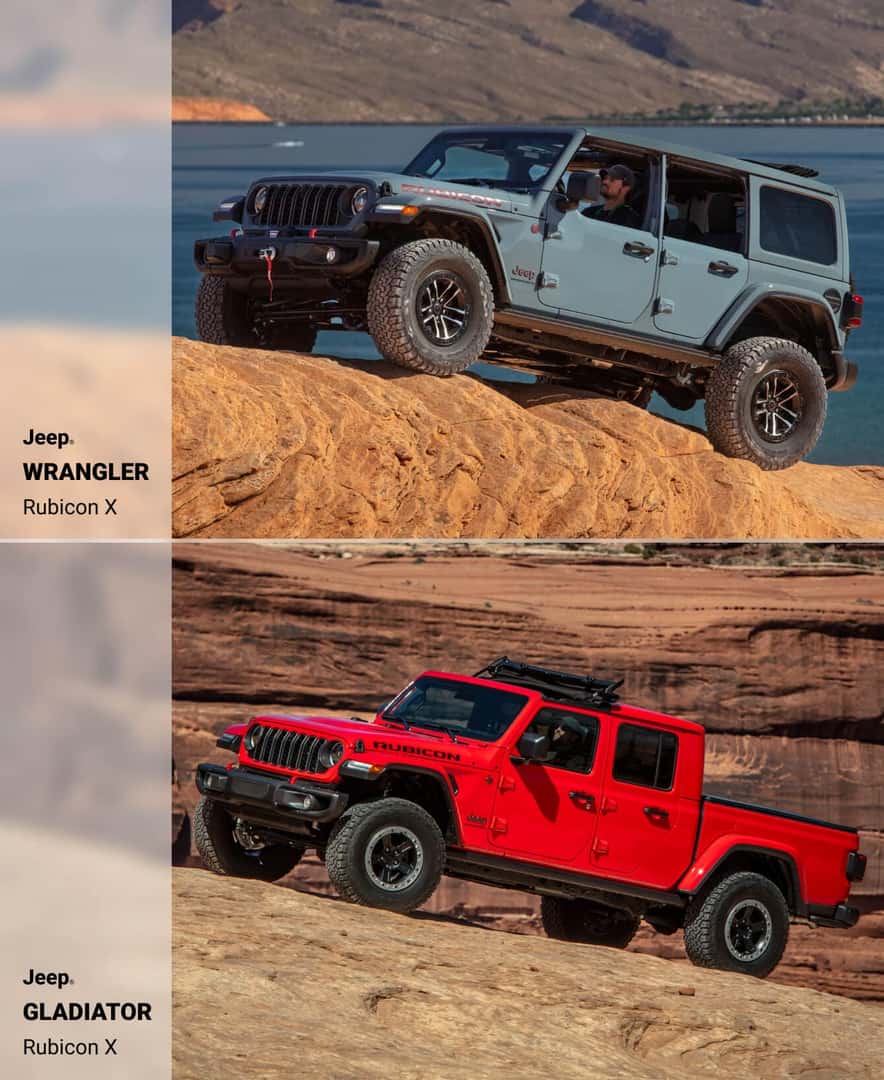
When you see a Jeep Gladiator on the road, it’s easy to wonder if it’s just another version of the famous Jeep Wrangler. They share the same rugged looks, round headlights, and open-air design.
Many people—even car fans—get confused by the similarities. But are they actually the same vehicle?
Or is the Gladiator something different? Let’s explore what sets these two Jeeps apart, where they overlap, and which might be right for you.
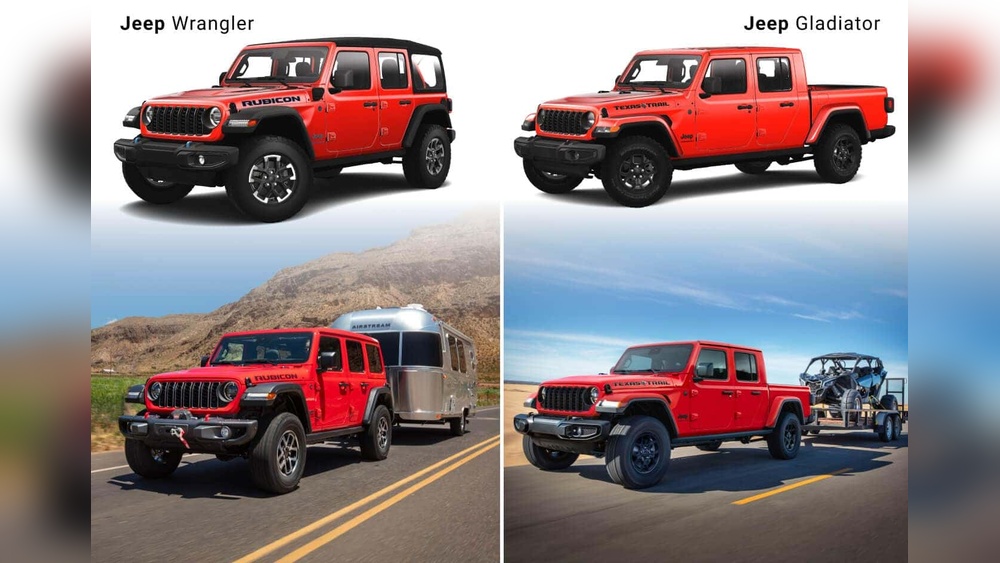
Both the Gladiator and the Wrangler come from Jeep’s long history of building tough, off-road vehicles. The Gladiator was launched in 2019 as a midsize pickup, while the Wrangler has been around for decades as an off-road SUV icon.
They share the same front end, similar interiors, and even the same removable doors and roof options. Both are built on the Jeep JL platform, and many mechanical parts are identical.
But here’s the key difference: The Gladiator is a pickup truck with a five-foot cargo bed. The Wrangler is an SUV with no bed, focused only on passengers. That single difference changes how each vehicle is designed and what they’re best for.
Key Differences Between Gladiator And Wrangler
To make things clear, here’s a side-by-side look at how the two models compare:
| Feature | Jeep Gladiator | Jeep Wrangler |
|---|---|---|
| Body Style | 4-door pickup truck | 2-door or 4-door SUV |
| Cargo Bed | 5-foot bed | No bed |
| Wheelbase | 137.3 inches | 118.4 inches (4-door) |
| Towing Capacity | Up to 7,700 lbs | Up to 3,500 lbs |
| Max Payload | 1,710 lbs | 1,351 lbs |
| Roof/Doors | Removable | Removable |
Notable Mechanical Differences
While both vehicles offer the 3.6L Pentastar V6 engine, the Gladiator has a stronger frame and a longer wheelbase. This gives it higher towing ability but makes it less agile off-road. The Wrangler is lighter and can handle tighter trails.
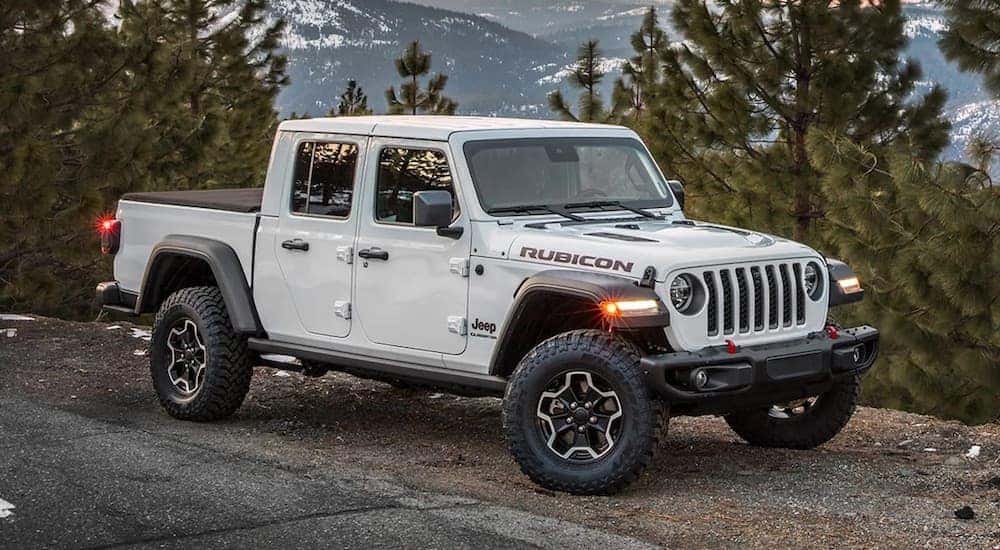
Driving Experience: Gladiator Vs Wrangler
Both Jeeps are known for their off-road skills, but they feel different behind the wheel.
| Aspect | Gladiator | Wrangler |
|---|---|---|
| Ride Comfort | Stable on highways, firm over bumps | Bouncy, but nimble |
| Off-Road Ability | Very good, but longer length limits tight maneuvers | Excellent, especially on narrow trails |
| Turning Radius | 44.5 feet | 34.5 feet (4-door) |
| Daily Use | Better for hauling and towing | Easier to park, more maneuverable |
Non-obvious insight: The longer wheelbase on the Gladiator means it can feel more stable at speed, but it also makes it more likely to scrape the bottom (high-center) on steep off-road obstacles.
Practical Uses: Which One Fits Your Life?
Choosing between a Gladiator and a Wrangler depends on what you need from your vehicle.
- Gladiator: Best for people who want a pickup bed for carrying bikes, kayaks, or building materials. If you tow a trailer or small boat, the Gladiator’s higher towing rating is a big advantage.
- Wrangler: Perfect for those who focus on off-roading, city driving, or need more compact size. The 2-door version is especially easy to maneuver in tight spots.
Another beginner miss: Insurance costs can differ. Gladiators are often more expensive to insure because pickups are seen as work vehicles, while Wranglers are rated as SUVs.
Cost To Own: Purchase, Fuel, And Maintenance
Both vehicles have similar base prices, but costs can change quickly with options and trims.
| Cost Factor | Gladiator | Wrangler |
|---|---|---|
| Base Price (2024) | $39,620 | $33,690 |
| Fuel Economy (MPG) | Up to 23 highway | Up to 25 highway |
| Maintenance | Average for a midsize truck | Average for an SUV |
Pro tip: Both models hold value well, but the Wrangler often has higher resale prices because of its strong fan base.
Why The Confusion: Gladiator Vs Wrangler
Many people think the Gladiator is just a “Wrangler truck,” and in some ways that’s true. The Gladiator borrows much of its design and parts from the Wrangler.
Jeep even markets the Gladiator as the only pickup with “Wrangler DNA.
”
But the addition of a cargo bed and a longer frame make the Gladiator a unique model. It’s not just a Wrangler with a bed—it’s a different tool for different jobs.
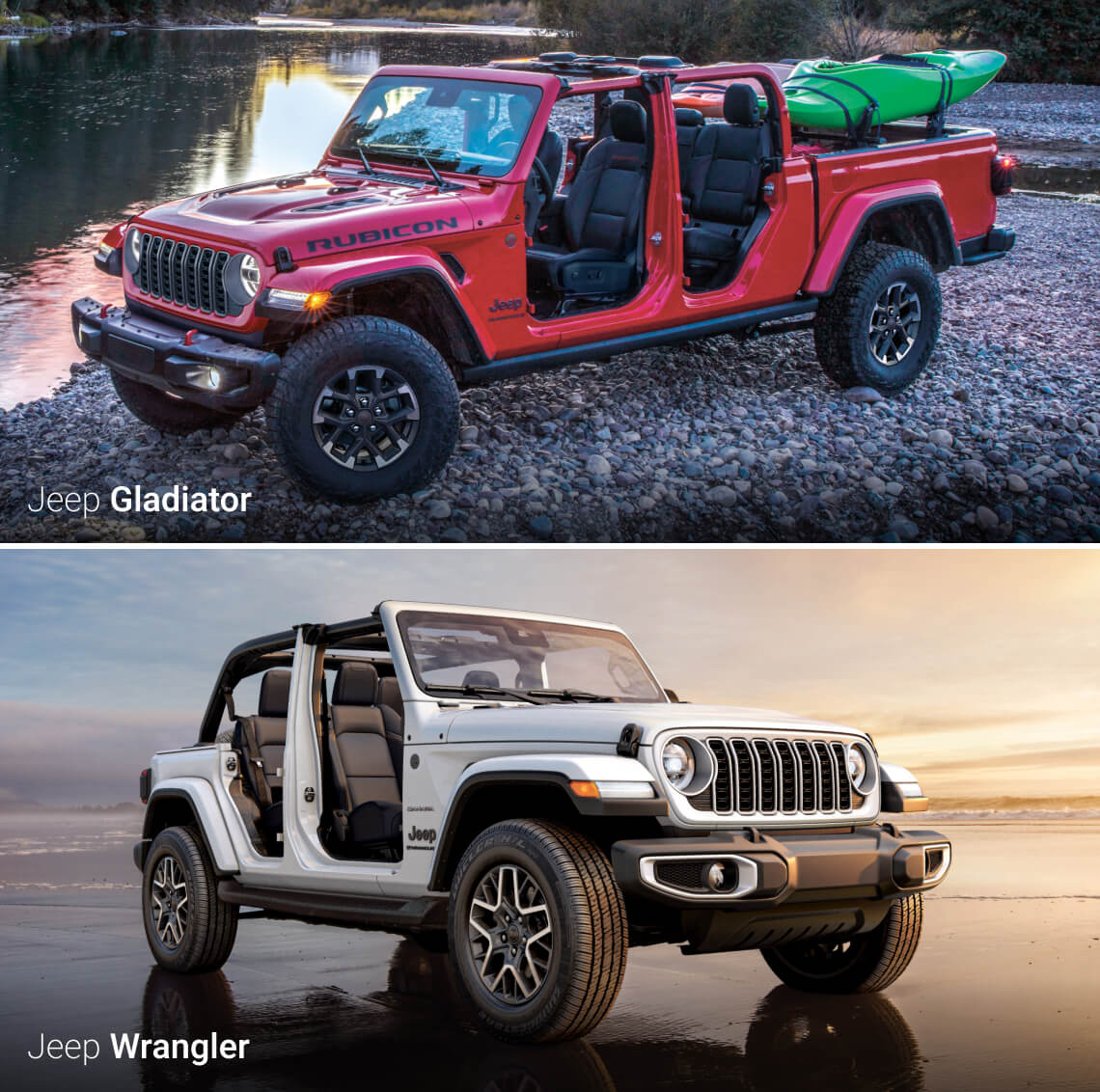
Which One Should You Choose?
Here are some points to help you decide:
- Need to haul or tow? Pick the Gladiator.
- Want the best trail skills or easier parking? Go for the Wrangler.
- Want open-air fun? Both offer removable tops and doors.
- Budget matters? The Wrangler is usually cheaper to buy and run.
If you’re still unsure, test drive both. The right choice depends on your lifestyle, not just looks.
For more detailed specs, visit the official Jeep website.
Frequently Asked Questions
Is The Jeep Gladiator Just A Wrangler With A Bed?
No. While the Gladiator shares many parts with the Wrangler, it has a longer frame and a cargo bed.
This makes it a true pickup truck, not just a modified SUV.
Can The Gladiator Go Off-road Like The Wrangler?
Yes, but with limits. The Gladiator is great off-road, especially in Rubicon trim, but its longer wheelbase makes it less agile on tight trails compared to the Wrangler.
Do The Gladiator And Wrangler Have The Same Engines?
Mostly. Both offer the 3.6L V6, but only the Wrangler offers a plug-in hybrid (4xe) and a V8 (Rubicon 392). The Gladiator does not have these options as of 2024.
Are The Interiors The Same?
Very similar. Both have the same dashboard, tech features, and seat design.
The main difference is more rear-seat space in the Gladiator and different storage options.
Which Is More Expensive To Insure?
Usually, the Gladiator is more expensive to insure because it’s a pickup truck. Insurance companies often charge more for trucks than for SUVs.
The bottom line: The Jeep Gladiator and Jeep Wrangler are closely related, but each serves a different purpose. Knowing these differences helps you pick the right adventure vehicle for your needs.