Many outdoor lovers see the Jeep as the symbol of adventure. But is a Jeep considered an OHV (off-highway vehicle)?
This question comes up often, especially for those who want to explore national parks, forests, or off-road trails. The answer is not as simple as a yes or no.
It depends on how you use your Jeep, where you drive it, and how different rules define OHVs. Understanding these details can save you from fines and make your trips safer and more enjoyable.
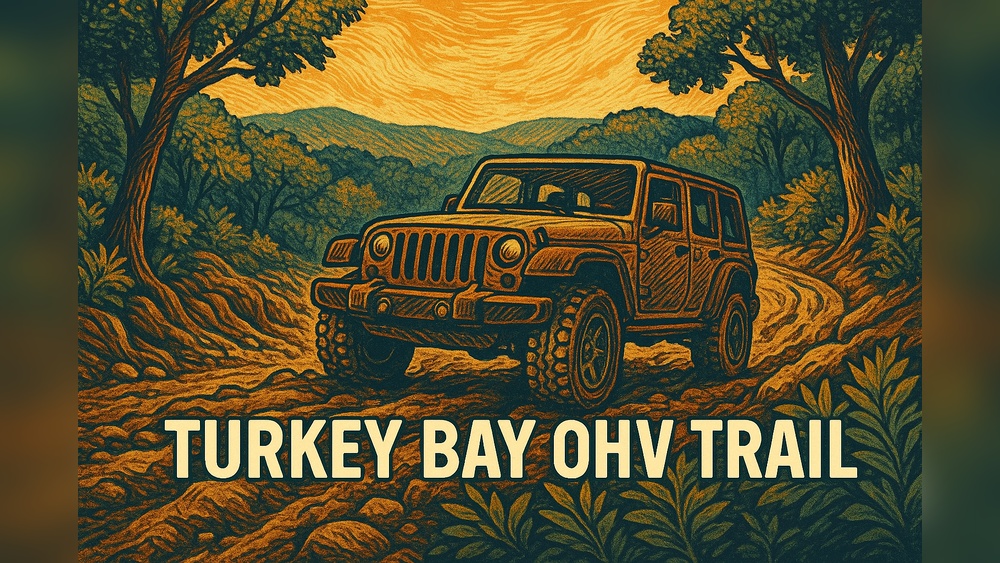
What Is An Ohv?
An OHV stands for “off-highway vehicle.” This term covers a range of motorized vehicles designed for off-road use. Common types include:
- ATVs (all-terrain vehicles)
- UTVs (utility task vehicles or side-by-sides)
- Dirt bikes
- Dune buggies
- Some 4×4 trucks and SUVs
OHVs are built for rough terrain, such as dirt trails, sand dunes, and rocky paths. They are often not street legal, but some can be used on public roads with proper modifications.
Is A Jeep An Ohv?
The answer: sometimes, but not always. Here’s why:
- Jeep Wranglers and similar models are made for both highways and off-road trails. They have features like four-wheel drive, high ground clearance, and strong frames.
- By most legal definitions, a Jeep is a street-legal vehicle. It is designed for highways, but can go off-road.
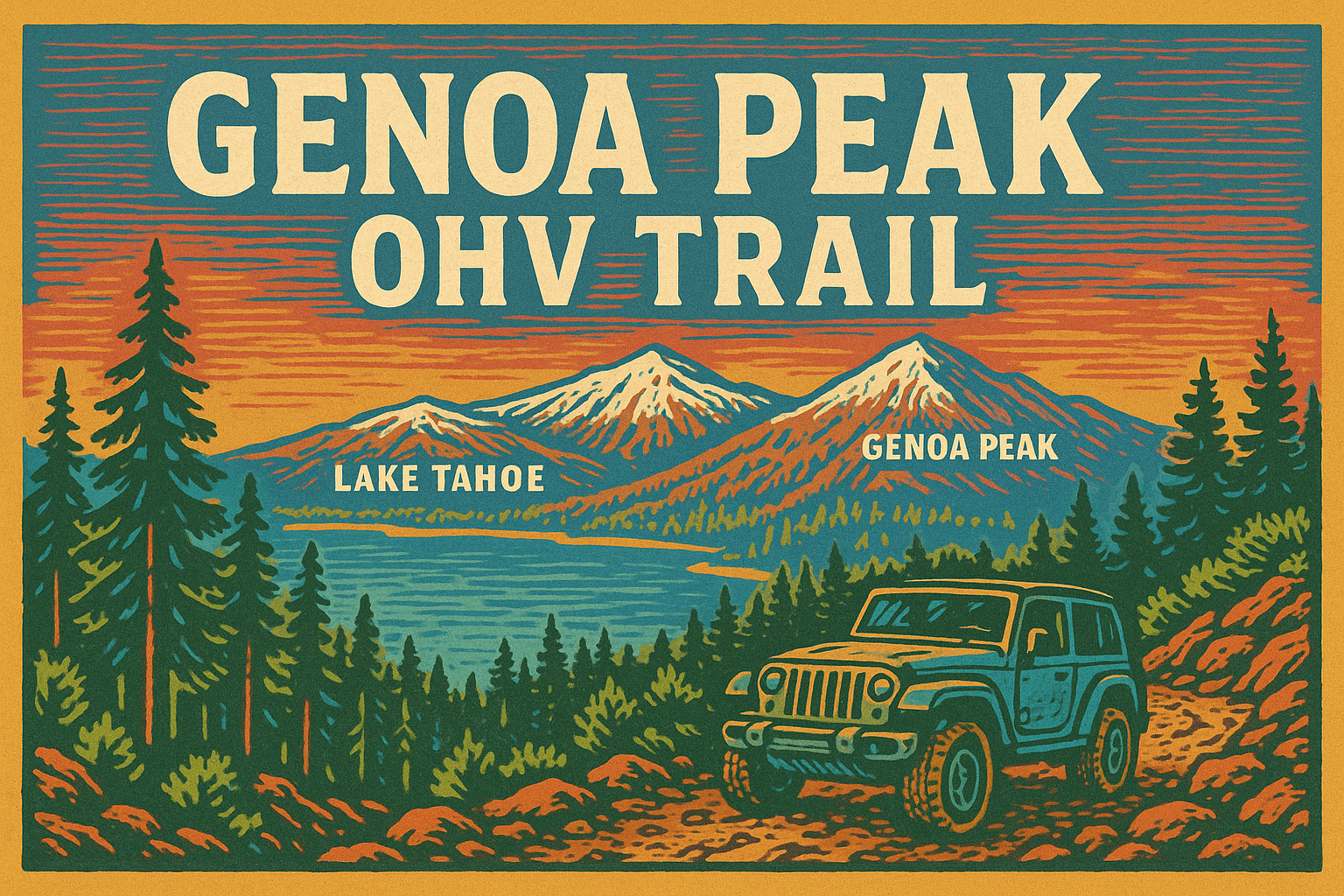
- In some states or parks, a Jeep counts as an OHV when used on certain trails, especially if the trail rules focus on the vehicle’s use—not just its design.
So, a Jeep is not always an OHV. But if you use it mainly for off-roading, or drive it on trails marked for OHVs, it may be treated as one.
How Different Places Define Ohvs
Rules about OHVs change from state to state and even between parks. Here’s how some authorities see it:
| Location | Jeep as OHV? | Notes |
|---|---|---|
| California | Yes (sometimes) | Registered for off-road use or on OHV trails |
| Utah | No | Only non-street-legal vehicles are OHVs |
| Colorado | Yes (on some trails) | Jeep may be allowed, but must follow trail rules |
Always check the rules for your destination. Some parks allow street-legal 4x4s on OHV trails, while others restrict them.
Jeep Vs. Typical Ohvs
Jeep Wranglers and similar SUVs are different from most OHVs in many ways.
| Feature | Jeep | ATV/UTV |
|---|---|---|
| Street Legal | Yes | No (usually) |
| Passenger Capacity | 4-5 | 1-4 |
| Protection | Full body, airbags | Roll cage at best |
| License Needed | Driver’s License | OHV permit (usually) |
| Use Cases | Road & Off-road | Mainly off-road |
The main difference is that Jeeps are designed for both road and trail, while most OHVs are not legal for highway use.
Why Classification Matters
Understanding if your Jeep is an OHV helps in several ways:
- Permits and Fees: Some trails need an OHV permit. Using your Jeep without the right permit can result in fines.
- Trail Access: Not all OHV trails allow full-size vehicles. Some are only for ATVs or dirt bikes.
- Insurance and Safety: Insurance rules and safety requirements differ for OHVs and street-legal vehicles.
Registration And Legal Requirements
If you plan to use your Jeep off-road, you may need to:
- Get an OHV sticker or permit. Some states require all vehicles on certain trails to display an OHV sticker, even if street-legal.
- Follow equipment rules. You may need to carry safety gear like fire extinguishers, first aid kits, or tow straps.
- Respect trail signs. Never drive your Jeep on narrow ATV-only trails.
For example, in Colorado, street-legal vehicles must still buy an OHV registration if driving on certain backcountry trails.
Common Mistakes Jeep Owners Make
Many people think having a Jeep means automatic access to any off-road trail. That’s not true. Here are some frequent mistakes:
- Skipping permits: Not buying an OHV permit when required.
- Ignoring trail limits: Trying to drive a full-size Jeep on narrow trails meant for smaller vehicles.
- Not checking local laws: Rules can change between states, counties, and parks.
Non-obvious Insights For New Jeep Owners
- Insurance gaps: Some auto insurance policies won’t cover damage if you use your Jeep on trails marked for OHVs. Check with your provider before going off-road.
- Vehicle modifications: Adding large tires or lift kits might make your Jeep illegal for street use in some states, but still not an OHV. Always check the latest local rules.
Tips For Safe And Legal Jeep Off-roading
- Plan ahead: Research trail rules and permit needs.
- Carry essentials: Bring extra water, maps, and basic tools.
- Travel in groups: Off-road trips are safer with others, especially in remote areas.
- Tread lightly: Stay on marked trails to avoid fines and protect nature.
- Double-check insurance: Make sure your Jeep is covered for off-road use.
Frequently Asked Questions