Is A Jeep Cherokee Good In Snow
Many drivers wonder if the Jeep Cherokee can handle snowy roads. Winter weather can make driving tough, so choosing the right vehicle is important. The Cherokee is popular for its rugged look and reliable performance, but is it truly a smart choice for snow? Let’s explore its features, real-world experiences, and what you should know before trusting a Jeep Cherokee in winter conditions.
Snow Performance Features Of The Jeep Cherokee
The Jeep Cherokee comes with several features that help it drive safely in snow. Most Cherokees offer four-wheel drive (4WD) or all-wheel drive (AWD) systems. These systems send power to all four wheels, improving grip on slippery surfaces.
Modern Cherokee models use Jeep Active Drive technology. It automatically adjusts power between the front and rear wheels. This helps prevent wheel slip when roads are icy or covered in snow.
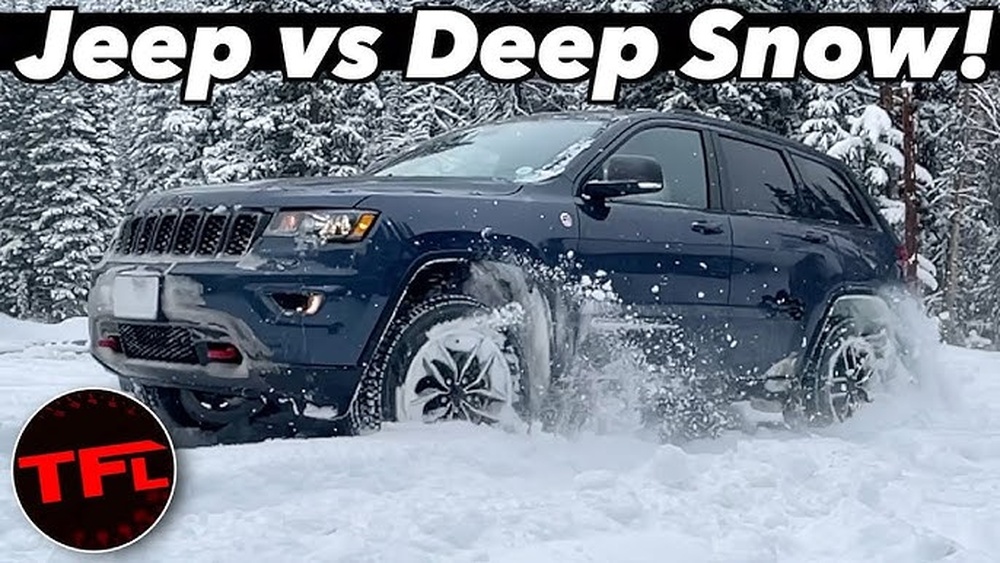
Some trims, like the Trailhawk, add a “Snow” driving mode. This mode changes throttle response and transmission shifts to handle slick conditions better. It also increases traction control.
You’ll find higher ground clearance than many crossovers. This lets the Cherokee drive over deeper snow without getting stuck. The Cherokee’s ground clearance is about 8.7 inches on some models.
Here’s a quick comparison of Cherokee trims and their snow features:
| Trim | Drive System | Ground Clearance (in.) | Snow Mode |
|---|---|---|---|
| Latitude | AWD/4WD | 7.7 | Yes |
| Limited | AWD/4WD | 7.7 | Yes |
| Trailhawk | 4WD | 8.7 | Yes |
Real-world Experiences
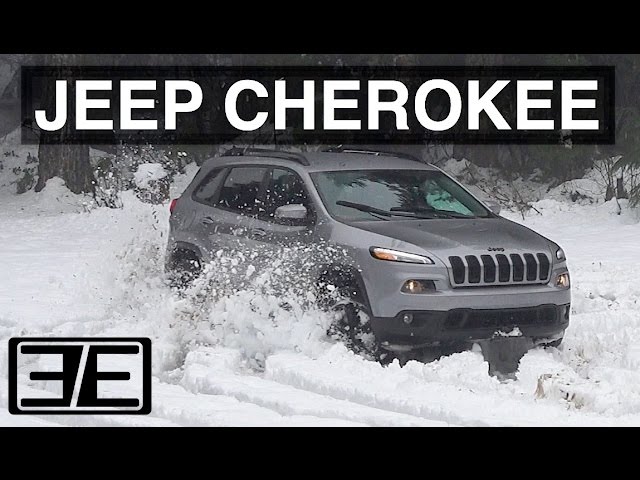
Many owners share positive stories about their Jeep Cherokees in snow. Drivers report feeling confident on icy highways and snowy mountain roads. The Cherokee’s weight distribution and traction control help keep the SUV steady.
One driver from Colorado said, “My Cherokee handled the blizzard with no problem. I felt safe, even when other cars were sliding. ”
A key point: the Cherokee performs best with good winter tires. Even the best 4WD system cannot replace proper tires. Many owners upgrade to all-season or winter tires for better safety.
For those living in areas with heavy snow, the Trailhawk trim stands out. Its higher clearance and extra skid plates protect the vehicle from ice chunks and snow drifts.
Comparing Cherokee To Other Suvs
Is the Cherokee better than other SUVs for snow? Let’s compare it to two popular models: the Toyota RAV4 and Honda CR-V.
| Model | Drive System | Ground Clearance (in.) | Snow Mode |
|---|---|---|---|
| Jeep Cherokee Trailhawk | 4WD | 8.7 | Yes |
| Toyota RAV4 Adventure | AWD | 8.6 | Yes |
| Honda CR-V EX | AWD | 8.2 | No |
The Cherokee and RAV4 are close in ground clearance and snow performance. The CR-V has AWD, but less clearance and no dedicated snow mode.
Important Factors For Snow Driving
Even with a capable vehicle, winter driving depends on more than just features. Here are a few important points:
- Tire Quality: The right tires make a huge difference. Winter tires grip ice and snow much better than standard tires.
- Driving Habits: Slow down, leave extra space, and avoid sudden moves. The Cherokee’s systems help, but careful driving is key.
- Maintenance: Keep your Cherokee’s brakes, battery, and fluids in good shape for winter. Cold weather can cause problems if you skip maintenance.
A common mistake is thinking AWD or 4WD alone guarantees safety. These features help, but tires and driving habits matter even more.
Fuel Efficiency And Snow
Many buyers worry about fuel use in winter. The Cherokee’s fuel economy is lower than some crossovers, especially in 4WD mode. For example, the 2023 Cherokee gets about 20 mpg city / 27 mpg highway.
Cold weather can reduce fuel efficiency further. Engines work harder, and tires have more resistance on snow.
Plan for slightly higher gas costs during winter.
Here’s a quick look at Cherokee fuel economy vs. competitors:
| Model | City MPG | Highway MPG |
|---|---|---|
| Jeep Cherokee (4WD) | 20 | 27 |
| Toyota RAV4 (AWD) | 27 | 35 |
| Honda CR-V (AWD) | 27 | 32 |
Non-obvious Insights
- The Cherokee’s weight helps it stay stable in snow, but also means stopping distances are longer. Always allow extra space to stop.
- Many Cherokees have heated mirrors and heated seats. These small features make winter driving more comfortable and safer, but are often overlooked.
When The Cherokee Might Struggle
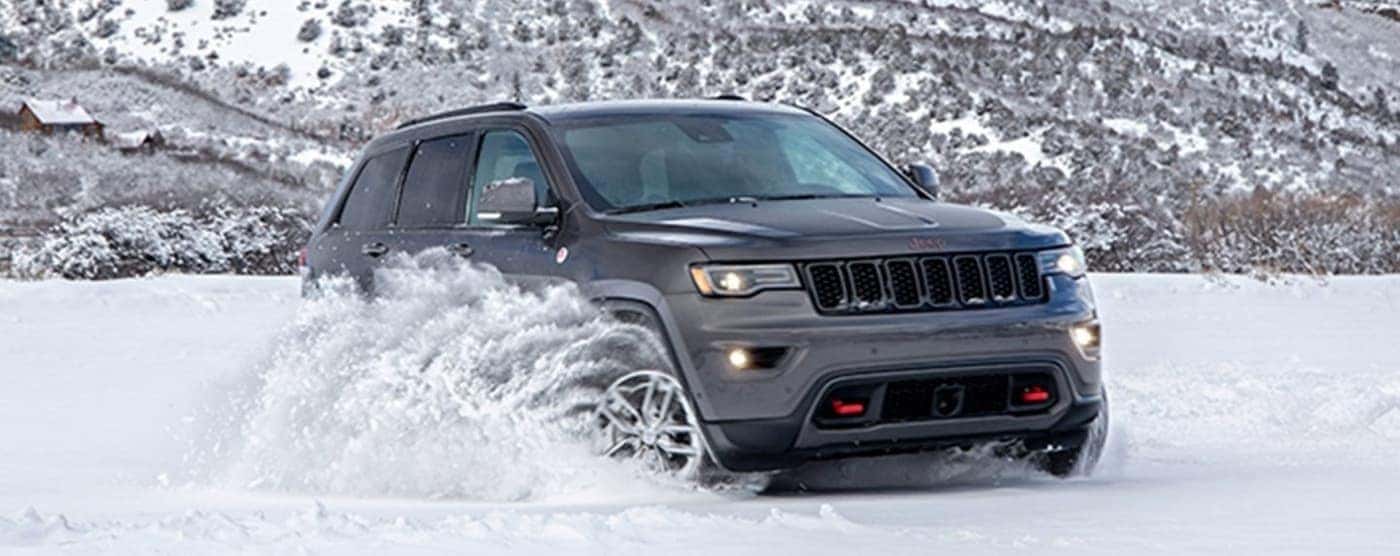
No vehicle is perfect in extreme winter. The Cherokee can have trouble if the snow is very deep, or if the tires are worn out.
Also, older Cherokee models may lack advanced traction control and snow modes.
If you drive mostly on unplowed roads, consider adding snow chains or choosing a trim with maximum ground clearance. In rare cases, the Cherokee’s heavier weight can make it harder to get unstuck if it does slide off the road.
Final Thoughts
The Jeep Cherokee is a strong choice for winter and snowy conditions. Its 4WD/AWD systems, snow mode, and ground clearance make it safer than many sedans and crossovers.
Still, winter tires and smart driving are just as important. For those living where snow is common, the Cherokee Trailhawk offers the best features.
If you want more technical details about winter driving systems, check out this Four-wheel drive overview.
Frequently Asked Questions
Is Every Jeep Cherokee Good In Snow?
Most Cherokee models are good in snow, especially those with AWD or 4WD. Older or front-wheel drive versions may struggle more.
Do I Need Winter Tires If I Have 4wd?
Yes, winter tires are still important. 4WD helps with traction, but winter tires grip ice and snow much better than regular tires.
Can The Cherokee Handle Deep Snow?
The Cherokee’s ground clearance helps with deeper snow. The Trailhawk trim is best for heavy snow, but very deep drifts can still be challenging.
What Is The “snow” Mode On The Cherokee?
“Snow” mode adjusts the Cherokee’s throttle and transmission for better control on slick surfaces. It also improves traction.
How Does Cherokee Compare To Other Suvs In Snow?
The Cherokee is similar to the Toyota RAV4 and better than many sedans or smaller crossovers. Its snow mode and higher clearance give it an advantage in tough conditions.



















