The Jeep Cherokee is a familiar name to many, but there’s often confusion about its construction. If you’ve wondered, “Is a Jeep Cherokee a unibody?”
you’re not alone. This question is important for anyone considering a Cherokee, whether for family use, off-roading, or daily commuting.
The answer impacts the SUV’s performance, comfort, and even repair costs. Let’s explore what unibody means, how it applies to the Jeep Cherokee, and why it matters for drivers.
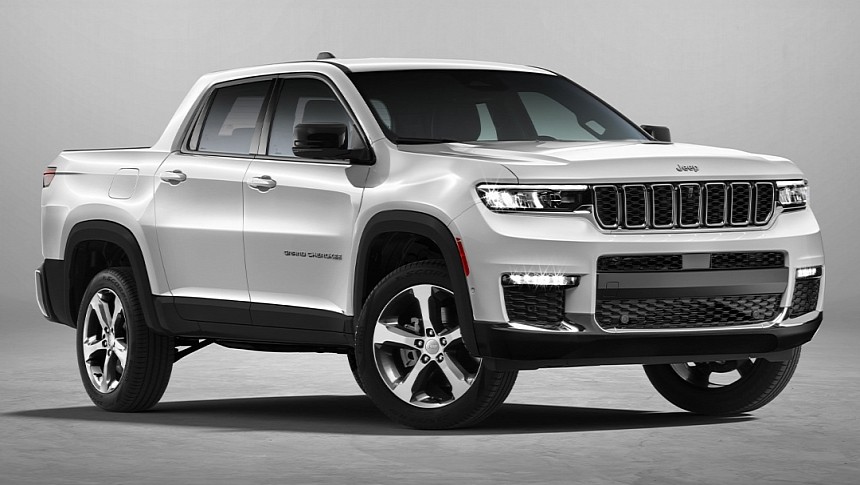
What Does Unibody Mean?
Before we dive into the Cherokee, it helps to understand the difference between unibody and body-on-frame designs. In a unibody vehicle, the body and the frame are made as one single piece. This is different from a body-on-frame design, where the car’s body is mounted on a separate frame.
Unibody construction is common in most modern cars and many SUVs. It usually results in a lighter vehicle with better handling, improved fuel economy, and a smoother ride.
On the other hand, body-on-frame is typical for trucks and some larger SUVs, providing more strength for towing and off-road use.
The Jeep Cherokee: Unibody Or Not?
The short answer: Yes, the Jeep Cherokee is a unibody SUV. But, there’s more to the story. The Cherokee nameplate has a long history, and its structure has changed over the decades.
Cherokee Generations And Their Construction
Here’s a breakdown of the Cherokee’s design through the years:
| Generation | Years | Construction Type |
|---|---|---|
| First Generation (SJ) | 1974–1983 | Body-on-frame |
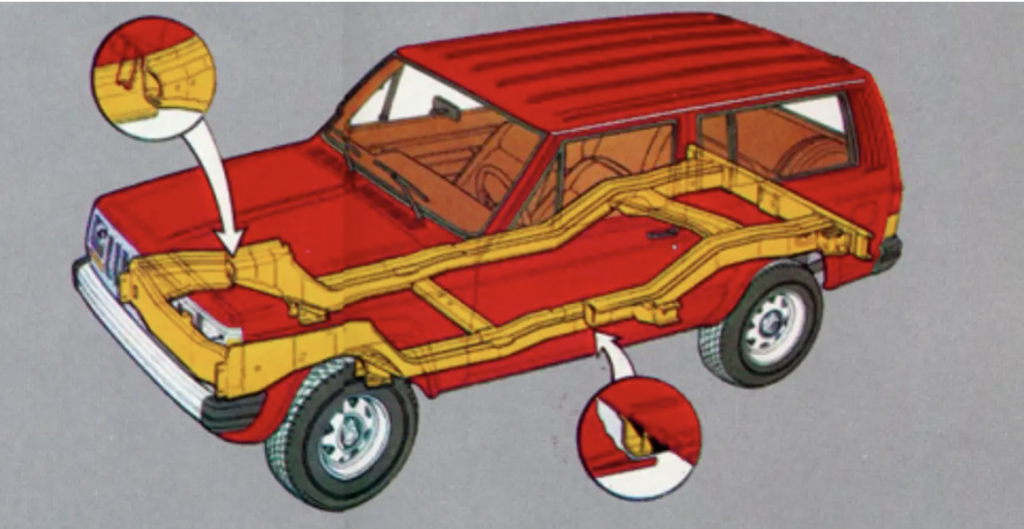
| Second Generation (XJ) | 1984–2001 | Unibody |
| Third Generation (KJ) | 2002–2007 | Unibody |
| Fourth Generation (KK) | 2008–2012 | Unibody |
| Fifth Generation (KL) | 2014–Present | Unibody |
As you can see, all Jeep Cherokees from 1984 onward use unibody construction. The first generation was body-on-frame, but the switch to unibody in 1984 changed the Cherokee’s identity. This move influenced the SUV market, as the XJ Cherokee became famous for blending car-like comfort with off-road ability.
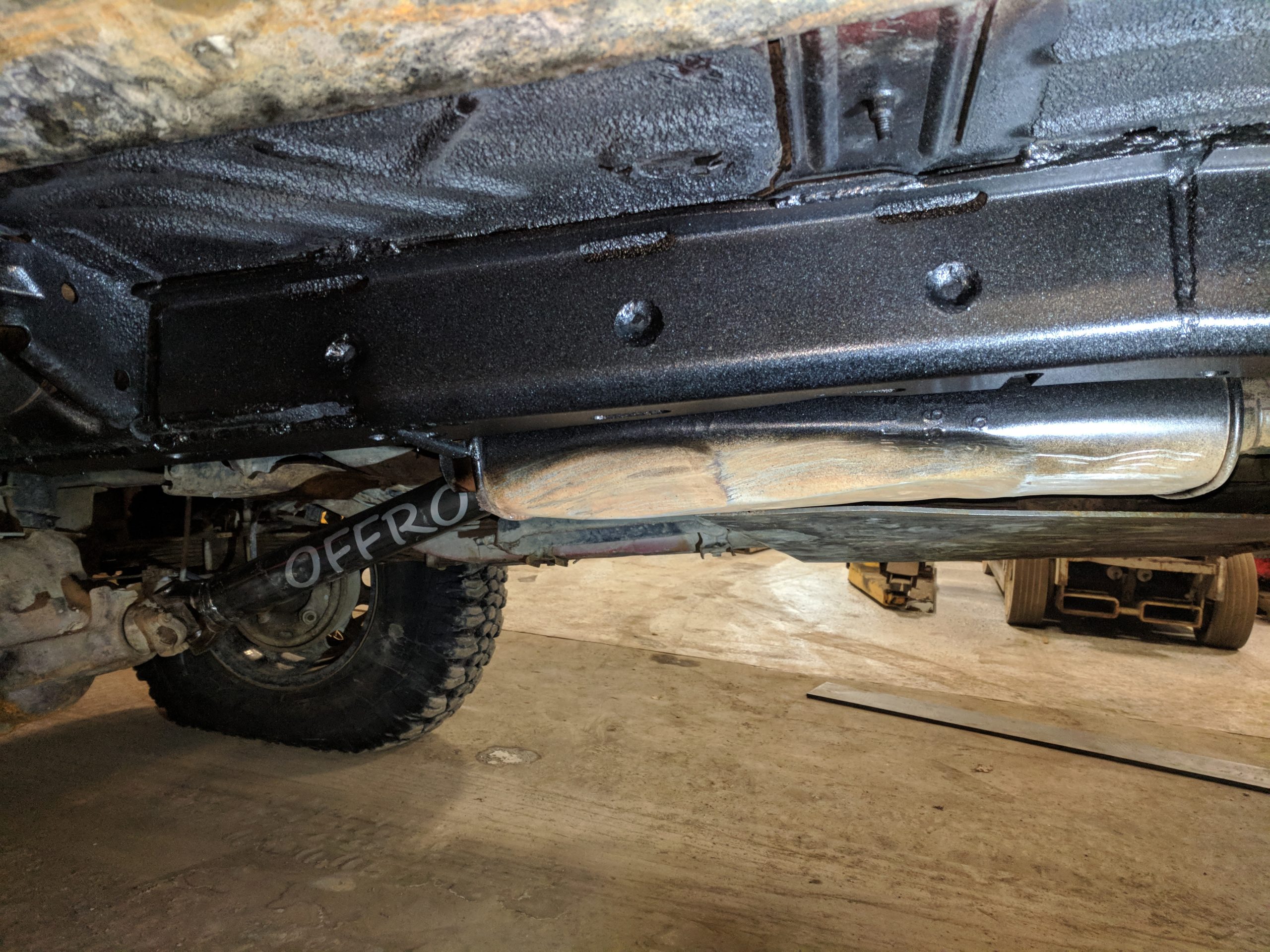
Why Jeep Chose Unibody For The Cherokee
There are several reasons why Jeep moved the Cherokee to a unibody design:
- Lighter Weight: Unibody construction makes the vehicle lighter. This helps with fuel efficiency and handling.
- Better Ride Comfort: The unibody structure absorbs bumps and vibrations better than a traditional frame.
- Improved On-Road Handling: Most drivers spend their time on paved roads. Unibody vehicles feel more stable and car-like.
- Cost and Efficiency: Building a unibody vehicle often costs less in materials and assembly.
These points made unibody a smart choice for the Cherokee, especially as SUVs became popular for daily driving, not just off-roading.
How Unibody Impacts The Cherokee’s Performance
Some drivers worry that unibody SUVs are weak or can’t handle tough use. But the Jeep Cherokee has shown it’s possible to combine a unibody with real off-road skills.
On-road Advantages
- Smooth Ride: Unibody construction means fewer squeaks and rattles, and less road noise.
- Better Handling: A lower center of gravity helps the Cherokee feel more like a car in corners.
- Safety: Unibody vehicles can perform better in crash tests because the whole structure absorbs impacts.
Off-road Capability
Many people are surprised that the Cherokee’s unibody frame is still strong off-road. For example, the Cherokee XJ (1984 2001) is famous among off-road fans.
Its unibody design was ahead of its time, offering durability and flexibility.
Here’s a quick look at how unibody compares to body-on-frame for off-roading:
| Feature | Unibody | Body-on-frame |
|---|---|---|
| Weight | Lighter | Heavier |
| Ride Comfort | Smoother | Rougher |
| Frame Strength | Less for heavy towing | More for extreme loads |
| Rust Risk | Fewer rust traps | More rust-prone joints |
While serious rock crawlers might prefer a body-on-frame Wrangler, the Cherokee’s unibody design can still handle rough trails and snowy roads.
Benefits And Drawbacks Of Unibody Cherokees
Like any engineering choice, unibody construction has both strengths and weaknesses.
Benefits
- Comfortable Ride: Most drivers notice the Cherokee is quieter and smoother than older, body-on-frame SUVs.
- Fuel Efficiency: Unibody construction helps save gas, especially compared to larger, heavier SUVs.
- Lower Entry Height: Getting in and out is easier due to the design.
Drawbacks
- Towing Limits: Unibody Cherokees can’t tow as much as a body-on-frame truck or SUV.
- Repair Complexity: After a serious crash, fixing a bent unibody can be harder and more expensive.
- Customization: Lifting and modifying a unibody Cherokee for extreme off-roading is possible, but requires more care.
Common Myths About Cherokee Unibody Construction
Many people think unibody SUVs are “weaker” or not “real” off-roaders. In fact, the Jeep Cherokee XJ helped prove that a well-designed unibody can be both tough and comfortable. Even today, you’ll see XJs on trails with hundreds of thousands of miles, still running strong.
Another myth is that unibody SUVs cannot be lifted or customized. While it’s true that lifting a unibody Cherokee is different from a body-on-frame vehicle, it’s absolutely possible with the right parts and knowledge.
Choosing A Cherokee: What To Consider
If you’re shopping for a Jeep Cherokee, consider how you plan to use it. For most people daily driving, light off-roading, and family trips a unibody Cherokee is an excellent choice.
It offers a blend of comfort, safety, and capability.
For heavy-duty towing or extreme rock crawling, you might want to look at the Jeep Wrangler or Gladiator, which use body-on-frame designs. But for most needs, the Cherokee’s unibody is more than strong enough.
How To Spot A Unibody Jeep Cherokee
You might want to check if a used Cherokee is unibody. Here’s how:
- Look under the vehicle: Unibody Cherokees don’t have a large, separate metal frame.
- Check the year: Any Cherokee from 1984 onward (except the Grand Cherokee) is unibody.
- Open the hood: The fenders and shock towers are part of the main body, not bolted onto a frame.

Frequently Asked Questions
<!– wp:rank-math/faq-block {"questions":[{"id":"faq-question-385acb7738bc","title":"Is Every Jeep Cherokee A Unibody?","content":"No, only Cherokees from 1984 and newer are unibody. The first generation (1974 1983) used a body-on-frame design.
“,”visible”:true},{“id”:”faq-question-97082db82278″,”title”:”Can A Unibody Cherokee Go Off-road?”,”content”:”Yes, especially the Cherokee XJ and Trailhawk models. While not as strong as a Wrangler for extreme use, many off-road enthusiasts modify their unibody Cherokees.
“,”visible”:true},{“id”:”faq-question-4319b58dbf92″,”title”:”How Does Unibody Affect Towing Capacity?”,”content”:”Unibody Cherokees generally tow less than body-on-frame SUVs. For example, a modern Cherokee can tow up to 4,500 lbs, while larger Jeeps can tow more.
“,”visible”:true},{“id”:”faq-question-6efb5fa7dcfc”,”title”:”Is The Jeep Grand Cherokee Also Unibody?”,”content”:”Yes, the Jeep Grand Cherokee has used a unibody design since its launch in 1993. It’s larger and more luxurious than the standard Cherokee.
“,”visible”:true},{“id”:”faq-question-fab987cd399c”,”title”:”Where Can I Learn More About Vehicle Construction Types?”,”content”:”You can find in-depth information at the Wikipedia Car Platform page.
In summary, the Jeep Cherokee is a unibody SUV, and this design has shaped its reputation for comfort, versatility, and surprising off-road ability. Whether you’re exploring city streets or mountain trails, understanding the Cherokee’s construction helps you get the most out of your ride.
“,”visible”:true}]} –>Is Every Jeep Cherokee A Unibody?
No, only Cherokees from 1984 and newer are unibody. The first generation (1974 1983) used a body-on-frame design.
Can A Unibody Cherokee Go Off-road?
Yes, especially the Cherokee XJ and Trailhawk models. While not as strong as a Wrangler for extreme use, many off-road enthusiasts modify their unibody Cherokees.
How Does Unibody Affect Towing Capacity?
Unibody Cherokees generally tow less than body-on-frame SUVs. For example, a modern Cherokee can tow up to 4,500 lbs, while larger Jeeps can tow more.
Is The Jeep Grand Cherokee Also Unibody?
Yes, the Jeep Grand Cherokee has used a unibody design since its launch in 1993. It’s larger and more luxurious than the standard Cherokee.
Where Can I Learn More About Vehicle Construction Types?
You can find in-depth information at the Wikipedia Car Platform page.
In summary, the Jeep Cherokee is a unibody SUV, and this design has shaped its reputation for comfort, versatility, and surprising off-road ability. Whether you’re exploring city streets or mountain trails, understanding the Cherokee’s construction helps you get the most out of your ride.