Many people see a Jeep driving off-road and wonder: is a Jeep actually an ORV? This is a common question, especially for those new to off-roading or who see different terms like 4×4, SUV, and ORV used everywhere.
Let’s break down what “ORV” means, how Jeeps fit into this category, and what it means for owners and enthusiasts.
What Does Orv Mean?
The term ORV stands for Off-Road Vehicle. This is a broad label used for any vehicle designed or able to drive on surfaces other than regular roads—such as dirt trails, sand, rocks, or mud. ORVs are built to handle tough terrain and usually have features that regular cars do not.
Types of vehicles often considered ORVs include:
- Dirt bikes
- ATVs (All-Terrain Vehicles)
- UTVs (Utility Task Vehicles)
- Dune buggies
- 4×4 trucks and SUVs
The key point: an ORV can be any vehicle, big or small, that can safely travel off paved roads.
Is A Jeep An Orv?
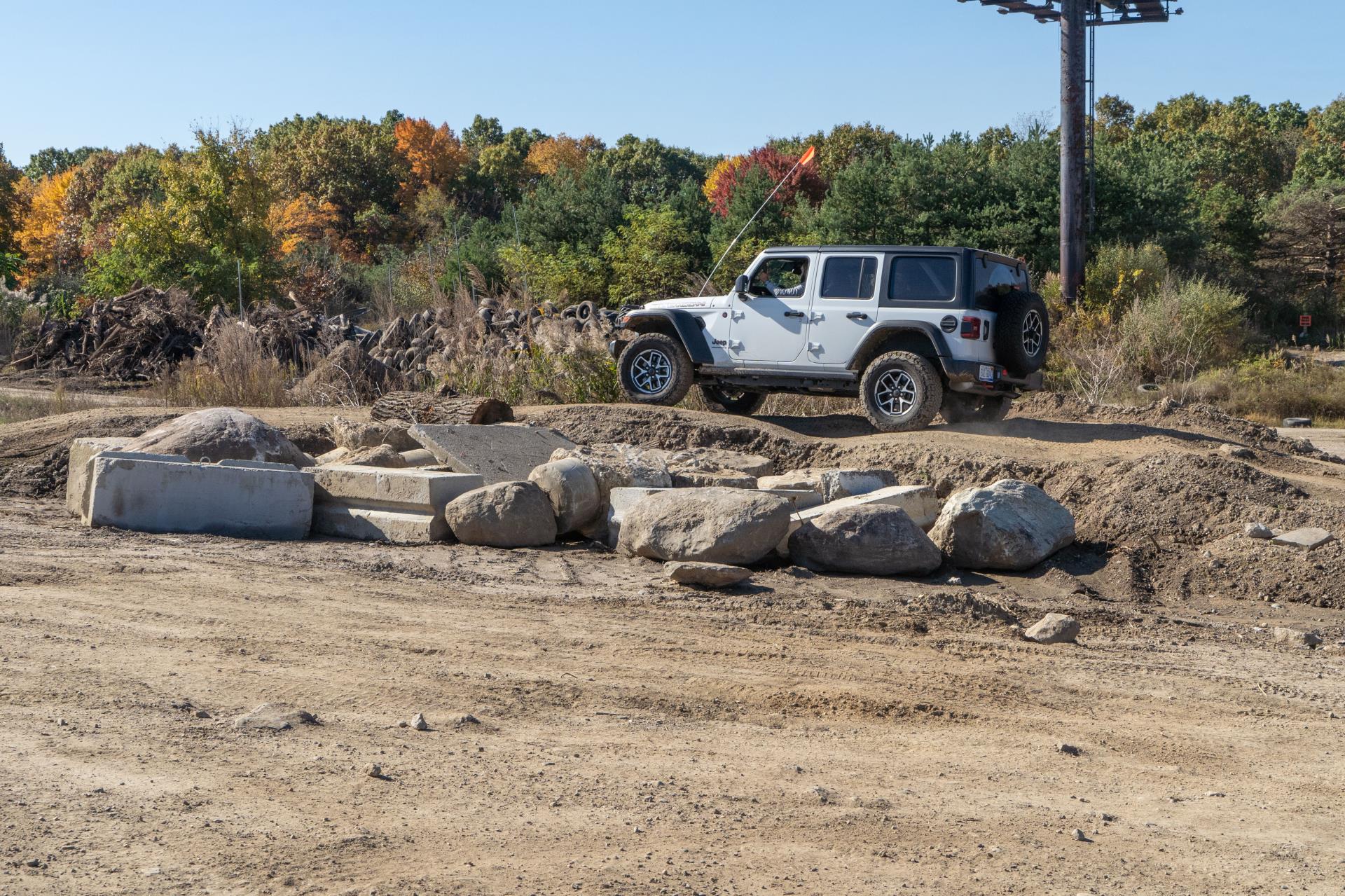
In most cases, yes—a Jeep is an ORV. Jeep is a brand known for making vehicles that are capable of off-road driving. Models like the Jeep Wrangler, Cherokee, and Gladiator are famous for their ability to handle rough terrain.
Here’s why Jeeps are usually classified as ORVs:
- 4-wheel drive systems (many models)
- High ground clearance
- Rugged suspensions
- Skid plates and off-road tires (on some trims)
- Solid axles for better durability
But not every Jeep is built the same. For example, a Jeep Compass or Renegade with basic trim and no 4×4 option is less capable off-road than a Wrangler Rubicon. The level of off-road capability depends on the specific model and features.
Common Jeep Features For Orv Use
| Feature | Purpose |
|---|---|
| 4WD System | Better traction on loose or rough surfaces |
| Skid Plates | Protects underbody from rocks and debris |
| High Ground Clearance | Allows the Jeep to pass over obstacles |
| Off-Road Tires | Improved grip on mud, sand, or gravel |
Legal And Registration Differences
ORV is not just a technical term—it’s also a legal category in many places. In the U.S., some states require separate registration, stickers, or permits for ORVs. Jeeps, as street-legal vehicles, often don’t need special ORV tags for normal use, but rules change when driving on designated trails or in state/national parks.
For example:
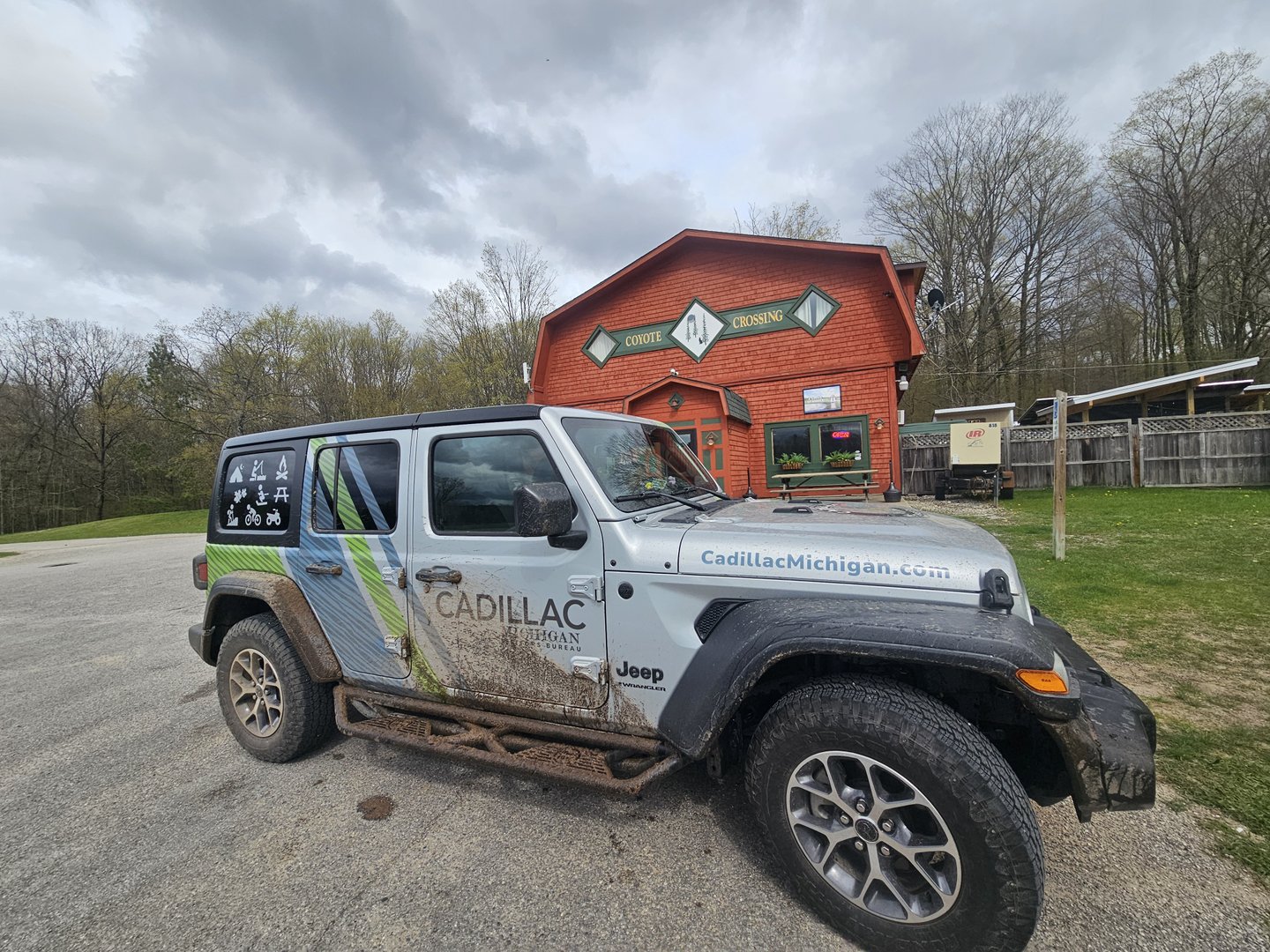
- In Michigan, an ORV sticker is required for vehicles on public off-road trails—even if it’s a Jeep.
- In California, the “Green Sticker” program covers off-road vehicles, but street-legal Jeeps can use many off-road trails without extra permits.
Jeep Vs Atv: Registration And Use
| Type | Street Legal? | ORV Sticker Needed? |
|---|---|---|
| Jeep Wrangler | Yes | Sometimes (depends on trail) |
| ATV | No | Almost always |
It’s smart to check your local laws before heading to off-road parks or public trails, as rules vary state by state.
Where Jeeps Outshine Other Orvs
Jeeps have a unique place among ORVs. Unlike most ATVs or dirt bikes, Jeeps can be driven daily on city streets and highways. This makes them one of the most versatile off-road vehicles available.
Some advantages of using a Jeep as your ORV:
- Dual use: Go off-roading on weekends, commute to work on weekdays.
- Comfort: Air conditioning, sound systems, and safety features.
- Cargo space: Room for gear, tools, and even passengers.
- Towing ability: Many Jeeps can tow small trailers or boats.
But there are some limits. Jeeps are bigger and heavier than most ATVs, so they can’t fit on narrow trails designed only for small vehicles.
Also, extreme off-road parks may have areas where only dedicated ORVs (like rock crawlers or dune buggies) are allowed.
Two Key Insights Most Beginners Miss
- Not all Jeeps are equal off-road. Some Jeep models are made mainly for city driving and light dirt roads. If you want real off-road performance, look for packages like Trailhawk or Rubicon.
- Tire choice is critical. Even a Jeep with 4WD will struggle off-road if it has regular road tires. Upgrading to all-terrain or mud-terrain tires makes a huge difference in performance and safety.
How Jeeps Compare To Other Orvs
Let’s compare Jeeps with two other common ORVs: ATVs and UTVs.
| Aspect | Jeep | ATV | UTV |
|---|---|---|---|
| Seating | Up to 5 | 1-2 | 2-6 |
| Street Legal | Yes | No | Rarely |
| Protection | Enclosed | Open | Open or partial |
| Cargo Capacity | High | Low | Medium |
| Trail Access | Wide trails | Narrow trails | Narrow/medium trails |
Common Mistakes When Using A Jeep As An Orv
- Assuming all Jeeps are ready for hard trails without upgrades.
- Ignoring tire type and pressure before heading off-road.
- Forgetting to check for local permits or trail restrictions.
- Overestimating the Jeep’s limits—getting stuck or causing damage.
Learning about your specific Jeep’s capabilities and the local ORV rules helps avoid these issues.
Final Thoughts
A Jeep is considered an ORV in most places and by most definitions, especially if it has 4WD and off-road features. Its main advantage is the ability to go from city streets to rough trails with comfort and safety.
However, not all Jeeps are equal, so check your model’s specs and local laws before planning any off-road adventure.
If you’re serious about off-roading, some upgrades may be necessary to get the best performance and fun from your Jeep.
Frequently Asked Questions
What Is The Difference Between An Orv And A 4×4?
ORV is a broad term for any off-road vehicle, while 4×4 means a vehicle has four-wheel drive. Not all 4x4s are true ORVs, and not all ORVs are 4×4.
Do I Need Special Insurance For My Jeep As An Orv?
If your Jeep is street legal, standard auto insurance usually covers it. For trail use, check with your provider about off-road coverage.
Can I Take My Stock Jeep Off-roading?
Many stock Jeeps can handle light to moderate trails. For hard trails, upgrades like better tires and skid plates are recommended.
Are Jeeps Allowed On All Orv Trails?
No. Some narrow or extreme trails only allow smaller vehicles like ATVs. Always check trail regulations before going.
Where Can I Learn More About Orv Laws In My State?
You can check official state websites or resources like Wikipedia for more details about ORV laws and definitions.