A Jeep on a rocky trail or dusty backroad looks like the perfect image of adventure. But when people see a Jeep off pavement, a common question comes up: Is a Jeep an OHV?
Understanding this can help you follow the law, choose the right trails, and avoid fines. Let’s look at what “OHV” really means, whether your Jeep fits, and why it matters for both new and experienced off-roaders.
What Does Ohv Mean?
OHV stands for Off-Highway Vehicle. In the United States, this term covers a range of vehicles designed for use off paved roads. Most state and federal agencies use “OHV” to group vehicles that are not typical passenger cars and are used for recreation or work on dirt, sand, snow, or rock.
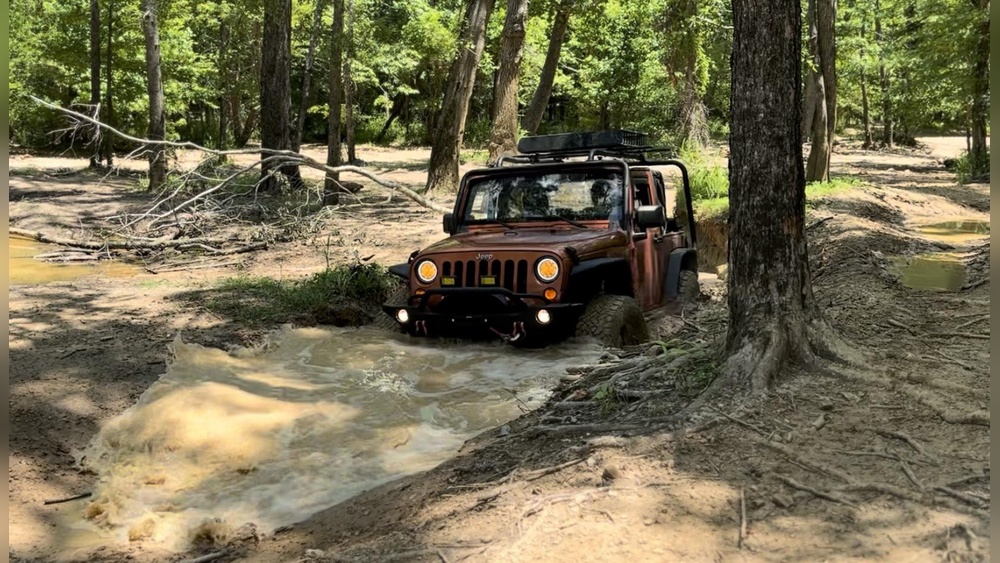
Common examples of OHVs include:
- ATVs (All-Terrain Vehicles)
- UTVs (Utility Task Vehicles or side-by-sides)
- Dirt bikes
- Dune buggies
- Snowmobiles
But where do Jeeps fit in? That’s where things get interesting—and sometimes confusing.
Is A Jeep An Ohv? Simple Answer
A Jeep can be an OHV, but not always. The answer depends on two main factors:
- How your Jeep is registered and equipped
- How the law defines OHV in your state or area
Most Jeeps are street-legal 4×4 vehicles. They can be driven on public roads and highways. But when you take them off the pavement, some places consider them OHVs—especially if you use them for recreation.
Legal Definitions: Jeep Vs. Ohv
Different states and agencies use slightly different definitions. Here’s a side-by-side look:
| Vehicle Type | Typical Example | Street Legal? | OHV? |
|---|---|---|---|
| Jeep Wrangler | 4WD SUV | Yes | Sometimes |
| ATV | Yamaha Grizzly | No | Yes |
| UTV/Side-by-Side | Polaris RZR | No (usually) | Yes |
| Dirt Bike | Honda CRF450R | No | Yes |
Key Insight: Many land managers and trail systems include Jeeps as OHVs for the purpose of access, permits, and rules—even though you can drive a Jeep on normal roads.
When Your Jeep Is Considered An Ohv
- On Designated OHV Trails: If you drive your Jeep on trails marked for OHVs, most parks and forests will require you to follow OHV rules.
- When Modifications Remove Street Legality: If your Jeep has no license plate, registration, or required safety equipment (like seat belts or lights), it’s treated as a dedicated OHV.
- In Permit Zones: Some places require a special OHV permit for all motor vehicles off pavement—including Jeeps.
For example, in states like California or Utah, Jeeps need a permit called a “Green Sticker” or “OHV decal” to enter some public lands. Failing to have the right permit can lead to fines.
When A Jeep Is Not Treated As An Ohv
If you stay on public roads or street-legal forest roads, your Jeep is just a normal vehicle. In cities or on highways, “OHV” rules do not apply. Also, if your Jeep is a daily driver with standard registration and never leaves paved roads, you may never need to worry about OHV regulations.
Common Mistakes Jeep Owners Make
Many beginners think their license plate covers all legal requirements. Here are common mistakes:
- Not checking permit rules before heading to a trail system
- Assuming all dirt roads are open to Jeeps
- Ignoring local rules that limit tire size, noise, or emissions
Another non-obvious issue: some areas restrict vehicle width or weight. A Jeep might be too wide for certain OHV trails marked for ATVs or motorcycles.
Ohv Trail Access: What To Know
Some public lands split trails by vehicle type. A typical trail system might look like this:
| Trail Type | Allowed Vehicles | Typical Width |
|---|---|---|
| Single-Track | Dirt bikes only | ~24 inches |
| ATV Trails | ATVs, small UTVs | ~50 inches |
| 4×4 Trails | Jeeps, trucks, SxS | ~72 inches or more |
Tip: Always check the trail width. Jeeps are usually 65–75 inches wide, so they cannot use ATV-only trails.
Registration, Insurance, And Permits
A Jeep’s status can also depend on registration and insurance:
- Street-legal Jeeps: Usually need normal registration and insurance for public roads
- Off-road-only Jeeps: May need OHV registration, especially if driven on public land
Some states offer separate “off-highway” plates for vehicles not driven on main roads. Insurance requirements also change—standard auto policies may not cover off-road use, so check with your provider.
Jeep Vs. Other Ohvs: Key Differences
Jeeps offer some advantages over typical OHVs:
- More comfort and safety features (airbags, climate control)
- Legal on highways (if properly equipped)
- Greater cargo capacity
- Longer range
But they’re also heavier and less nimble than ATVs or dirt bikes. Jeeps can handle more difficult terrain, but may do more damage if used carelessly.
Proper trail etiquette is important—stay on marked paths to avoid fines and protect the environment.
Responsible Jeep Off-roading
Driving a Jeep off-road means following both OHV rules and good stewardship practices. Here’s how you can be a responsible off-roader:
- Stay on marked trails to protect nature
- Pack out trash and leave no trace
- Respect closures and seasonal restrictions
- Lower tire pressure when needed for traction, but reinflate before pavement
Some parks require safety flags or radios. Always check local requirements before your trip. For more info, visit the Bureau of Land Management.
Frequently Asked Questions
Is A Jeep Considered An Ohv Everywhere?
No. A Jeep is only considered an OHV in certain areas—usually when off public roads on trails marked for OHVs, or if local rules say so.
Always check the rules for the place you want to visit.
What Permits Do I Need For My Jeep To Use Ohv Trails?
You may need an OHV permit, “green sticker,” or similar decal, depending on the state or land. Requirements can change by location and type of trail.
Can I Drive My Jeep On Atv-only Trails?
Usually not. Most ATV trails are too narrow for a Jeep.
Driving a Jeep on these trails can damage the environment and may result in fines.
Does Jeep Insurance Cover Off-road Driving?
Standard policies often exclude off-road use. Check with your insurance company to see if you need extra coverage for off-highway activities.
What’s The Main Difference Between A Jeep And An Atv As An Ohv?
A Jeep is usually street-legal and much larger, while an ATV is smaller and not legal on highways. Both can be considered OHVs depending on where and how they are used.
Understanding how your Jeep fits into the world of OHVs lets you enjoy off-roading safely and legally. Respecting rules and nature means you can keep exploring for years to come.