Is A Jeep A High Profile Vehicle
Jeep vehicles are known for their rugged look, strong off-road abilities, and distinctive design. But if you are new to cars, you may wonder: Is a Jeep a high profile vehicle?
This question matters, especially if you drive in windy areas or are thinking about safety and handling. In this article, you’ll find a clear answer, practical comparisons, and helpful tips to understand what “high profile” means and how it applies to Jeeps.
What Is A High Profile Vehicle?
A high profile vehicle is a vehicle that sits higher off the ground compared to regular cars. These vehicles usually have a tall and boxy shape, making them more noticeable on the road. Common examples include:
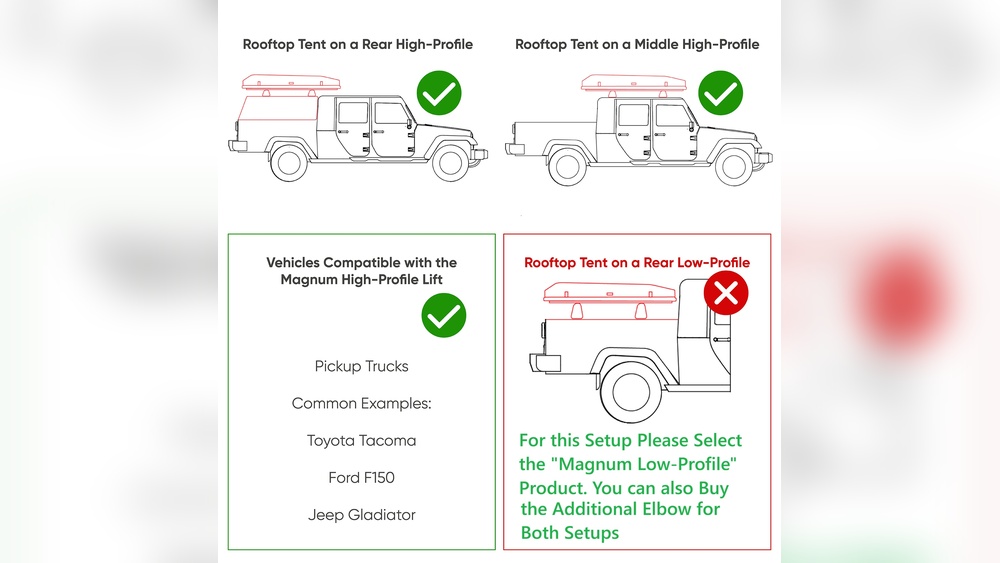
- SUVs
- Pickup trucks
- Vans
- Some commercial trucks
The main feature is the higher ground clearance and overall height. High profile vehicles can be affected more by strong winds or sudden movements because their large sides catch more air.
How Do Jeeps Compare In Profile?
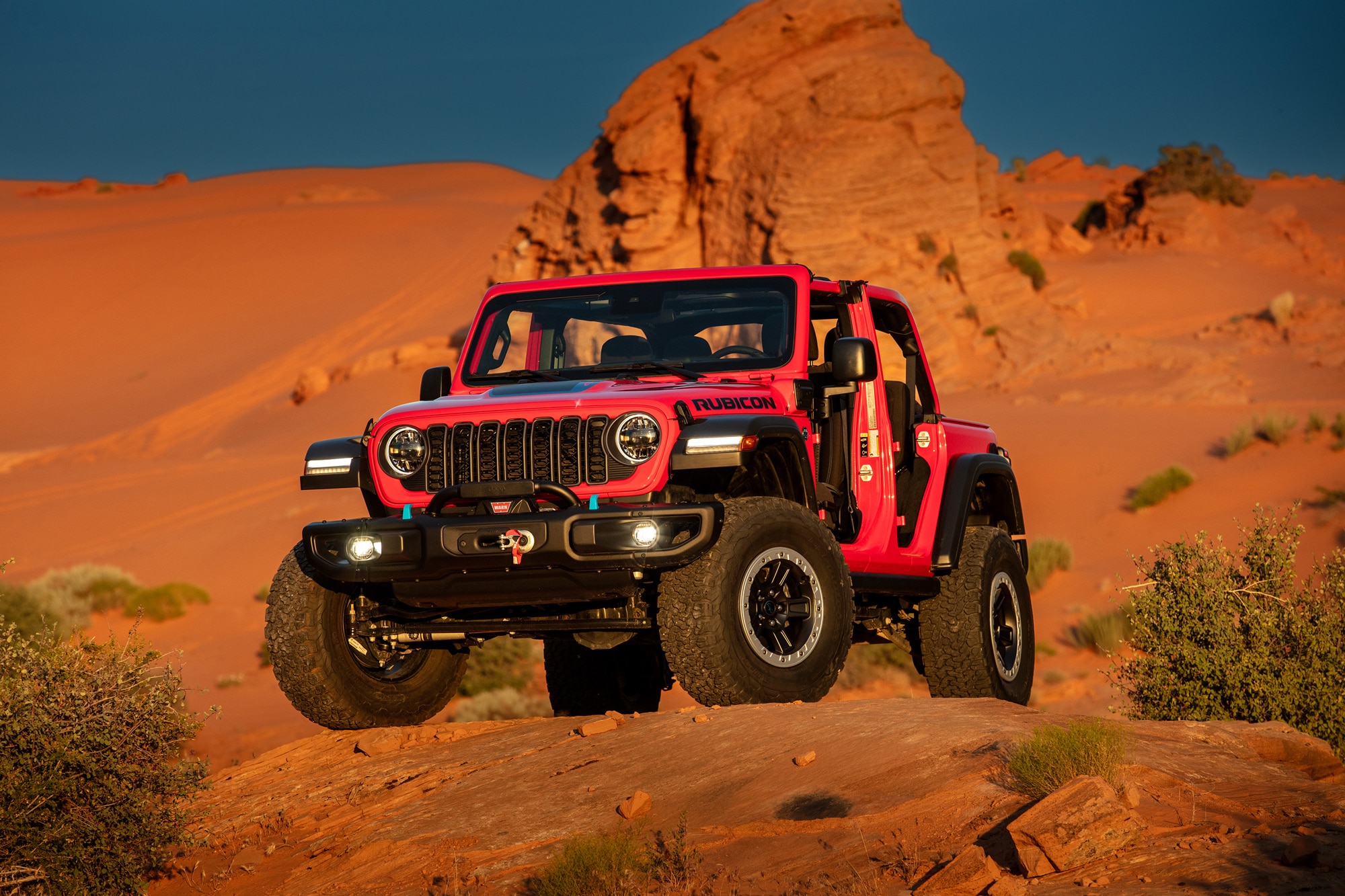
Most Jeep models are designed for adventure. They have higher ground clearance and a taller build than average sedans or hatchbacks. But how do they measure up to other common vehicles?
Here is a direct comparison of the height of popular Jeep models with other vehicle types:
| Vehicle | Height (inches) | Ground Clearance (inches) |
|---|---|---|
| Jeep Wrangler | 73.6 | 9.7 |
| Honda Civic (sedan) | 55.7 | 6.7 |
| Ford F-150 (pickup) | 77.2 | 8.8 |
| Toyota RAV4 (SUV) | 68.6 | 8.4 |
You can see that Jeeps like the Wrangler are much taller than a sedan, and even higher than some SUVs. This means they do fit the definition of a high profile vehicle.
Why Does Vehicle Profile Matter?
The profile of your vehicle affects more than just looks. Here are some real ways it matters:
- Wind Sensitivity: High profile vehicles can be pushed or rocked by strong side winds more easily.
- Stability: The taller the vehicle, the higher the center of gravity, which can affect stability, especially in sharp turns.
- Visibility: Drivers can see farther ahead, but must also be careful in parking garages or drive-thrus with height limits.
Here’s a quick look at wind sensitivity among different vehicles:
| Vehicle Type | Wind Sensitivity |
|---|---|
| Jeep Wrangler | High |
| Full-size Pickup | High |
| Compact SUV | Medium |
| Sedan | Low |
Are All Jeeps High Profile?
Not every Jeep is the same. While the Wrangler and Gladiator are classic high profile vehicles, other models like the Jeep Compass or Renegade are lower but still higher than a regular car. Let’s compare a few:
| Jeep Model | Height (inches) | High Profile? |
|---|---|---|
| Wrangler | 73.6 | Yes |
| Grand Cherokee | 69.3 | Yes |
| Compass | 64.8 | Borderline |
| Renegade | 66.5 | Borderline |
Insight: Many beginners think only very large SUVs are high profile, but even smaller Jeeps often sit taller than most sedans and some compact SUVs.
Pros And Cons Of High Profile Jeeps
Choosing a high profile Jeep has both advantages and drawbacks.
Pros
- Better ground clearance: Great for off-roading, snow, and rough roads.
- Improved visibility: Easier to see traffic ahead.
- Tough image: Many drivers like the commanding feel.
Cons
- More wind sensitivity: Can feel less stable in strong winds.
- Harder parking: Some garages or drive-thrus might be tight.
- Higher rollover risk: Tall vehicles are less stable in sharp turns.
Non-obvious tip: Tire choice and suspension upgrades can make a high profile Jeep feel more stable, especially on highways.
How To Drive A High Profile Jeep Safely
If you own or plan to drive a Jeep, there are ways to reduce risks:
- Slow down in strong winds or on bridges.
- Avoid sudden sharp turns—take corners smoothly.
- Distribute cargo weight low in the vehicle to keep stability.
- Check height restrictions before entering parking garages.
- Stay alert to how the Jeep moves in windy weather.
Experience-based insight: Many new Jeep drivers are surprised how much empty roof racks or large tires can catch wind and change handling. Remove them when not needed.
Real-world Examples
- Wrangler in Wyoming: Drivers report needing both hands on the wheel during crosswinds.
- Grand Cherokee in cities: High profile helps in floods but can be tricky in older parking garages.
- Renegade on highways: Feels more stable than larger Jeeps, but still higher than most cars.
Fact: According to the National Weather Service, high profile vehicles are more likely to be affected by winds above 30 mph, leading to more accidents during windstorms (NOAA).
Is A Jeep Right For You?
If you want a vehicle for rough roads, outdoor trips, or snowy areas, a high profile Jeep offers real benefits. But if you often drive in high winds or need to park in low-clearance garages, consider your needs carefully.
Frequently Asked Questions
Is A Jeep Considered A High Profile Vehicle By Insurance Companies?
Yes. Most insurance companies classify Jeeps and similar SUVs as high profile. This may affect your rates, especially in windy or storm-prone areas.
Do High Profile Jeeps Roll Over Easily?
While rollover risk is higher than cars, modern Jeeps have electronic stability control to reduce this. Safe driving and proper tire maintenance help prevent rollovers.
Are All Jeeps Equally Sensitive To Wind?
No. Larger Jeeps like the Wrangler are more sensitive than smaller models like the Compass or Renegade.
Extra roof gear can also increase wind effects.
How Can I Tell If My Jeep Is High Profile?
Check your vehicle’s height and ground clearance. If your Jeep is over 65 inches tall or has ground clearance above 7-8 inches, it’s likely high profile.
Is It Safe To Drive A High Profile Jeep In Storms?
It’s safe if you drive carefully. Slow down, keep both hands on the wheel, and avoid open bridges during high winds. Always check weather warnings before you travel.
Driving a Jeep brings both adventure and responsibility. Knowing what “high profile” means helps you make smart choices on the road and off.