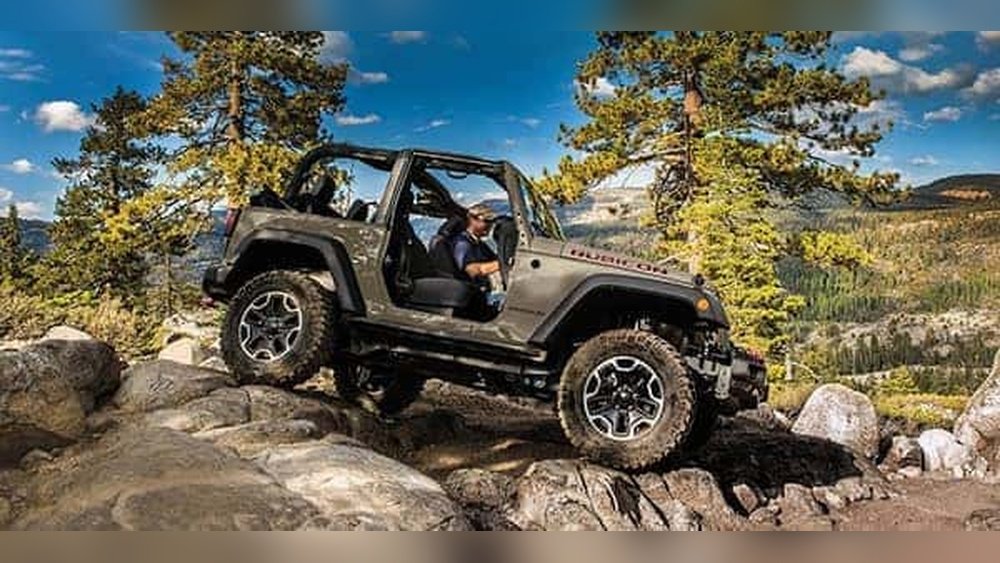
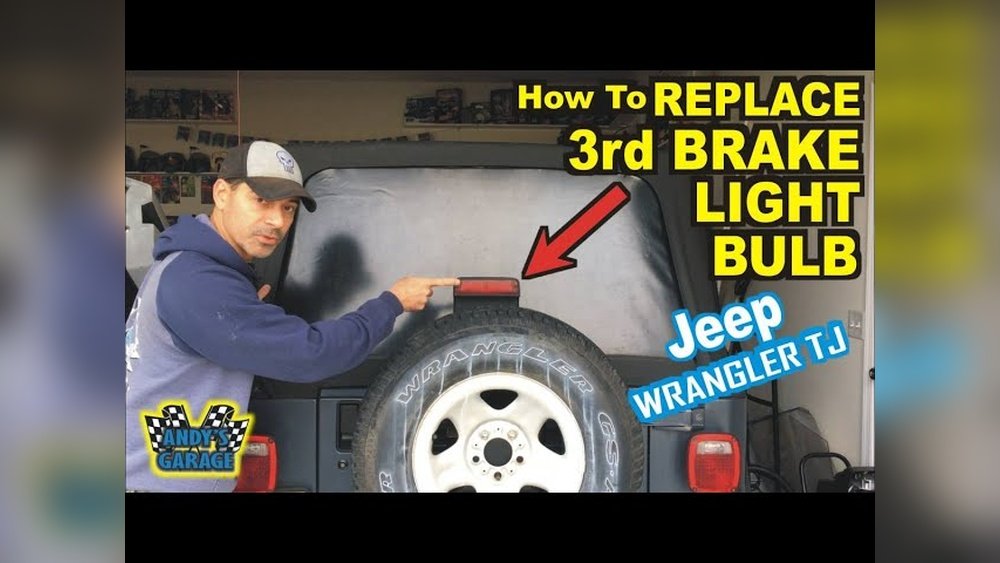
The 2008 Jeep Wrangler stands out as an iconic off-road vehicle, known for its rugged look and adventurous spirit. Many people love its classic style and open-air driving experience. But when it comes to reliability, opinions are mixed. If you’re thinking about buying a 2008 Wrangler or already own one, understanding its strengths and weaknesses is important. This article explores the real reliability of the 2008 Jeep Wrangler based on owner experiences, expert reviews, and technical facts.
Engine And Performance
The 2008 Wrangler comes with a 3.8L V6 engine producing 202 horsepower and 237 lb-ft of torque. It’s paired with either a 6-speed manual or a 4-speed automatic transmission. Owners appreciate the engine’s simple design, making repairs straightforward and affordable compared to some modern SUVs.
However, the V6 is sometimes criticized for lacking power, especially on highways. The fuel economy is also below average, with most drivers seeing about 15 mpg city and 19 mpg highway. For daily commuting, this can be a downside, but for off-road adventures, the Wrangler’s low-end torque and 4×4 system are strong points.
Common Problems And Reliability Ratings
Jeep Wranglers, especially the 2008 model, have some well-known issues. According to data from RepairPal, the 2008 Wrangler scores 3.5 out of 5 for reliability, which is average for its class.
Frequent problems include:
- Leaking hardtop or soft top: Many owners report water leaks during heavy rain.
- Electrical gremlins: Issues with the TIPM (Totally Integrated Power Module) can cause random electrical failures.
- Suspension wear: Ball joints and control arms wear out faster than expected, leading to the “death wobble”—a violent steering shake at highway speeds.
- Rust: Frame and underbody rust are common, especially in areas where road salt is used.
Most repairs are manageable, but some, like TIPM replacement, can be expensive. Regular maintenance reduces the risk of major problems.
Owner Satisfaction
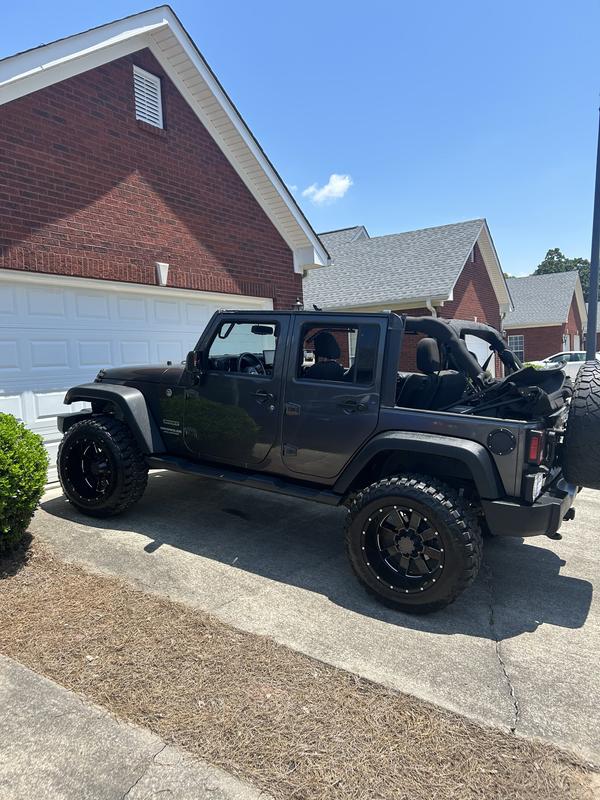
Many owners are loyal to the 2008 Wrangler despite its flaws. They enjoy its off-road capability and unique driving experience. The Wrangler holds its value well, with used models often selling for $12,000–$18,000 depending on condition and mileage.
Surveys show that buyers who use their Wrangler for recreation and off-roading are happier than those using it as a daily driver. Comfort and noise levels are not as good as modern SUVs, but the sense of adventure makes up for it for many.
How It Compares To Other Suvs
Below, you’ll find how the 2008 Wrangler stacks up against two popular competitors in key areas.
| Feature | 2008 Jeep Wrangler | 2008 Toyota 4Runner | 2008 Ford Explorer |
|---|---|---|---|
| Engine | 3.8L V6 | 4.0L V6 | 4.0L V6 |
| Horsepower | 202 hp | 236 hp | 210 hp |
| Fuel Economy | 15/19 mpg | 16/21 mpg | 14/20 mpg |
| Off-Road Ability | Excellent | Good | Fair |
| Reliability Rating | Average | Above Average | Average |
The Wrangler leads in off-road ability, but others may offer better comfort and reliability for city driving.
Maintenance Costs
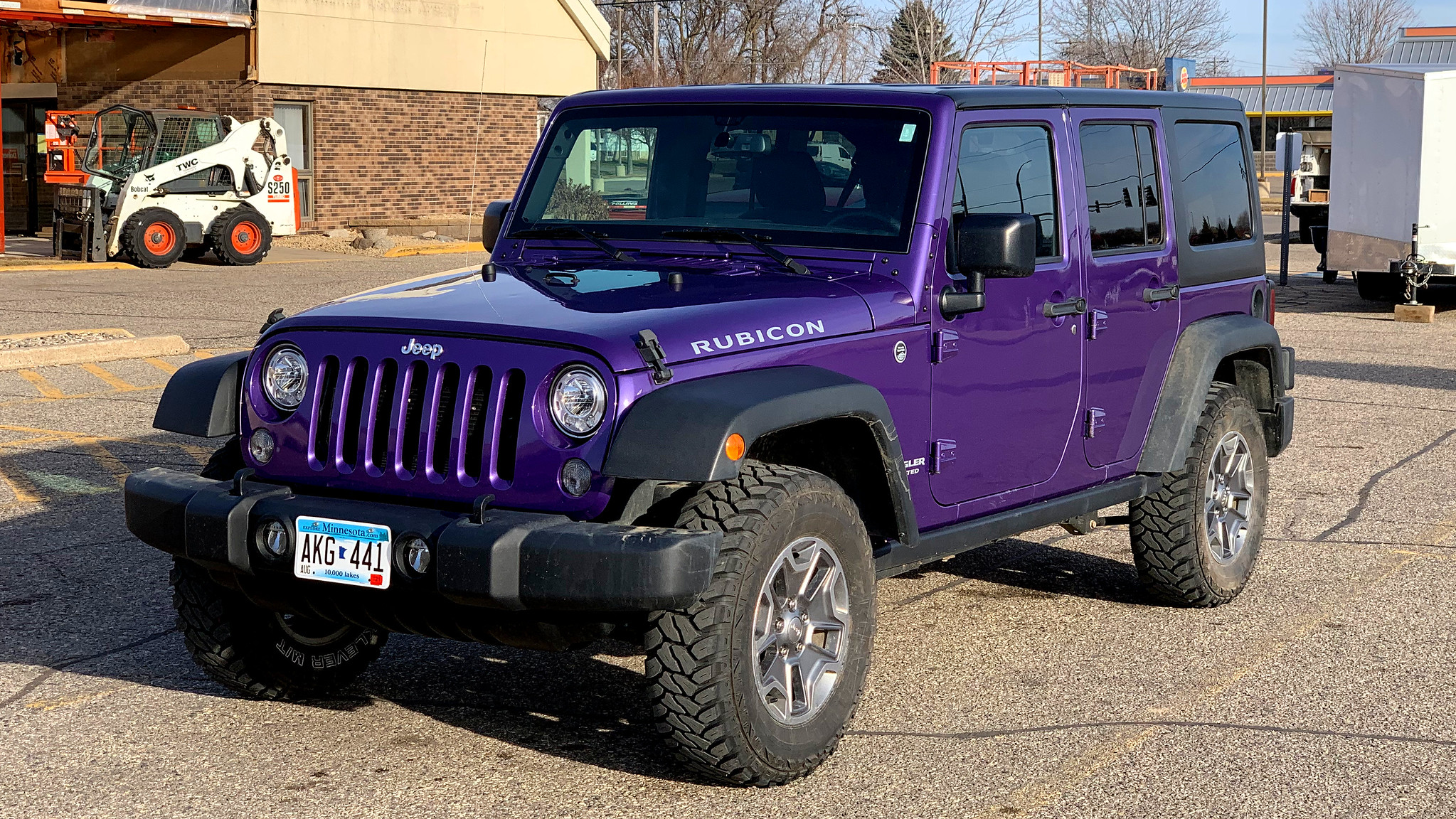
The 2008 Wrangler’s maintenance costs are a bit higher than average. On average, owners spend about $650 per year on repairs and maintenance. Common service items include:
- Oil changes every 3,000–5,000 miles
- Tire rotations and alignments
- Brake pad replacement
- Suspension parts like ball joints
Unusual repairs, like replacing the TIPM or fixing leaks, can add to costs. Still, many simple repairs can be done by DIY owners, saving money.
Here’s a look at estimated annual maintenance costs:
| Service Item | Estimated Cost |
|---|---|
| Oil Change | $40–$70 |
| Brake Pads (per axle) | $150–$250 |
| Ball Joint Replacement | $300–$500 |
| Tire Rotation | $20–$40 |
Noteworthy Insights For 2008 Owners
- Check for rust under the body regularly. Early detection can save thousands in repairs.
- Aftermarket support is excellent. Many owners upgrade suspension or electrical parts for better reliability. Sometimes, aftermarket parts are more durable than factory components.
- Leaking roofs are often due to worn seals. Replacing seals is usually an easy fix.
- Death wobble is often caused by worn suspension components. Upgraded parts can solve this issue permanently.
Many new owners overlook the importance of regular underbody washes, especially after off-road trips or winter driving. Keeping the undercarriage clean helps prevent rust—a common long-term problem.

Is The 2008 Jeep Wrangler Right For You?
If you love off-road adventures or want a vehicle with a unique personality, the 2008 Wrangler is a solid choice. It’s not the most comfortable or quiet, but it shines where the pavement ends. For daily city driving, you may find the rough ride and high noise less appealing.
Remember, the 2008 Wrangler is best for those willing to do regular maintenance and who value character over luxury. If these points fit your needs, you’ll likely enjoy owning this Jeep.
Frequently Asked Questions
Is The 2008 Jeep Wrangler Reliable For Daily Driving?
The 2008 Wrangler can be a daily driver, but it’s not as smooth or quiet as most modern SUVs. Expect more road noise, a stiffer ride, and some common issues, like leaks or suspension wear.
What Is The “death Wobble” In The 2008 Wrangler?
The death wobble is a strong steering vibration that happens at certain speeds, usually after hitting a bump. It’s often caused by worn suspension parts. Replacing ball joints and steering stabilizers usually solves the problem.
How Long Can A 2008 Jeep Wrangler Last?
With regular maintenance, many 2008 Wranglers reach 150,000 to 200,000 miles. Some owners report even higher mileage, especially if rust and leaks are handled early.
Is The 2008 Jeep Wrangler Expensive To Fix?
Repair costs are a bit above average for this class. Most owners spend around $650 per year, but costs can be higher if major problems like the TIPM occur.
Where Can I Find More Details On Jeep Wrangler Reliability?
For more information, check detailed reviews and reliability reports at the Consumer Reports website.
The 2008 Jeep Wrangler is a vehicle that brings smiles on the trail and requires a bit of patience in the shop. If you’re prepared for its quirks, it can be a fun and lasting companion.