Is 2013 Jeep Grand Cherokee Reliable?
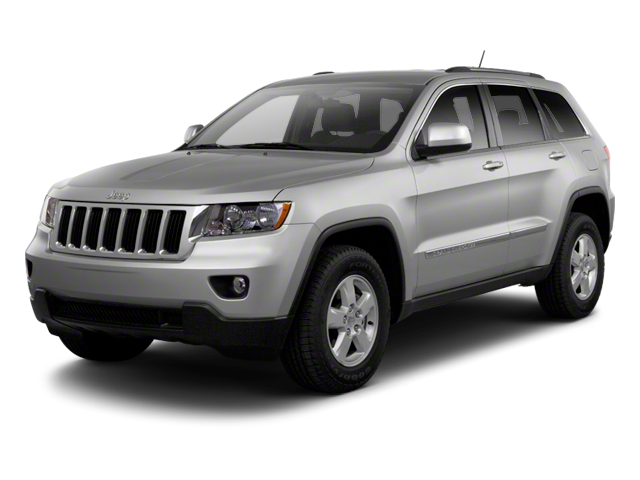
The 2013 Jeep Grand Cherokee stands out in the midsize SUV world. With its classic looks and strong off-road skills, many drivers consider it a solid choice. But when it comes to reliability, opinions are mixed. Some owners praise its durability, while others report frustrating problems. If you’re thinking about buying a used 2013 Grand Cherokee, it’s smart to know what you might face. This guide gives you a clear look at the vehicle’s reliability, common issues, and what to check before you buy.
Reliability Overview
The 2013 Grand Cherokee gets average ratings for reliability. According to J.D. Power, it scores 2.5 out of 5 for dependability. Consumer Reports rates it slightly below average. The SUV offers good comfort and strong engines, but some years have more issues than others. The 2013 model sits in the middle—not the worst, but not the most trouble-free Jeep either.
Common Problems
Every car has weak spots, and the 2013 Grand Cherokee is no different. Here are the issues you’re most likely to hear about:
1. Transmission Issues
Many owners report that the transmission sometimes hesitates, shifts roughly, or fails completely. These problems usually show up after 60,000 miles. Repairs can be expensive, with replacements costing over $3,000.
2. Tipm (totally Integrated Power Module) Failure
The TIPM is like the SUV’s electronic brain. When it fails, strange things happen—doors lock randomly, the horn honks by itself, or the car won’t start. This is one of the most well-known and costly issues for this model year.
3. Electrical Problems
Besides the TIPM, other electrical issues are common. Dash lights may flicker, power windows stop working, or the infotainment system malfunctions. These problems can be hard to diagnose and fix.
4. Engine Stalling
Some drivers report the engine stalling without warning. This can be dangerous, especially at higher speeds. Most cases are due to faulty crankshaft sensors or fuel pump problems.
5. Air Suspension Faults
Models with Quadra-Lift air suspension may suffer leaks or compressor failures. This leads to a rough ride and expensive repairs, sometimes costing $1,500 or more.
Maintenance Costs
Owning a 2013 Grand Cherokee means preparing for higher-than-average maintenance costs. Annual repair bills often range from $650 to $1,000, depending on mileage and previous care. Here’s a quick look at what you might expect:
| Maintenance Task | Estimated Cost |
|---|---|
| Oil Change | $50–$80 |
| Brake Pad Replacement | $200–$350 |
| Transmission Service | $150–$300 |
| Tire Replacement (set of 4) | $600–$900 |
Unexpected repairs, like a failed TIPM or air suspension, can quickly push costs higher.
Owner Satisfaction
Despite the issues, many owners still enjoy their 2013 Grand Cherokees. They love the off-road ability, comfortable ride, and strong towing power. However, satisfaction drops for those who experience repeated breakdowns or electrical problems.
Here’s how the 2013 Jeep Grand Cherokee compares with similar SUVs:
| Model | Reliability Score (J.D. Power) | Average Repair Cost (per year) |
|---|---|---|
| 2013 Jeep Grand Cherokee | 2.5/5 | $750 |
| 2013 Toyota 4Runner | 4/5 | $525 |
| 2013 Ford Explorer | 3/5 | $600 |
What To Check Before You Buy
If you’re considering a used 2013 Grand Cherokee, inspect these areas closely:
- Transmission: Test drive at various speeds. Listen for slipping or rough shifts.
- Electrical Systems: Try all power features—windows, locks, infotainment, and lights.
- Air Suspension: Watch for sagging or warning lights on the dash.
- Maintenance History: Ask for service records. Well-maintained Jeeps are less likely to have big problems.
- Recalls: The 2013 model had several recalls. Make sure all recall work is complete before buying.
One thing many buyers miss: not all problems appear during a short test drive. Some electrical or transmission issues only show after the car heats up or after driving for 30 minutes or more. Ask for a longer test drive, or get a mechanic to check the car.
First, many shoppers don’t realize the importance of software updates on the 2013 Grand Cherokee. Jeep released several updates to fix shifting and infotainment bugs. Ask the seller if these were done.
Second, check the VIN for the build location. Some buyers report that US-built models have slightly fewer issues than those built elsewhere. While not a guarantee, it’s another detail that can help you decide.
Should You Buy A 2013 Jeep Grand Cherokee?
The 2013 Grand Cherokee is a capable SUV with a lot to offer—if you get a well-maintained one. It’s not the most reliable in its class, but some owners have good experiences. If you love its looks and features, invest time in a full inspection and review all service records.
For drivers who need maximum dependability or want lower running costs, a Toyota 4Runner or similar SUV might be a better fit. But if you value off-road skills and are ready for extra care, the Grand Cherokee can still be a good choice. For more details on vehicle reliability, see this Consumer Reports reliability summary.
Frequently Asked Questions
Is The 2013 Jeep Grand Cherokee Expensive To Maintain?
Yes, the 2013 Grand Cherokee usually costs more to maintain than similar SUVs. Expect to pay $650–$1,000 per year, with major repairs (like transmission or air suspension) costing much more.
What Is The Most Common Problem With The 2013 Grand Cherokee?
The most common issues are transmission problems and TIPM (electrical system) failures. Many owners also report random electrical glitches and air suspension faults.
How Many Miles Will A 2013 Grand Cherokee Last?
With good care, many 2013 Grand Cherokees reach 150,000–200,000 miles. Regular maintenance and quick repairs are key to reaching higher mileage.
Was There A Recall On The 2013 Jeep Grand Cherokee?
Yes. There were several recalls, including for the braking system, airbags, and electrical wiring. Check that all recall work is completed before buying a used model.
Is The 2013 Grand Cherokee Good For Off-road Driving?
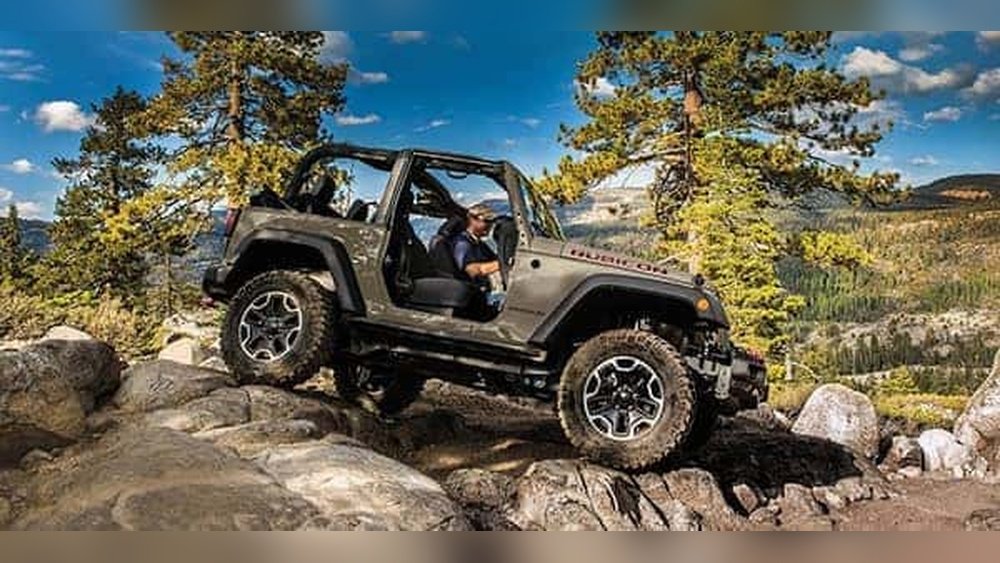
Absolutely. The 2013 Grand Cherokee is known for its off-road capability, especially models with 4WD and the Trailhawk package. Just check that all systems, including the air suspension, are working before heading off-road.