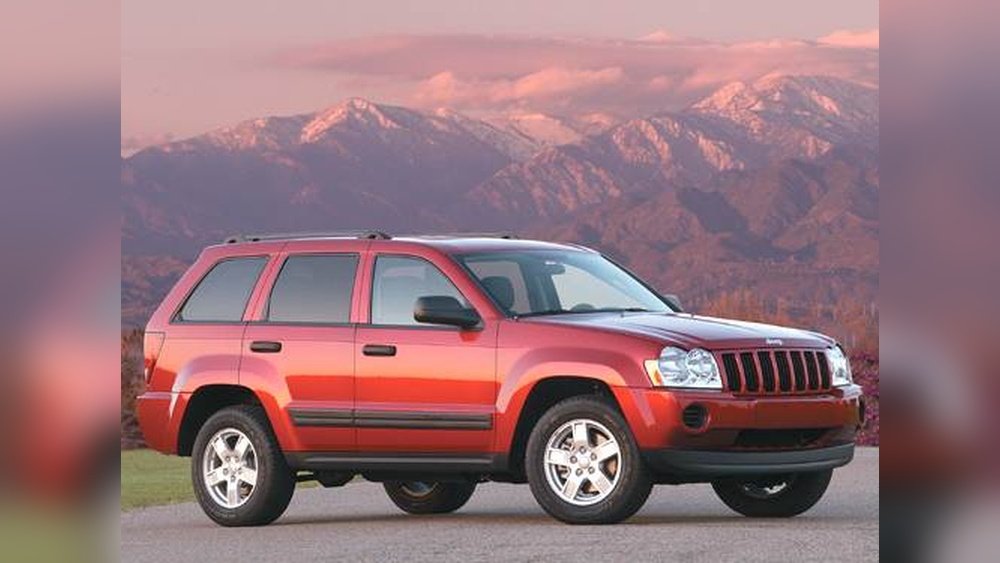
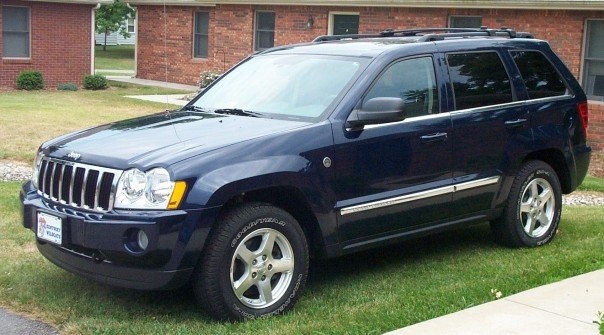
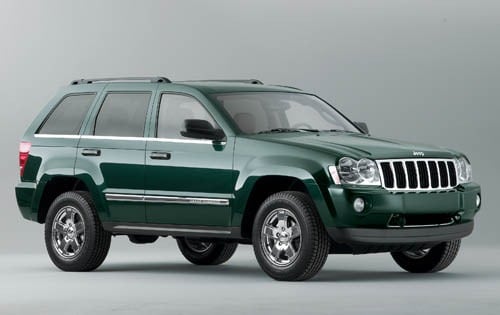
The 2005 Jeep Grand Cherokee is a popular midsize SUV known for its rugged style and off-road abilities. If you are thinking about buying a used SUV, you may wonder if this specific model is reliable. This article will look at the strengths and weaknesses of the 2005 Grand Cherokee, real-world owner experiences, maintenance costs, and how it compares to other SUVs from the same era. By the end, you should have a clear idea if the 2005 Grand Cherokee fits your needs and what to expect from owning one.
Overview Of The 2005 Jeep Grand Cherokee
The 2005 Grand Cherokee marked the start of the third generation (WK). It came with several engine choices, including a 3.7L V6, a 4.7L V8, and the powerful 5.7L Hemi V8. Jeep designed this version to offer a smoother ride on the road while keeping strong off-road performance. New features in 2005 included an improved suspension, more modern interior, and extra technology like navigation and advanced 4WD systems.
Reliability Ratings And Common Issues
When it comes to reliability, the 2005 Grand Cherokee has a mixed reputation. According to J.D. Power, it received an average reliability score for its class. Some owners report driving their Grand Cherokees well past 150,000 miles with basic care, but others have faced expensive problems early on.
Most Common Problems
- Electrical issues: Many owners have reported problems with the TIPM (Totally Integrated Power Module), leading to non-working windows, lights, or fuel pumps.
- Transmission troubles: Some V8 models experience rough shifting or early transmission failure, often before 100,000 miles.
- Suspension wear: Ball joints and control arms tend to wear out quickly, causing noise or loose steering.
- Engine leaks: Oil leaks from valve cover gaskets and the 4.7L V8’s timing cover are common as the SUV ages.
- Cooling system faults: Radiators and water pumps may fail, especially if regular coolant changes are skipped.
A key insight: Many electrical and cooling system problems can be prevented with regular inspections and using quality replacement parts.
Maintenance Costs And Parts Availability
The annual maintenance cost for a 2005 Grand Cherokee is around $650-$900, depending on the engine and how you drive. While some repairs, like replacing the TIPM, can be pricey (over $1,000), most routine work—brakes, oil changes, suspension—falls in line with other midsize SUVs.
Parts are generally easy to find in the US, thanks to Jeep’s popularity. However, certain engine or 4WD system parts can be more expensive than similar Toyota or Honda SUVs.
Maintenance Schedule Tips
- Change engine oil every 5,000 miles.
- Inspect suspension and steering parts every 20,000 miles.
- Flush coolant and check the radiator every 50,000 miles.
- Replace transmission fluid before 100,000 miles for best performance.
Driving Experience And Comfort
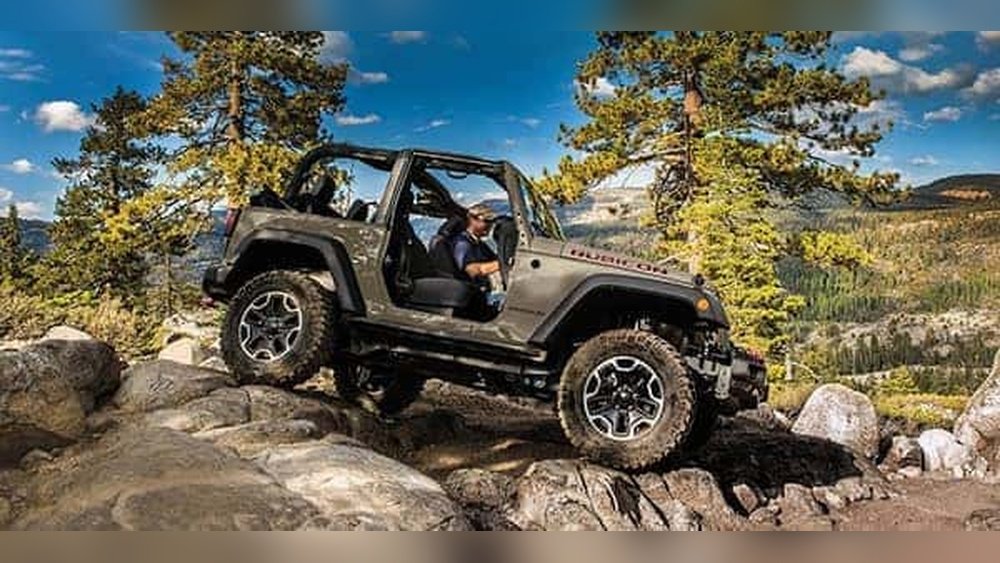
The 2005 Grand Cherokee is well-known for its off-road capability. The Quadra-Drive II 4WD system, optional in higher trims, is excellent for snow, mud, or rocky trails. On the road, the SUV feels stable and comfortable, although it is not as quiet or refined as some rivals.
Interior quality improved over earlier models, but some plastics still feel cheap. The rear seat is a bit tight for adults, and cargo space is average for its class.

How It Compares To Other Used Suvs
If you are looking at other SUVs from 2005, it helps to see how the Grand Cherokee stacks up. Here is a quick comparison with two competitors:
| Model | Reliability Score (J.D. Power) | Annual Maintenance Cost | Off-Road Ability |
|---|---|---|---|
| Jeep Grand Cherokee | 3.5/5 | $800 | Excellent |
| Toyota 4Runner | 4.5/5 | $500 | Very Good |
| Ford Explorer | 3/5 | $700 | Good |
Non-obvious tip: Many buyers overlook the importance of previous maintenance records. A well-maintained Grand Cherokee is far more reliable than one with a spotty service history, even if both have similar mileage.
Real Owner Experiences
Owners who love the 2005 Grand Cherokee often praise its strong V8 engines, ability to handle any weather, and comfortable ride. Some report driving over 200,000 miles with only minor repairs. However, other owners dislike the high fuel consumption (especially the Hemi V8, which averages 13-16 mpg) and say repairs can be frequent if the vehicle was not well cared for by previous owners.
A surprising insight: Some owners find insurance is higher than for similar SUVs because of the Grand Cherokee’s higher theft rates in some regions.
Should You Buy A 2005 Jeep Grand Cherokee?
The 2005 Jeep Grand Cherokee can be a good used SUV if you:
- Need strong off-road performance
- Want a powerful engine
- Don’t mind average fuel economy
- Are ready to handle higher-than-average repairs
If reliability and low running costs are most important, a Toyota 4Runner or Honda Pilot may suit you better. For those who enjoy adventure and are comfortable with the maintenance, the Grand Cherokee offers a unique mix of comfort and capability.
Frequently Asked Questions
How Long Does A 2005 Jeep Grand Cherokee Usually Last?
With regular maintenance, many owners reach 150,000 to 200,000 miles or more. Key factors are oil changes, transmission service, and cooling system care.
Are Parts Expensive For The 2005 Grand Cherokee?
Basic parts like brakes and filters are affordable. Specialized parts for the V8 or 4WD system can cost more than some other SUVs.
Does The 2005 Grand Cherokee Have Safety Issues?
It earned average safety ratings in crash tests. Standard features include anti-lock brakes and airbags, but advanced safety tech found in newer vehicles is missing.
Is The 2005 Grand Cherokee Good For Off-roading?
Yes, especially with the Quadra-Drive II system. It handles mud, snow, and rocks better than most competitors from the same year.
Where Can I Find More Detailed Reliability Data?
For more in-depth reliability and owner satisfaction information, check resources like Consumer Reports.
If you value adventure, power, and off-road skill, the 2005 Jeep Grand Cherokee can still be a solid choice. Just remember to check maintenance history and be ready for possible repairs as the SUV gets older.