Buying a used Jeep is a big decision, especially if it already has 100,000 miles on the odometer. Many drivers worry: Is 100,000 miles bad for a Jeep?
Does it mean expensive repairs soon? Or can a Jeep with this mileage still be reliable?
The answer depends on several factors—how the Jeep was cared for, which model you’re considering, and how you plan to use it. Let’s break down what 100,000 miles really means for a Jeep and what you should look out for before making your choice.
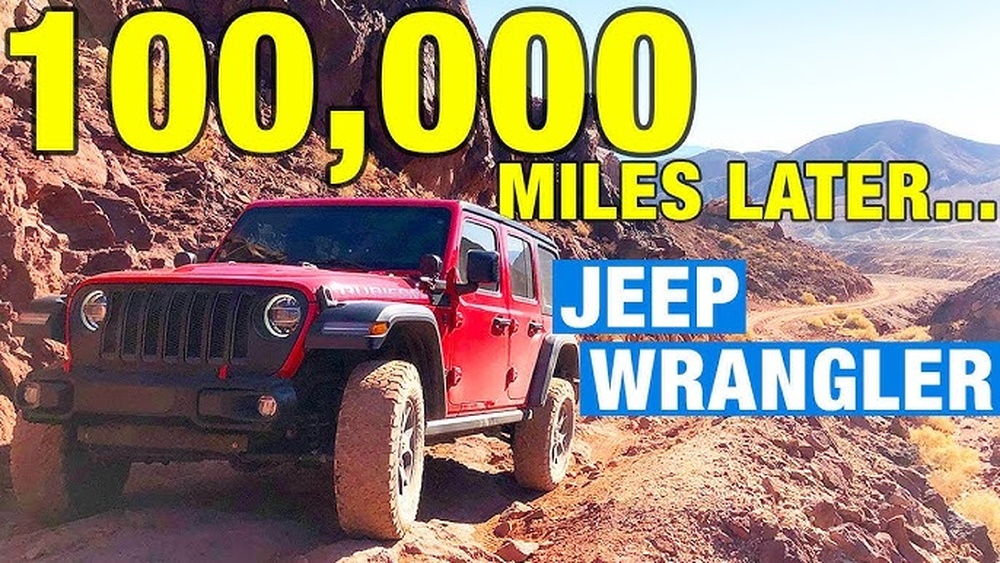
What Does 100,000 Miles Mean For A Jeep?
A Jeep with 100,000 miles is not “old” in today’s car market. Most modern vehicles, including Jeeps, are built to last well beyond this mark. With regular maintenance, many Jeeps reach 200,000 miles or more. However, at this point, you should expect some parts to show wear. Common maintenance jobs—like brakes, tires, suspension, and fluids—may be needed soon. For buyers, 100,000 miles is a signal to check the Jeep’s history and condition carefully.
Key Factors To Consider
Maintenance History
One of the most important things is the maintenance history. Has the Jeep had regular oil changes, transmission service, and brake checks? A well-documented history means the previous owner cared for the vehicle. If records are missing, be cautious.
Jeep Model And Engine Type
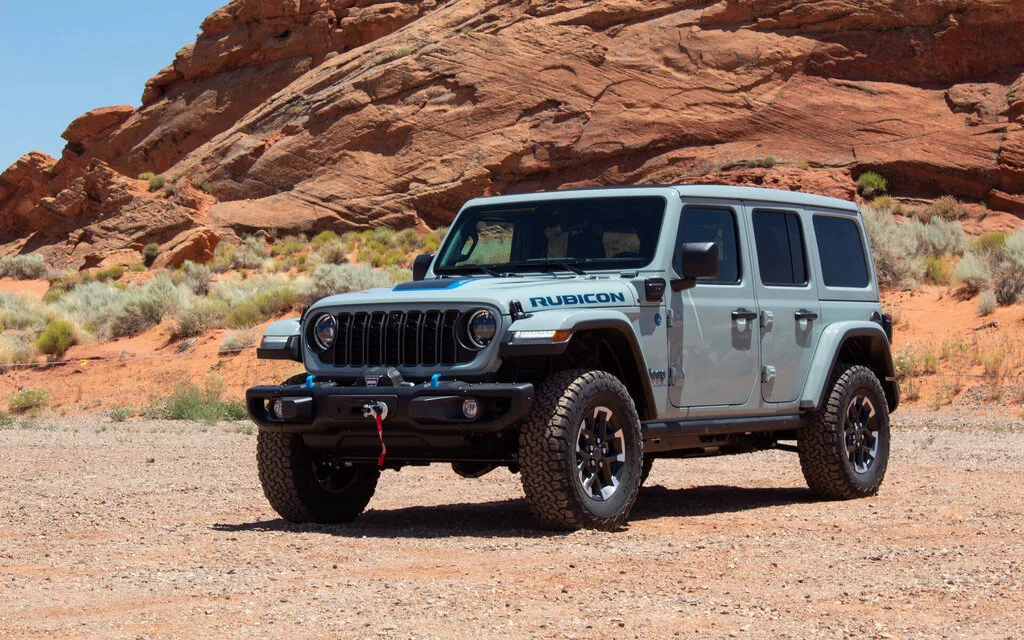
Some Jeep models handle high mileage better than others. For example, the Jeep Wrangler and Jeep Grand Cherokee are known for their durability. Engines like the 4.0-liter inline-six in older Wranglers and Cherokees often last a long time. However, certain models, like early Liberty or Compass, may have more issues as they age.
Driving Conditions
How the Jeep was used matters. Highway miles are less stressful than city or off-road miles. A Jeep used mainly for commuting will likely have less wear than one used for heavy towing or off-roading.

Common Wear And Repair Areas At 100,000 Miles
Here are some parts you should check or expect to replace:
- Suspension components: Ball joints, bushings, and shocks may be worn.
- Brakes: Pads and rotors often need replacing around this mileage.
- Transmission fluid: Should be changed if not done recently.
- Cooling system: Radiator, hoses, and water pump may need attention.
- Timing belt/chain: Some Jeep engines require replacement at this interval.
- Tires: Check for uneven wear or tread depth.
- Exhaust system: Rust and leaks can appear after 100,000 miles.
How Jeep Compares To Other Brands At 100,000 Miles
Let’s look at how Jeeps stack up against other vehicles at this mileage.
| Brand | Common Issues at 100k Miles | Average Lifespan (Miles) |
|---|---|---|
| Jeep | Suspension, transmission, cooling | 200,000+ |
| Toyota | Minor electronics, brakes | 250,000+ |
| Ford | Transmission, engine seals | 200,000+ |
| Chevrolet | Brakes, steering, sensors | 200,000+ |
Signs Of A Well-maintained Jeep
Before buying, look for these signs:
- Clean engine bay (not oily or dirty)
- Smooth shifting and braking
- No warning lights on the dash
- No strange noises from the suspension or engine
- Service records showing regular care
Is 100,000 Miles Bad? Real-life Data
Many Jeep owners report their vehicles last well beyond 100,000 miles. According to data from Consumer Reports, Jeep Wranglers and Grand Cherokees are often seen with 150,000–200,000 miles. Some even reach 300,000 miles, especially with careful maintenance.
Cost Of Ownership After 100,000 Miles
While a Jeep can be reliable, you should plan for repairs and maintenance. The average yearly maintenance cost for a Jeep after 100,000 miles is $600–$1,200. This includes oil changes, brakes, suspension, and other items. Unexpected repairs may cost more, but regular care helps avoid big bills.
| Repair/Service | Estimated Cost |
|---|---|
| Brake Pads/Rotors | $300–$500 |
| Suspension (shocks, bushings) | $400–$800 |
| Transmission Service | $150–$300 |
| Cooling System (radiator, hoses) | $400–$700 |
Practical Tips For Buyers
- Always get a mechanic inspection before buying.
- Ask for a vehicle history report.
- Check for rust, especially under the Jeep.
- Test drive to listen for odd sounds.
- Budget for first-year repairs and maintenance.
Non-obvious Insights
Most buyers focus only on the engine, but electrical systems can be a hidden cost after 100,000 miles. Older Jeeps may develop issues with sensors, wiring, and onboard computers. Also, some Jeep models are more sensitive to neglected fluid changes—especially the transmission and differentials. Missing these can lead to expensive repairs.
Should You Buy A Jeep With 100,000 Miles?
If the Jeep was well-maintained, buying at 100,000 miles can be a smart move. You get a lower price, and Jeeps are built for longevity. However, check the model’s history, inspect for rust or damage, and be ready for some repairs. Avoid Jeeps with unclear histories or signs of abuse.
Frequently Asked Questions
Is 100,000 Miles Too Much For A Jeep?
No, many Jeeps last well beyond 100,000 miles. With proper care, it’s not too much.
What Should I Check Before Buying?
Look at the maintenance records, inspect for rust, test drive, and get a mechanic’s opinion.
Which Jeep Models Handle High Mileage Best?
Jeep Wrangler and Grand Cherokee are known for durability and reliability.
Will Repairs Be Expensive After 100,000 Miles?
Some parts may need replacing, but regular maintenance can keep costs low.
Can A Jeep Last To 200,000 Miles Or More?
Yes, many Jeeps reach 200,000 miles if serviced regularly and driven carefully.
Buying a Jeep with 100,000 miles isn’t a bad idea if you do your homework. Focus on condition, history, and model reputation.
With the right checks, you can enjoy a reliable Jeep for many more miles.