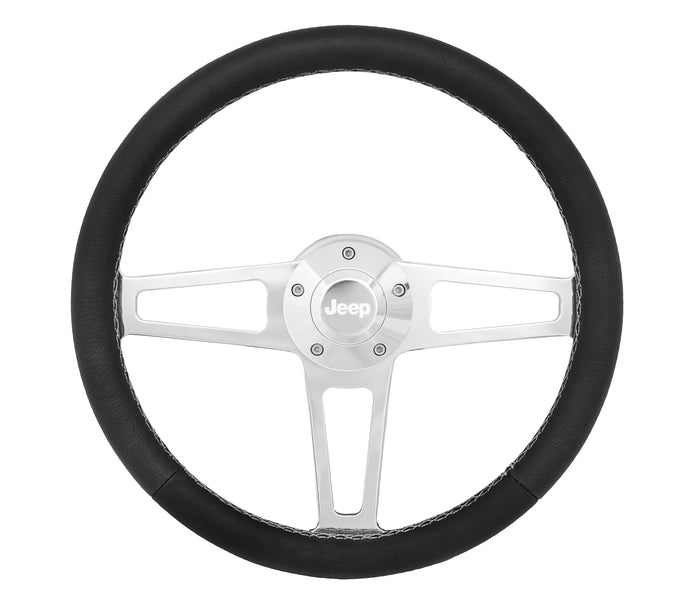
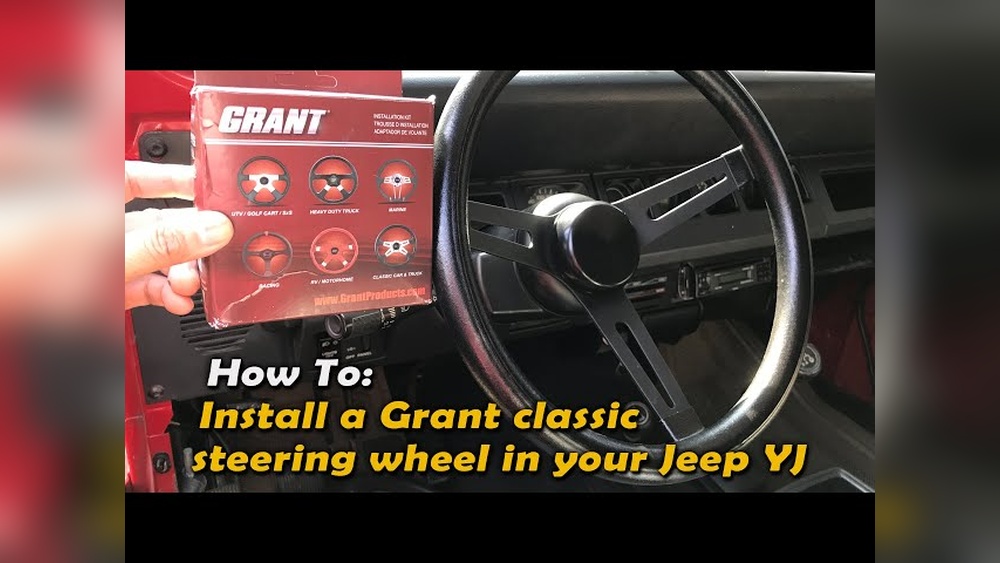
Upgrading your Jeep’s steering wheel is a popular project for drivers who want a better feel, more style, and improved grip. The Grant steering wheel is one of the most respected aftermarket choices for both classic and modern Jeeps. But installing it isn’t just a simple swap. You need to follow precise steps, use the right tools, and understand how the steering system works. This guide will walk you through the process, offer practical advice, and help you avoid common mistakes—so you can enjoy your new steering wheel safely and confidently.
Why Install A Grant Steering Wheel On Your Jeep?
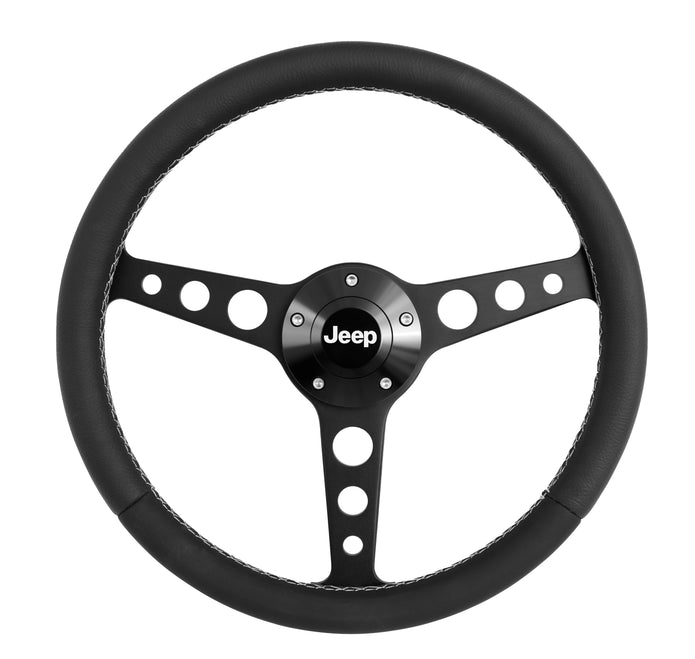
Jeep owners often upgrade their steering wheels for several reasons. The Grant brand stands out because it offers:
- Better ergonomics: Many Grant wheels have a thicker rim and textured grip, making them easier to hold, especially off-road.
- Stylish designs: Choices range from classic wood to modern racing looks, letting you personalize your Jeep.
- Improved control: Aftermarket wheels can give more feedback and precision, especially on older Jeeps where the original wheel feels worn.
A Grant steering wheel is also more affordable than many custom options, and installation is straightforward if you have basic mechanical skills.
Preparing For Installation
Before you start, make sure you have everything you need. Installing a Grant steering wheel requires some planning and the right tools.
Tools And Parts Needed
- Grant steering wheel kit (includes wheel, horn button, hardware)
- Grant installation adapter kit (specific to your Jeep model)
- Socket wrench set
- Screwdrivers (flathead and Phillips)
- Steering wheel puller tool (recommended for older Jeeps)
- Torque wrench
- Electrical tape
- Clean rag
- Gloves
Not every Jeep requires a steering wheel puller, but it’s helpful for older models with stubborn wheels.
Safety First
Always disconnect your Jeep’s battery before starting. This prevents accidental airbag deployment on newer models and protects you from electrical shock. Wear gloves to protect your hands from sharp edges.
Removing The Old Steering Wheel
The first step is to take off the original steering wheel. This can be tricky if your Jeep is older or if the wheel is stuck.
Steps For Removal
- Disconnect the battery: Locate the negative terminal and remove the cable.
- Remove horn assembly: Most Jeeps have a horn button or ring in the center. Pry it off gently with a flathead screwdriver.
- Unscrew the center nut: Use a socket wrench to loosen and remove the nut holding the wheel to the column.
- Mark the shaft: Before pulling the wheel, mark the shaft and wheel with a pen. This helps you align the new wheel correctly.
- Pull the wheel off: If it’s tight, use a steering wheel puller tool. Attach the tool, turn the center bolt, and the wheel will pop free.
Some beginners forget to mark the shaft. If you skip this, your new wheel may not be centered, causing alignment problems.
Installing The Grant Steering Wheel Adapter
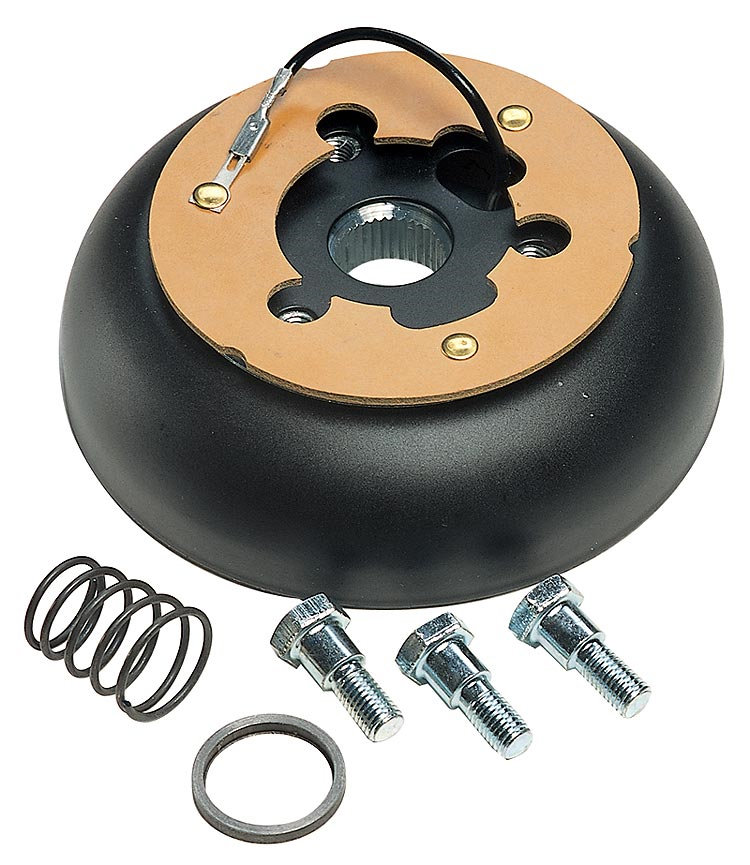
Grant wheels don’t fit directly onto Jeep columns. You need a Grant adapter kit, which matches the wheel to your Jeep’s steering shaft.
Adapter Installation Steps
- Align the adapter: Match the marks you made earlier. Slide the adapter onto the shaft.
- Secure with nut: Tighten the center nut using a torque wrench. Check your Jeep manual for the correct torque specification.
- Connect horn wiring: Follow the adapter kit instructions. Most kits have a wire for the horn button. Use electrical tape if needed to secure connections.
- Test fit: Make sure the adapter sits flush and doesn’t wobble.
If your Jeep has an airbag, do not reconnect the battery until the installation is complete. Handling airbag connectors incorrectly can cause injury.
Mounting The Grant Steering Wheel
Now you’re ready to attach the new Grant wheel. This step brings your Jeep’s interior to life.
Step-by-step Instructions
- Position the steering wheel: Align the wheel with the adapter, matching the marks for centering.
- Insert bolts: Use the hardware from your Grant kit. Tighten each bolt in a star pattern to avoid uneven pressure.
- Install horn button: Snap or screw it into the center. Make sure it clicks firmly and connects to the wiring.
- Reconnect battery: Once everything is secure, reconnect the battery and test the horn.
A common mistake is over-tightening the bolts. This can crack the wheel hub or strip the threads. Use a torque wrench if possible.
Comparing Grant Steering Wheels To Oem Jeep Wheels
Let’s look at the differences between Grant and original equipment (OEM) Jeep steering wheels, so you know exactly what’s changing.
| Feature | Grant Steering Wheel | OEM Jeep Wheel |
|---|---|---|
| Grip Thickness | Thicker, textured | Thin, smooth |
| Design Options | Multiple styles | Limited styles |
| Material | Leather, wood, polyurethane | Plastic, basic leather |
| Horn Button | Customizable | Standard |
| Installation | Requires adapter | Direct fit |
Most drivers notice a firmer, more comfortable feel right away after switching to a Grant wheel. It’s also easier to clean, and the horn button is usually more reliable.
Troubleshooting Common Installation Problems
Sometimes things don’t go perfectly. Here are some issues you might face and how to solve them.
Wheel Not Centered
If the steering wheel is off-center after installation, check the marks you made on the shaft and adapter. You may need to remove the wheel and realign it. Always test-drive your Jeep to confirm.
Horn Not Working
Double-check the wiring. Some Grant adapter kits require you to connect wires in a specific order. If the horn button is loose, it may not make proper contact.
Adapter Doesn’t Fit
Grant makes different adapters for each Jeep model and year. If your adapter doesn’t fit, check the part number and compare it to your Jeep’s specs. Contact the manufacturer if you’re unsure.
Airbag Light Stays On
For newer Jeeps with airbags, you may trigger the airbag warning light if you disturb the connectors. If this happens, consult your Jeep manual or a mechanic. Never ignore airbag warnings.
Real-world Example: Installing A Grant Wheel On A Jeep Wrangler
Let’s walk through an example with a Jeep Wrangler TJ (1997–2006). This is one of the most common Jeeps for Grant wheel upgrades.
- Disconnect the battery.
- Remove the horn button and center nut.
- Use a steering wheel puller to remove the wheel.
- Install the Grant adapter, aligning marks.
- Attach the Grant wheel, tighten bolts, and install the horn button.
- Reconnect the battery and test.
Most users report the whole process takes about 45 60 minutes, with the hardest step being removal of the old wheel. Many find the new wheel feels much more responsive, especially on trails.
Comparison: Grant Steering Wheel Kits
Here’s a look at two popular Grant kits for Jeep owners.
| Kit Name | Fitment | Wheel Material | Horn Button | Price Range |
|---|---|---|---|---|
| Grant Classic Series | Jeep CJ, Wrangler | Wood/Leather | Standard | $120–$170 |
| Grant Challenger Series | Jeep TJ, YJ, JK | Polyurethane | Custom | $80–$130 |
The Classic Series is popular for vintage style, while the Challenger Series offers durability for off-road use.
Tips For A Smooth Installation
- Read instructions carefully: Grant kits come with detailed manuals. Don’t skip steps.
- Keep parts organized: Use a tray for bolts and nuts.
- Don’t rush: Take your time, especially when connecting wiring.
- Double-check fitment: Confirm your adapter kit matches your Jeep model and year.
One insight beginners miss: If you upgrade your steering wheel, you may lose some factory features like cruise control buttons. Plan for this, or consider aftermarket solutions.
Another tip: Test the horn and steering response before driving on public roads. Sometimes, wiring issues only show up when the Jeep is moving.
Data: Jeep Owner Satisfaction After Grant Wheel Upgrade
Recent surveys show most Jeep owners are happy with their Grant steering wheel upgrade.
| Survey Question | Percentage Positive Response |
|---|---|
| Comfort and grip improvement | 86% |
| Ease of installation | 72% |
| Appearance/style satisfaction | 90% |
| Would recommend to others | 83% |
A few users report problems with horn wiring and centering, but most find the upgrade worth it.
Maintenance After Installation
Once your new steering wheel is installed, take care of it for long-lasting performance.
- Clean with mild soap and water; avoid harsh chemicals.
- Inspect bolts and adapter every few months for tightness.
- Check horn function regularly.
If you drive off-road, dirt can get inside the wheel hub. Clean it out to prevent wear.
Where To Buy Grant Steering Wheels And Adapters
You can find Grant steering wheels and adapter kits at automotive stores, online retailers, and Jeep specialty shops. Always buy from trusted sources. For more details on compatibility and installation, visit the official Grant Products website.
Frequently Asked Questions
What Size Grant Steering Wheel Should I Choose For My Jeep?
Most Jeep owners select a 13–15 inch diameter wheel. Smaller wheels give a sportier feel but may reduce leverage. Larger wheels are closer to factory size and better for off-road.
Usually, you need the Grant horn button included in the kit. Factory buttons rarely fit Grant wheels. The wiring can be adapted, but physical fit is the main issue.
Is It Safe To Install A Grant Steering Wheel Myself?
If you follow instructions and take safety precautions, it’s safe for most Jeep models. For airbag-equipped Jeeps, extra care is needed. If unsure, ask a mechanic.
Will I Lose Airbag Functionality With A Grant Steering Wheel?
Yes, most aftermarket wheels do not support airbags. If your Jeep has an airbag, installing a Grant wheel will disable it. This can affect safety and insurance.
What Should I Do If My Steering Wheel Shakes After Installation?
Check the adapter alignment and bolt tightness. Loose bolts or misalignment cause vibration. If the problem continues, inspect your steering column for damage.
Upgrading your Jeep’s steering wheel with a Grant kit can transform your driving experience. With the right tools, careful steps, and attention to detail, you’ll enjoy better grip, improved style, and reliable performance.
Always check compatibility and follow safety guidelines for the best results.