When it comes to classic off-road vehicles, few are as beloved as the Jeep XJ Cherokee. Whether you’re thinking of buying one, planning an off-road adventure, or just curious about its size, understanding the width of the Jeep XJ is more important than many people realize.
The width affects not only parking and garage space but also trail capability and stability. Let’s dive deep into the real dimensions, how they compare to other vehicles, and what you should keep in mind.
The Actual Width Of A Jeep Xj
The Jeep XJ, produced from 1984 to 2001, is known for its compact SUV body style. Its width is one of the reasons it’s a favorite for both city driving and rough trails.
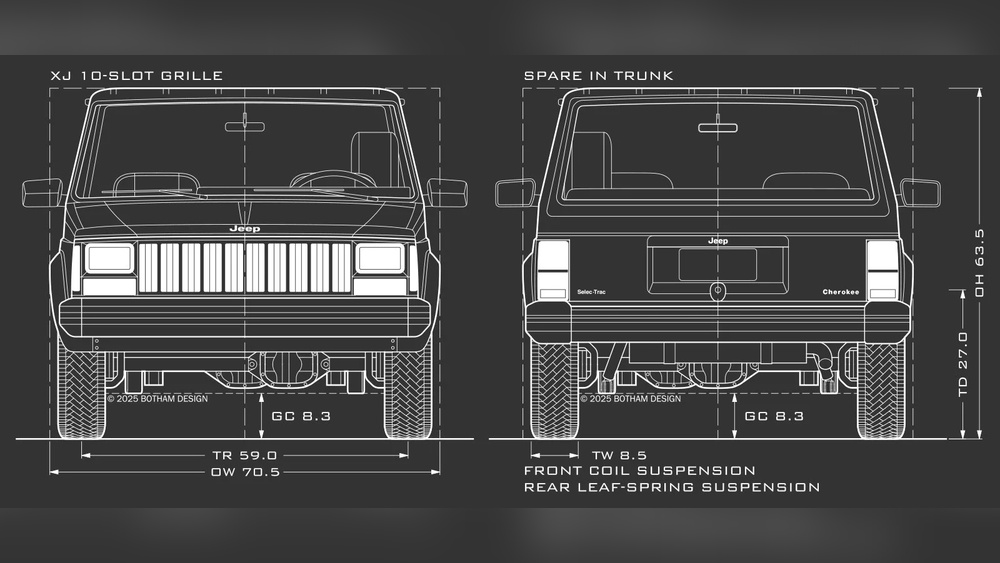
For most model years, the standard width (excluding mirrors) is:
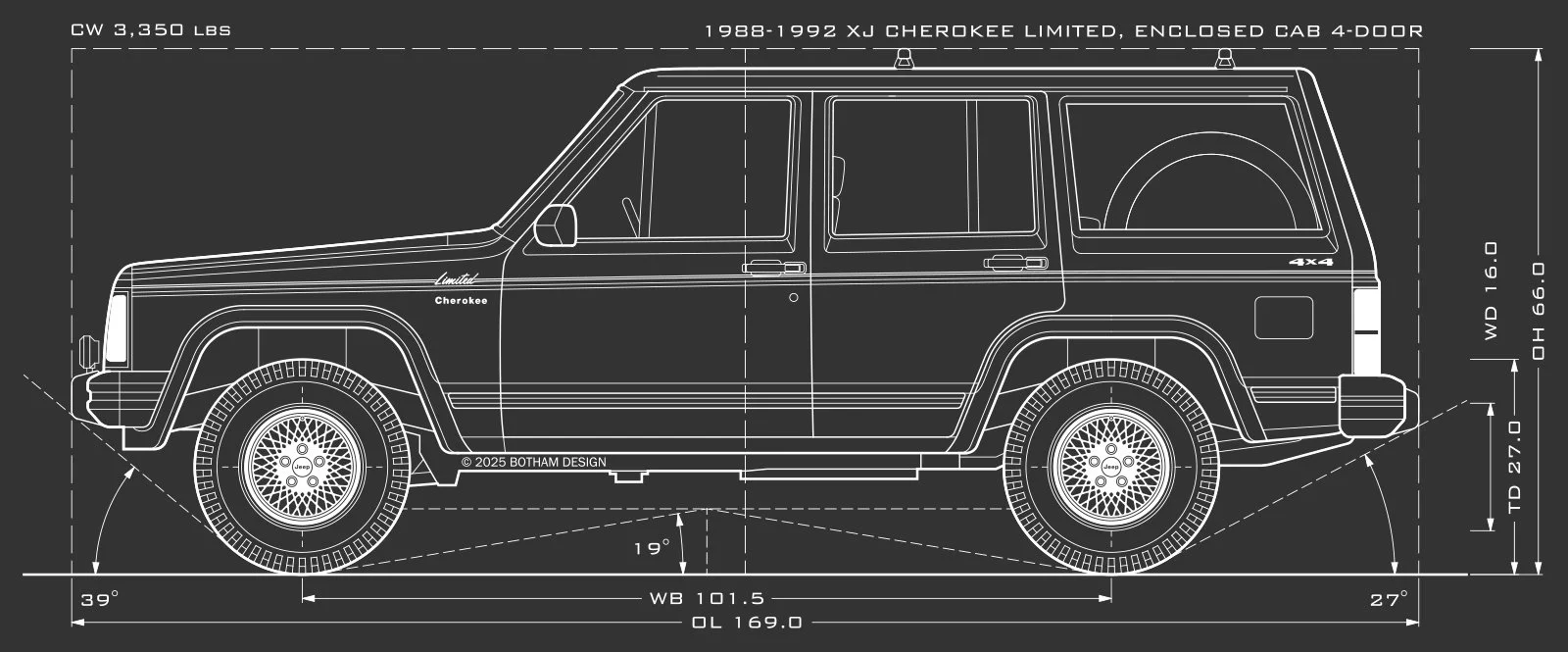
- 66.0 inches (1,676 mm)
This measurement is from the outer edge of one body side to the other. Some minor differences exist depending on trim and model year, but all factory XJ Cherokees are very close to this number.
Including Mirrors And Accessories
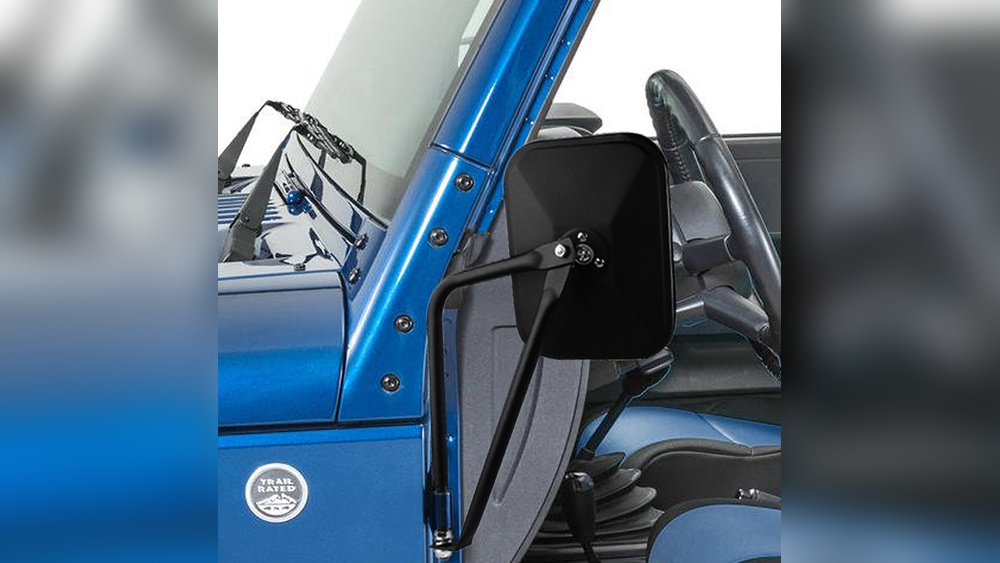
If you include the side mirrors, the total width increases. Original XJ mirrors extend about 6–7 inches extra each side. That means:
- Width with mirrors: About 78–80 inches (1,981–2,032 mm)
Aftermarket accessories, like fender flares or wider tires, can also add to the width. Some off-road setups can push the total width to 75–80 inches or more.
Jeep Xj Width Compared To Other Suvs
It’s helpful to see how the Jeep XJ’s width stands up to similar vehicles. Here’s a comparison with other popular SUVs from the same era:
| Vehicle | Width (inches) |
|---|---|
| Jeep XJ Cherokee | 66.0 |
| Toyota 4Runner (1995) | 66.5 |
| Ford Explorer (1995) | 70.2 |
| Chevy S-10 Blazer (1995) | 67.8 |
| Jeep Grand Cherokee ZJ (1995) | 69.2 |
As you can see, the XJ is narrower than most of its competitors. This makes it easier to maneuver in tight spaces and on narrow trails.
Why Width Matters For Jeep Xj Owners
The width of your Jeep XJ isn’t just a number—it affects daily life and off-roading in several ways:
- Trail Access: Narrower vehicles can fit through tight paths and wooded trails where wider SUVs might get scratched or stuck.
- Parking: The XJ fits easily in city parking spaces and smaller garages. Many modern SUVs are too wide for older, smaller garages.
- Stability: While a wider vehicle can feel more stable on the road, the XJ’s width gives it a good balance between agility and steadiness.
- Aftermarket Modifications: Adding wider tires, wheels, or fender flares can affect both looks and function. Always measure your new setup to avoid surprises.
Real-world Example
Imagine you add 2-inch wheel spacers and off-road tires that stick out another 1.5 inches on each side. The math looks like this:
- Original width: 66 inches
- Wheel spacers: +4 inches total
- Tires: +3 inches total
- New width: 73 inches
This can make a big difference when squeezing through tight rocks or parking in a crowded lot.
Common Mistakes When Measuring Or Modifying Width
Many people make errors when dealing with vehicle width. Here are two non-obvious pitfalls:
- Measuring with Accessories: Some owners measure width including roof racks or side steps, which aren’t usually counted in the factory width. Always clarify what’s included.
- Legal Limits: Some states have limits for total vehicle width on public roads (often 96 inches). If you go very wide with custom parts, you might run into legal or inspection issues.
Jeep Xj Wheelbase And Track Width
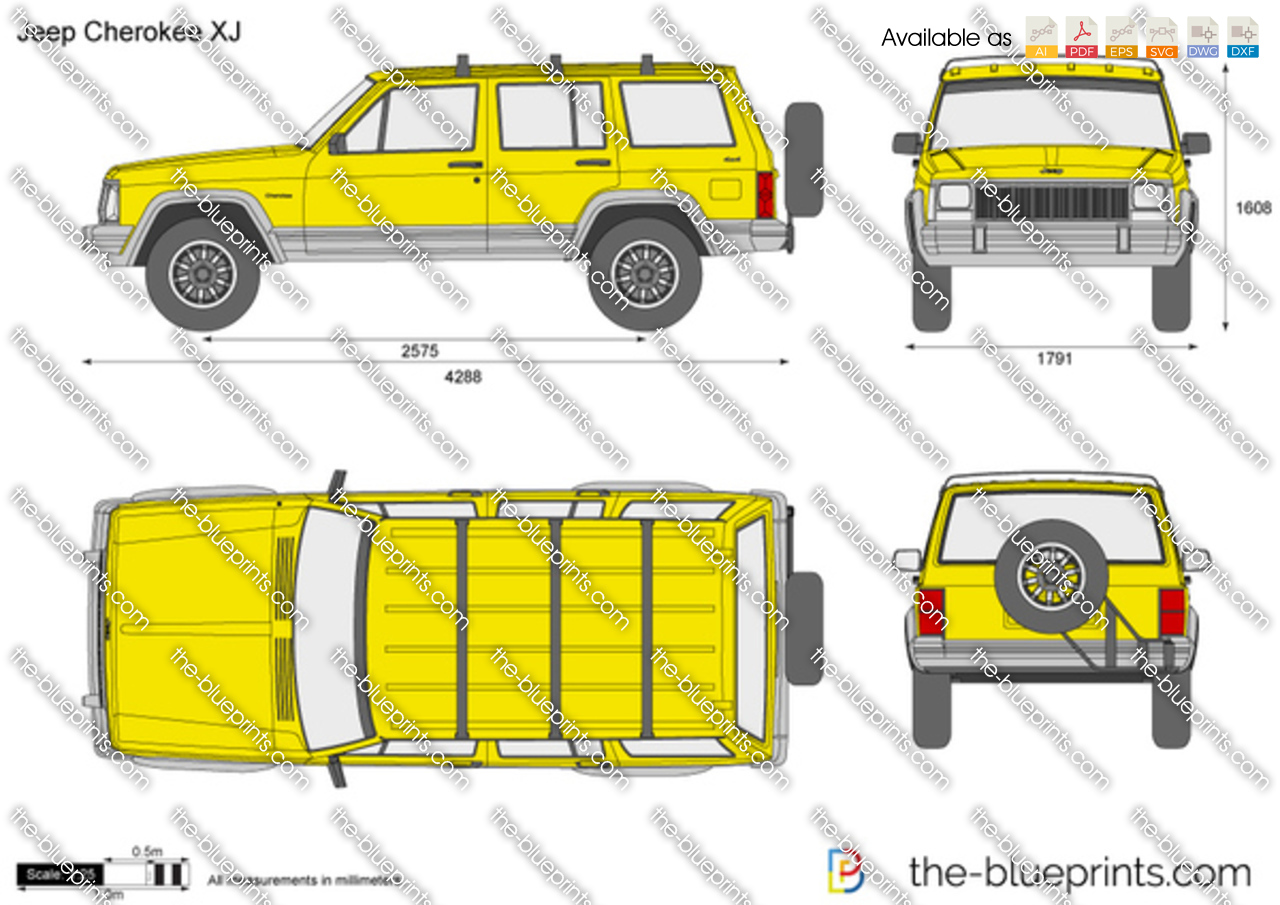
The wheelbase (distance between front and rear axles) and track width (distance between wheels on the same axle) also affect how the Jeep handles. For the XJ:
| Specification | Inches |
|---|---|
| Overall Width (body only) | 66.0 |
| Front Track Width | 57.8 |
| Rear Track Width | 57.8 |
| Wheelbase | 101.4 |
The track width is what matters for off-roading and stability. Adding wider axles or wheels changes the track, not the body width.
Tips For Living With A Jeep Xj’s Width
If you own or plan to modify a Jeep XJ, keep these tips in mind:
- Measure before buying new wheels or tires to ensure they won’t stick out too far.
- Check local laws on tire and fender coverage.
- Consider trail width if you plan to off-road in tight forests or rocky areas.
- Think about your parking situation, especially if you have a narrow garage.